
Was ist vaginaler Ausfluss? Farbe, Geruch und Zyklus erklärt
Alle gesunden Mädchen und Menschen mit feminisierten Körpermerkmalen haben ab der Pubertät vaginalen Ausfluss. Dieser tritt häufig sogar vor der ersten Menstruationsblutung, der Menarche, auf. Die Entladung kann sich ändern:
-
Farbe
-
Konsistenz
-
Menge
-
Geruch
Und ja – es kann sich ärgerlich, nass, geheimnisvoll und ein wenig verwirrend anfühlen. Aber hier ist die Wahrheit:
Ausfluss ist nicht eklig. Er ist nicht falsch. Er ist ein Zeichen dafür, dass dein Körper funktioniert. Und er hat eine wirklich wichtige Funktion in deinem Körper.
Lasst uns genauer betrachten, was Entladung eigentlich ist – und warum sie ziemlich genial ist.
👉 Wenn Sie den Unterschied zwischen vaginalem Ausfluss und Zervixschleim erfahren möchten, lesen Sie den Artikel hier.

Was genau ist eine Entladung?
Ausfluss (Vaginalsekret) ist ein Oberbegriff für alles, was aus der Vagina austritt und besteht aus:
-
Blut
-
Zelltrümmer
-
Erregerflüssigkeit
-
Milchsäurebakterien (Laktobazillen), die für ein gesundes Milieu sorgen und Bakterien in Schach halten
-
Geringe Mengen natürlicher Mikroorganismen
Die Vagina besitzt tatsächlich keine Drüsen. Der größte Teil des Ausflusses stammt aus dem Gebärmutterhals und aus Flüssigkeit, die durch die Schleimhaut hindurchtritt. Wenn Sie wissen möchten, was Zervixschleim ist, lesen Sie den Artikel hier.
Es handelt sich also um einen biologischen Prozess – nicht um „etwas, das der Körper ausscheidet, weil etwas nicht stimmt“.
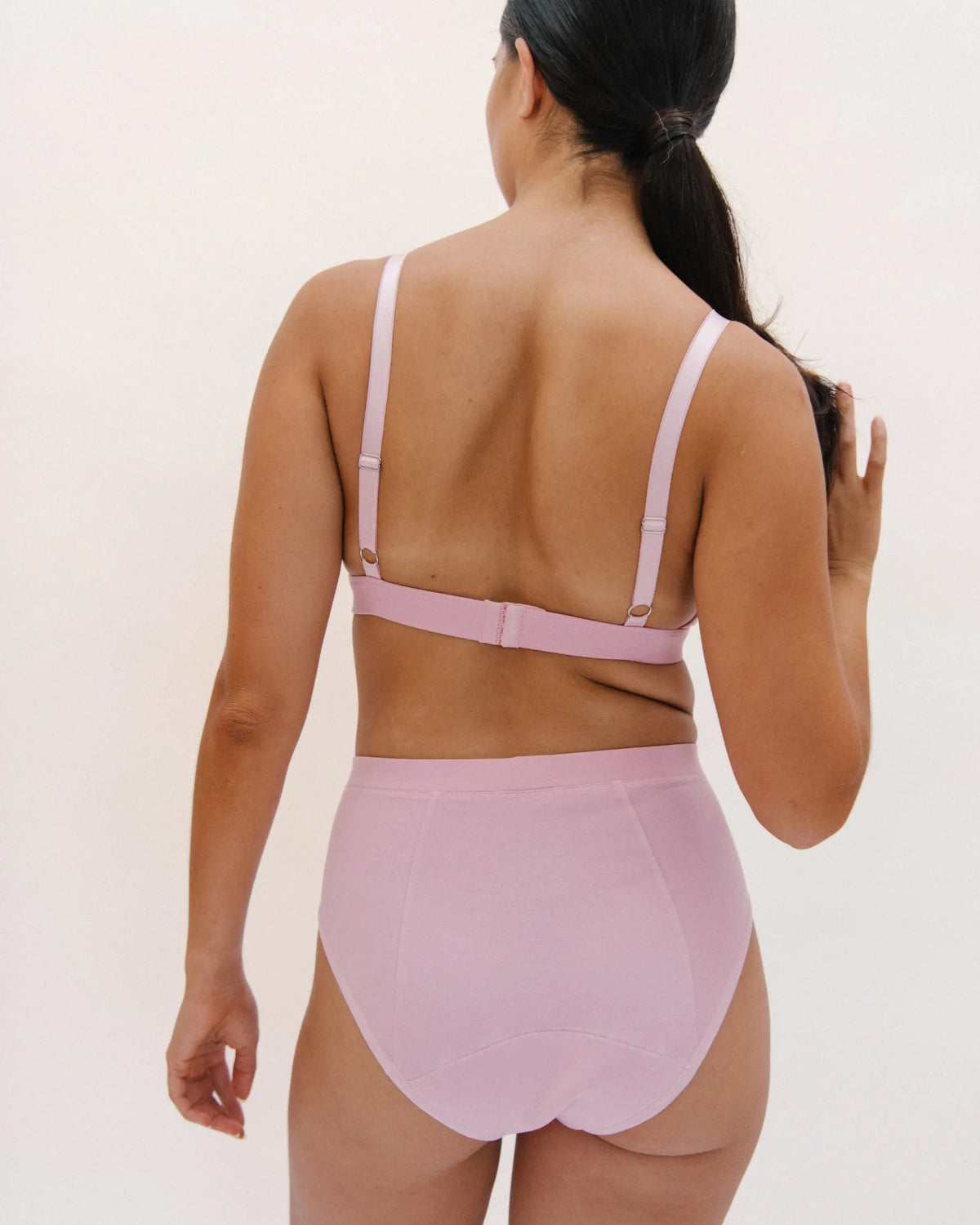
👉 Hier finden Sie unsere Auswahl an Slips mit geringer Saugfähigkeit, die Slipeinlagen ersetzen.
Warum haben wir Ausfluss?
Die Entladung hat drei wichtige Funktionen für Sie:
1. Es hält die Vagina sauber (Selbstreinigungsfunktion)
Durch Ausscheidungen werden diese aus dem Körper gespült:
-
Abgestorbene Zellen
-
Bakterien
-
Schmutz
Deshalb sollte man sich nicht drinnen waschen. Die Vagina reinigt sich selbst. Das Waschen des Inneren kann das pH-Gleichgewicht stören und mehr schaden als nutzen.
2. Ausfluss schützt vor Infektionen
Vaginalsekret enthält Milchsäurebakterien (Laktobazillen), die:
-
Produziert Milchsäure
-
Hält das Milieu leicht sauer (niedriger pH-Wert, etwa 3,8–4,5).
-
Schützt vor schädlichen Bakterien
Deshalb hat vaginaler Ausfluss oft einen leicht säuerlichen Geruch. Das ist normal.
3. Ausfluss ist wichtig für Ihre Fruchtbarkeit.
Die Entladungsmenge ändert sich im Laufe des Zyklus – und das ist kein Zufall. Es hilft den Spermien, sich während der fruchtbaren Tage zu bewegen. Und es blockiert sie, wenn du nicht da bist.
Die Karosserie ist ausgesprochen strategisch gestaltet. Magisch, nicht wahr?
Ausfluss während des gesamten Menstruationszyklus
Wenn du deinen Ausfluss kennst, kannst du erkennen, wo du dich in deinem Zyklus befindest. Hier ein kurzer Überblick darüber, wie Ihre Ausscheidung typischerweise in den verschiedenen Phasen aussieht:
Nach der Menstruation
-
Oft trocken oder nur sehr geringer Ausfluss
Follikelphase
-
Hell, cremig oder weißlich
Bis zum Eisprung
-
Wetter, glat, slässt sich zwischen den Fingern zusammenziehen, „eiweißähnlich“
Hinweis: Hier ist Ihr fruchtbares Fenster ✨
Nach dem Eisprung
-
Dicker/robuster, msind cremig, minterne Größe
Bis zur Menstruation
-
Kann klebriger, körniger und bräunlicher werden
Wie Sie lesen können, ist Ihr vaginaler Ausfluss einer der wichtigsten Biomarker.
Warum riecht Ausfluss?
Ausfluss riecht normalerweise nicht unangenehm, kann aber riechen:
-
Leicht säuerlich
-
Leicht
-
Nicht „parfümiert“ (selbstverständlich).
Der saure Geruch wird durch Milchsäurebakterien verursacht. Dies ist auch der Grund, warum Ausfluss leichte Flecken auf der Unterwäsche hinterlassen kann – die Säure kann den Stoff angreifen und bleichen.
Das ist kein Dreck. Dafür muss man sich nicht schämen. Das ist reine Chemie.
Wann ist der Geruch Ihres Ausflusses nicht normal?
Ihr Ausfluss sollte nicht unangenehm riechen, sondern nur leicht säuerlich. Daher ist es ratsam, Ihren Arzt zu kontaktieren, wenn der Ausfluss:
-
Riecht stark fischig
-
Plötzlich verändert sich der Geruch deutlich.
-
Begleitet von Juckreiz, Brennen oder Schmerzen
Es könnte beispielsweise ein Anzeichen für Folgendes sein:
-
Bakterielle Vaginose
-
Schwamm
-
Chlamydien
-
Andere Infektionen
Was bedeutet brauner Ausfluss?
Zunächst einmal ist es nichts, wovor man sich fürchten müsste. Brauner Ausfluss ist oft nur ein Zeichen einer Schwangerschaft.gestilltes Blut, sRückstände der Menstruation, die lange Zeit gebraucht haben, um den Körper zu verlassen, können freigesetzt werden.
Man sieht typischerweise Folgendes:
-
Kurz vor der Menstruation
-
Unmittelbar nach der Menstruation
-
Zum Ausspähen
-
In der Frühschwangerschaft
- Nach dem Geschlechtsverkehr, bei dem es möglicherweise zu einem kleinen Riss gekommen ist.
Bräunlicher Ausfluss ist an sich selten gefährlich. Wenn es jedoch von Schmerzen oder starken Blutungen begleitet wird, sollten Sie reagieren.
Entlassung als Biomarker
Es ist in gewisser Weise Gold wert – es liefert wertvolle Einblicke in das Wohlbefinden Ihres Körpers. Veränderungen in Ihrem Ausfluss können Folgendes offenbaren:
-
Infektion
-
Hormonelle Veränderungen
-
Schwangerschaft
-
Betonen
-
Anwendung von Verhütungsmitteln
-
Perimenopause
Worauf sollten Sie also achten, um es als Leitfaden für Ihre allgemeine Gesundheit zu nutzen? Achten Sie auf Folgendes:
-
Farbe (grün, grau, sehr gelb), kKonsistenz (klumpig wie Hüttenkäse), lWochenwechsel, kstechen oder brennen, sSchmerzen beim Wasserlassen
Plötzliche Veränderungen sind es wert, untersucht zu werden. Hier erfahren Sie, wie Sie Ihren Ausfluss nutzen können, um Ihren Zyklus besser zu steuern.
Was ist, wenn ich viel Ausfluss habe?
Wir alle erleben Phasen mit verstärktem Scheidenausfluss, und so lästig das auch sein kann, es ist natürlich und normal. Deshalb kann es auch so angenehm sein mit ein Paar normale, schwach saugfähige Höschen um Sie im Alltag zu unterstützen.
Manche Frauen erleben Phasen mit verstärktem Scheidenausfluss:
-
Während des Eisprungs
-
Während der Schwangerschaft
- Während einer Fruchtbarkeitsbehandlung kann es – insbesondere bei der Anwendung von Vaginalzäpfchen mit Progesteron – zu einer deutlichen Zunahme des Ausflusses kommen.
-
Während hormoneller Schwankungen
-
Während der Pubertät
Nochmals: Das ist normal. Wenn Sie sich feucht oder unwohl fühlen, können leicht saugfähige Slips angenehm sein – besonders wenn Sie vermeiden möchten, dass… Slipeinlagen für jeden Tag, die Blei und andere unerwünschte Inhaltsstoffe enthalten können.
Sollte ich Intimseife verwenden?
Deine Vagina reinigt sich selbst, alsoDie Innenseite muss nicht gewaschen werden. Wenn du deine Vulva waschen möchtest, verwende lauwarmes Wasser und gegebenenfalls eine... milde, unparfümierte Seife mit angepasstem pH-Wert
Um jeden Preis vermeiden
-
Parfüm
-
Hartes und anhaltendes Spülen
-
Spermizide Creme ohne Notwendigkeit
Die Schleimhäute sind empfindlich, also seien Sie vorsichtig.
Häufig gestellte Fragen – Entlassung
Was ist normaler Scheidenausfluss?
Weißlicher, durchsichtiger oder leicht gelblicher Ausfluss ohne starken Geruch oder Juckreiz.
Warum habe ich mehr Ausfluss als andere?
Die Ausscheidung variiert von Person zu Person. Die Menge an sich ist kein Problem.
Ist es normal, dass Ausfluss Flecken auf der Unterwäsche hinterlässt?
Ja. Der leicht saure pH-Wert kann die Substanz beeinflussen.
Was bedeutet gelber Ausfluss?
Eine leichte Gelbfärbung kann normal sein. Eine starke Gelbfärbung oder Grünfärbung sollte jedoch ärztlich abgeklärt werden.
Ist täglicher Scheidenausfluss normal?
Ja. Es ist ein Zeichen für eine funktionierende Schleimhaut.
Kann Stress den Scheidenausfluss beeinflussen?
Ja. Hormone beeinflussen die Produktion von Vaginalsekret. Dies ist auch die Ursache für zunehmende Scheidentrockenheit während der Perimenopause und Menopause. Lesen Sie hier mehr über die häufigsten Symptome der Perimenopause.
Quellen: Sundhed.dk