Menarche: Eerste menstruatie – Wat gebeurt er in het lichaam?
De allereerste menstruatie heeft een naam: menarcheNet zoals de allerlaatste heet. menopauze.
En of het nu stilletjes en bijna ongemerkt gebeurt, of als een verrassing midden in een volkomen normale schooldag, het is een belangrijke mijlpaal. Zowel voor jou als voor de volwassenen om je heen.
Je eerste menstruatie is de manier waarop het lichaam zegt:
👉 Hoi! Je wordt volwassen.
In sommige culturen wordt het gevierd met een groot feest, een diner, met zeer speciale rituelen, ook samen met andere vrouwen. In andere culturen gaat het bijna onopgemerkt voorbij. En helaas zijn er ook culturen waar het hebben van een menstruatie nog steeds geconfronteerd met stigma en schaamte.
Voordat ik verder ga, wil ik u dit nog even kort vertellen: menstruatie Het is een volkomen natuurlijk biologisch proces en een natuurlijke functie in het lichaam, net zoals niezen, hoesten, plassen, knipperen of bewegen - zonder erbij na te denken. doe het gewoonOmdat het moet – het kan om een bepaalde reden. En zo is het nu eenmaal met... menstruatieHet is net zo natuurlijk als elk ander proces in je lichaam, en je hebt er geen controle over. Je hoeft je er dus niet voor te schamen, het niet te verbergen en je er niet ongemakkelijk bij te voelen.
Menarche, je allereerste menstruatieDit markeert het begin van een nieuwe fase in je lichaam – zowel fysiek, hormonaal als emotioneel.
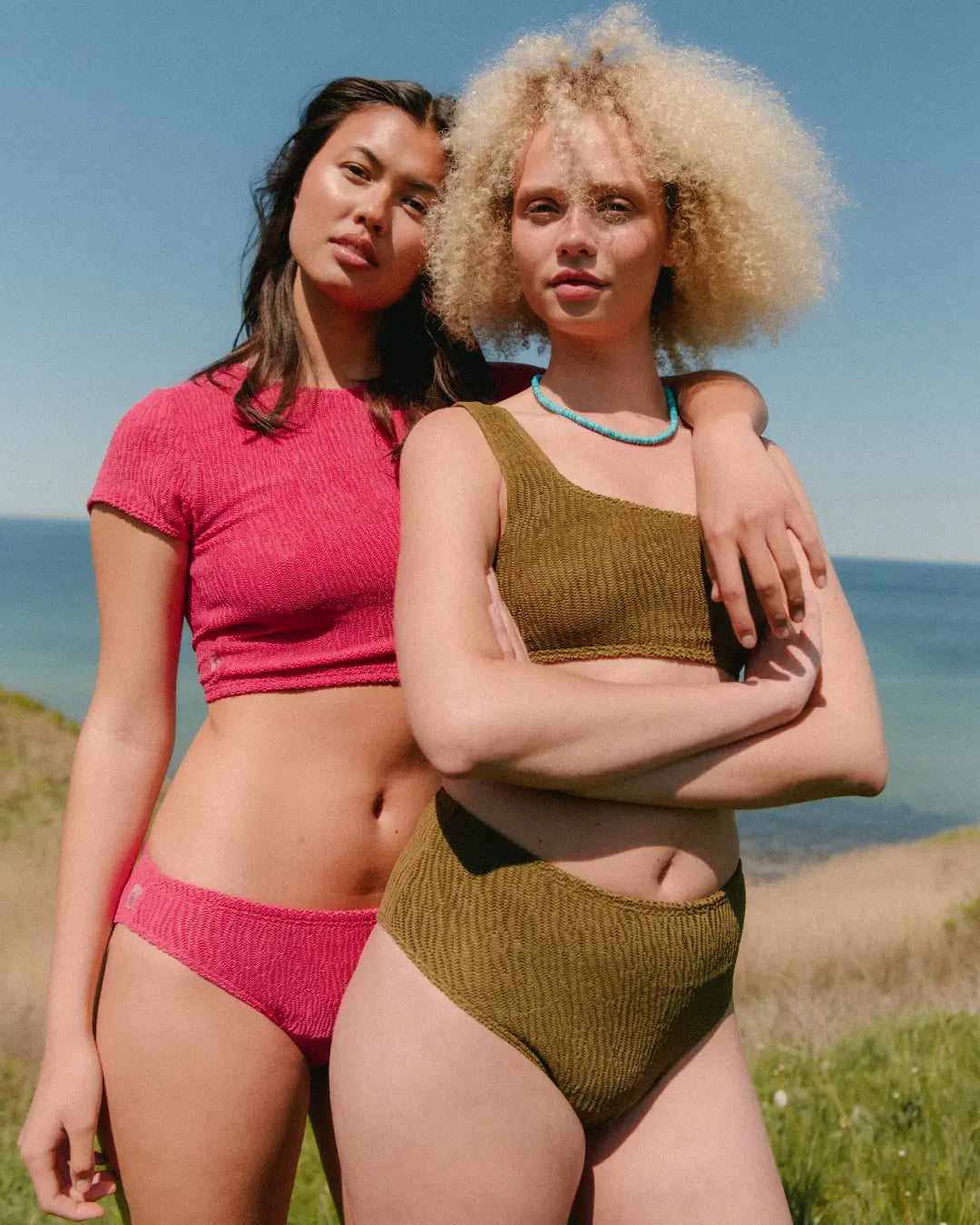
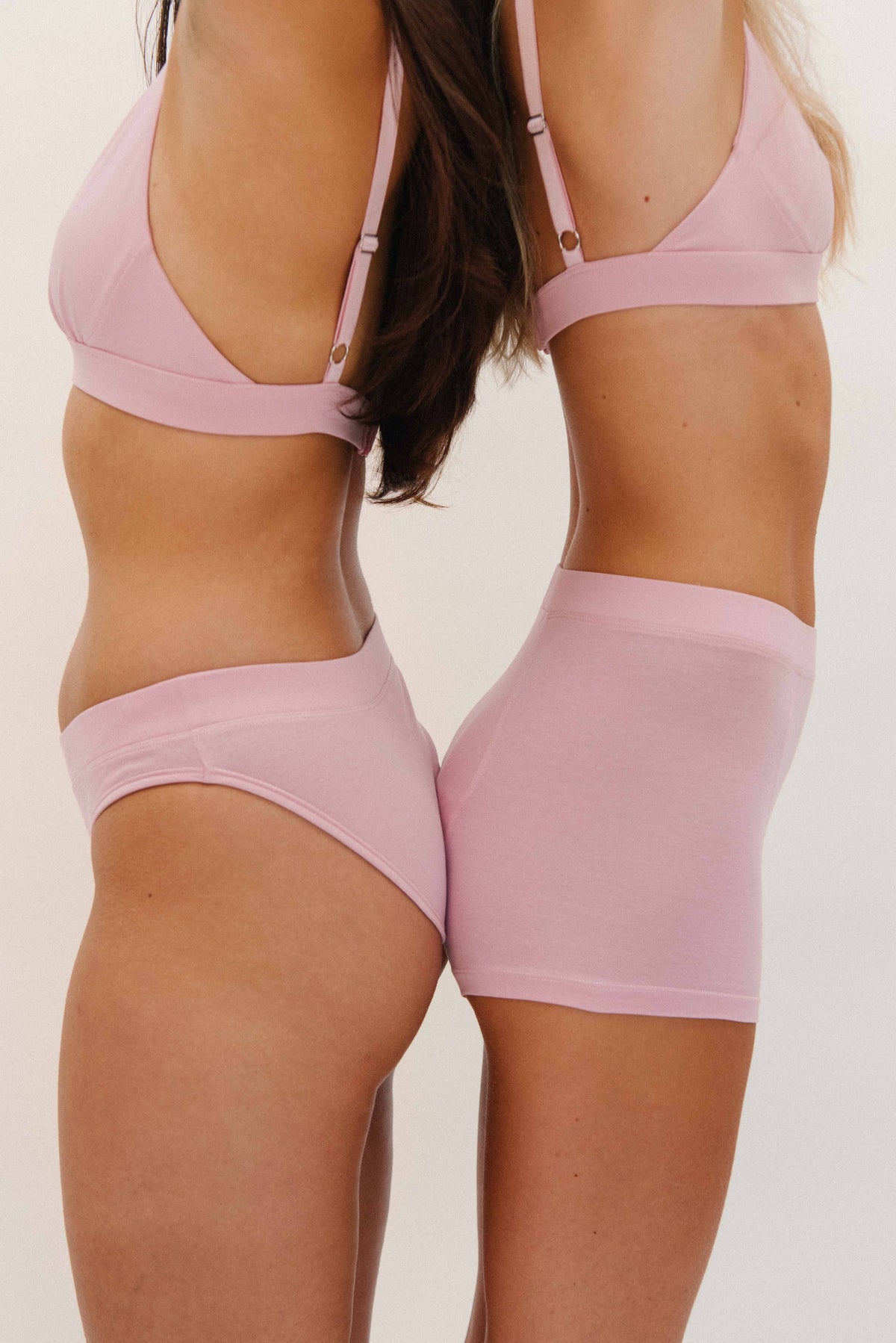
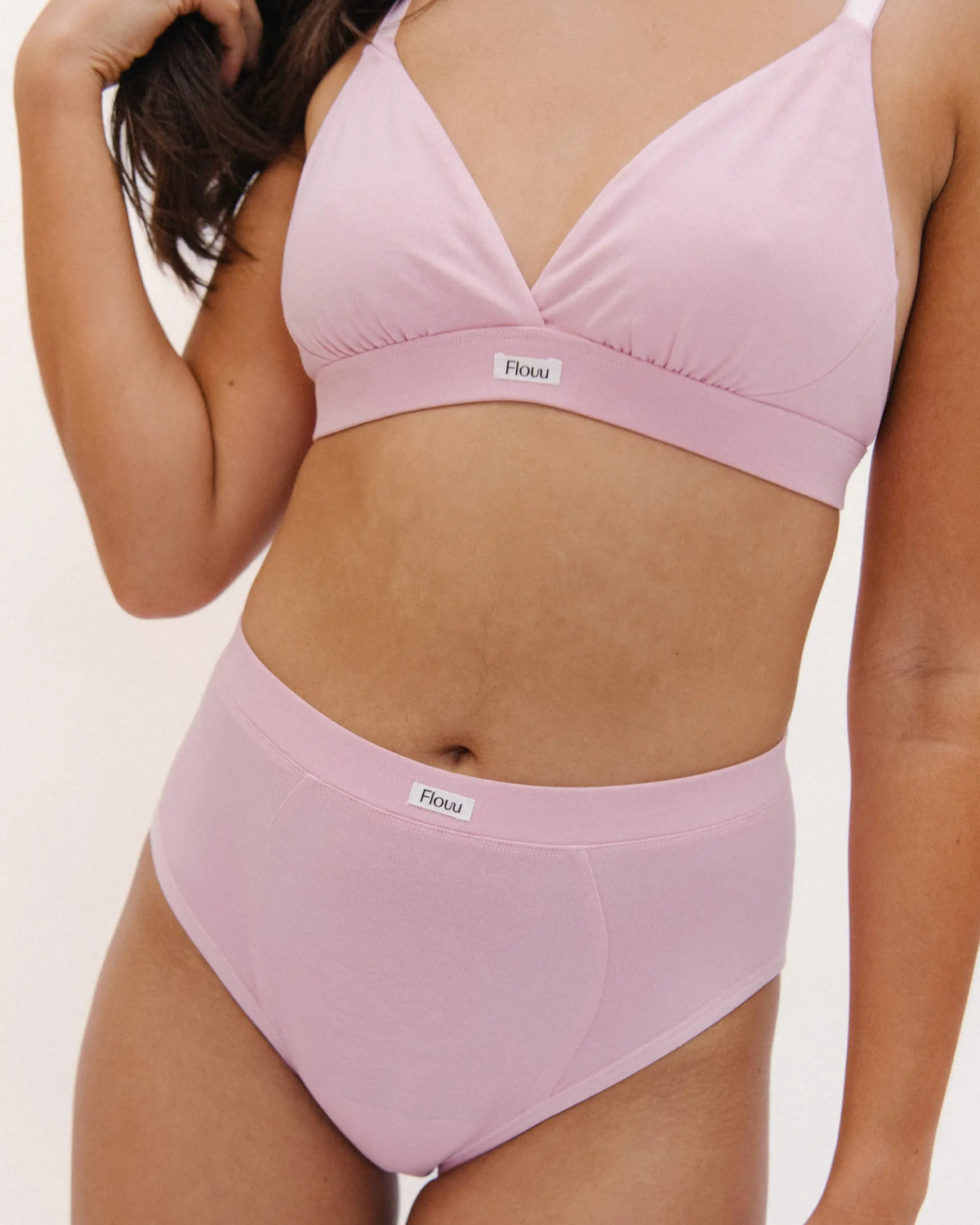
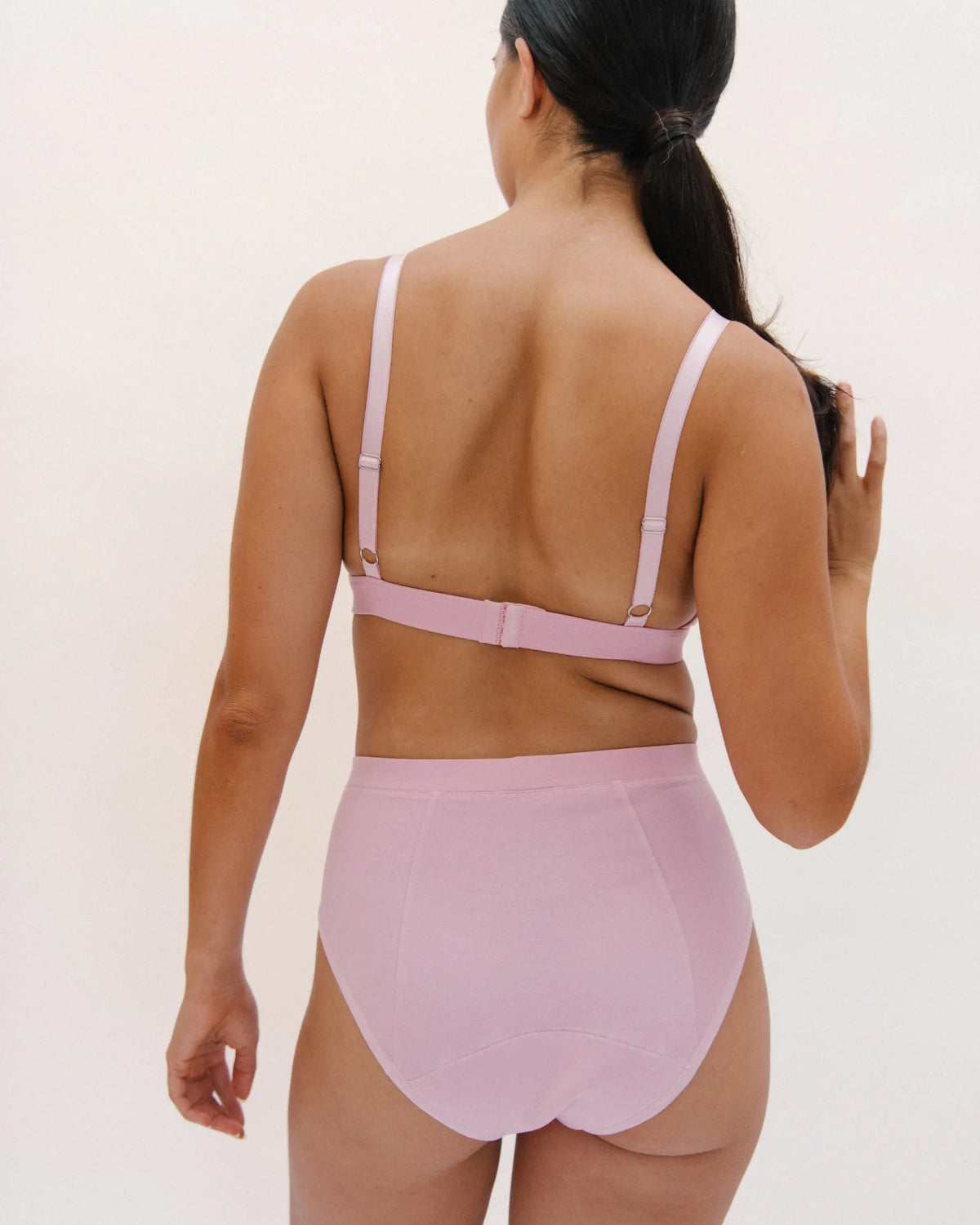
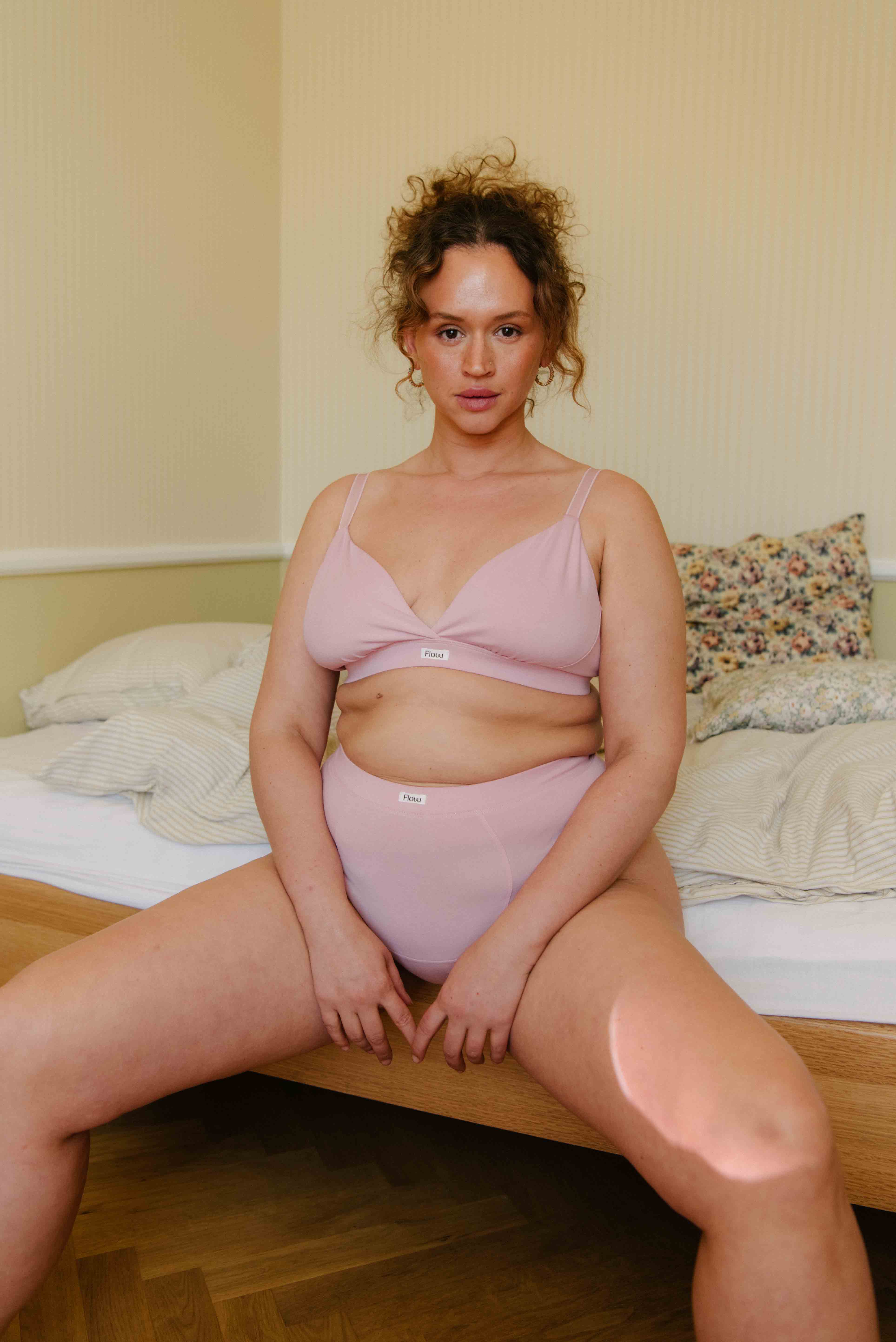
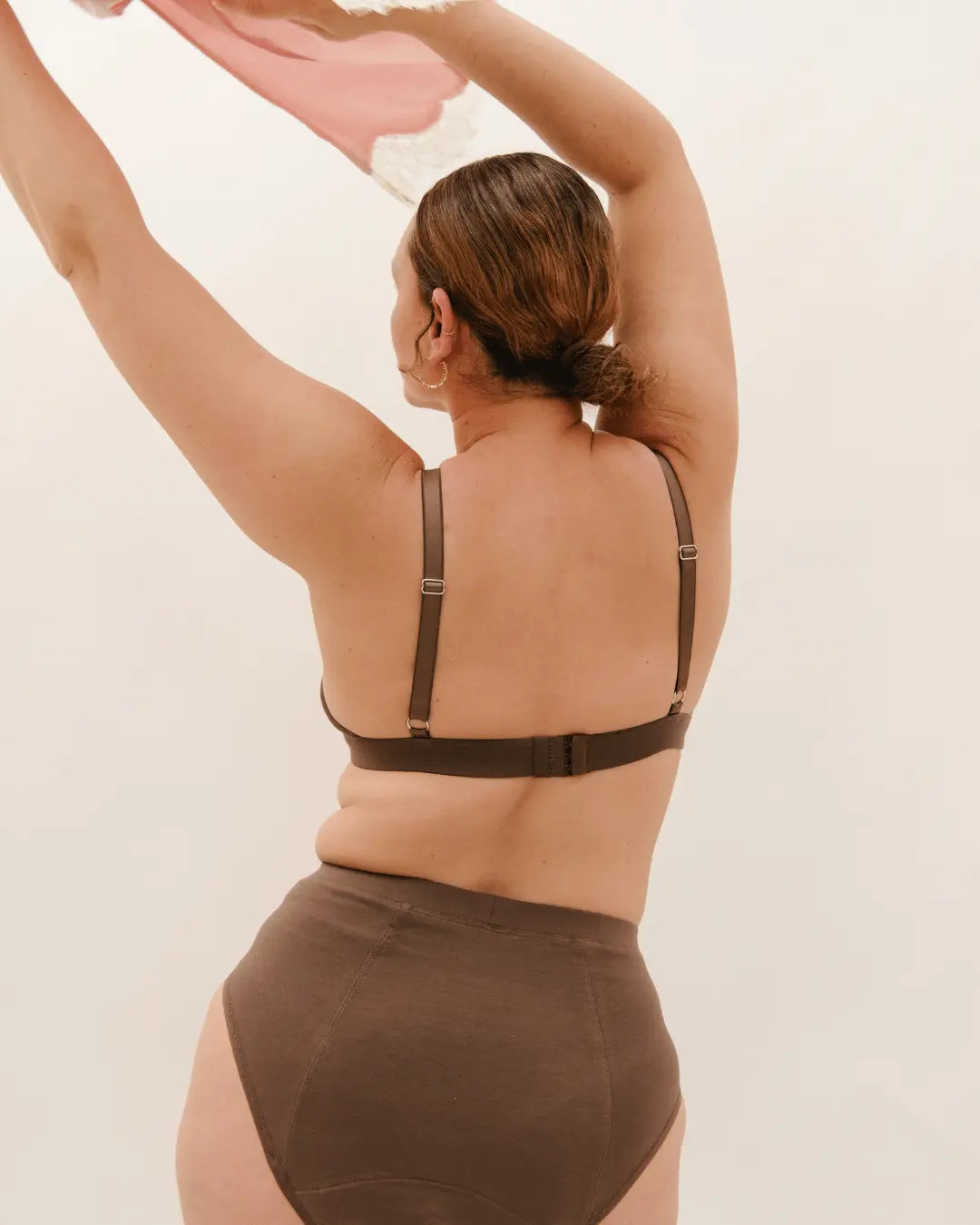
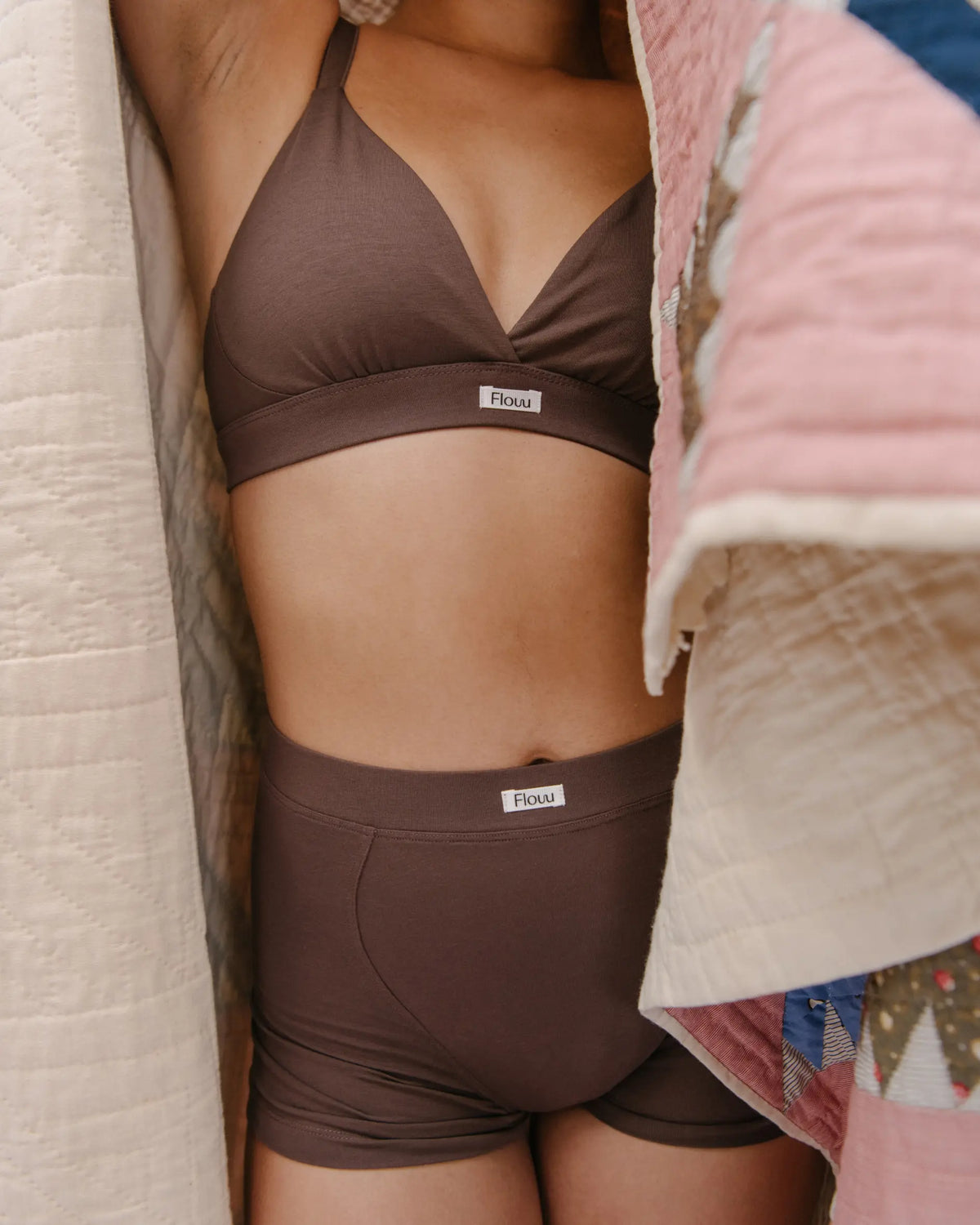
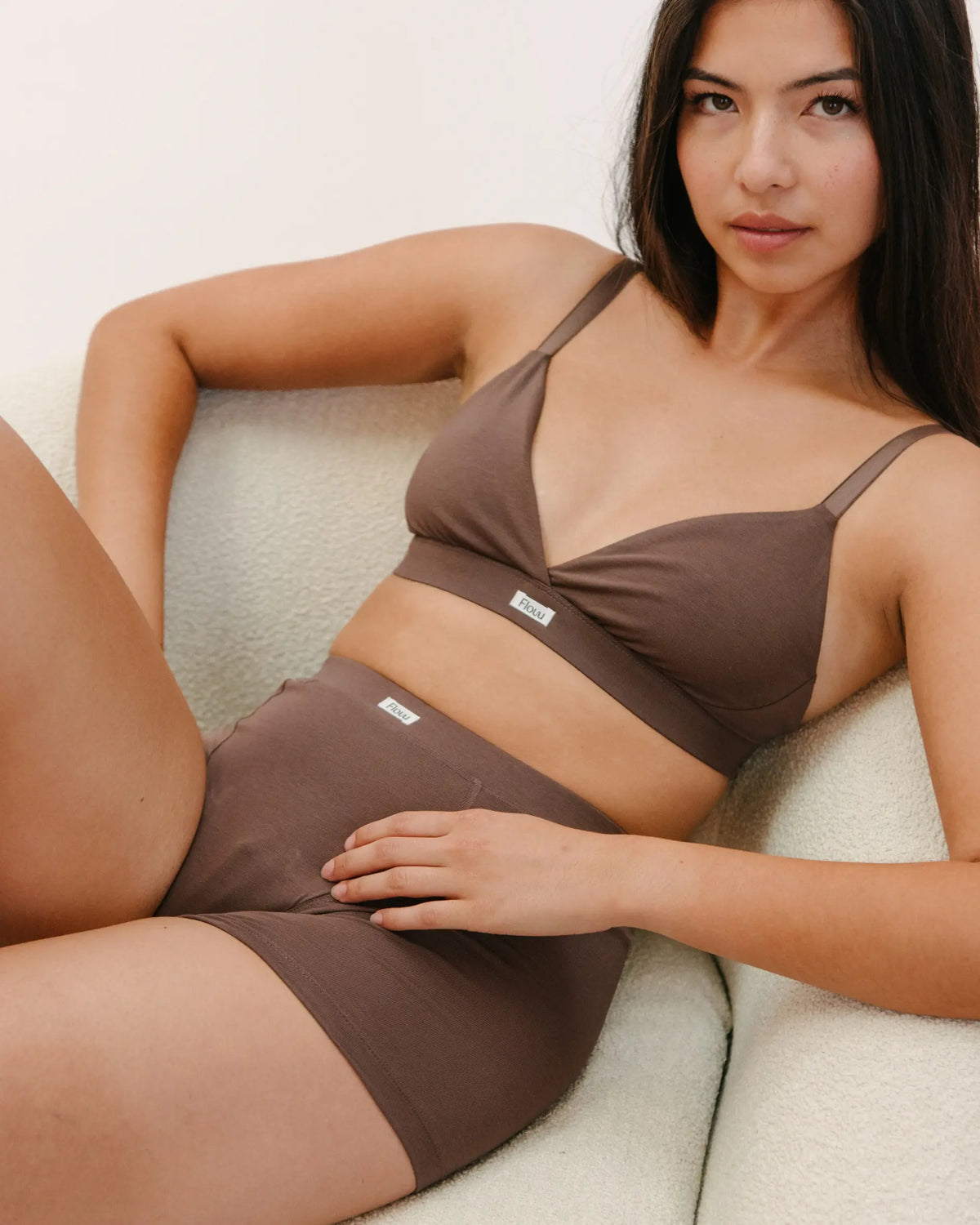
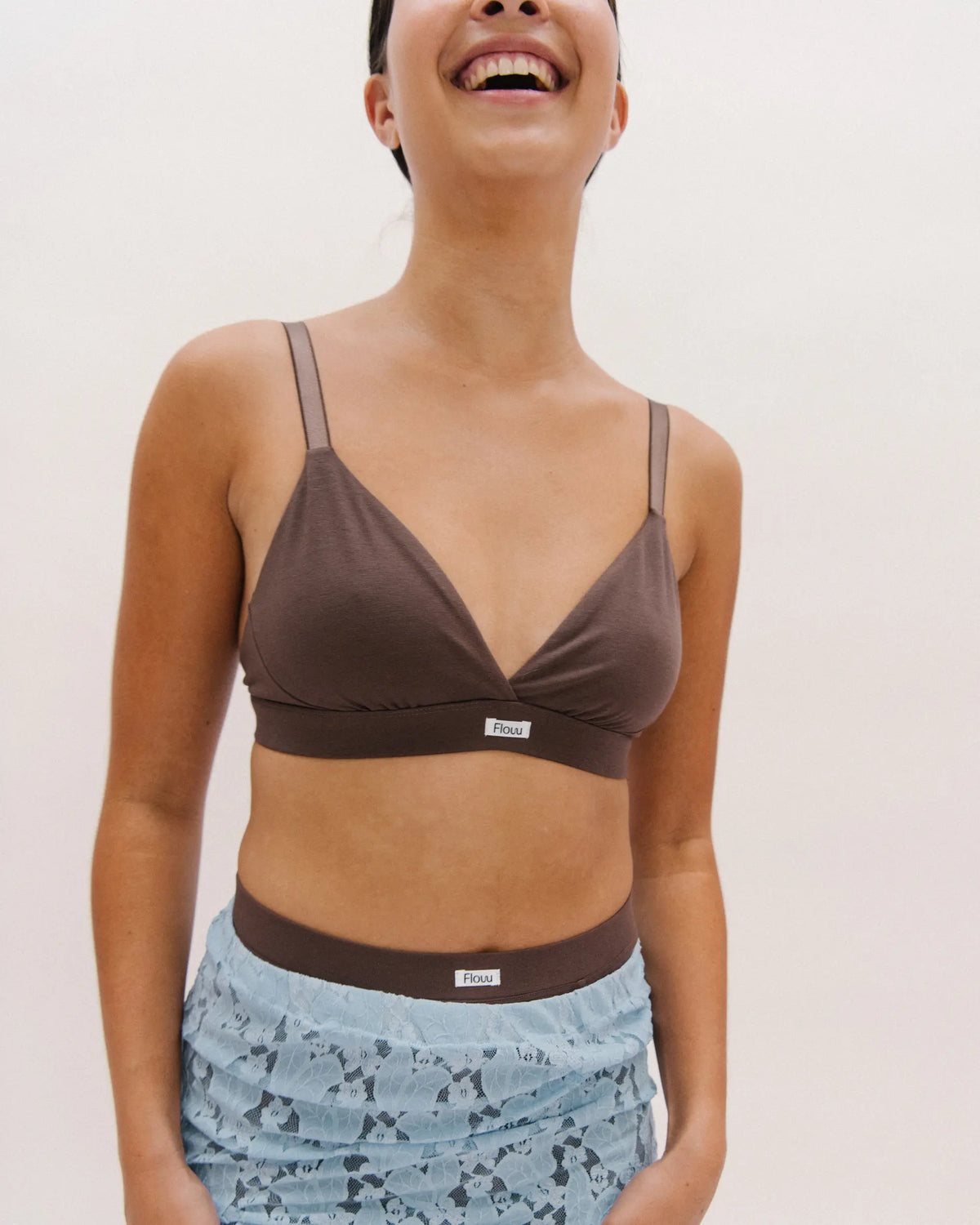
👉 Bekijk onze selectie menstruatieondergoed En menstruatiebadkleding voor tieners vind je hier.
En als je het ons vraagt: het verdient het om met nieuwsgierigheid, kennis en zekerheid benaderd te worden.
Artikel geschreven door Cathrine Widunok Wichmand

Wanneer krijg je je eerste? menstruatie?
Als je de datum wilt weten, begrijp ik dat. Maar het lichaam is nog niet zo voorspelbaar. Er zullen echter wel een aantal signalen zijn die je zwangerschap kunnen voorspellen. menstruatie is onderweg - nog voordat het daadwerkelijk begint.
Als we het over leeftijd hebben, zijn er kleine schommelingen in de leeftijd waarop je voor het eerst menstrueert. In Denemarken, en over het algemeen in de westerse wereld, krijgen veel mensen hun eerste menstruatie. menstruatie rondom De leeftijd van 12maar alles daartussenin 9 en 16 jaar is volkomen normaal.
Het is een behoorlijk verschil, zoals je wel kunt merken – ik was zelf ook tien. En het kan lastig zijn om de beste van de klas te zijn – net zoals het niet leuk is om de laatste te zijn. Het is volkomen normaal dat we iemand nodig hebben om op te steunen, en dat we een beetje zoals de anderen willen zijn.
Maar.
Er bestaat niet één juist moment.
Je lichaam volgt zijn eigen tempo.
Wat gebeurt er in het lichaam voorafgaand aan de eerste menstruatie?
De eerste menstruatie treedt niet zomaar op. Het lichaam is hier al een tijdje mee bezig.
Jouw menstruatie Het gaat over het algemeen om rijpe eicellen - die worden vrijgegeven en, zolang je niet zwanger bent, samen met het baarmoederslijmvlies en bloed naar buiten komen. menstruatie.
Je bent geboren met je eicellen - die zijn gevormd terwijl je in de baarmoeder was.
Nu duiken we in wat er zich daadwerkelijk afspeelt vóór de eerste menstruatie:
1. De hersenen zetten alles in beweging.
Alles begint in de hersenen.
De hypofyse (een kleine klier in de hersenen) begint signalen in de vorm van hormonen naar je eierstokken te sturen, waar je eicellen zich bevinden.
Deze hormonen worden onder andere genoemd:
- FSH (follikelstimulerend hormoon)
- LH (luteïniserend hormoon)
Ze geven de eierstokken het signaal dat het tijd is om eicellen te laten rijpen.
2. Oestrogeen verandert het lichaam.
Wanneer de eierstokken geactiveerd worden, beginnen ze te produceren. oestrogeen.
Oestrogeen is een van de belangrijkste hormonen tijdens de puberteit en beïnvloedt het lichaam op vele manieren:
- De borsten beginnen zich te ontwikkelen (ze kunnen gevoelig aanvoelen, alsof er plotseling een klein hard balletje in zit).
- De heupen veranderen van vorm (ze worden langzaam iets breder).
- Er groeit haar onder de oksels en rond de geslachtsdelen.
- De baarmoeder begint te groeien (daarom krijg je misschien ook een mooi klein bultje op je buik onder je navel - net zoals je misschien wel eens hebt gezien op oude beelden van vrouwenlichamen).
Het kan onbekend aanvoelen – misschien zelfs een beetje overweldigend. Er zal veel veranderen, maar gelukkig gebeurt het niet allemaal tegelijk. En alle veranderingen vinden plaats omdat ze een functie hebben. Je lichaam heeft nieuwe 'eigenschappen' gekregen.
Het lichaam is iets aan het opbouwen.
Iets dat leven kan creëren in de volwassenheid.
Op een dag zul je misschien zwanger moeten zijn, waardoor je baarmoeder zal groeien. In dat geval zul je ook in staat moeten zijn om de baby te dragen, dus je bekken zal zich verbreden en je heupen zullen breder worden. Je zult misschien borstvoeding moeten geven - waardoor je borsten groter zullen worden en op een dag klaar zullen zijn om melk te produceren.
Dat is echt ongelooflijk. Je lichaam is geweldig.
3. De baarmoeder begint te werken
Naast de hormonale veranderingen begint de baarmoeder zich voor te bereiden. In feite bereidt ze zich elke maand voor op de geboorte van een baby – waarschijnlijk staat dat nu nog niet op je prioriteitenlijst. Maar het is wel het spilpunt van je... menstruatie.
Elke maand maakt het lichaam een volledig nieuwe baarmoederwand aan, waaraan een bevruchte eicel zich kan hechten.
Het is zacht en zit vol bloedvaten – klaar voor een mogelijke zwangerschap.
Als er geen bevruchting plaatsvindt, stoot het lichaam zowel de eicel als het baarmoederslijmvlies af.
👉 Het slijmvlies en de eicel worden afgescheiden – en het komt via de vagina naar buiten, zoals je dat noemt. menstruatie.
4. De eerste paar menstruatiecycli zijn vaak onregelmatig.
Wanneer de menstruatie begint, is de cyclus zelden regelmatig. Dit komt doordat het lichaam nog steeds zijn ritme aan het vinden is.
- Er kan een lange tijd tussen bloedingsepisoden zitten.
- Het kan onverwacht gebeuren.
- Het kan heel licht zijn of iets zwaarder.
Dit is volkomen normaal. Voor veel mensen duurt het langer. 1-2 jaarvoordat de cyclus stabieler wordt.
Tip: Noteer de dag waarop je menstruatie begint in je agenda - zo kun je na verloop van tijd ongeveer inschatten wanneer de volgende menstruatie zal plaatsvinden. menstruatie begint.
Je zult de onregelmatigheid ook later in je leven ervaren - wanneer je in de perimenopauze komt, de periode voorafgaand aan de laatste menstruatie. menstruatie, de menopauze, die ik als eerste al noemde.
De onregelmatigheden in je menstruatiecyclus, zowel rond de eerste menstruatie als rond de menopauze, hebben te maken met je hormonen, die schommelen. Rond de eerste menstruatie stabiliseren ze zich. Tijdens de menopauze begint onder andere de hoeveelheid oestrogeen af te nemen.
5. Ovulatie – maar niet altijd aan het begin
Bij een meer 'rijpe' of regelmatige cyclus vindt de ovulatie ongeveer plaats twee weken ervoor menstruatieHet exacte tijdstip van je ovulatie is voor iedereen anders. Je kunt erachter komen wanneer het is door je temperatuur in de gaten te houden (deze stijgt iets rond de ovulatie), je vaginale afscheiding en je baarmoederhals.
👉 Lees hier meer over hoe je je vaginale afscheiding kunt gebruiken om je menstruatiecyclus bij te houden.
Maar in het begin zul je vaak meerdere menstruaties hebben zonder ovulatie. Dit hoort bij de aanpassing van je lichaam en je hoeft je hier geen zorgen over te maken.
6. Lichamelijke en emotionele veranderingen
De eerste menstruatie is niet alleen iets wat in het lichaam gebeurt – je kunt het ook van binnenuit voelen. In je gedachten, gevoelens en stemming. Misschien heb je de laatste tijd meer ruzies met je ouders of vrienden?
Dit is volkomen normaal en veel mensen ervaren het volgende:
- Stemmingswisselingen
- Verhoogde gevoeligheid
- Vermoeidheid
- Het gevoel jezelf niet volledig te herkennen
Het zijn de hormonen die hierbij een rol spelen. Je hormonen beïnvloeden alles in je lichaam, met name je slaap, je energieniveau en je stemming.
En je zult niet de eerste zijn die op een ochtend in de spiegel kijkt en denkt: "Wie ben ik?!" want alles wordt anders geregistreerd. Je zult dat waarschijnlijk voortdurend ervaren, cyclus na cyclus.
Je kent het hormoon oestrogeen vast nog wel, toch? Het wordt ook wel het Beyoncé-hormoon genoemd. Het kan je een geweldig gevoel geven en je het idee geven dat je duizend dates wilt hebben. Maar zodra je ovuleert, daalt je oestrogeenspiegel en stijgt je progesteronspiegel. Het is net als schakelen in een auto – veel mensen merken het aan hun stemming, energieniveau en algehele welzijn. Zo noemen ze dat. PMSPremenstruele symptomen komen veel voor en tot wel 80% van de vrouwen heeft er last van.
👉 Lees hier meer over wat PMS-maat inhoudt.
Wanneer PMS ernstig is, en dat is bij ongeveer 8% van de vrouwen het geval, wordt het genoemd PMDDPremenstruele dysforie, en hier gaat het niet alleen om een ietwat lusteloze dag, maar om aanhoudende, depressieve gedachten en uitgesproken vermoeidheid.
Je hoeft dit niet alleen aan te pakken. In dat geval is het belangrijk om met een zorgverlener en je arts te praten.
Het risico op PMDD is aanzienlijk verhoogd als: Je bent neurodivergent met ADHD.Je risico op PMDD neemt toe tot ongeveer 24%, en als je medicatie gebruikt, kan de effectiviteit ervan tijdens je cyclus met wel 600% fluctueren. Het is belangrijk om dit in gedachten te houden en er met je psychiater over te praten.
👉 In dit artikel kunt u meer te weten komen over PMDD en de symptomen ervan begrijpen.
Je loopt niet achter – en je bent er ook niet te vroeg mee begonnen.
Een van de grootste zorgen is vaak:
- “Ik ben de eerste”
of
- “Ik ben de laatste”
Je wilt eigenlijk geen van beide zijn. Maar de waarheid is:
Er bestaat geen juist moment.
Lichamen ontwikkelen zich verschillend.
En dat zegt niets over jou – of je lichaam.
Je hebt gelijk, je lichaam doet wat het moet doen, wanneer het dat moet doen. Als je twijfelt, praat dan met een verzorger, een vriend, een leraar of de wijkverpleegkundige op school.
Hoe je het veiliger kunt maken
Het mooie van menstruatie Het is niet iets wat je hoeft te leren. Je lichaam doet wat het doet. Maar het is belangrijk dat je je veilig voelt.
Het kan je wellicht helpen om:
- Praat met een volwassene die je vertrouwt.
- Vraag het gerust als iets onduidelijk is.
- Schrijf je gedachten of vragen op.
- Leer je lichaam kennen in je eigen tempo.
En misschien wel het allerbelangrijkste: sta jezelf toe nieuwsgierig te zijn in plaats van onvolmaakt. Als je je gedachten hardop met je vrienden bespreekt, voel je je veilig in de wetenschap dat je waarschijnlijk veel van dezelfde gedachten hebt gehad.
Wanneer de eerste menstruatie optreedt
De eerste menstruatie is vaak:
- Laten
- Kaart
- Onvoorspelbaar
Het is volkomen normaal. Misschien is het helemaal niet wat je ervan verwacht had.
Dan is er nog het bloed zelf. De bloeding kan bestaan uit:
- bruinachtig
- roze
- rood
Maar wat kun je doen om voorbereid te zijn op het onverwachte? Houd je stage goed in de gaten. En dan is het zover.
Wat doe je concreet?
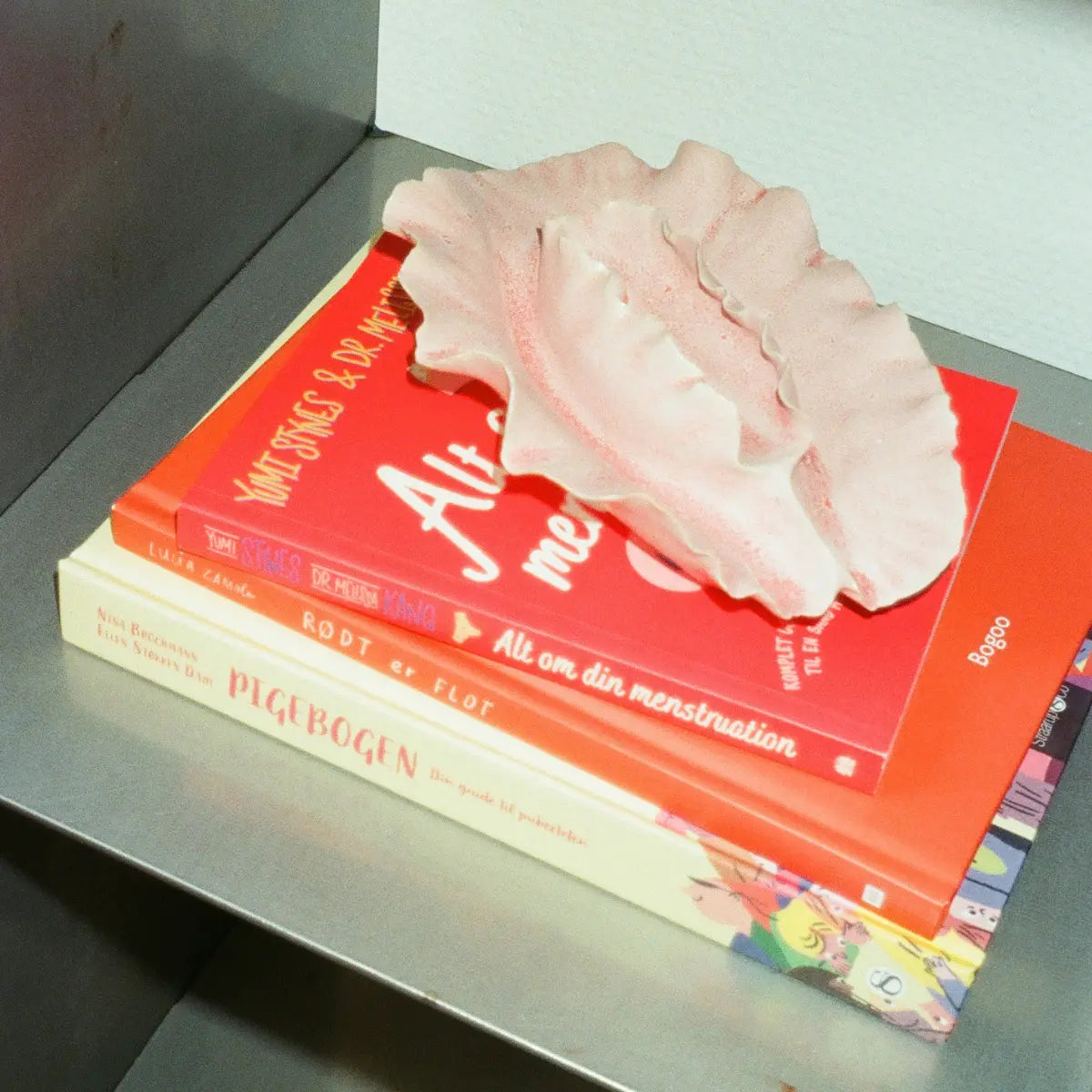
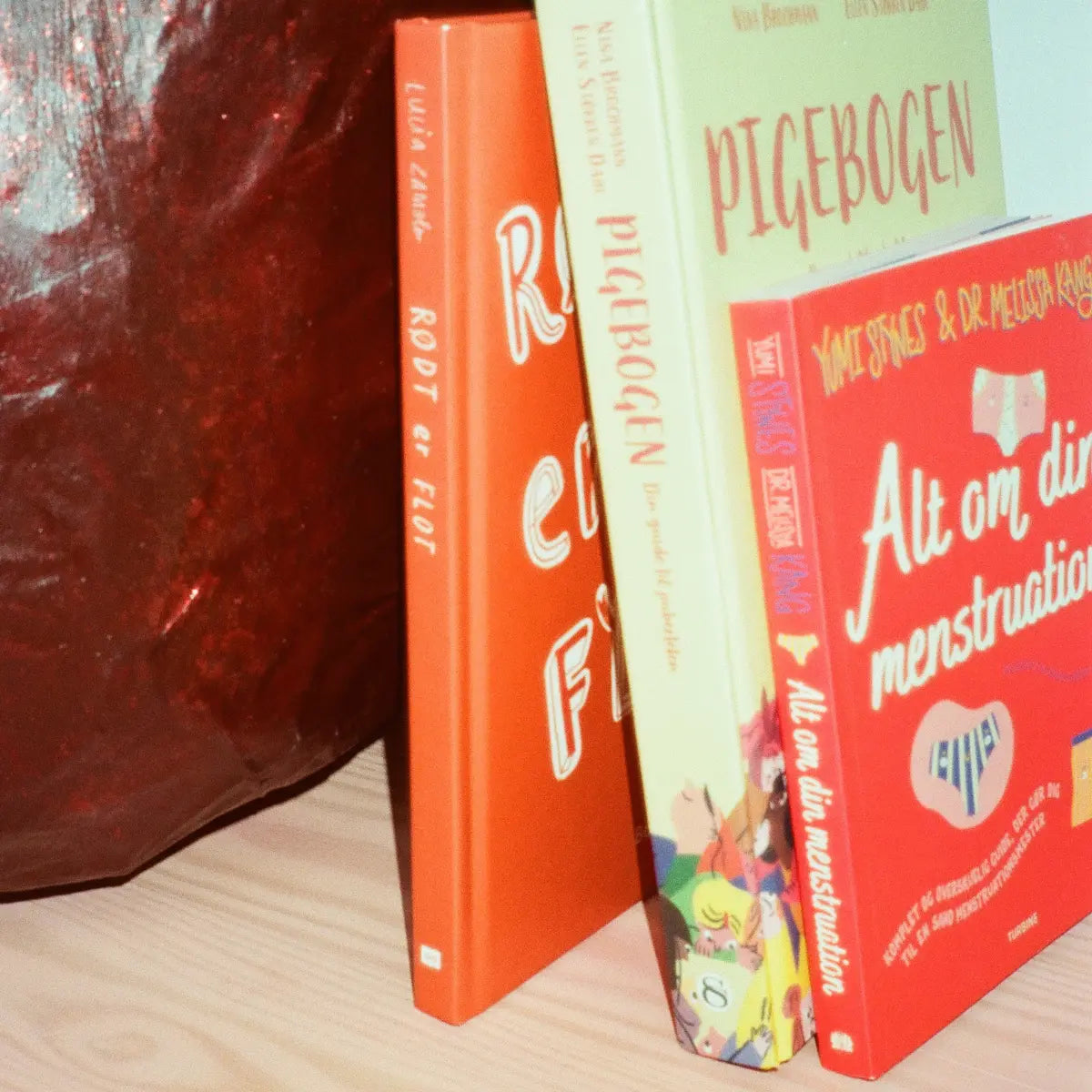
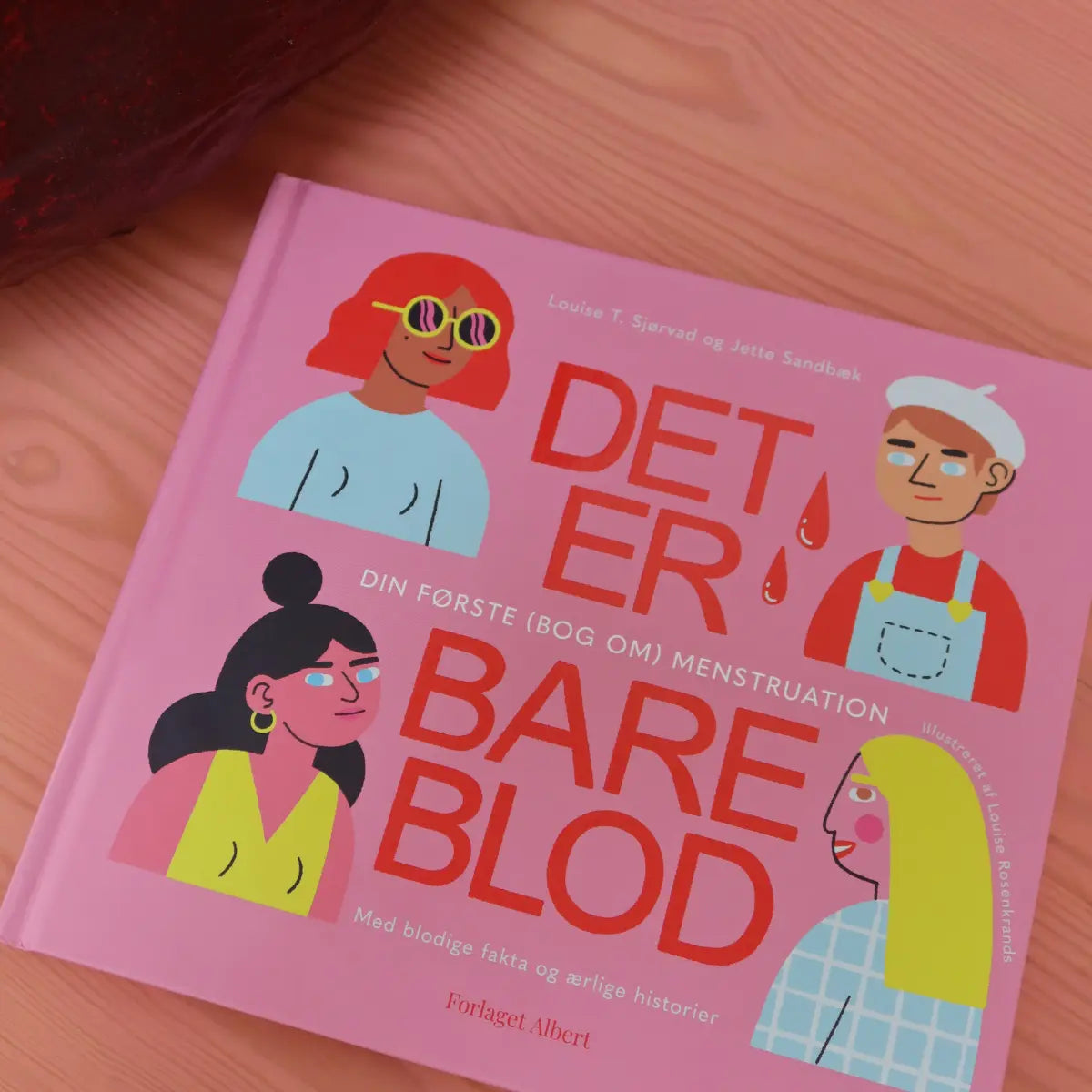
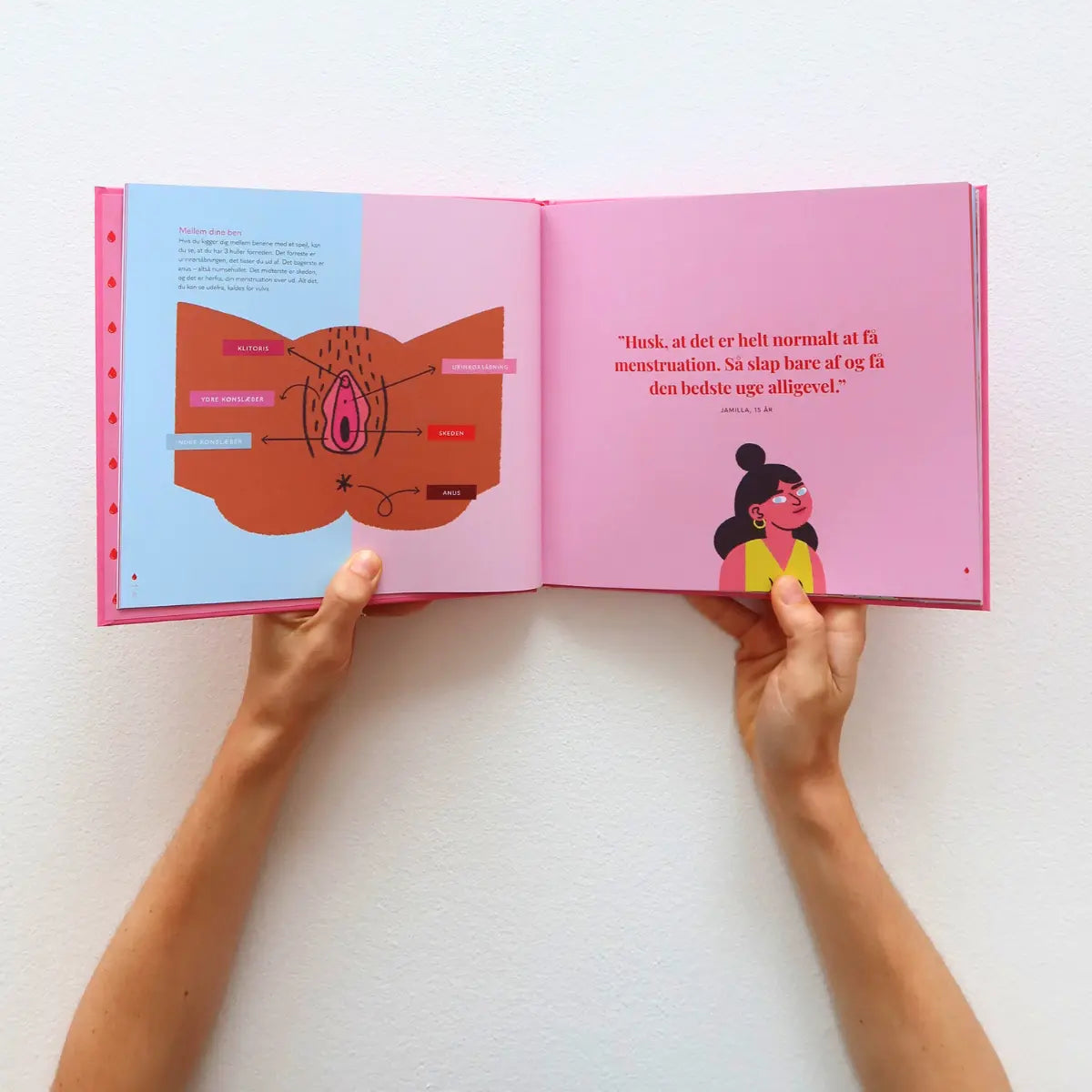
Dit is de sleutel tot een goede ervaring: een beetje praktische voorbereiding. Dat kan van alles betekenen, bijvoorbeeld dat je een of twee boeken over het menselijk lichaam hebt gelezen. Ik raad je dat ten zeerste aan. Het meisjesboek of Het is gewoon bloed.Die beide leggen uit wat er in het lichaam gebeurt.
En dan zijn er nog de producten zelf. Wat moet je gebruiken voor jouw menstruatieJe hebt iets nodig om het bloed te absorberen, tenminste, dat vinden de meesten van ons prettig. Je zult hier waarschijnlijk mee moeten experimenteren. Wat voelt voor jou goed?
Veel beginnen met:
- menstruatieondergoed
- Binden
- Extra ondergoed in de tas
menstruatieondergoed is voor velen in eerste instantie de gemakkelijkste oplossing, omdat:
- Je hoeft er niets nieuws van te leren.
- Ze voelen aan als gewoon ondergoed.
- Ze zien eruit als gewoon ondergoed - niemand kan zien dat je het draagt. menstruatie
- menstruatieondergoed Ze zijn ook geweldig als je in het begin last hebt van onregelmatig bloedverlies - het is een van de weinige producten die je kunt gebruiken zonder bloedverlies - maar die toch prettig aanvoelt.
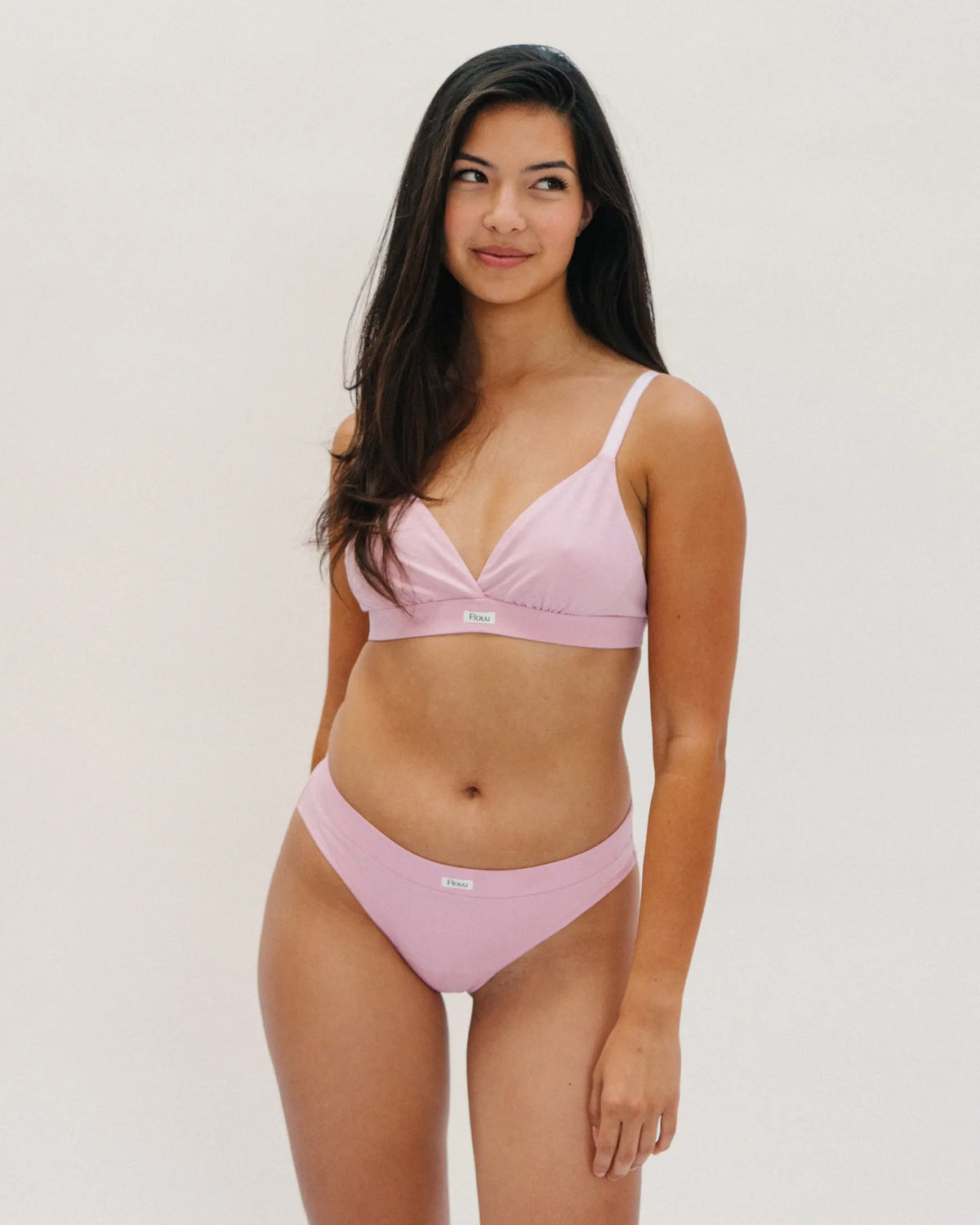
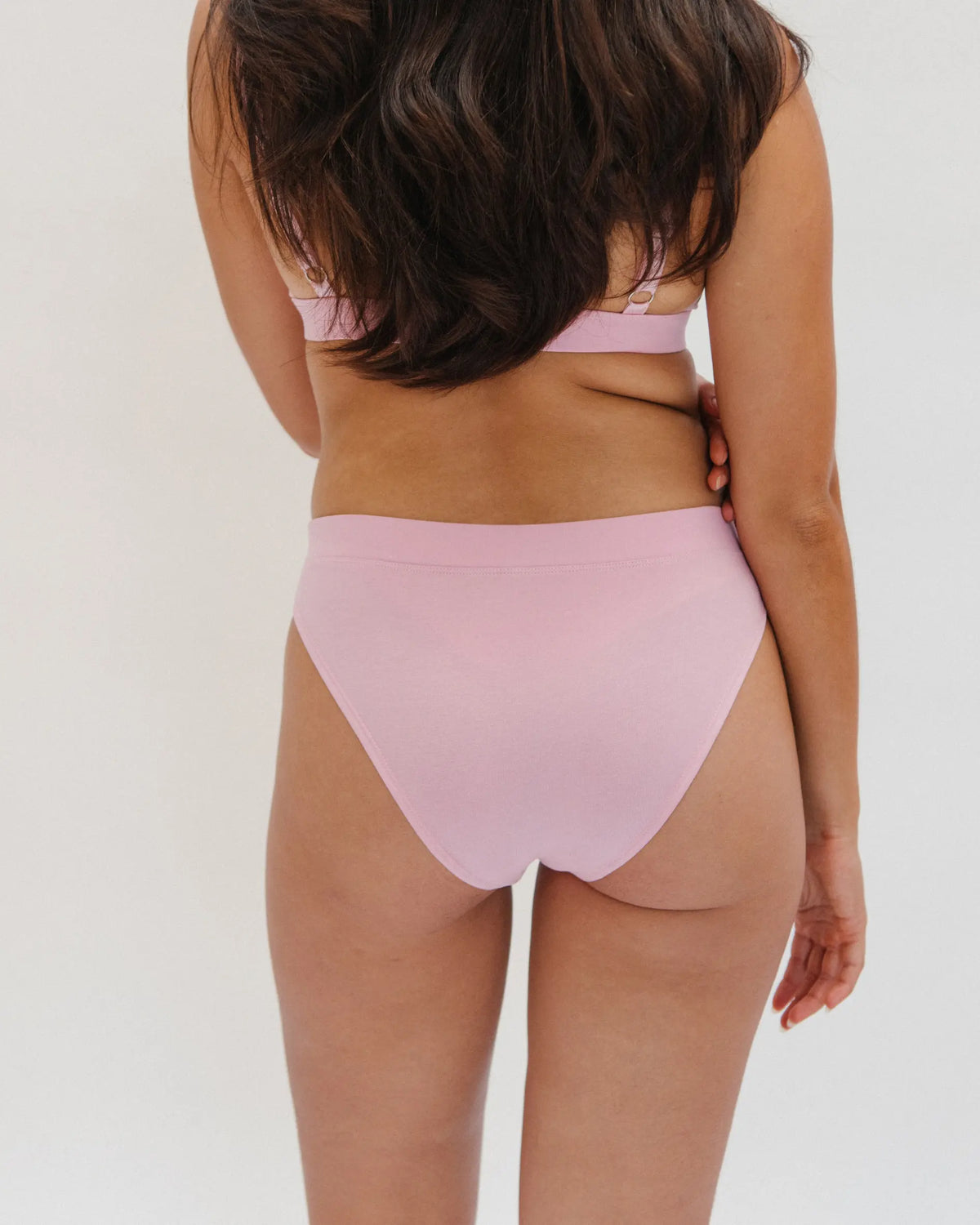
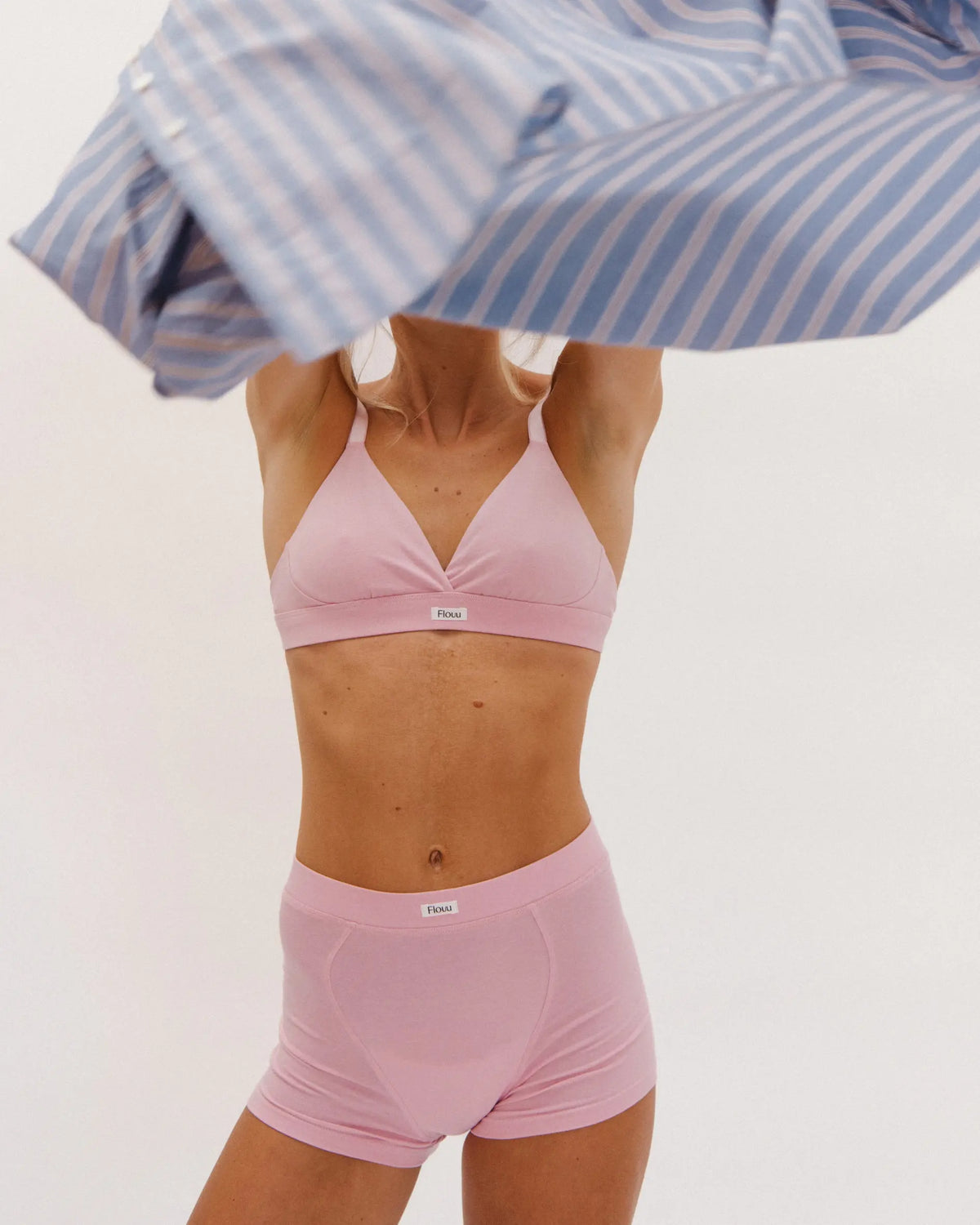
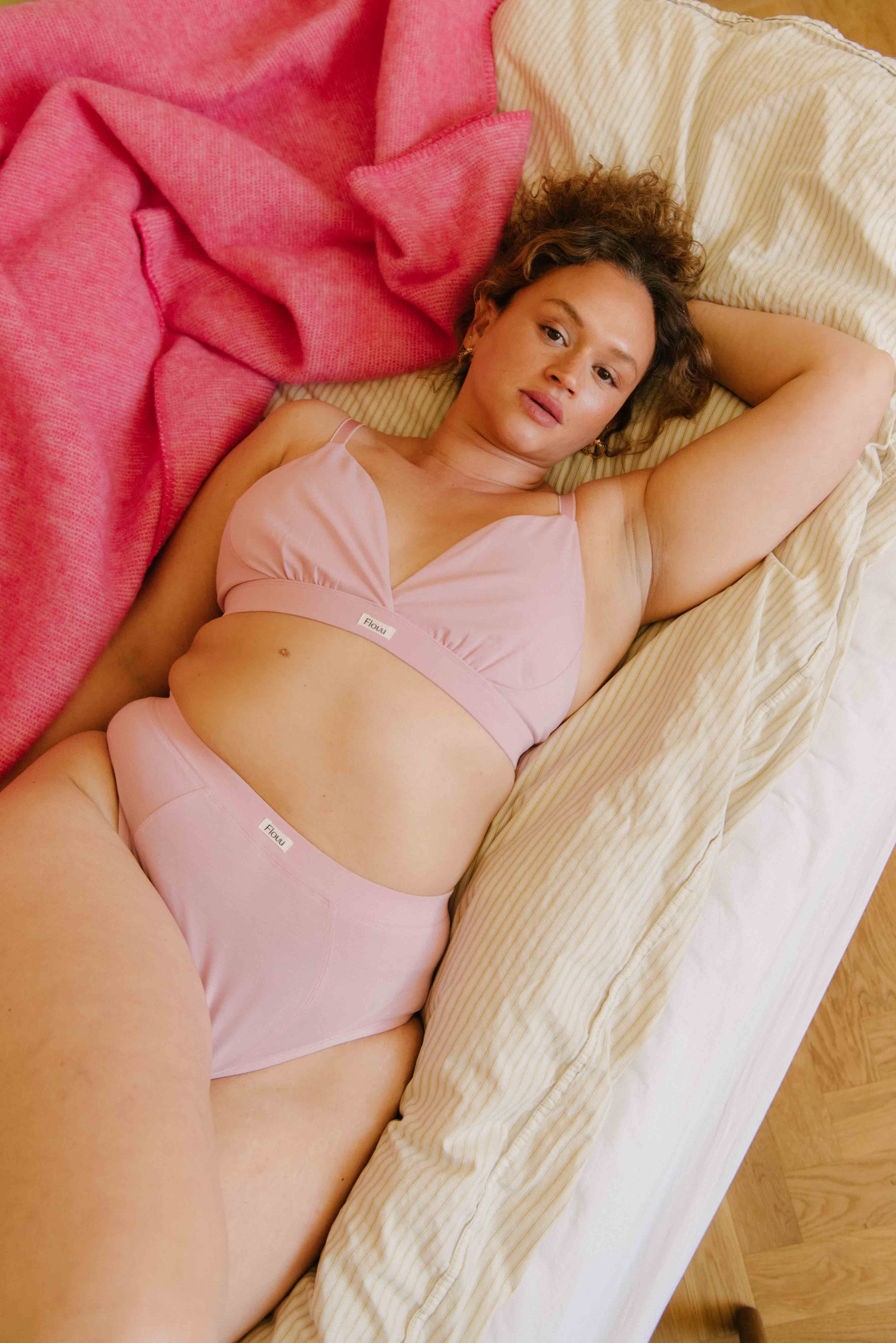
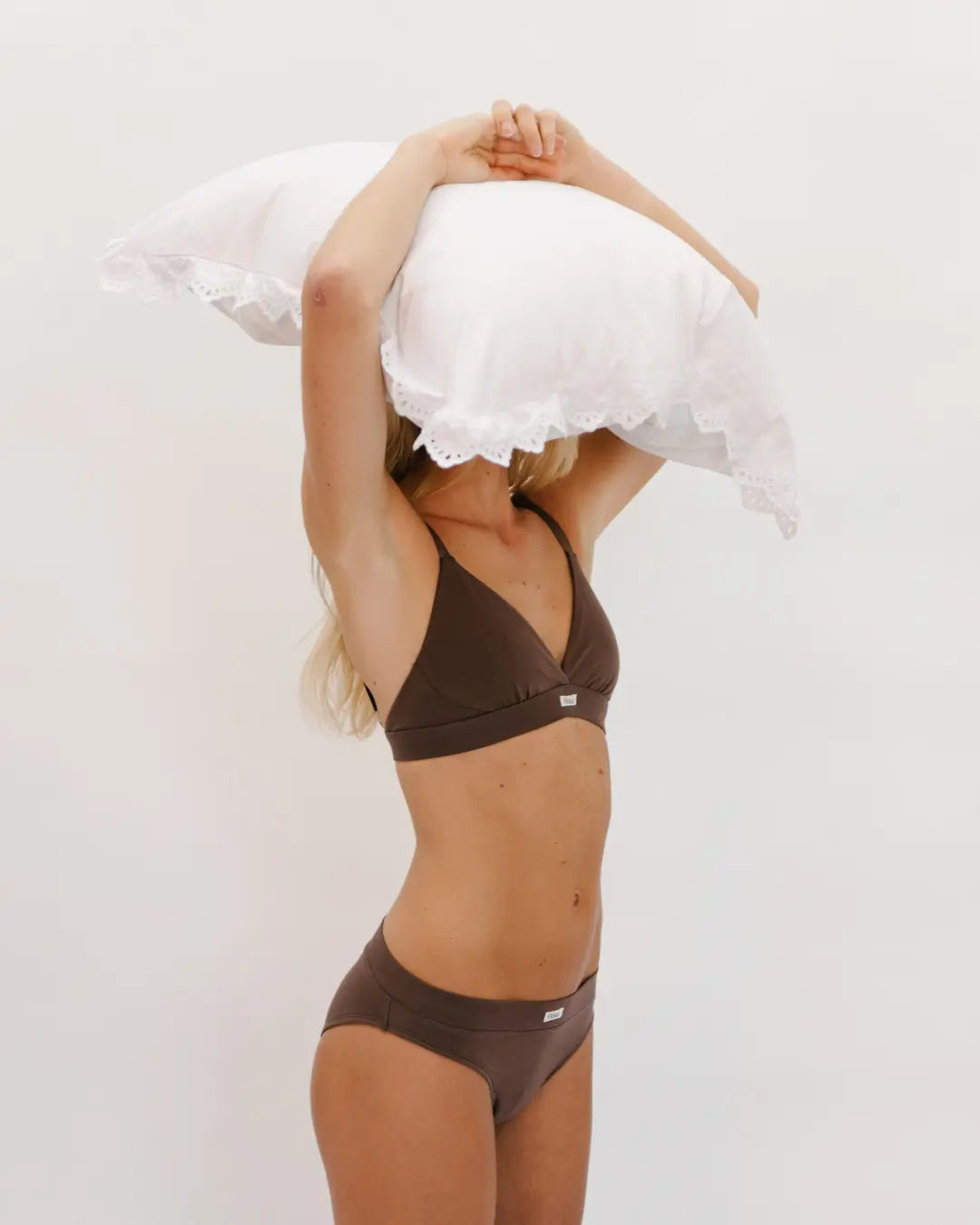
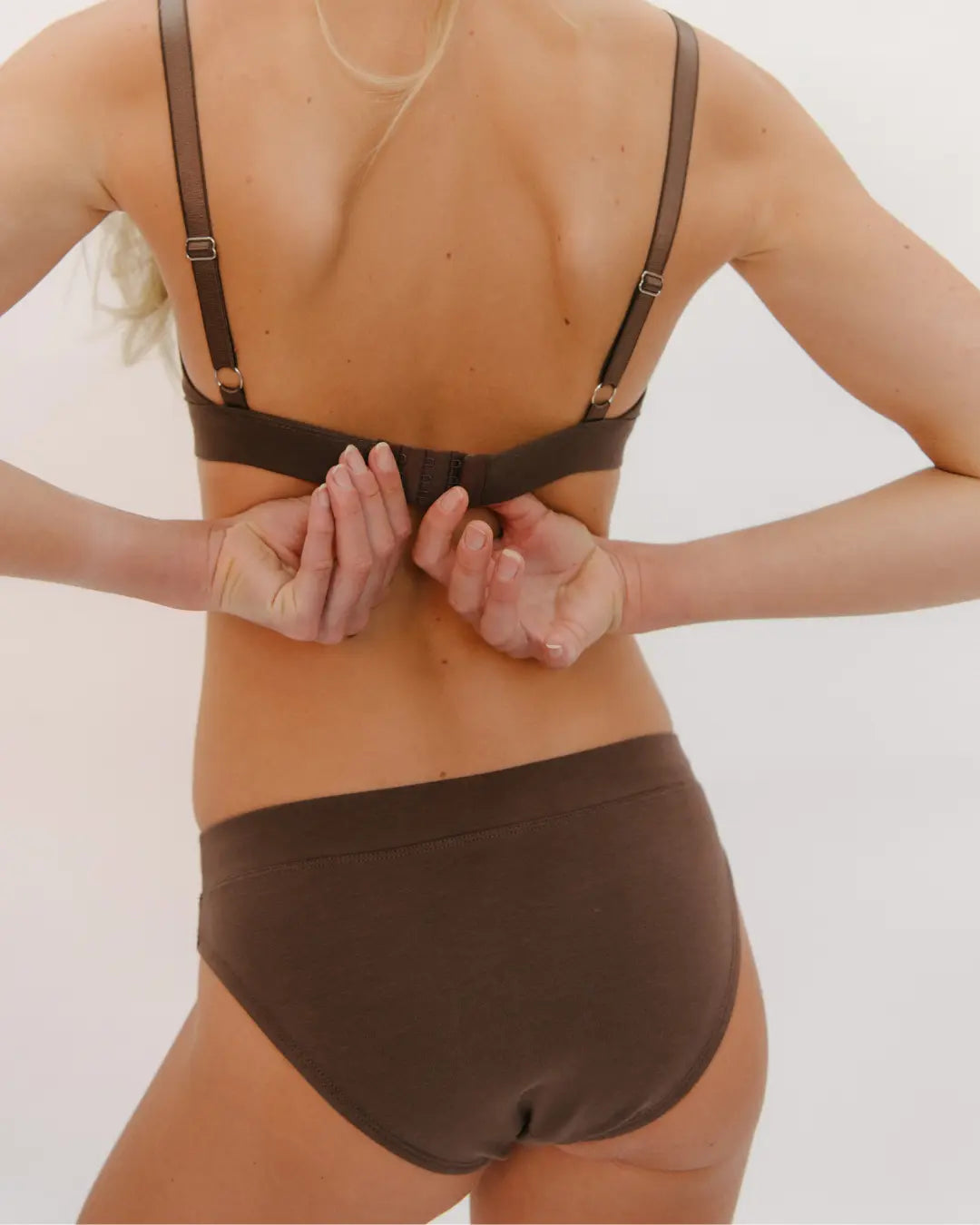
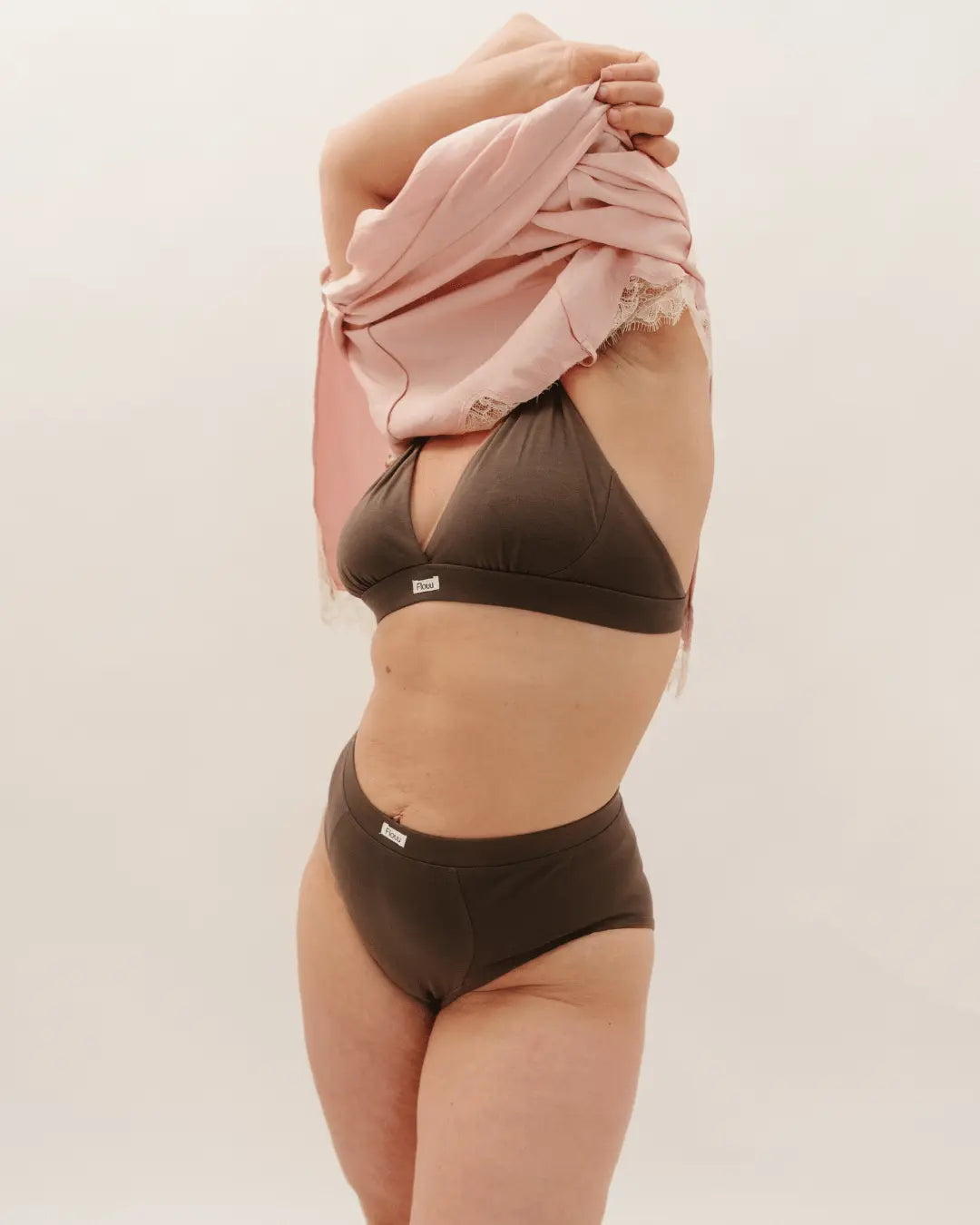
👉 Zien menstruatieondergoed voor tieners van flow hier.
Een nieuwe fase – niets gevaarlijks.
Je lichaam ondergaat een kleine upgrade. Er worden heel wat knoppen tegelijk ingedrukt. Misschien voelt het allemaal een beetje overweldigend? Misschien een beetje verwarrend?
Maar wat je nu meemaakt, is iets wat miljoenen mensen vóór jou hebben meegemaakt. Miljarden, om precies te zijn. Inclusief de mensen om je heen.
Je moeder. Je tante. Je tante. Je vriend(in). Je leraar(es). En langzaam, als je eenmaal gewend bent aan de nieuwe omgeving, zal alles wat meer vertrouwd aanvoelen en wat meer als jezelf. Je lichaam kan nu ineens een heleboel nieuwe dingen doen – eigenlijk best wel gaaf.
Als kleine tip raad ik je aan om goede boeken of films te zoeken over menstruatie Of de hormonale veranderingen die in het lichaam plaatsvinden. Het zouden de Disneyfilms Red of Deep Inside 2 kunnen zijn. Het zouden bijvoorbeeld ook de Mira-boeken of het boek Me - a Girl kunnen zijn.
👉 Bekijk hier onze kleine, zorgvuldig samengestelde selectie van goede boeken.
Kortom
Onthoud dat alles wat nieuw is, jouw menstruatie Fietsen is niet iets wat je hoeft te 'beheersen' of op een 'juiste' manier onder de knie te krijgen. Je leert je lichaam geleidelijk kennen.
Als volwassene die al bijna 27 jaar menstrueert, leer ik nog steeds nieuwe dingen over mijn lichaam en mijn cyclus. Die verandert periodiek gedurende je leven, en het beste wat je kunt doen is nieuwsgierig zijn - en als er iets in je lichaam niet goed voelt, moet je dat hardop zeggen.
Hartelijke groeten, Cathrine - oprichtster van flow en moeder van 2.
Heb je nog vragen over de eerste? menstruatieHier hebben we de meest gestelde vragen en antwoorden verzameld, zodat u zich veilig en goed voorbereid voelt.
Veelgestelde vragen: De eerste menstruatie (menarche)
Wanneer krijg je je eerste? menstruatie?
De meeste mensen krijgen hun eerste menstruatie Tussen de 10 en 15 jaar, met een gemiddelde van ongeveer 12 jaar. Het is volkomen normaal om zowel eerder als later te beginnen – het lichaam volgt zijn eigen tempo.
Wat zijn de tekenen dat de menstruatie eraan komt?
De meest voorkomende symptomen zijn:
- Afscheiding (wit of helder)
- Borstontwikkeling
- Haar onder de oksels en rond de geslachtsdelen
- Stemmingswisselingen
- Licht gerommel in de buik
De menstruatie begint vaak 6 tot 12 maanden nadat de afscheiding is begonnen.
Hoe voelt de eerste aan? menstruatie?
De eerste menstruatie is typisch:
- Laten
- Korte termijn
- Onregelmatig
De bloeding kan bruinachtig, roze of rood zijn en kan soms onverwacht optreden.
Is het normaal dat de menstruatie in het begin onregelmatig is?
Ja. Het is volkomen normaal dat de menstruatie de eerste 1-2 jaar onregelmatig is.
Het lichaam moet nog zijn ritme vinden, en er kunnen zowel korte als lange periodes tussen de bloedingen zitten.
Heb je vanaf het begin een eisprong?
Niet per se. In eerste instantie veel menstruatie Zonder ovulatie. Het is een natuurlijk onderdeel van de lichamelijke ontwikkeling en wordt na verloop van tijd regelmatiger.
Welke producten zijn het meest geschikt voor de eerste keer? menstruatie?
De meeste mensen beginnen met:
- Binden
- menstruatieondergoed
menstruatieondergoed is voor velen de eenvoudigste oplossing omdat ze:
- hoeft niet in het lichaam te worden gebracht.
- Voelt als gewoon ondergoed
- Biedt de hele dag door beveiliging.
👉 Zien menstruatieondergoed voor tieners van flow hier
Kun je naar school gaan én sporten? menstruatie?
Ja, absoluut. Je kunt alles gewoon blijven doen – naar school gaan, sporten en met vrienden afspreken. Als je wilt, kun je je energie en energieniveau voelen. Met de juiste producten kun je dat voelen. menstruatie Voor velen is het een normaal onderdeel van het dagelijks leven.
Doen menstruatie pijn doen?
Sommige mensen ervaren lichte pijn of gerommel in de maag, terwijl anderen er nauwelijks iets van voelen. Beide zijn normaal. Als de pijn erg hevig is, moet u dit aan een volwassene vertellen, zodat u het met uw arts kunt bespreken.
👉 In dit artikel hebben we 5 goede manieren verzameld om menstruatiepijn te verminderen.
Wat doe je als je ongesteld wordt terwijl je op school bent?
Het overkomt veel mensen – en dat is oké. Je kunt:
- Gebruik tijdelijk toiletpapier.
- Vraag een leraar of vriend om hulp.
- Heb je extra ondergoed of menstruatieondergoed in de tas, alvast klaar
Het belangrijkste is: je bent niet de enige bij wie dit gebeurt.
Zou je er met iemand over moeten praten?
Ja, dat kan een groot verschil maken. Het zou bijvoorbeeld kunnen zijn:
- een ouder
- in ven
- een leraar
- een andere volwassene die je vertrouwt
Je hoeft het niet allemaal zelf uit te zoeken.