6 tekens in eerste instantie menstruatieHoe weet je dat het eraan komt?
Merk je al dat je lichaam is veranderd?
Meestal merk je vanaf 9-10 jaar dat je lichaam langzaam begint te veranderen. In het begin zijn het kleine dingen, misschien wat dons op je lichaam. Een klein puistje. Plotseling merk je dat je borst ongelooflijk gevoelig is.
Je lichaam ondergaat nu veranderingen. Dat komt door de hormonen in je lichaam die hard aan het werk zijn geweest om jou en je lichaam klaar te maken voor de volgende levensfase.
Niet echt een volwassene. Niet echt een kind. En dat kan soms lastig zijn. Maar gelukkig is het een onderwerp waar we veel mee te maken hebben. We hebben eerder al geschreven over de menarche zelf, het woord voor de allereerste menstruatie. menstruatie - wat er daadwerkelijk in het lichaam gebeurt.
In dit artikel geven we je de tools om de kleine signalen die erop wijzen dat je binnenkort je eerste kindje krijgt, beter te herkennen. menstruatieJa. Je lichaam geeft je namelijk best wel nuttige signalen, die we je nu gaan helpen ontcijferen.
Het herkennen van de signalen kan een enorm verschil maken – zowel voor jou, die alles wat nieuw is opmerkt, als voor ouders die hun kind op een veilige en natuurlijke manier willen ondersteunen.
Artikel geschreven door Cathrine Widunok Wichmand

Wanneer krijg je je eerste? menstruatie?
Velen krijgen hun menstruatiewanneer ze tussen 10 en 15 jaarMaar er is veel variatie – en alles binnen dat bereik is volkomen normaal.
Je weet niet precies wanneer het komt. Maar als je goed op je lichaam let, zul je signalen krijgen dat het eraan komt, en als je die signalen herkent, voel je je waarschijnlijk beter geleid en voorbereid op wat je lichaam daadwerkelijk doormaakt.
De eerste tekenen van menstruatie
Wil je nog meer weten over wat er zich precies in het lichaam afspeelt? toen de eerste menstruatie Kom, we hebben hier een goed artikel voor je geschreven.
Hieronder vind je de zes meest voorkomende tekenen dat je menstruatie eraan komt:
1. Ontlading – het allereerste signaal
Afscheiding is vaak een van de allereerste tekenen, meestal nadat de borsten zich beginnen te ontwikkelen.
Het zou kunnen zijn:
- wit, gelig of transparant
- dun of licht romig
Dit betekent dat je lichaam hormonale veranderingen doormaakt. Je afscheiding is een fantastisch 'statusrapport' van je lichaam, dat je vertelt of alles in orde is en of je op eventuele onevenwichtigheden moet letten.
Afscheiding verschijnt als een klein wit vlekje in je slipje, en dat is niet vies. Het is niet onhygiënisch. Het is volkomen normaal.
👉 Menstruatie komt doorgaans 6–12 maanden daarnadat de ontlading begint.
2. De borsten beginnen te groeien
Borstontwikkeling is een duidelijk teken dat de puberteit is begonnen. Je hebt misschien al gemerkt dat je twee bultjes op de voorkant van je borst hebt. Ooit zullen dat borsten worden.
Maar jee, wat kunnen ze pijnlijk zijn. Misschien ben je wel eens geraakt door een bal op het schoolplein of heb je je over een tafel gebogen. Gelukkig gaat het over. Maar er zijn veel mensen die maandelijks last hebben van spanningen die tot wel 100 graden Celsius kunnen aanhouden. menstruatie in hun borsten - een teken dat de eerste menstruatie eraan komt.
De menstruatie komt vaak voor:
- ongeveer 1,5–2 jaar daarnadat de borsten zich beginnen te ontwikkelen
3. Haargroei op het lichaam
Ja. Je krijgt lichaamshaar. Dat is niet walgelijk. Ook niet beschamend. Niet gênant. Elke keer dat je zo'n houding tegenkomt, weerspiegelt dat meer de cultuur dan de werkelijkheid. En in de cultuur veranderen de mode. In sommige decennia moet je het gewoon laten zitten. In andere decennia was het 'slim' om het te trimmen.
Gelukkig is dit iets wat alleen jij kunt beslissen. Maar hoe dan ook, er zal haar gaan groeien:
- onder de armen
- rond het genitale gebied
Maar ook meer op de armen, benen en rug. Het haar is er eigenlijk om ons te beschermen. Tegen de zon, tegen vuil, tegen de kou.
En als we het over het genitale gebied hebben: het is volkomen normaal om schaamhaar te hebben op de dijen, tussen de billen en op de schaamlippen. Het helpt zelfs om het gebied te beschermen door stof en dergelijke op te vangen, die anders niet in de vagina terecht zouden komen.
Haargroei is een volkomen natuurlijk onderdeel van de lichaamsontwikkeling.
4. Stemmingswisselingen en emoties
Dit is een van de lastigere gevallen. De veranderingen in je stemming kunnen namelijk sluipend optreden. In tegenstelling tot haargroei en menstruatiebloed, kunnen veranderingen in je stemming, energie en emoties subtieler verlopen – zonder fysieke veranderingen.
Veel ervaringen:
- Snelle stemmingswisselingen - het ene moment vrolijk en opgewekt, het volgende moment moe en boos.
- Prikkelbaarheid - je merkt misschien dat je snel geïrriteerd raakt door kleine dingen.
- verhoogde gevoeligheid - ineens begin je gewoon te huilen
Dit komt door hormonale veranderingen – je hersenen worden sterk beïnvloed door je hormonen, en die hormonen veroorzaken al deze veranderingen. Het is volkomen normaal – en als je leert luisteren naar de behoeften van je lichaam, wordt het zelfs een heel goede leidraad om je eigen grenzen te voelen. Plotseling is het makkelijker om voor jezelf op te komen.
Het is allemaal een stap op weg naar volwassenheid.
5. Buikpijn of "gerommel" in de onderbuik
Een concreet bord dat menstruatie staat absoluut hoog op de lijst:
- pijn verlichten
- een drukkend of kloppend gevoel
Het zou kunnen dat het lichaam zich voorbereidt op menstruatieDit is doorgaans een teken dat zich vlak voor de eerste dag van de bloeding voordoet.
6. Veranderingen in energie en vermoeidheid
Net zoals je stemming wordt beïnvloed door hormonen, geldt dat ook voor je lichaam en energieniveau. Het hoort bij een cyclisch lichaam. En dat ervaar je tijdens je menstruatie.
Je zult binnenkort een bloedingsfase, een folliculaire fase, een ovulatiefase en een luteale fase doormaken. En in elke fase vinden grote hormonale veranderingen plaats. Vooral in de luteale fase, die doorgaans 10-14 dagen voor je menstruatie begint. menstruatie, en dan zijn er nog volkomen natuurlijke tekenen:
- vermoeider dan normaal
- een beetje "vreemd" in het lichaam
Hormonen spelen hier ook een rol.
Hoe voelt de eerste aan? menstruatie?
Het zal waarschijnlijk veel van je gedachten in beslag nemen. Hoe zal het eigenlijk voelen? De eerste menstruatie Het is zelden ernstig, noch qua bloeding, noch qua pijn.
Vaak is het zo:
- laten
- onregelmatig (misschien bloed je een dag, dan een pauze, en dan bloed je weer)
- kaart
De bloeding kan de volgende vormen aannemen:
- roze, rood of bruinachtig
Het kan zomaar ineens gebeuren – bijvoorbeeld op school of thuis. Het is een goed idee om een klein menstruatiesetje in je tas te hebben, zodat je voorbereid bent als het zover is. Dan hoef je je daar in ieder geval geen zorgen meer over te maken.
Hoe je je kunt voorbereiden
Voorbereid zijn betekent niet dat je op je hoede moet zijn, maar dat je je veilig voelt. Dat is belangrijk, want bloeden is iets nieuws waar je aan moet wennen. Het vereist veiligheid.
Handige dingen om bij de hand te hebben:
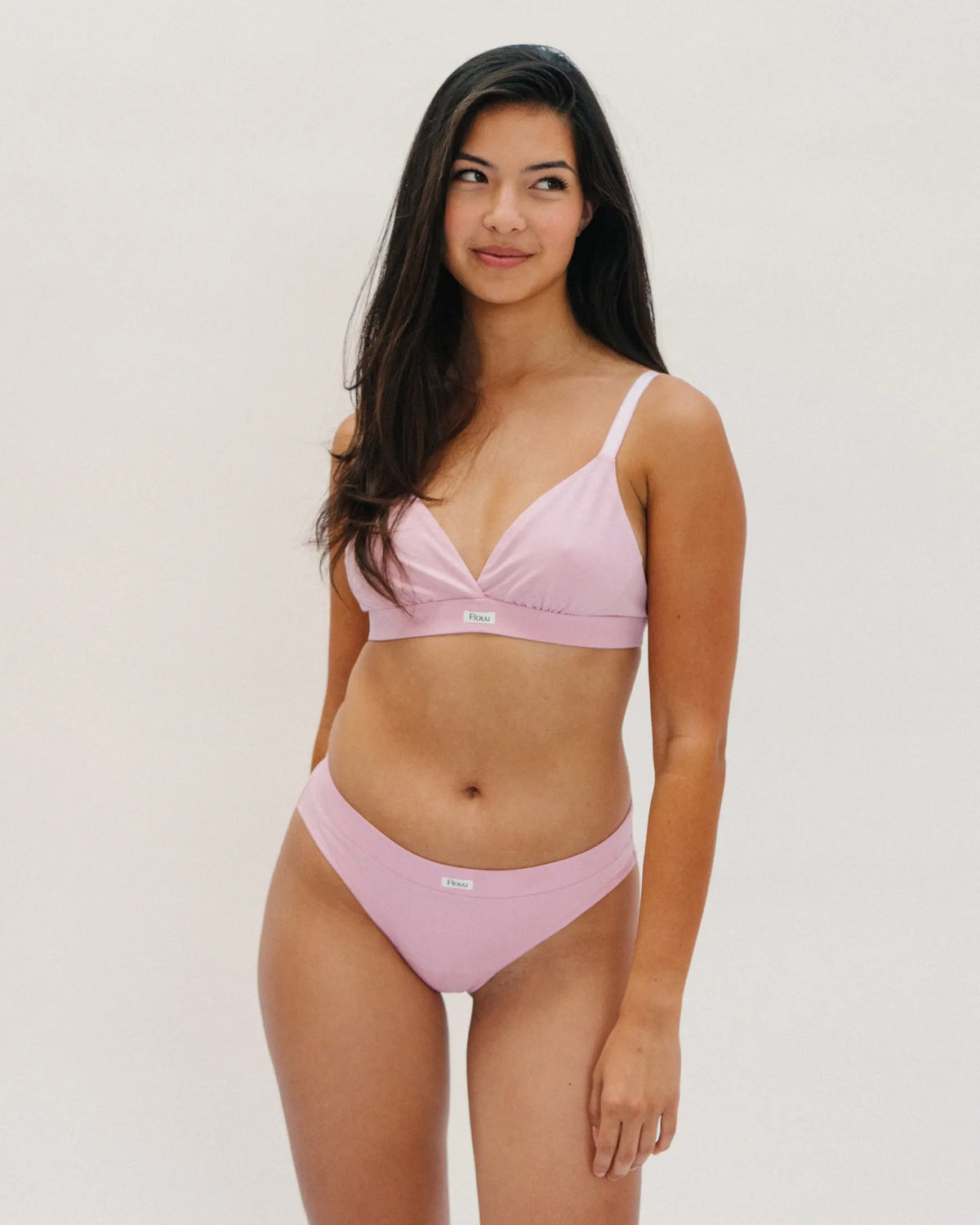
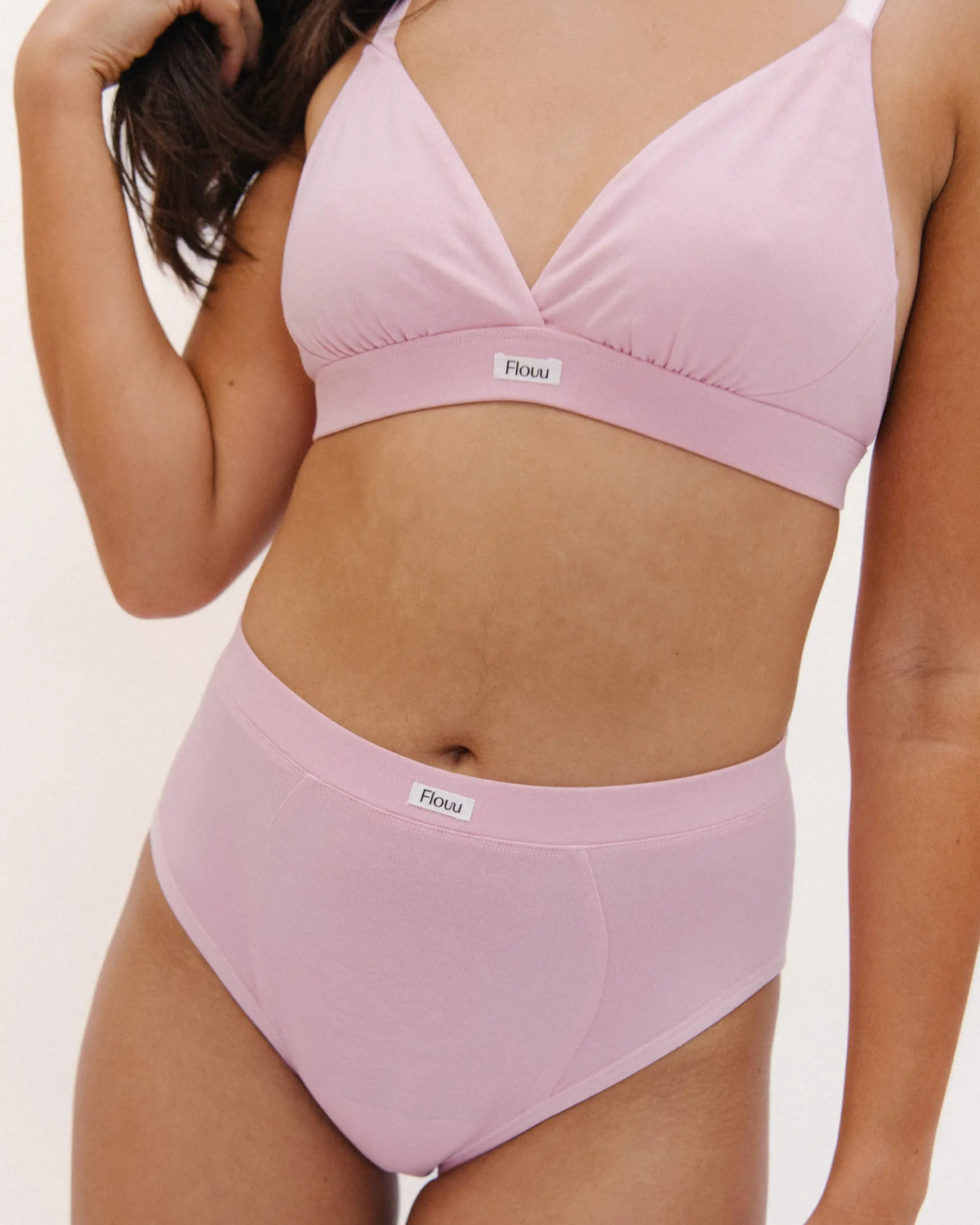
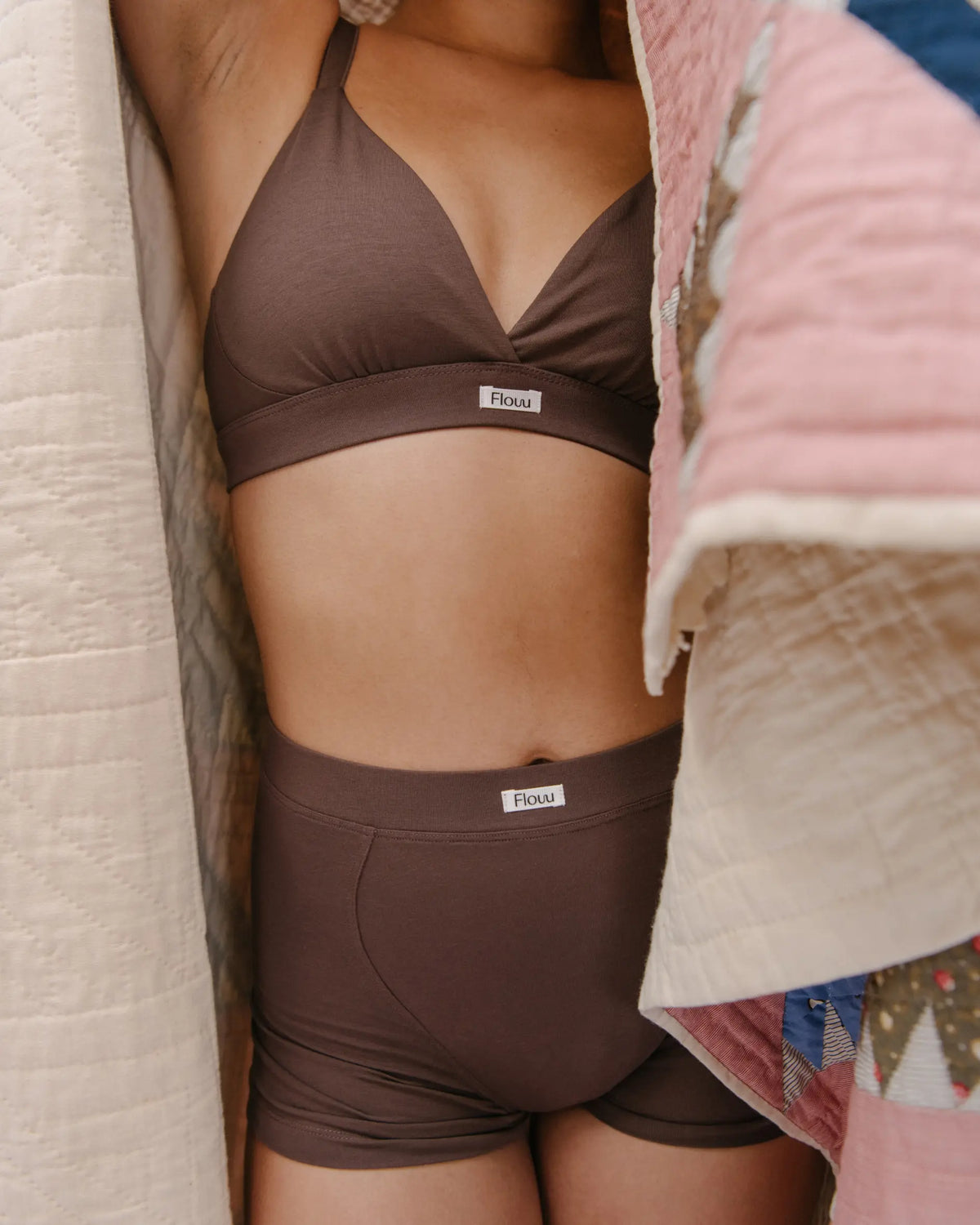
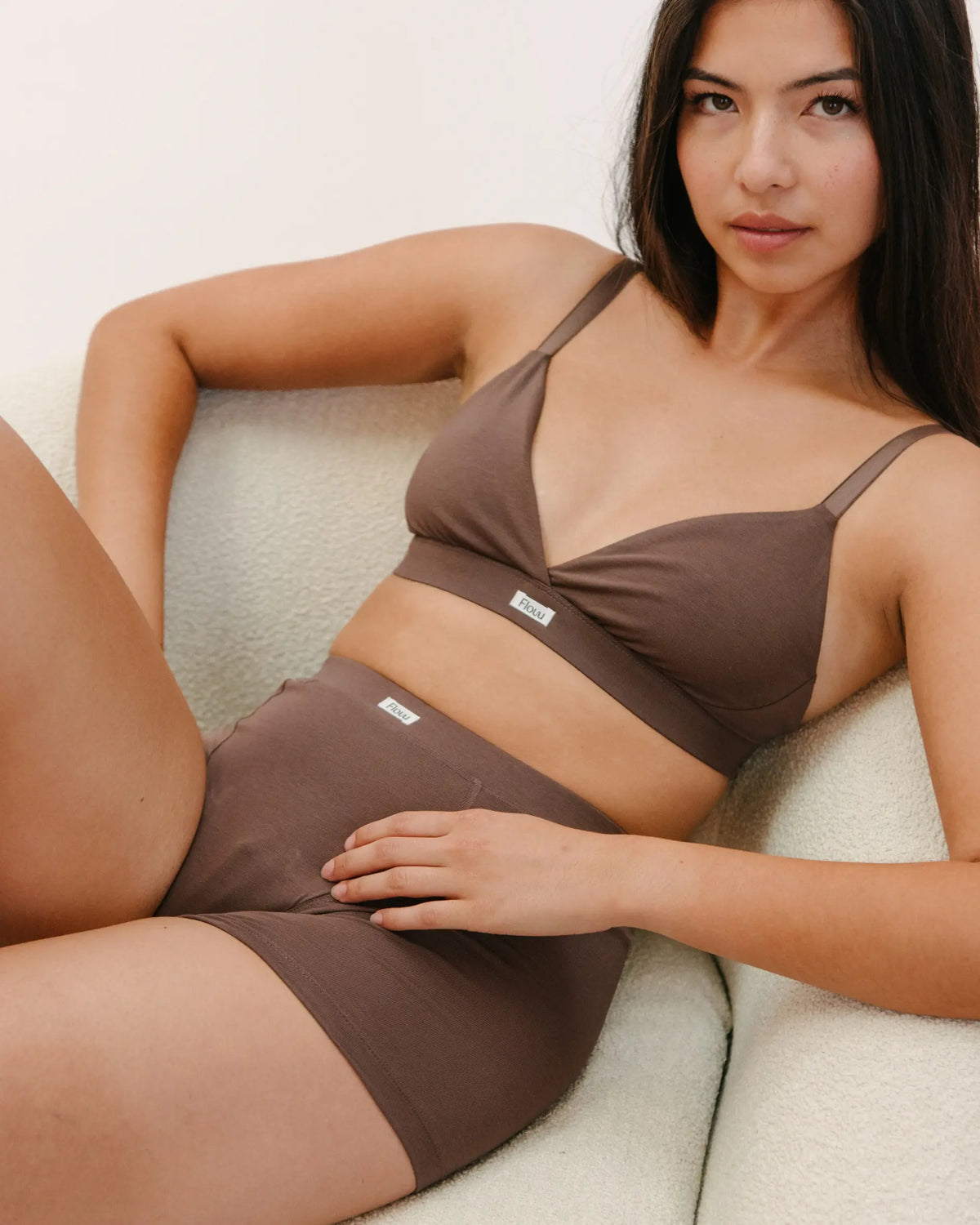
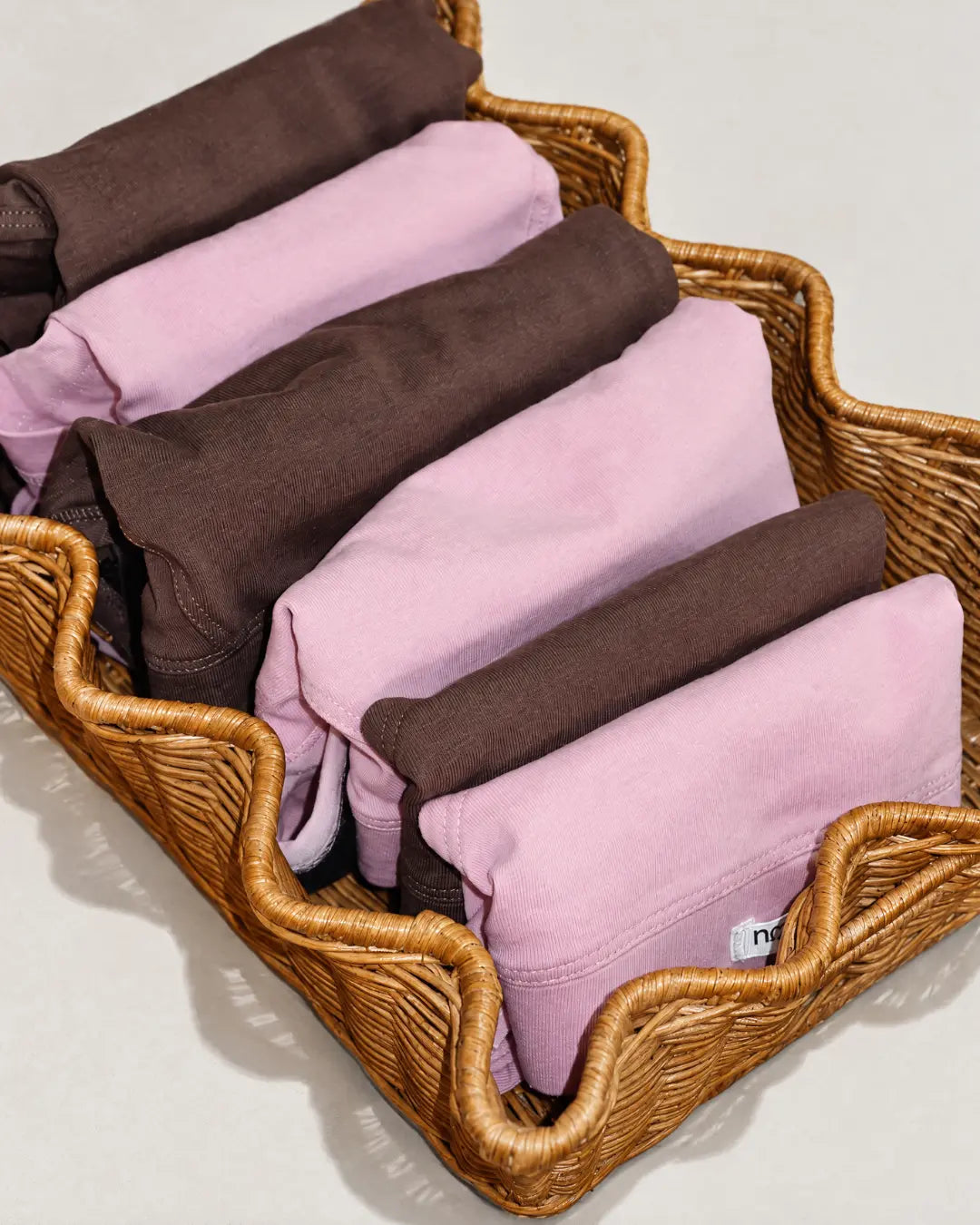
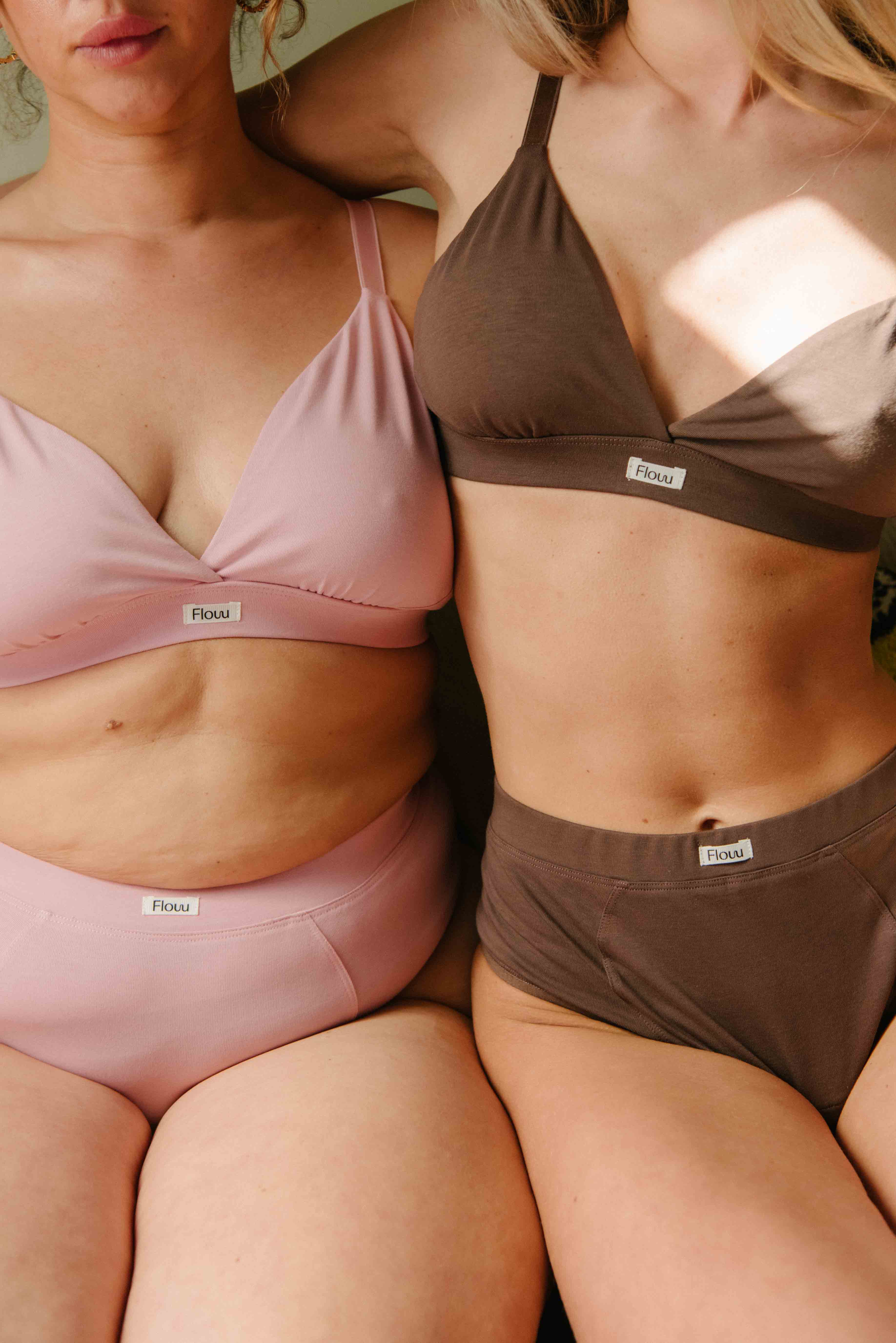
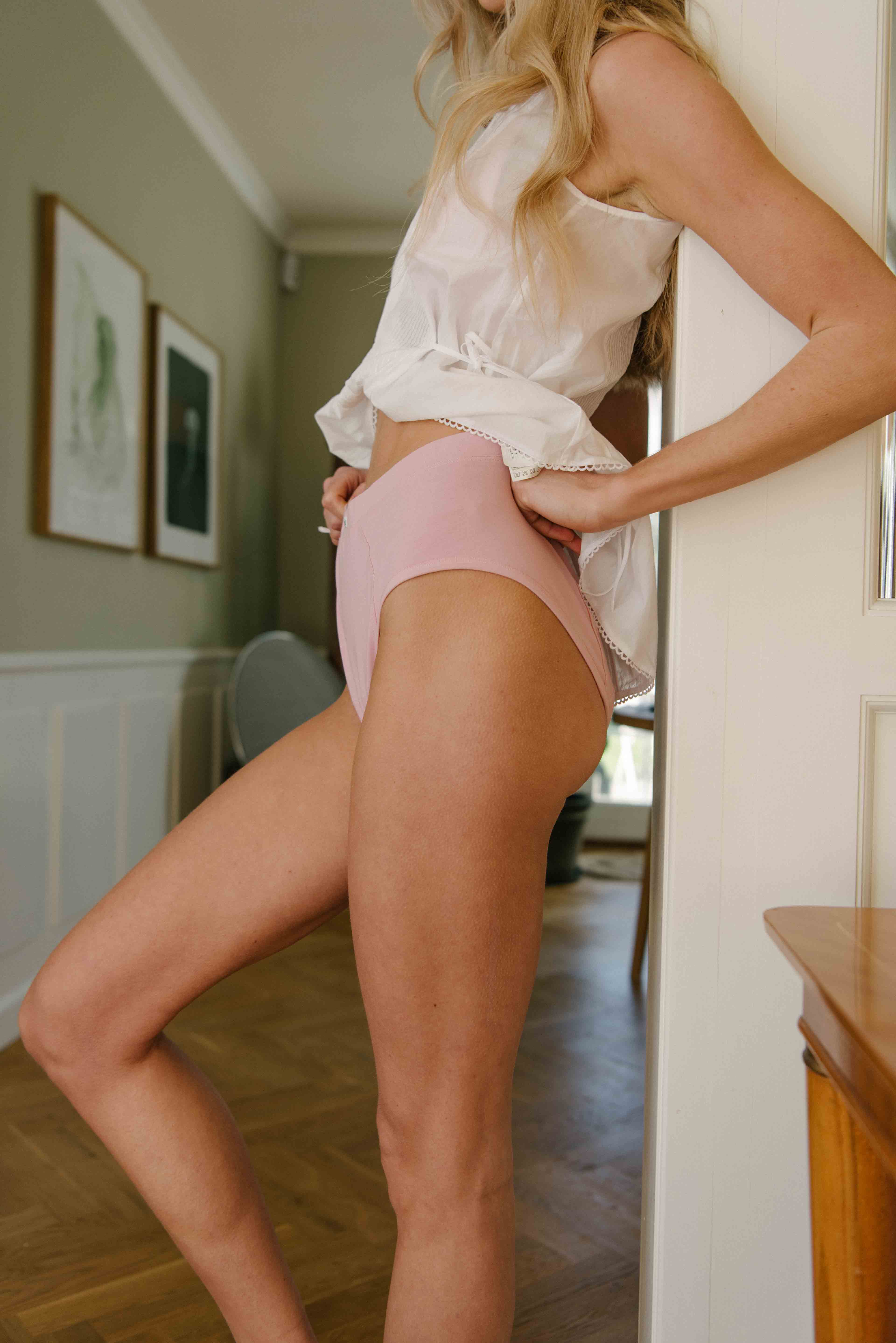
- menstruatieondergoed
- Binden
- Extra ondergoed in de tas
Er zijn er te veel. menstruatieondergoed De gemakkelijkste start omdat:
- Ze vereisen geen actieve handelingen van je.
- Ze voelen aan als gewoon ondergoed.
- Ze zorgen de hele dag voor beveiliging.
👉 Je kunt veel meer lezen over menstruatieondergoed Voor kinderen en tieners.
Ouders: hoe doe je het veilig en natuurlijk?
Als je ouder of verzorger bent van iemand die op het punt staat te menstrueren, is jouw aanpak van cruciaal belang voor je kind. Daarom geven we je hier drie adviezen:
- Praat over menstruatievoordat het komt (heb je het zelf niet al?) menstruatie(Wees dus nieuwsgierig naar alles wat nieuw is samen met je kind.)
- Gebruik een rustige en natuurlijke taal.
- Vermijd dat het dramatisch of gênant wordt.
Je hoeft niet alle antwoorden te hebben – het belangrijkste is dat er ruimte is voor vragen.
Wanneer moet je reageren?
Ben je bezorgd dat er iets mis is? Misschien heb je erg hevige menstruatiekrampen, of misschien wacht je nog steeds op je menstruatie.Het is wellicht verstandig om met een arts te praten als:
- Na mijn vijftiende heb ik geen menstruatie meer gehad.
- Er is zeer hevige pijn.
- of er voelt iets 'niet goed' aan
Als je het gevoel hebt dat je niet serieus genomen wordt of als je je na het gesprek met je arts nog steeds zorgen maakt, ga dan vooral door – praat met een volwassene. Helaas moet je als vrouw soms meteen actie ondernemen om serieus genomen te worden.
Kortom
Hieronder vindt u een korte opsomming van alle kleine signalen waar u op kunt letten tijdens het wachten op uw menstruatie:
- afvoer
- borstontwikkeling
- haargroei
- stemmingswisselingen
- pijn verlichten
Als je de signalen herkent, voelt het misschien wat minder onvoorspelbaar – en een stuk veiliger. En onthoud: elke vrouw vóór jou heeft er een gehad. menstruatieEr zijn veel mensen aan wie je advies kunt vragen. En gelukkig zijn er tegenwoordig veel meer soorten menstruatieproducten op de markt dan toen je moeder een kind was, dus er is vast ook wel een goede oplossing voor jou.