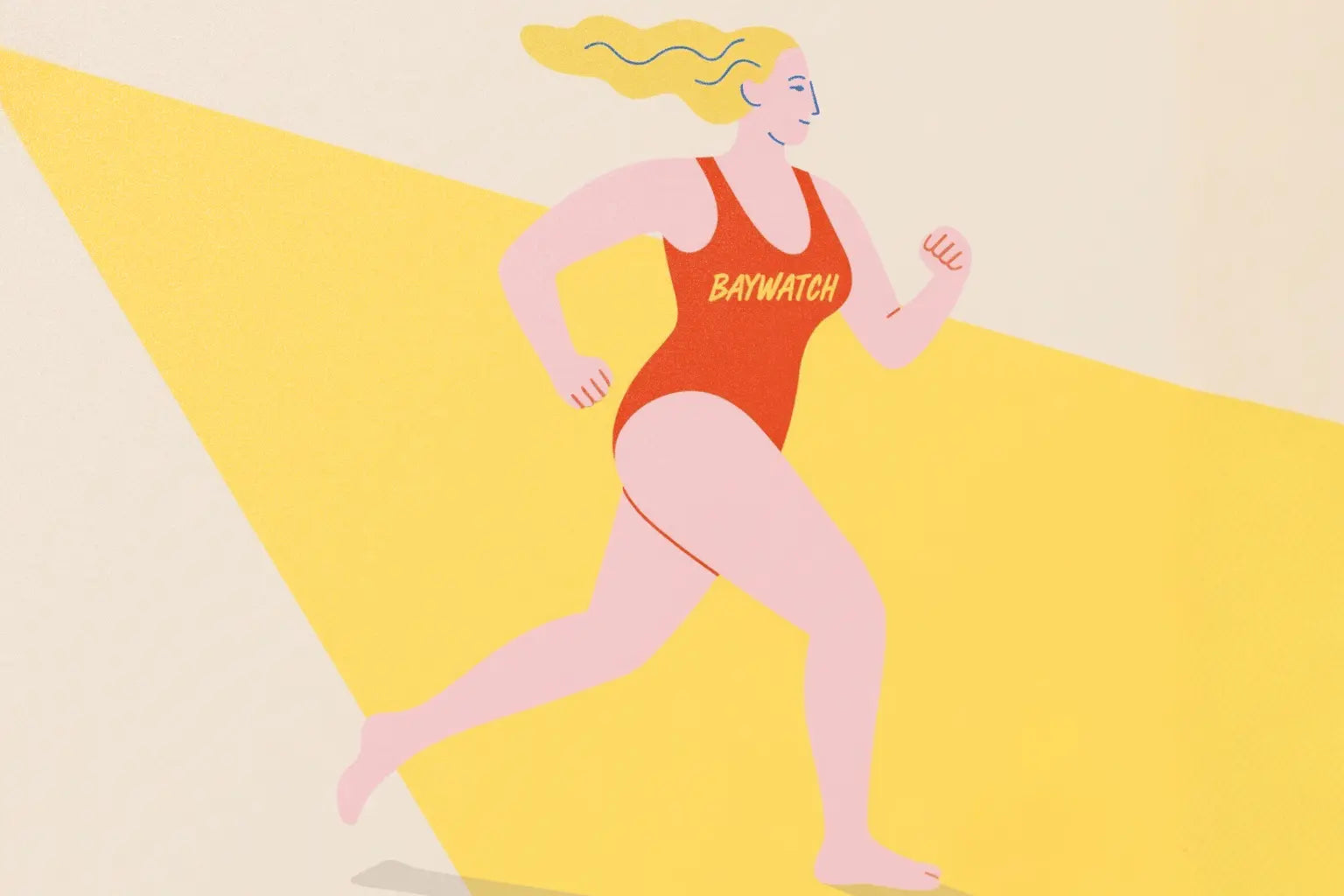

Sport und Menstruation: Kann man während der Periode Sport treiben?
Als ich und die anderen Mädchen in meiner Klasse in der Grundschule unsere erste Menstruation bekamen, sprachen wir nicht darüber. Es gab keine Gespräche unter Mädchen auf dem Schulhof, keinen Austausch von Erfahrungen mit der nächsten, die ebenfalls mit einer beginnenden Gebärmutter in die Schule kam.
Außer während des Sportunterrichts.
Jeden Donnerstag, wenn im Sportunterricht Doppelstunden anstanden, organisierten die Mädchen meiner Klasse plötzlich einen gemeinsamen Streik, um dem Unterricht fernzubleiben. Wir mussten den Lehrern nur sagen, dass wir unsere Periode hatten.
Und es hat jedes Mal funktioniert.
Bis heute treffe ich immer wieder menstruierende Frauen, die während ihrer Periode auf Sport verzichten. Manche, weil sie es schlichtweg nicht können. Andere, weil sie befürchten, dass es mehr schadet als nützt, wenn sie während ihrer Periode Sport treiben und ihren Puls in die Höhe treiben.
In diesem Artikel gehen wir der Annahme nach, dass körperliche Aktivität während der Menstruation eine schlechte Idee sei, und geben Ihnen konkrete Tipps und Tricks für sportliche Betätigung, die auf Ihrem Menstruationszyklus basieren.
Spoilerwarnung: Sie müssen Ihre Fitnessmitgliedschaft nicht kündigen.
Autorin: Emma Libner, Autorin, Aktivistin für die Rechte der Vagina und Sexualwissenschaftlerin

Die kurze Antwort: Kann man während der Periode Sport treiben? Oder sollte man eine Pause einlegen?
Ja, du kannst auch während deiner Periode Sport treiben. Sport kann sogar Menstruationsbeschwerden lindern, deine Stimmung verbessern und dein Energieniveau steigern. Wichtig ist nur, dass du die Intensität an deinen Körper und dein Energielevel anpasst.
Körperliche Aktivität setzt Endorphine frei, die als körpereigene Schmerzmittel wirken. Das bedeutet jedoch nicht, dass jede Frau ihre Periode gleich erlebt. Manche fühlen sich energiegeladen und bereit für Sport, während andere mehr Ruhe brauchen.
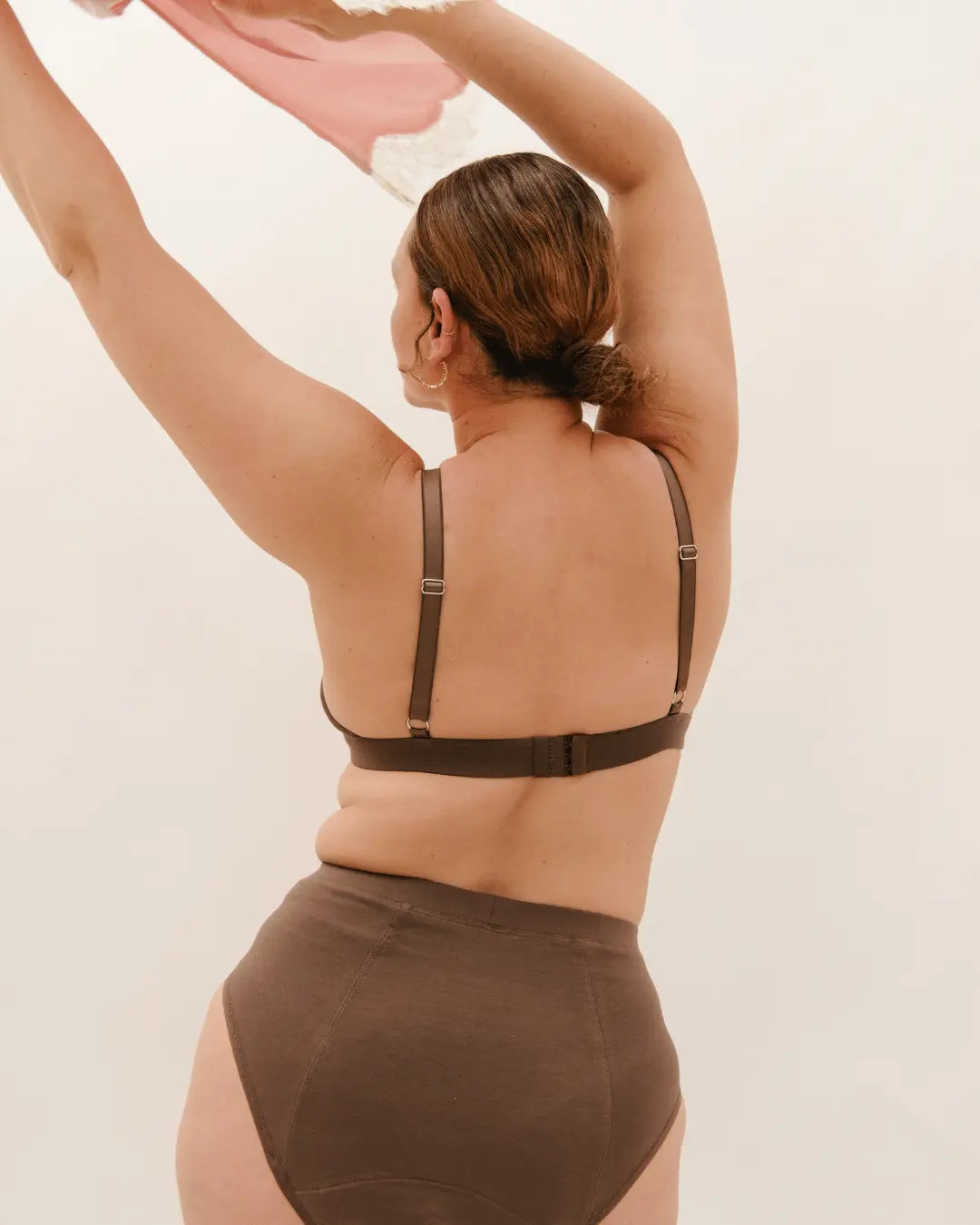
Das Wichtigste ist daher, Passe dein Training an deinen Körper und dein Energieniveau an.Die Und denk daran, deine Menstruationsunterwäsche zum Training mitzubringen.
Vorteile von Sport während der Menstruation
Wir können damit beginnen, alle Vorteile des Menstruationstrainings während der Periode aufzulisten. Hier sind alle positiven Effekte:
-
kann Menstruationskrämpfe lindern (Finden Sie fünf natürliche Wege, um Menstruationsschmerzen zu lindern)
-
kann die Stimmung durch Endorphine verbessern (PMS ade!)
-
kann Stress und Anspannung reduzieren
-
kann die Durchblutung steigern (wie Sex während der Menstruation)
-
kann tagsüber mehr Energie liefern.
Es ist jedoch wichtig zu bedenken, dass die Erfahrung von Person zu Person unterschiedlich sein kann.
Der Mythos über Frauen und körperliche Anstrengung
Ruhekuren und Hysterie: Die Geschichte hinter dem Mythos
Dass Bewegung gesund ist, ist kein Geheimnis. Darüber sind sich Fachleute verschiedenster Disziplinen einig.
Das war jedoch nicht immer so.
Im 19. Jahrhundert glaubte man beispielsweise, dass Frauen, die zu viel Energie verbrauchten, eher zu Hysterie neigten. Man ging davon aus, dass zu viel körperliche Aktivität die Eierstöcke reizen könnte, deren einziger Zweck die Fortpflanzung war.
Wenn das passierte, so die Befürchtung, könnten Frauen krank werden – sowohl körperlich als auch seelisch.
Um die sogenannte Hysterie zu behandeln, verschrieben Ärzte daher Medikamente. Ruhe heilt für Frauen aus wohlhabenden Familien.
Bei einer typischen Bettruhebehandlung durfte die Patientin ihr Bett bis zu sechs Wochen lang nicht verlassen – außer zum Zähneputzen.
Man befürchtete schlichtweg, dass jede körperliche Anstrengung den „schwachen“ weiblichen Körper zusätzlich belasten könnte.
Zum Glück denken Ärzte heute nicht mehr so.
Sport während der Menstruation
Zum Glück verschreiben Ärzte heutzutage keine strengen Ruhezeiten mehr für Frauen.
Dennoch hält sich hartnäckig der Mythos, dass menstruierende Frauen auf das Training verzichten und trotzdem gesund bleiben sollten. Aber wir sind bereit, damit aufzuräumen.
👉 Lesen Sie hier 5 weitere Mythen über die Menstruation.
Deine Periode kann dein Energieniveau beeinflussen.
Es stimmt, dass viele Frauen zu Beginn ihrer Menstruation weniger Energie verspüren.
Die Statistiken bestätigen dies ebenfalls.
Eine Studie aus dem Jahr 2021 über Elite-Fußballspielerinnen berichtete:
-
87% verminderte Leistungsfähigkeit während der Menstruation
-
66 % langsamere Reaktionszeit
Auch wenn die Menstruation den Energiepegel und die Leistungsfähigkeit beeinträchtigen kann, heißt das nicht, dass menstruierende Frauen keinen Sport treiben können.
Man denke nur an Serena Williams, die gewonnen hat 23 Grand-Slam-Titel, obwohl sie seit vielen Jahren mit menstruationsbedingten Migräneanfällen zu kämpfen hat.
Dies zeigt, dass Menstruation und Sport problemlos miteinander vereinbar sind.
Warum Sport während der Menstruation tatsächlich helfen kann
Es gibt mehrere Gründe, warum Bewegung sinnvoll sein kann – selbst während einer Blutung. Körperliche Aktivität kann unter anderem Folgendes bewirken:
-
die Produktion von Endorphinen (den körpereigenen Schmerzmitteln) steigern
-
Verbesserung der Blutzirkulation
-
Menstruationsbeschwerden lindern
-
Stimmung verbessern
-
Stress und Anspannung reduzieren
Selbst leichte körperliche Betätigung wie ein Spaziergang oder sanftes Yoga kann einen spürbaren Unterschied machen.
Fahrradtracking: Ein wachsender Trend in der Welt des Sports
Heutzutage passen immer mehr Athletinnen ihr Training ihrem Menstruationszyklus an.
Ein bekanntes Beispiel dafür lieferte das US-amerikanische Frauenfußballnationalteam, das 2019 die Weltmeisterschaft gewann. Nach dem Sieg wurde bekannt, dass das Trainerteam verfolgte den Menstruationszyklus jeder Spielerin. um das Training zu optimieren.
Anstatt alle Spieler gleich zu trainieren, berücksichtigten sie Folgendes:
-
Energieniveau
-
Hormonelle Schwankungen
-
Restitution
Das Ergebnis? Weltmeisterschaftsgold – und eine neue Denkweise über weibliche Leistungsfähigkeit.
👉 Erfahren Sie mehr über die vier Phasen Ihres Zyklus und deren Bedeutung für Ihre Gewinne.
Kurzanleitung: So passen Sie Ihr Training an Ihren Zyklus an
Möchtest du wissen, welche Sportarten zu bestimmten Zeiten deines Menstruationszyklus am besten geeignet sind? Dann lies den kurzen Leitfaden unten. Aber denk daran: Alle Körper sind unterschiedlich. Es gibt keine Regeln – es gibt nur deinen Körper und dein Gefühl dafür, wofür du Energie hast.
Phase 1: Menstruationsphase (ungefähr Tage 1–5)
Ihr Hormonspiegel ist auf dem niedrigsten Stand und Ihr Körper arbeitet daran, die Gebärmutterschleimhaut abzustoßen. Sanftere Sportarten können hierbei hilfreich sein:
-
Yoga
-
strecken
-
Pilates
-
Spaziergänge
Auch wenn die Motivation gering sein mag, kann Sport tatsächlich Menstruationsbeschwerden lindern. Die bei körperlicher Aktivität freigesetzten Endorphine können zudem die Stimmung verbessern.
Phase 2: Follikelphase (ungefähr Tag 6–14)
Nach der Menstruation steigt der Östrogenspiegel. Viele Frauen verspüren dadurch mehr Energie, sind motivierter und haben mehr Lust auf Sport. Dies könnte ein guter Zeitpunkt sein, um:
-
Krafttraining
-
laufen
-
Radfahren
-
Fitnesstraining
Allerdings deuten einige Studien darauf hin, dass die Muskeln in der ersten Hälfte des Zyklus anfälliger sein könnten. Denken Sie daher daran, sich richtig aufzuwärmen.
Phase 3: Eisprung (etwa Tag 14–16)
Kurz vor dem Eisprung verspüren Sie möglicherweise einen zusätzlichen Energieschub. Diese Energie können Sie für intensivere Trainingseinheiten nutzen, wie zum Beispiel:
-
HIIT
-
Intervalltraining
-
Schwergewichtstraining
Beginnen Sie jedoch immer schrittweise und steigern Sie die Intensität erst, wenn Ihr Körper sich dazu bereit fühlt.
Phase 4: Lutealphase (etwa Tage 17–28)
Am Ende des Zyklus steigt der Progesteronspiegel, und viele Frauen leiden unter Energielosigkeit, verstärkter Müdigkeit und PMS-Symptomen. In dieser Phase kann es hilfreich sein, sich auf sanftere Sportarten zu konzentrieren.
-
Yoga
-
Pilates
-
Baden
-
ruhige Spaziergänge
Diese Aktivitäten können dazu beitragen, Stress und Anspannung im Körper abzubauen.
Sport und Menstruation: Höre auf deinen Körper
Es gibt keine allgemeingültige Methode, während des Menstruationszyklus Sport zu treiben.
Unser Mini-Leitfaden ist lediglich ein Vorschlag. Der wichtigste Ratschlag lautet daher:
Spüre es an deinem eigenen Körper.
Wenn sich Bewegung gut anfühlt – dann treibe Sport.
Wenn der Körper Ruhe braucht – dann ruhe dich aus.
Sport kann während der Menstruation sehr hilfreich sein, sollte aber immer auf die Bedürfnisse deines Körpers abgestimmt sein. Viel Spaß!
Häufig gestellte Fragen: Sport und Menstruation
Kann man während der Menstruation Sport treiben?
Ja. Es gibt keine medizinischen Gründe, während der Menstruation auf Sport zu verzichten.
Hilft Sport bei Menstruationsbeschwerden?
Für viele Menschen kann Bewegung Schmerzen lindern, weil der Körper dabei Endorphine freisetzt.
Welche Sportart eignet sich am besten während der Menstruation?
Sanfte Aktivitäten wie Yoga, Spaziergänge oder leichtes Krafttraining können eine gute Wahl sein.
Sollte man während der Menstruation auf Sport verzichten?
Nein – aber es könnte eine gute Idee sein, die Intensität an Ihr Energieniveau anzupassen.