
De beste menstruatieproducten voor tieners – een eerste gids menstruatie
Als je iemand in je omgeving vraagt die menstrueert, zal diegene zich waarschijnlijk de allereerste menstruatie nog herinneren. menstruatieWaar ze waren, wat ze deden, wie ze belden, hoe ze met het bloed omgingen.
Ik was na school uit de bus gesprongen en liep naar pianoles op een andere school dan mijn eigen. Ik moet mijn maag hebben gevoeld, want zodra ik het grote, vreemde gebouw binnenkwam, vond ik een toilet en zag ik het bloed in mijn slipje.
Ik was er niet op voorbereid. Ik was de eerste van de klas, we hadden het op school nog niet over het lichaam gehad, en ik had geen maandverband bij me.
De onderbroeken waren gevoerd met een laagje papier, en toen vond ik het schoolkantoor, leende de telefoon en belde mijn grootmoeder. Het was 1999. Toen grootouders nog echt met pensioen waren.
Kort nadat ik had gebeld, kwam ze op volle snelheid aanfietsen op haar groene Raleigh. Uit haar tas haalde ze verbanden tevoorschijn, zo dik als matrasbeschermers, waarmee ze mijn baby van navel tot stuitje inpakte.
Uit dit verhaal kunnen twee conclusies worden getrokken:
- De eerste menstruatie Het is een belangrijke mijlpaal, en voor velen van ons is dat eerste moment niet vergeten - zelfs niet 27 jaar later, zoals in mijn geval.
- Gelukkig zijn er betere en meer menstruatieproducten op de markt, waaronder producten die beter geschikt zijn voor een jong lichaam.
Precies dat laatste zullen we in dit artikel nader bekijken. Gelukkig zijn er tegenwoordig veel opties – en het gaat niet om één ‘juiste’ oplossing, maar om te vinden wat past bij het individuele lichaam en het dagelijks leven. We zijn allemaal verschillend, onze behoeften en prioriteiten verschillen en kunnen ook in de loop van ons leven veranderen. Je zult dit zelf ervaren: hetzelfde menstruatieproduct is niet altijd het juiste voor jou.
Hier vind je een eenvoudige en duidelijke gids met de beste menstruatieproducten voor kinderen en tieners – een aanrader voor zowel mensen die net met de menstruatie te maken krijgen als voor ouders of verzorgers van een kind of tiener.
Het artikel is geschreven door Cathrine Widunok Wichmand.

menstruatie: Eerste kennismaking met de extra, onzichtbare taken die op vrouwen neerkomen
Je wordt er misschien moe van als ik het onderwerp steeds weer aansnijd, maar als ervaren menstruerende vrouw die ook moeder is van iemand die ooit menstrueert, kan ik je vertellen dat ik er veel vanaf weet. menstruatie, dan is het mijn plicht om het te vermelden. Om een menstruatie Het is waarschijnlijk de eerste keer dat meisjes en vrouwen te maken krijgen met de mentale belasting, die helaas gendergebonden is en zelden in het voordeel van meisjes uitvalt. Het is belangrijk om dit te vermelden, vooral als je als lezer zelf geen ervaring hebt met een dergelijke belasting. menstruatieLaat me het uitleggen:
Om de eerste te krijgen menstruatie Het gaat om meer dan alleen een nieuwe fysiologische functie in het lichaam. Het is ook de eerste 'extra taak' die aan meisjes en jonge vrouwen wordt opgelegd, waarvoor jongens en jonge mannen helemaal geen intellectuele capaciteit hoeven te gebruiken.
Hoewel menstruatie heel natuurlijk is, en het lichaam het als vanzelfsprekend doet, is het net zo onnatuurlijk om ermee om te gaan. menstruatie Het vereist planning, voorspelling en, ja, uitvoering. Hoeveel kinderen ken je bijvoorbeeld die er op 12-jarige leeftijd al goed in zijn? Het is iets wat we moeten aanleren voordat de voorhoofdpleisters er helemaal klaar voor zijn, zowel om bij te houden wanneer je voor het laatst ongesteld bent geweest, wanneer de volgende komt, als om er praktisch op voorbereid te zijn wanneer het begint, bijvoorbeeld door menstruatieproducten bij je te hebben, waar je ook bent.
Voeg de beenbrace toe: één menstruatie Het komt niet altijd wanneer je denkt dat het komt (vooral in de eerste 1-2 jaar is het onregelmatig - het herhaalt zich sowieso periodiek gedurende het hele leven).
Als je dat niet doet handvatten jouw menstruatie Als je menstruatieproducten gebruikt, bloed je door. En weinig menstruerende vrouwen vinden dat prettig – noch het gevoel van natte kleren tegen hun onderbuik, noch de vlekken (om nog maar te zwijgen van de aanhoudende maatschappelijke opvatting dat zichtbaar menstruatiebloed in de openbare ruimte niet welkom is). Daarom willen de meesten van ons voorbereid zijn en menstruatieproducten bij de hand hebben – en we zijn dankbaar voor elke vreemde vrouw die we onderweg tegenkomen en die even een maandverbandje of tampon over de rand van het toilet hangt als we daar onvoorbereid zitten. Het overkomt ons allemaal, ongeacht onze ervaring.
Als volwassenen, als ouders, partners, als werkgevers: we kunnen bewust steun bieden en het onvoorspelbare minder gevaarlijk maken door begrip te tonen en bewust destigmatisering tegen te gaan. menstruatie zodat je naast deze moeilijke nieuwe situatie ook nog eens geen schaamte hoeft te voelen, en door verschillende menstruatieproducten aan te bieden, zowel thuis, door ze in schooltassen te stoppen, op kantoor, in sporthallen - overal waar menstruerende mensen zijn.
Dit is echt belangrijk op de weg naar verandering. Als je een man bent en daarom geen ervaring hebt met... menstruatieDan heb je nog steeds de mogelijkheid om verantwoordelijkheid te nemen en invloed uit te oefenen op hoe menstrueren voelt in een wereld die historisch gezien weinig begrip heeft getoond voor deze groep.
Als vader heb je net zoveel recht en verantwoordelijkheid om samen met je kind de nieuwe wereld te ontdekken – dat is niet weggelegd voor een moeder, want zij is degene met de nodige ervaring. Stel je voor: de kans om een bijzondere band met je kind op te bouwen, waarbij jullie elkaars hand vasthouden en samen alle nieuwe dingen ontdekken. Je kind zal jouw betrokkenheid en nieuwsgierigheid voelen en dat altijd met zich meedragen.
En ik garandeer je dat het positieve gevolgen zal hebben wanneer je die ervaring en lessen meeneemt naar je ontmoetingen met je vriendinnen, je zus, je vrouwelijke collega's, je vrouw - alle vrouwen in je leven. Je zult ongetwijfeld een hechtere band met hen ontwikkelen.
menstruatie Het neemt veel ruimte in beslag in het leven van een vrouw. De menstruatie zelf en de praktische zaken die ermee samenhangen. De cyclus en de hormonale schommelingen, die ons elke dag van de maand, ten goede of ten kwade, aanzienlijk beïnvloeden – naast de zes tot zeven dagen dat we menstrueren. Ondanks dit alles wordt er nog steeds van ons verwacht dat we er in het geheim, in onze privésfeer, mee omgaan. Het creëert mysterie en stigma. En het kost de vrouw veel. Jij kunt helpen om dat te veranderen. En bedankt daarvoor <3
Waar moet je op letten bij menstruatieproducten voor tieners?
Iedere menstruerende is anders. Wat we belangrijk vinden en prefereren verschilt, het verandert en tegelijkertijd zijn velen van ons erg gewoontedieren.
Bij het kiezen van producten voor kinderen en jongeren zijn er een aantal zaken die extra belangrijk zijn:
- Comfort – het moet prettig, veilig en niet vervreemdend aanvoelen, er gebeurt immers al zoveel nieuws in lichaam en geest.
- Eenvoudig in gebruik Hoe minder gecompliceerd, hoe beter.
- Veiligheid tijdens de schooldag – u moet erop kunnen vertrouwen dat het product werkt en niet bang hoeven te zijn voor bloedingen.
- Discretie Je hoeft niet aan de hele wereld te verkondigen dat je ongesteld bent, vooral niet als je een van de eersten in je klas bent, want dan voel je je al kwetsbaar genoeg.
-
Beveiliging Net zoals we weten met welk speelgoed onze kinderen spelen, is het ook belangrijk dat we ons bewust zijn van de onnodige chemicaliën in de producten.
Daarnaast zijn er ook nog de praktische factoren waarmee rekening moet worden gehouden bij de productkeuze:
-
Hoeveel absorptievermogen heb je nodig?
Je verliest niet elke dag evenveel bloed tijdens je menstruatie. menstruatieEn we bloeden niet allemaal hetzelfde. Ieder lichaam is anders. Het kost tijd om je eigen bloedsomloop te leren kennen. flow om te weten, en het neemt toe/komt overeen -
Hoe bloed je?
Dit vereist wat meer ervaring om inzicht in te krijgen, en veel volwassenen hebben geen inzicht in hun eigen menstruatiepatroon. Maar wij werken dagelijks met menstruerende vrouwen en geven hen advies. We weten dat er een verschil is tussen vrouwen die snel menstrueren, vrouwen die meer aan de zijkant, meer aan de voorkant of meer aan de achterkant bloeden. -
Hoe ben je fysiologisch toegerust?
Natuurlijk zijn er verschillen tussen kinderen, tieners en volwassen vrouwen vóór en na een vaginale bevalling wat betreft de beschikbare ruimte in de vagina. Of je een lage of hoge baarmoederhals hebt, heeft bijvoorbeeld invloed op hoe een menstruatiecup aanvoelt. En de cup zit ook hoger of lager, afhankelijk van in welk stadium van je menstruatiecyclus je je bevindt. -
Gebruik je anticonceptie?
Als je bijvoorbeeld een spiraaltje gebruikt, kan een menstruatiecup door het vacuüm rond het spiraaltje verschuiven, waardoor het minder veilig is als anticonceptiemiddel.
Over het algemeen is het voor veel kinderen en tieners belangrijk dat het "normaal" aanvoelt en dat het niet te veel aandacht vraagt gedurende de dag – om de mentale belasting van de taak te verminderen. Het zal een kwestie van uitproberen zijn, bij voorkeur thuis in een veilige omgeving, om het juiste menstruatieproduct te vinden dat aan je behoeften voldoet.
EN: Iedereen heeft wel eens last van spotting. Er bestaat geen 'lekvrije' oplossing. En alle menstruatieproducten hebben hun voor- en nadelen. Laten we die eens bekijken.
De populairste menstruatieproducten voor tieners
Tegenwoordig zijn er veel verschillende soorten menstruatieproducten: van de vertrouwde wegwerpmaandverbanden en tampons tot stoffen maandverband, menstruatieondergoedMenstruatieschijfjes, menstruatiecups, menstruatiesponzen - en natuurlijk zijn er inlegkruisjes voor dagen met lichte bloedingen.
We sluiten af met de meest voor de hand liggende en een van de beste keuzes voor kinderen en tieners, namelijk: menstruatieondergoedMaar laten we eerst de meer klassieke voorbeelden bekijken.
Inbinden – de klassieke keuze
Wegwerpmaandverband is vaak het eerste product waarmee veel mensen beginnen.
Voordelen van de pad:
- Gebruiksvriendelijk - geen leercurve nodig om er succesvol mee te zijn.
- Hoef niet in het lichaam te worden gebracht - vooral een voordeel als je fysiologisch nog klein bent en nog niet klaar bent voor iets dat in het lichaam moet worden gebracht.
- Geschikt voor de eerste cycli.
- Ze zijn ook verkrijgbaar als stoffen maandverband in plaats van wegwerpmaandverband.
Nadelen van de pad:
- Kan onhandig aanvoelen - inlegkruisjes zijn nog steeds niet ontworpen voor kinderen, ondanks hun kleinere lichaam. Een nachtinlegkruisje kan bijvoorbeeld gigantisch aanvoelen, net als een luier.
- Kan ongewenste ingrediënten bevatten. Recent onderzoek heeft aangetoond dat zowel maandverband als tampons zware metalen bevatten.Sommige bevatten bovendien parfum, wat allergische reacties kan veroorzaken.
- Ze kunnen instabiel zijn - ze verschuiven in het slipje en kunnen door de lijm die erop zit, vochtplekken of sneetjes in de fijne haartjes veroorzaken.
- Kan aanleiding geven tot bezorgdheid over geur of zichtbaarheid.
- Sommige mensen krijgen bultjes op hun billen en onderbuik door de maandverbandjes, mogelijk door de inhoud, allergieën of omdat de huid daardoor minder goed kan ademen.
Tampons – voor als je er klaar voor bent.
Veel vrouwen gebruiken tampons, vooral tijdens het sporten of in het water. Tampons zijn een optie wanneer je er klaar voor bent.
Voordelen van de tampon:
- Discreet - verborgen in het lichaam
- Geschikt voor sport en zwemmen.
Nadelen van de tampon:
- Niet alle vrouwen die net ongesteld zijn geworden, hebben daar fysiologisch gezien al voldoende ruimte voor.
- Mensen met bijvoorbeeld vaginisme of vulvodynie kunnen niets in de vagina inbrengen zonder hevige pijn.
- Verantwoord gebruik is essentieel - tampons moeten regelmatig worden vervangen om TSS (toxischeshocksyndroom) te voorkomen (wat gelukkig zelden voorkomt).
- Het kan in het begin lastig zijn om een tampon te gebruiken - veel menstruerende vrouwen lachen misschien om hoe ze in eerste instantie een tampon inbrachten, bijvoorbeeld tussen de schaamlippen, in de veronderstelling dat hij goed zat. Een tampon moet in de vagina worden ingebracht, en dat kan een uitdaging zijn als je dat nog nooit eerder hebt gedaan.
- Vereist een gevoel van veiligheid in het eigen lichaam en het vermogen om te ontspannen in het eigen lichaam.
- Helaas zijn er, net als bij maandverband, ook ongewenste metalen aangetroffen in tampons. In 2025 onderzocht een Noorse krant 146 tampons die op de Noorse markt verkrijgbaar waren. In alle tampons werden in wisselende concentraties zware metalen aangetroffen. Uit hun onderzoek bleek bovendien dat de zware metalen in de vloeistof terechtkwamen wanneer de tampons ermee in contact kwamen. Dat wil je natuurlijk niet in de vagina hebben.
Menstruatiecup – voor de meer ervaren vrouwen
De menstruatiecup kwam zo'n 12-15 jaar geleden op de markt en werd al snel populair, vooral vanwege de aandacht voor het milieu. Menstruatiecups zijn effectief, kunnen veel bloed opvangen, maar vereisen wel oefening om ze succesvol te gebruiken. Net als de tampon is het een product dat in de vagina moet worden ingebracht. Het creëert een vacuüm bij de baarmoederhals, waar het het bloed opvangt dat de baarmoeder verlaat.
Voor tieners is het doorgaans niet de eerste keuze, maar het kan later wel relevant zijn.
Voordelen van de menstruatiecup:
- Vermindert afval aanzienlijk in vergelijking met wegwerpmaandverband.
- Vaak geschikt voor mensen die veel bloeden, ook in combinatie met bijvoorbeeld... menstruatieondergoed
- Een betaalbare oplossing - weliswaar duurder dan wegwerpmaandverband, maar kan vaak meerdere jaren gebruikt worden.
- Vaak verkrijgbaar in verschillende maten.
Nadelen van de menstruatiecup:
- Vereist dat u zich op uw gemak voelt met uw buik en dat u zelfverzekerd bent bij het inbrengen van uw vingers in de vagina om het instrument op zijn plaats te krijgen.
- Moet tussen de menstruaties door worden bereid - vereist een veilige omgeving thuis om het in een pan op het fornuis te laten koken, zodat iedereen het kan zien.
- Mag niet gebruikt worden in combinatie met een spiraaltje, omdat het vacuüm het spiraaltje kan losmaken, waardoor het onveilig wordt als anticonceptiemiddel.
- Je moet verschillende cups uitproberen om er een te vinden die comfortabel en zacht aanvoelt.
De menstruatieschijf – de nieuwste aanwinst in de familie.
De menstruatieschijf is een van de gloednieuwe producten. Hij is verwant aan de menstruatiecup – hij wordt ook in de vagina ingebracht en vangt het bloed direct op, maar waar een cup hoge randen heeft, waardoor het product langer lijkt, is de schijf plat, vergelijkbaar met een ouderwets pessarium.
Voordelen van maandverband:
- Het creëert geen vacuüm en kan daarom ook met een spiraal worden gebruikt.
- Als je vindt dat een kopje te veel aanvoelt vanwege de hoogte en stevigheid, dan is een kopje op het aanrecht wellicht een comfortabelere optie.
- Net als de menstruatiecup; vermindert afval in vergelijking met wegwerpmaandverband, en verdient zichzelf snel terug in termen van prijs.
Nadelen van maandverband:
- Doordat de randen erg laag zijn, kan het water sneller omslaan.
- Het vergt wat oefening voordat het lukt, vooral het verwijderen uit de vagina zonder te morsen.
- Moet tussen de menstruaties door worden uitgekookt, net als de beker, en je moet er geen probleem mee hebben dat anderen dit zien (zelfs als we dat zijn). voor Om schaamte te verminderen, begrijpen we ook dat *verlegenheid* een grote factor is als je jong bent, en helaas weten we ook dat de wereld om ons heen nog niet zo inclusief is als zou moeten.
menstruatieondergoed – de eenvoudigste en veiligste oplossing
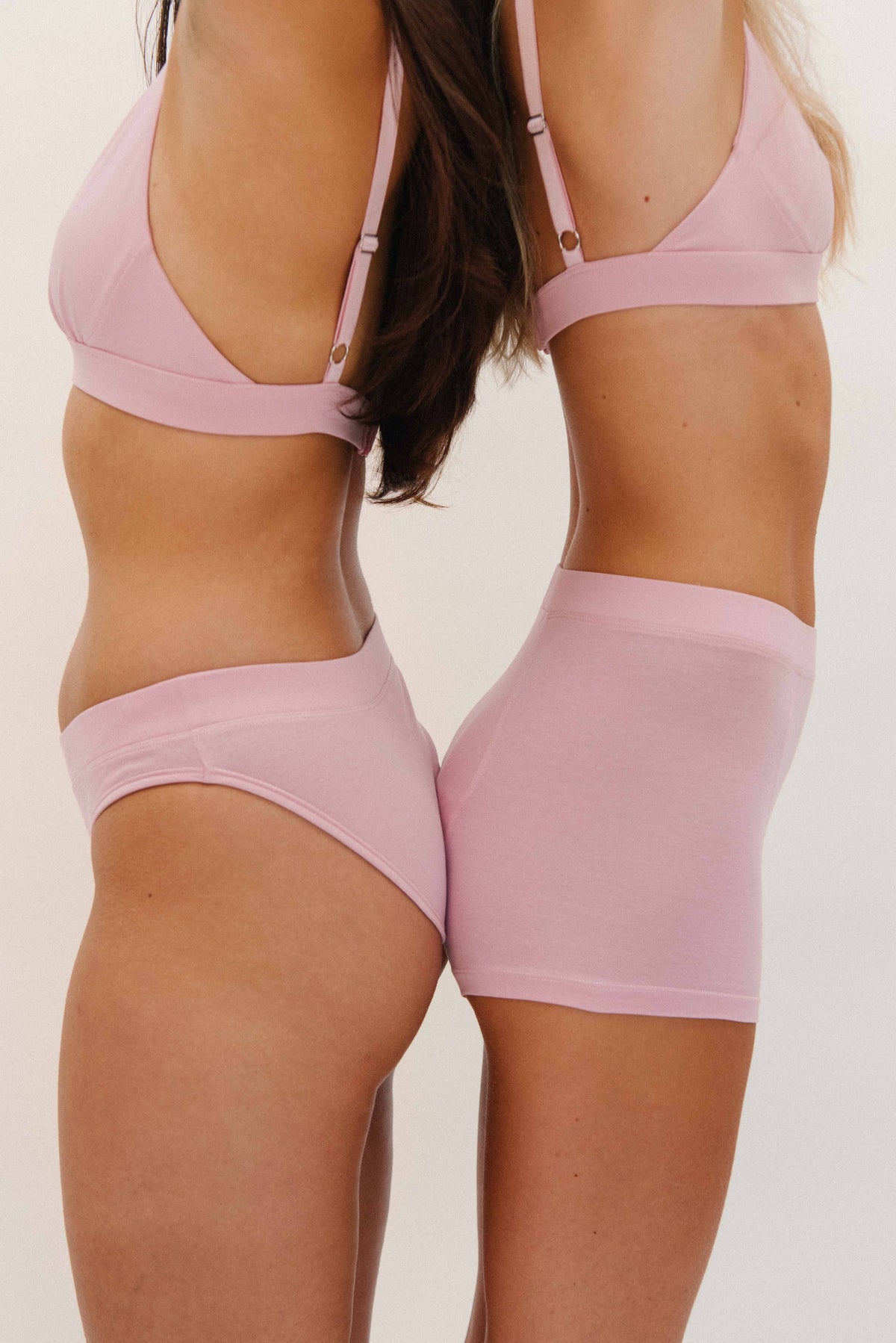
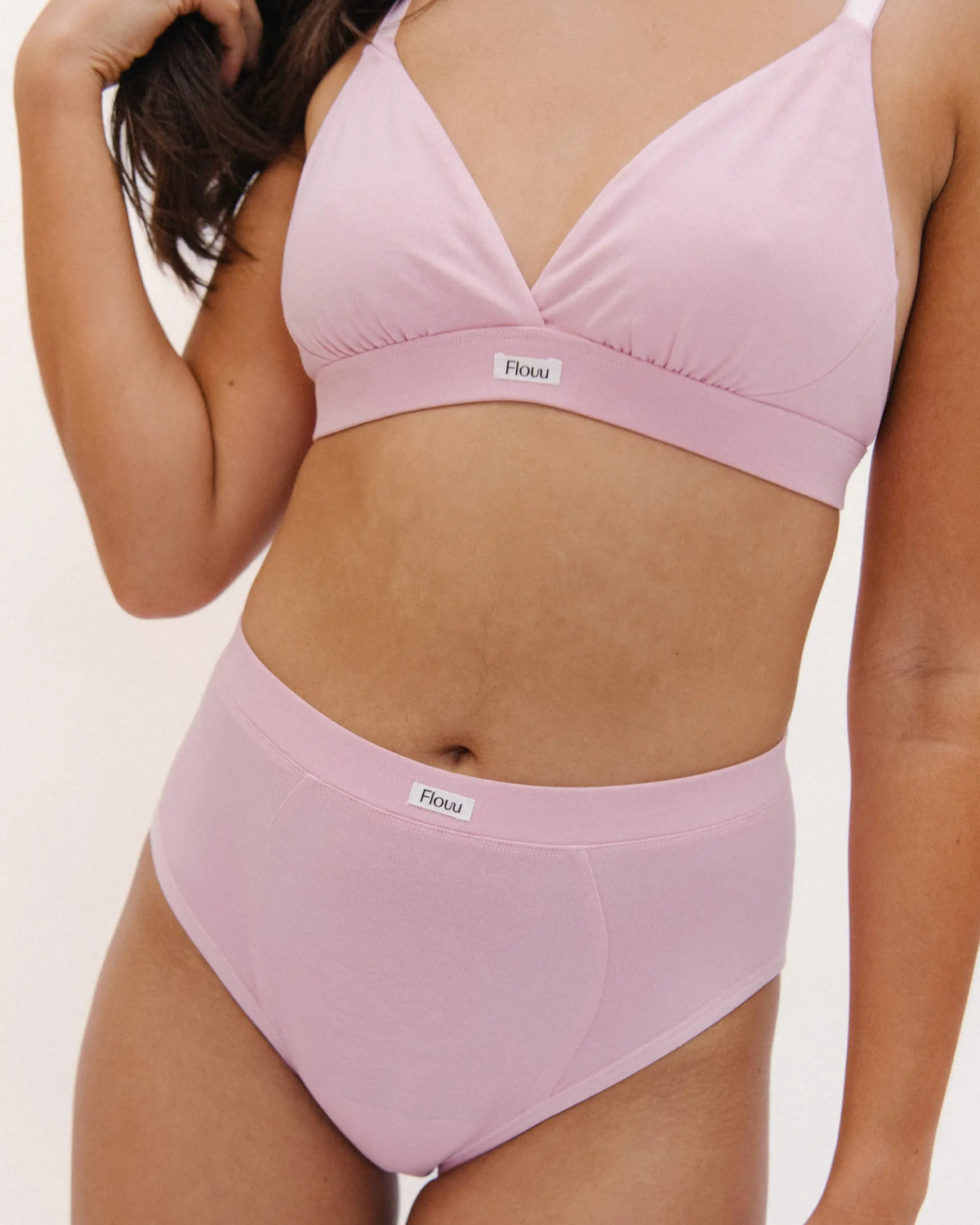
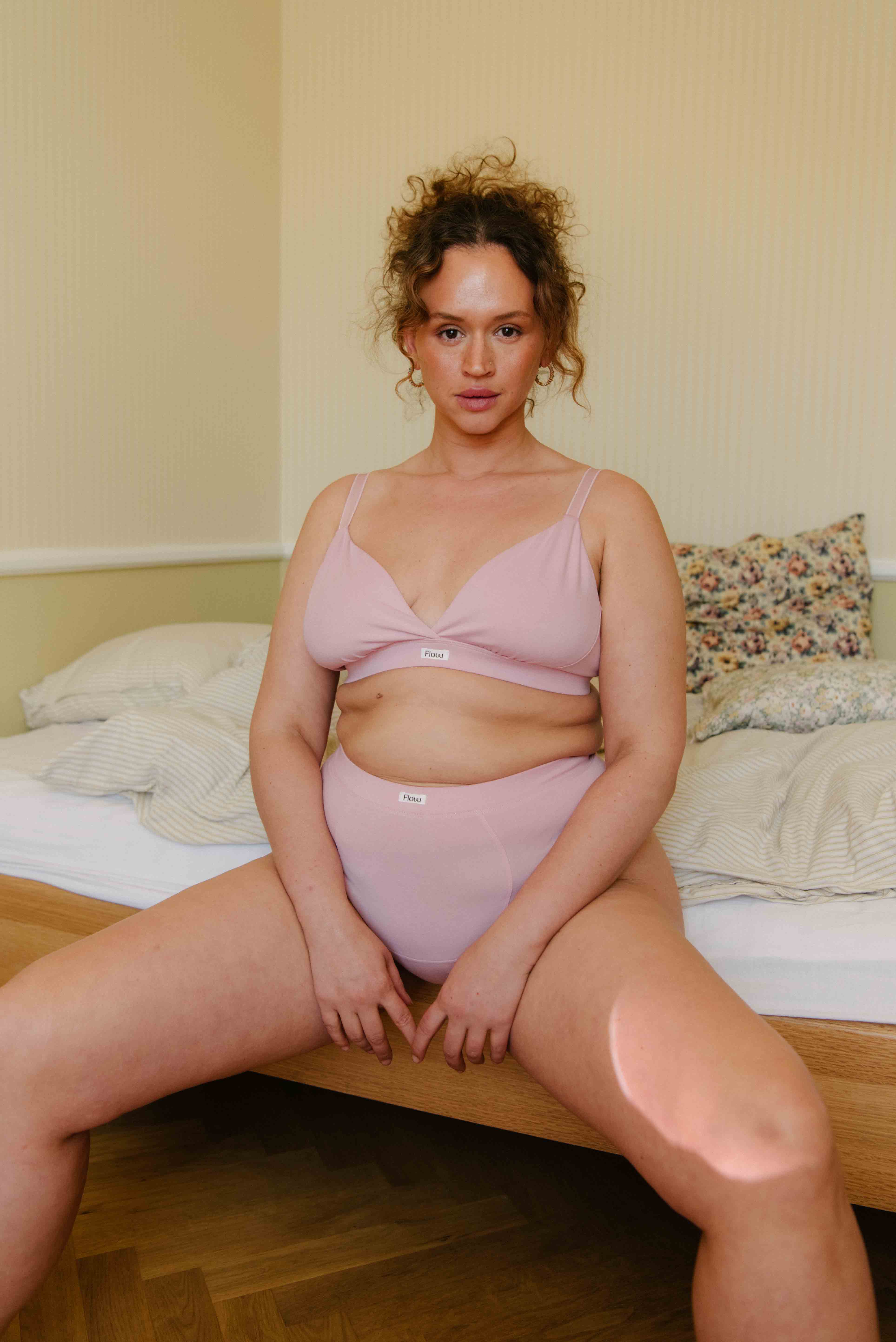
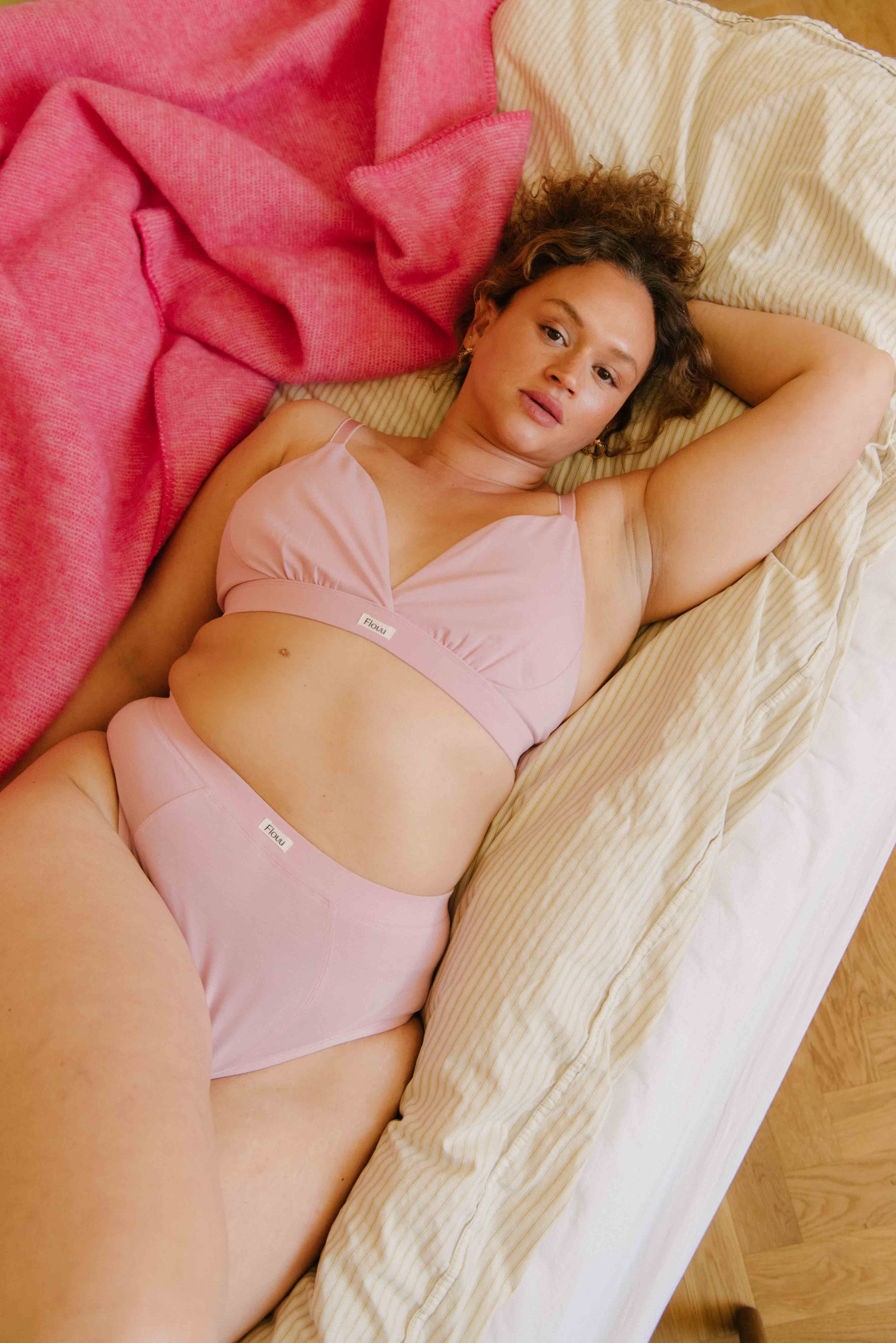
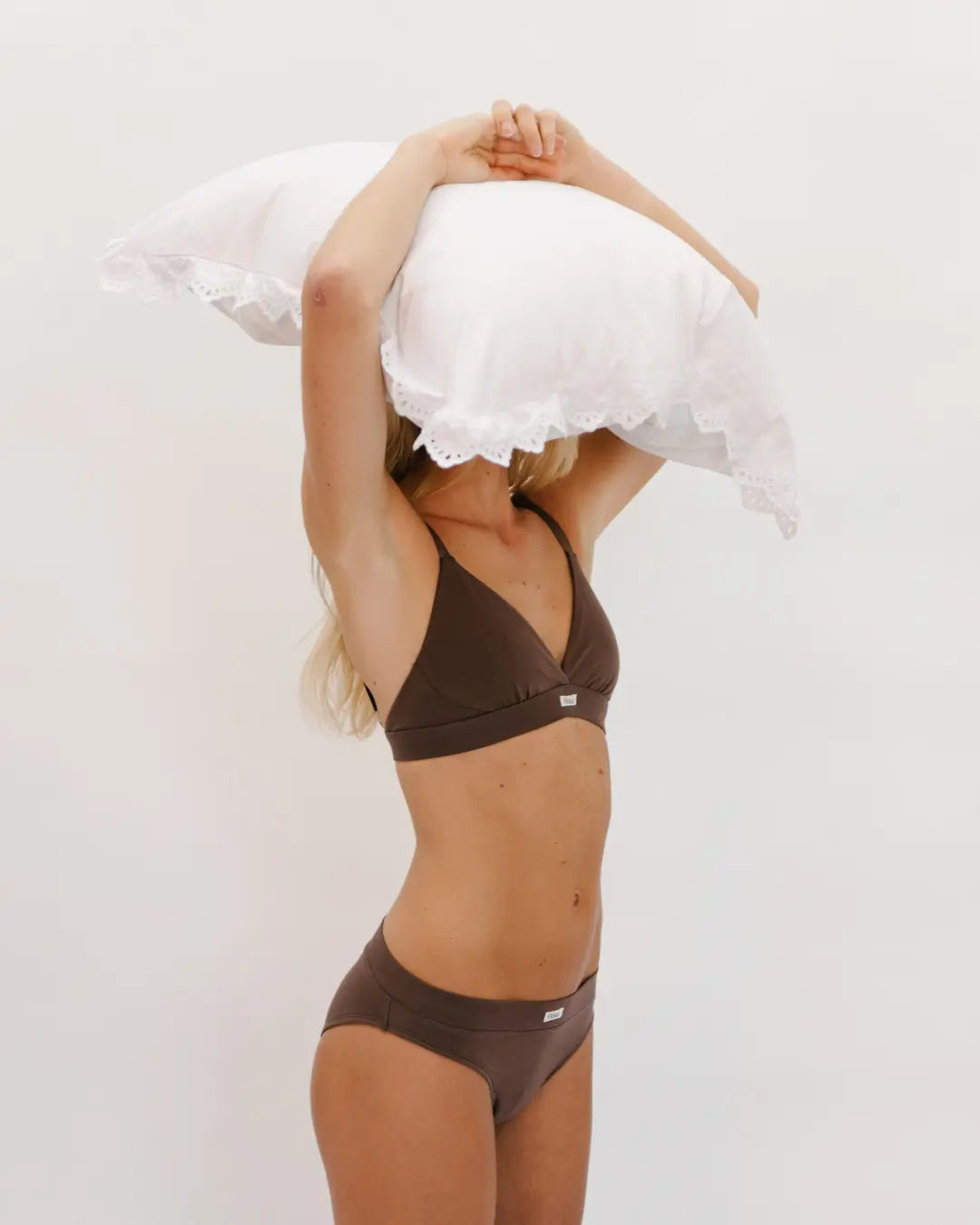
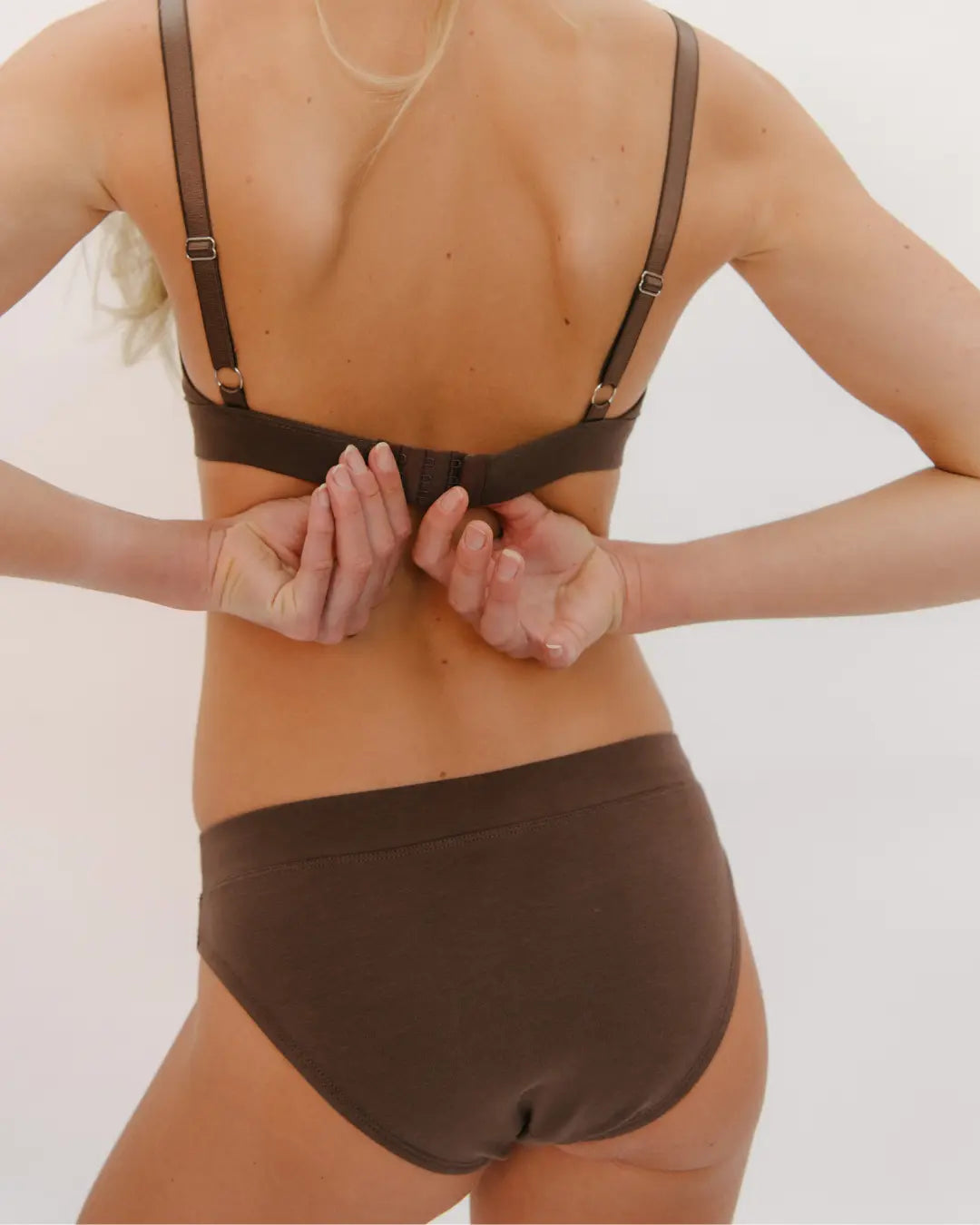
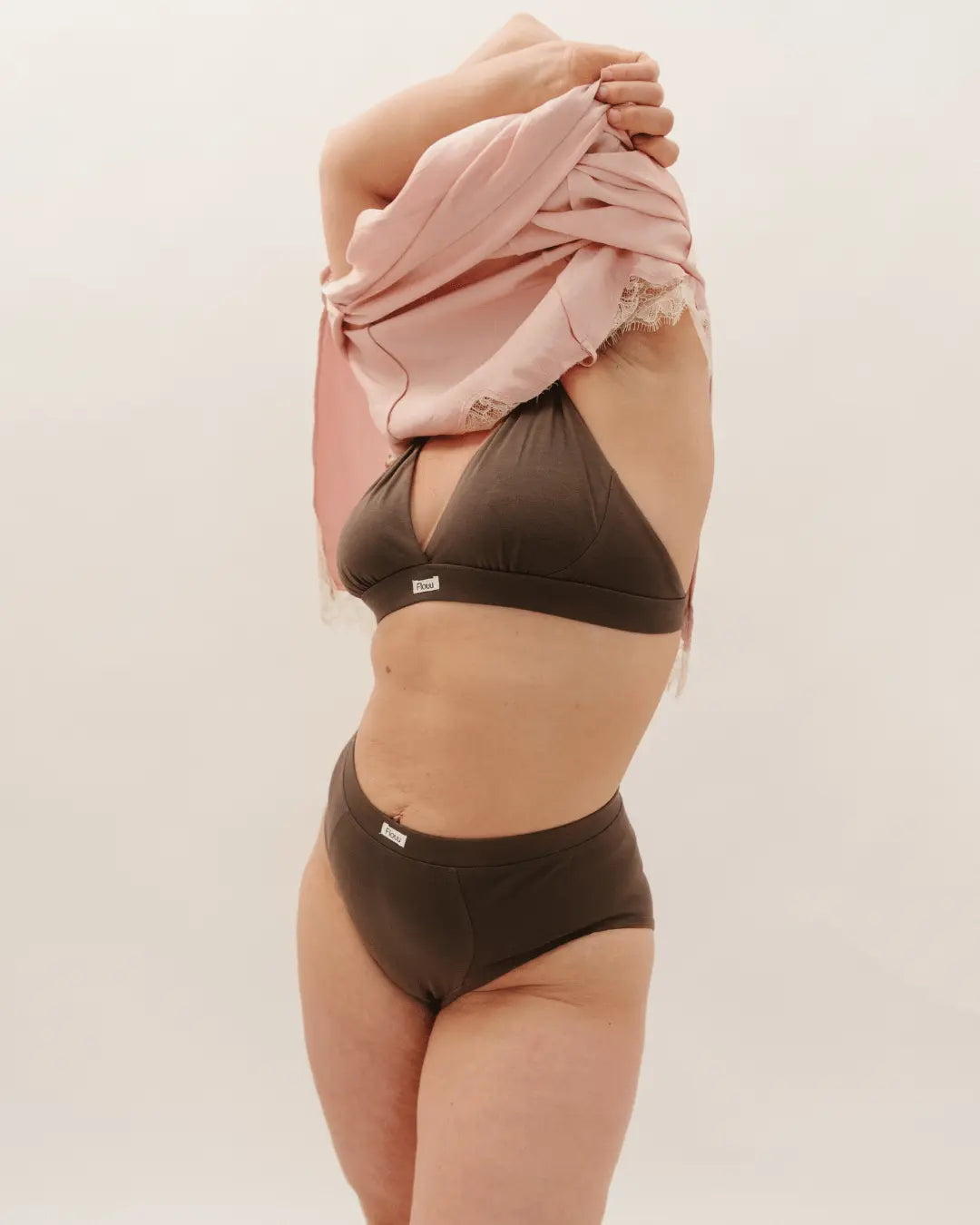
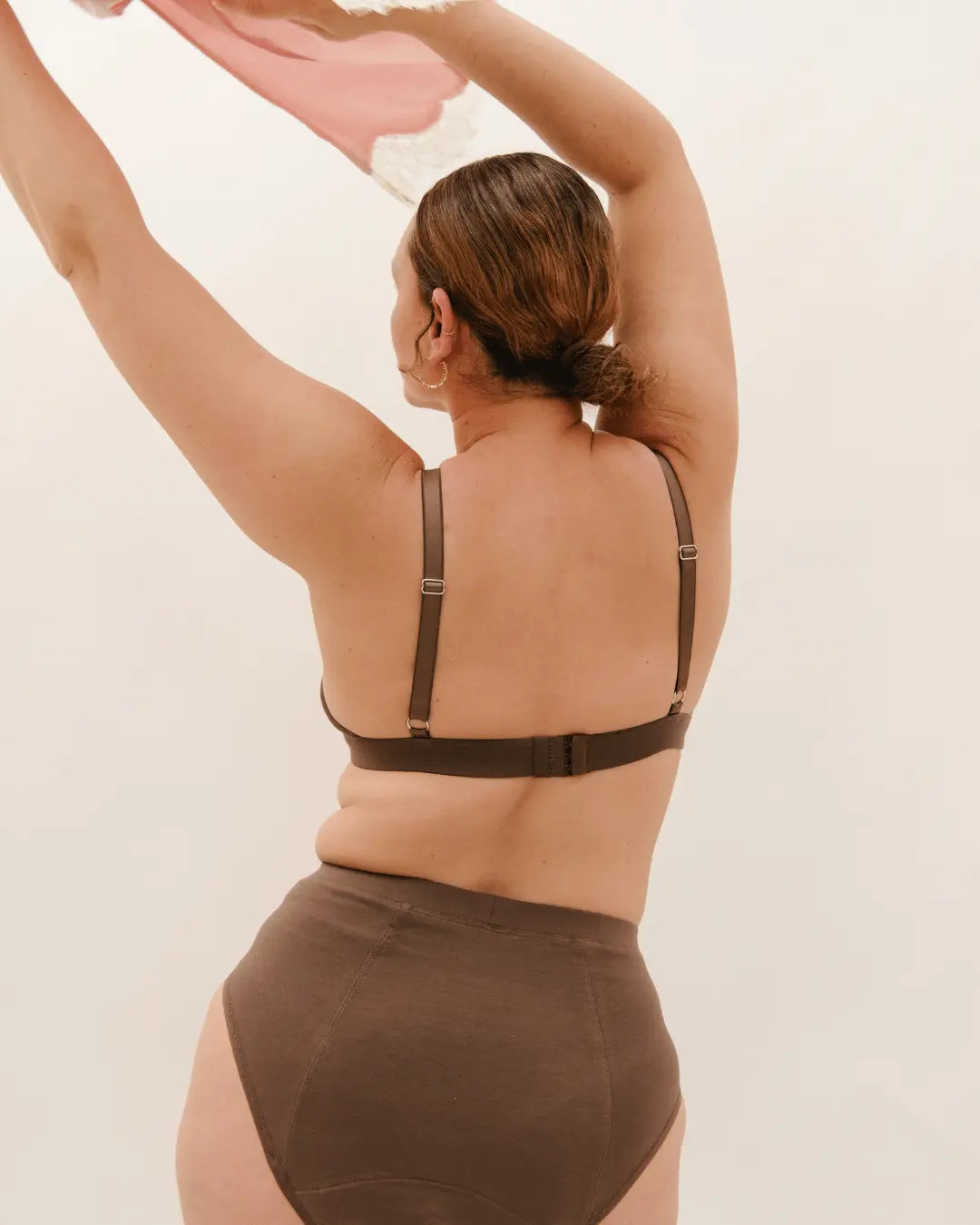
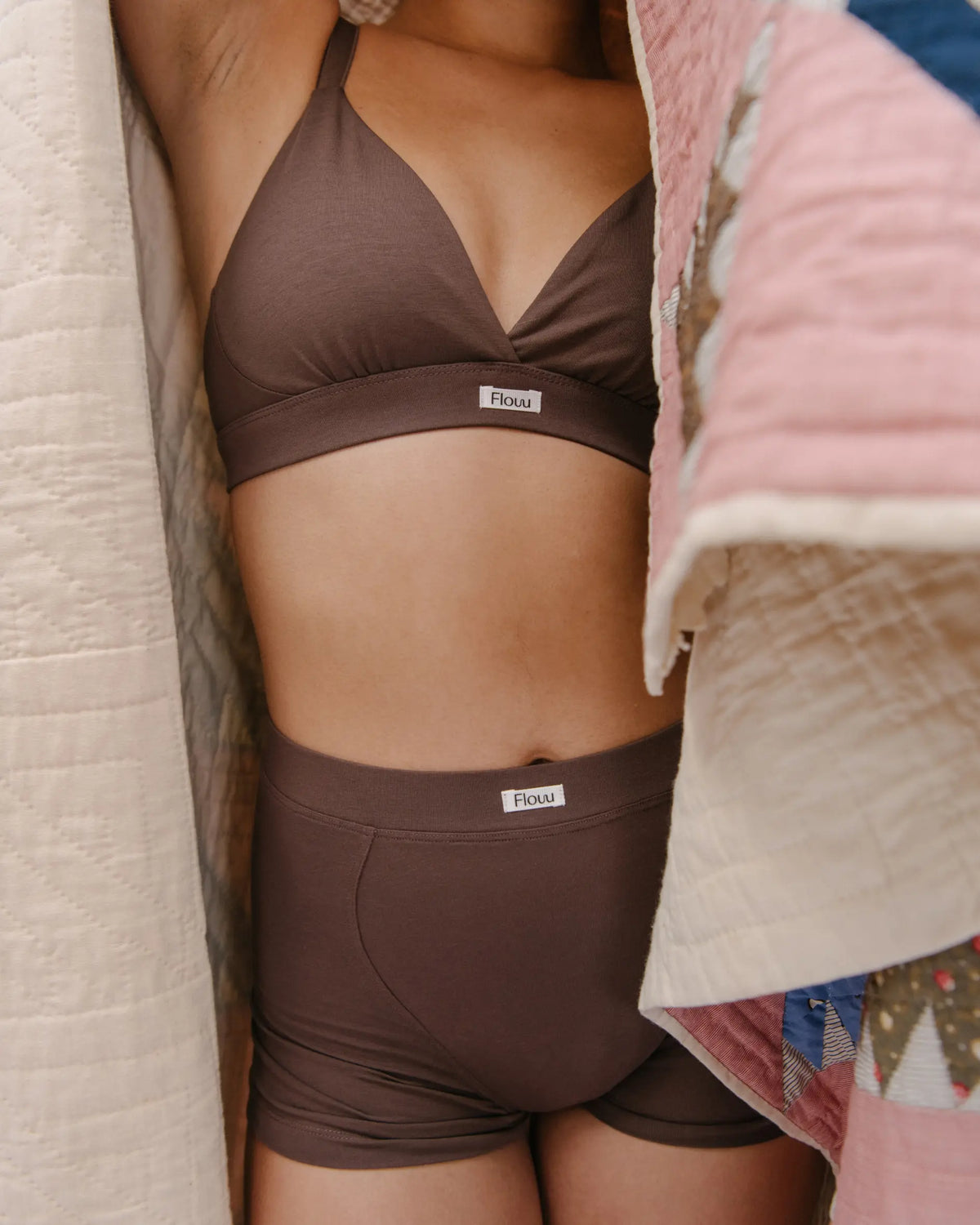
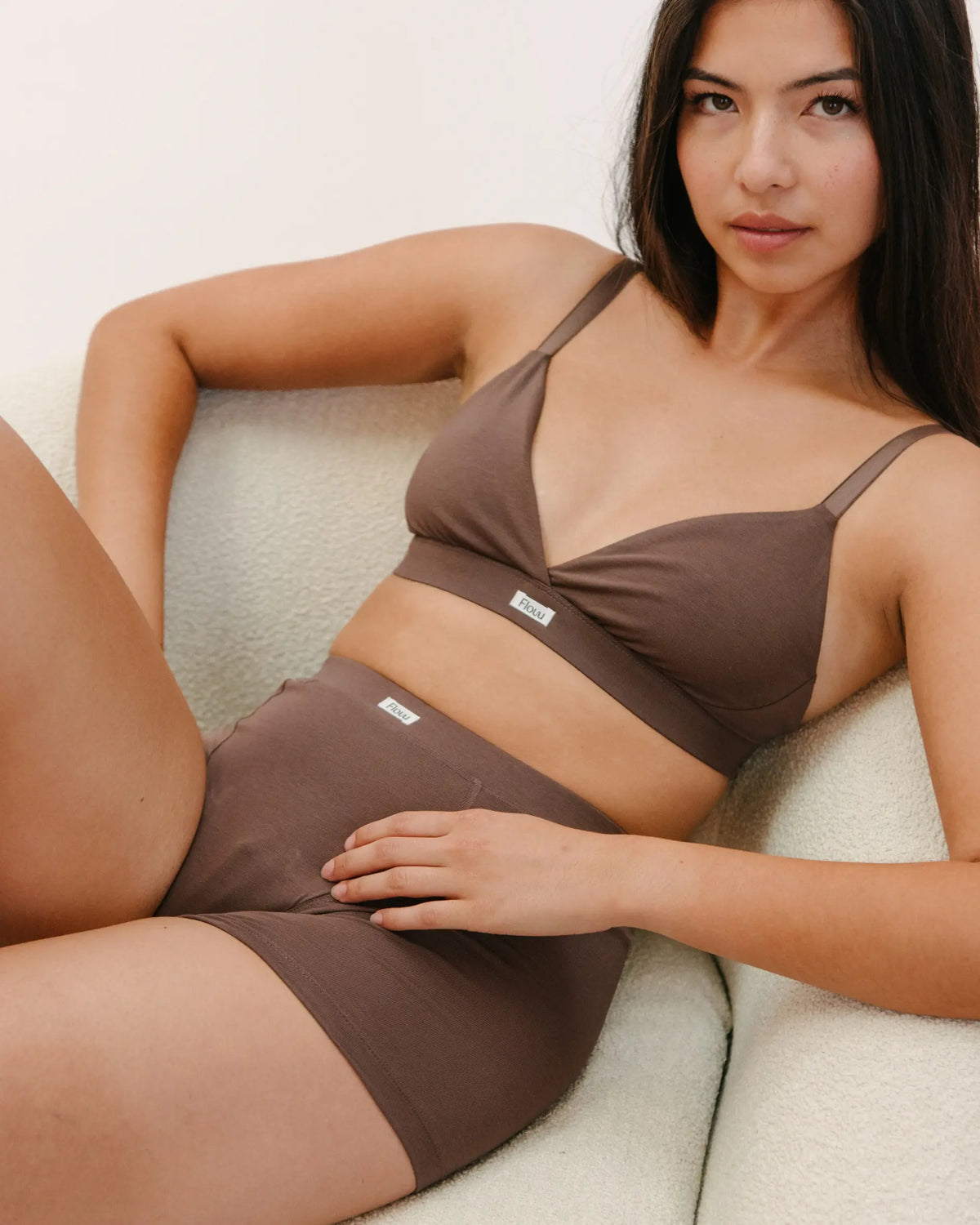
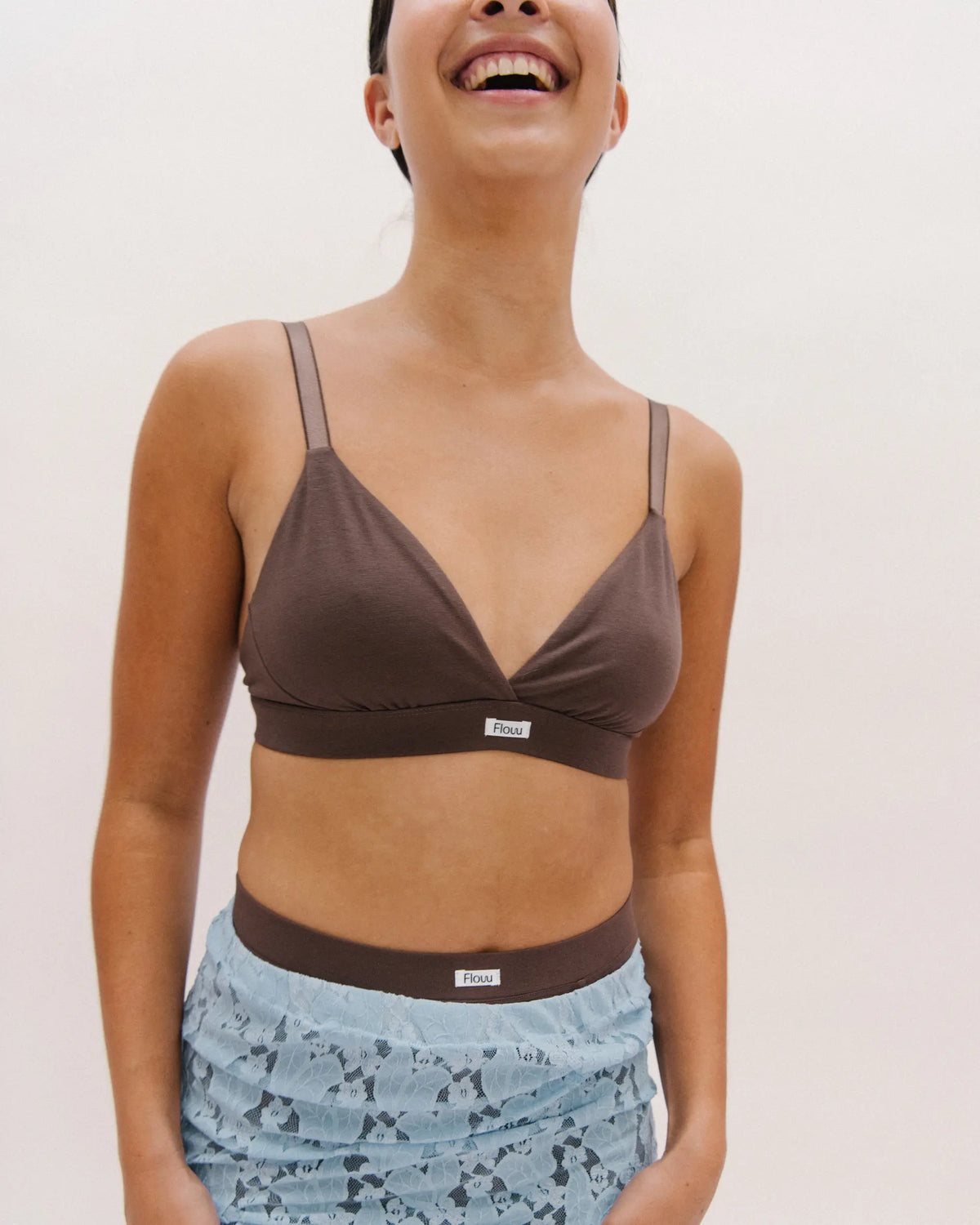
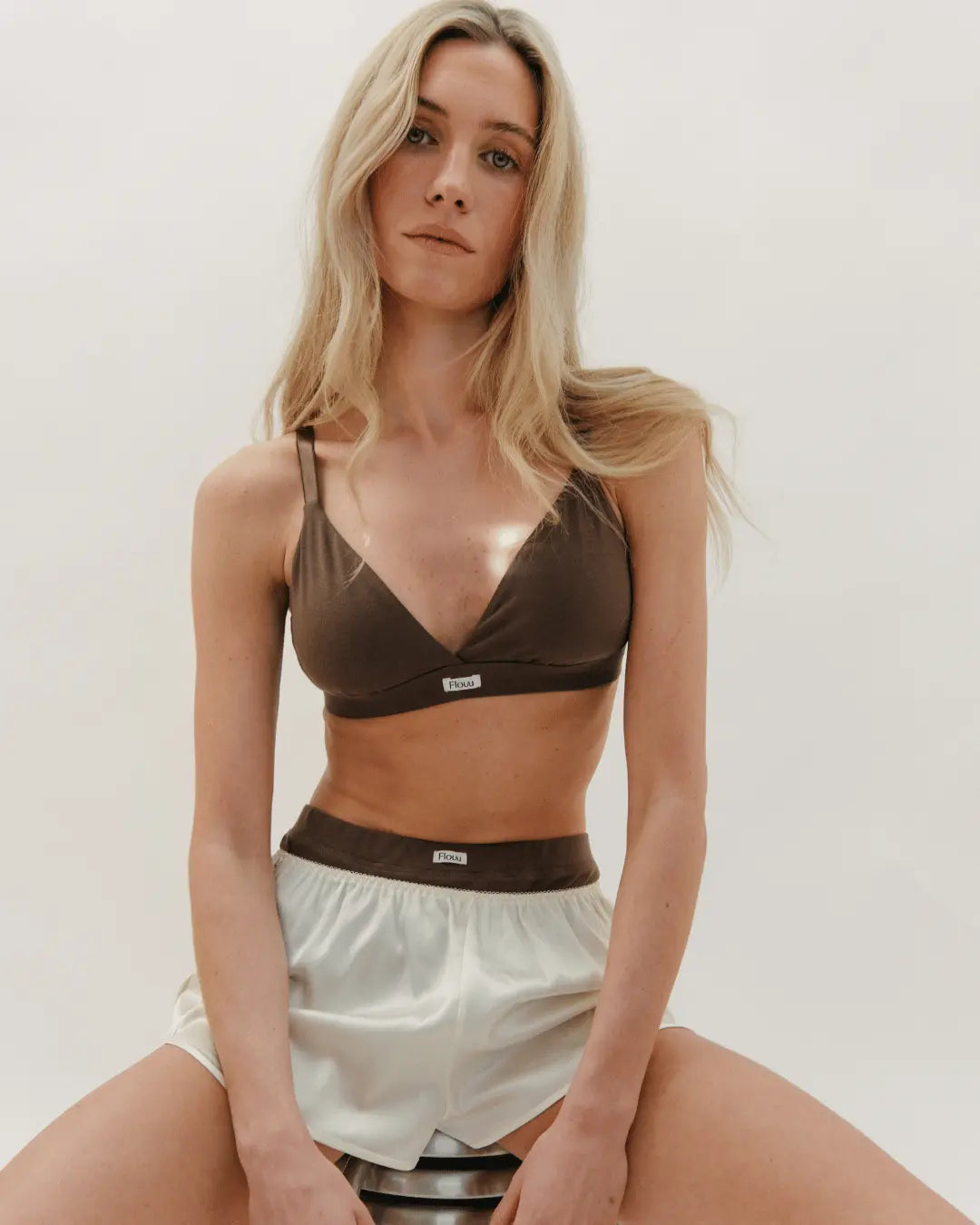
En dan komen we bij menstruatieondergoed. menstruatieondergoed Ze betekenen een enorme verandering voor veel kinderen en tieners. Net zoals ze dat voor veel vrouwen doen.
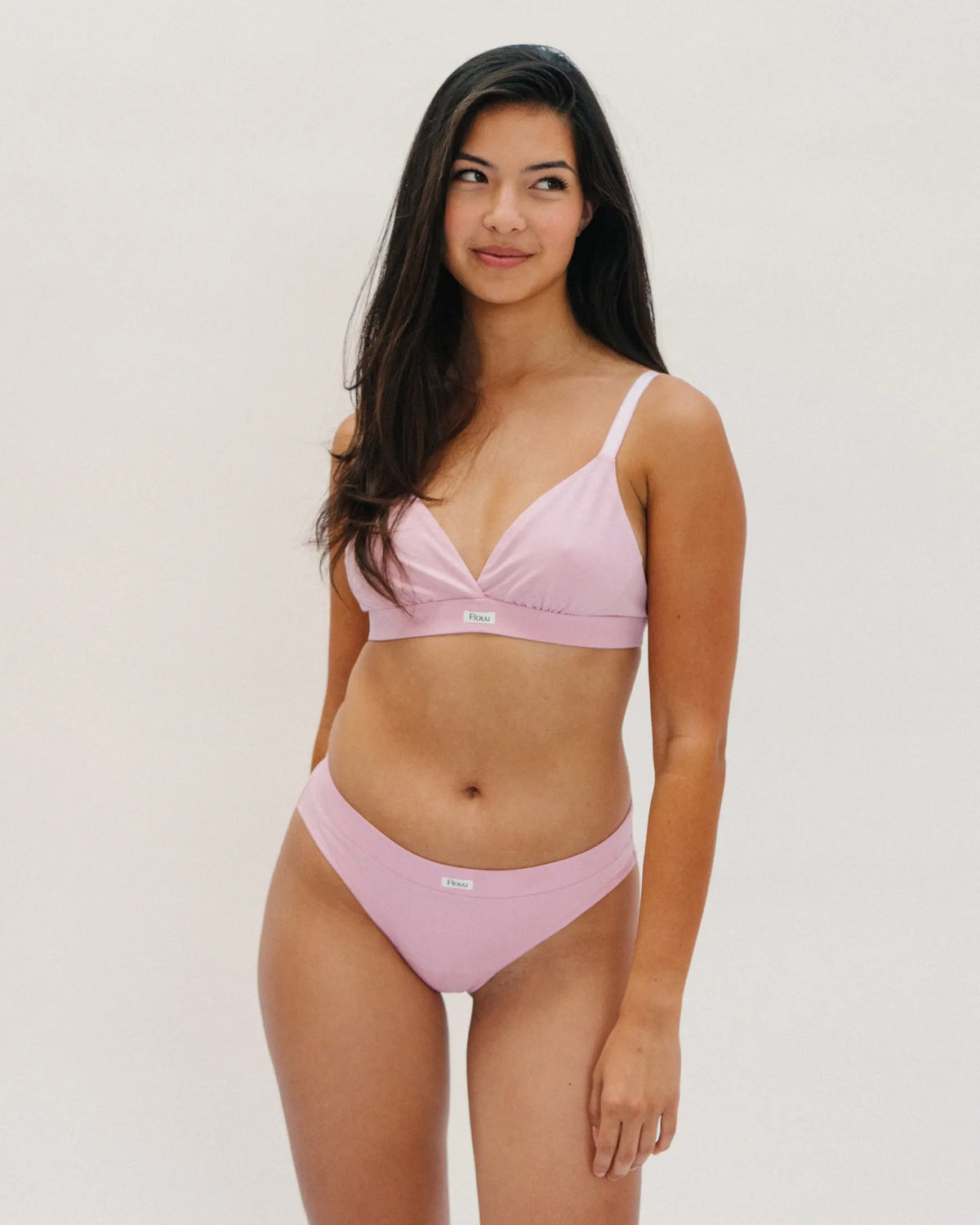
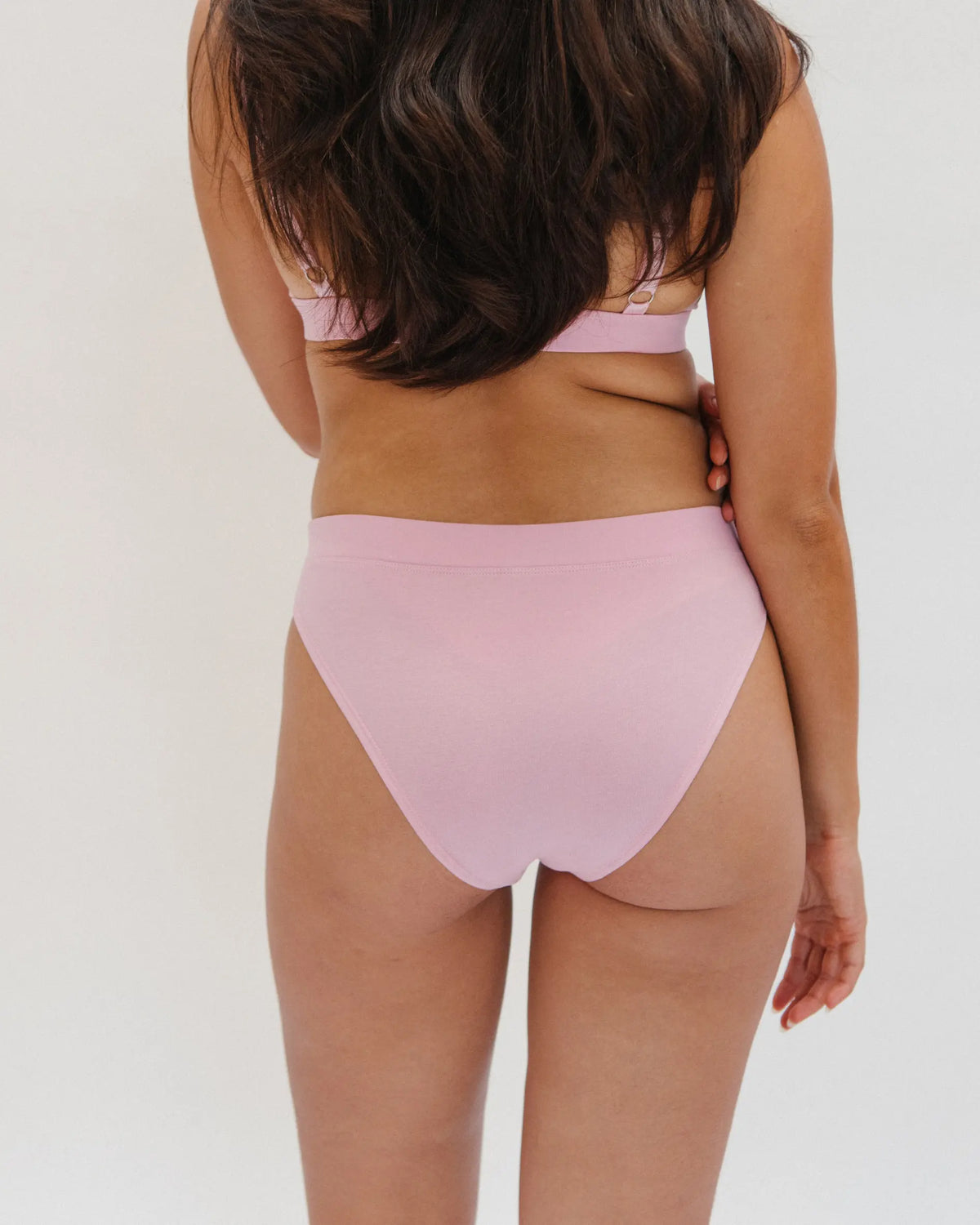
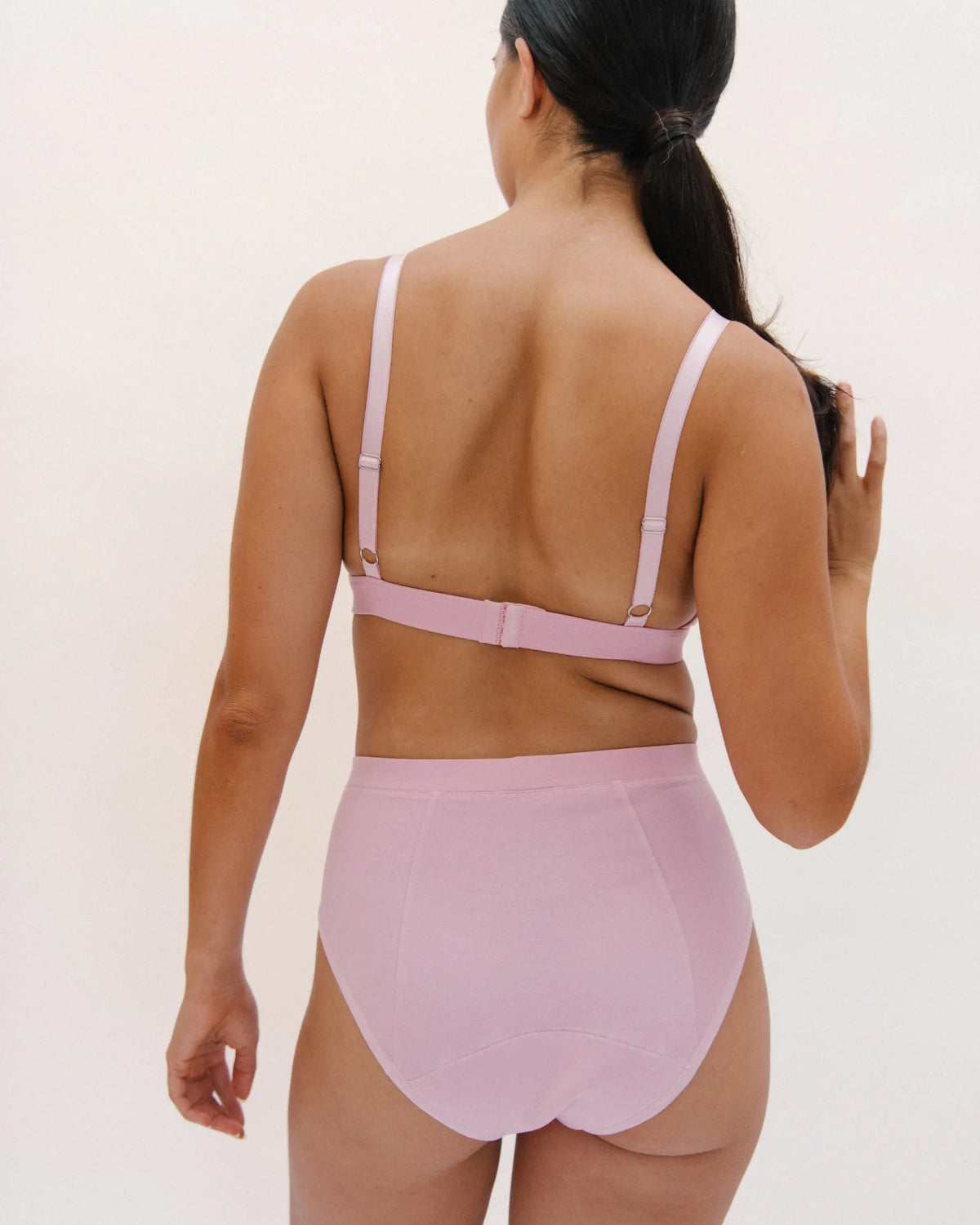
Ze zien eruit als gewone slipjes, maar hebben een ingebouwd absorptievermogen dat maandverband en tampons vervangt.
Voordelen van menstruatieondergoed:
- Ze zijn discreet - anderen kunnen niet zien dat je ze hebt. menstruatieals je ze aan hebt
- Het absorberende gedeelte verschuift niet zoals bij maandverband, en er is geen lijm die in de haren blijft haken.
- Ze zijn verkrijgbaar in verschillende pasvormen, kleuren en absorptieniveaus, dus je vindt er vast wel eentje die je bevalt (we hebben er zelfs een speciale voor je gemaakt). menstruatieslip (voor tieners, past bij een smaller lichaam dan een volwassene)
- Omdat menstruatieondergoed Het bloed wordt van buiten het lichaam opgenomen, waardoor er geen risico is op TSS of andere fysiologische problemen.
- Kan ook gebruikt worden bij lichte incontinentie, bijvoorbeeld tijdens sporten waarbij druk op de blaas wordt uitgeoefend (hardlopen, springen, gymnastiek, enz.).
- Het gevoel - dat is wat naar voren komt in onze gebruikersenquêtes. Ze voelen gewoon prettig aan - je vergeet bijna dat je ze bij je hebt. menstruatie.
Nadelen van menstruatieondergoed:
- Omdat er zoveel verschillende pasvormen en absorptieniveaus zijn, kan het even duren voordat je je favoriete paar hebt gevonden. Je zult waarschijnlijk ook merken dat je verschillende absorptieniveaus nodig hebt voor de verschillende dagen van je menstruatie, net als bij maandverband en tampons.
- Het is duurder om te beginnen. menstruatieondergoedMaar op de lange termijn bespaar je geld in vergelijking met wegwerpmaandverband en tampons.
- Meer menstruatieondergoed Bevat biociden zoals nanosilver of PFAS, en het is moeilijk te zien welke dat zijn (Flows). menstruatieondergoed is altijd vrij van PFAS en biociden zoals nanosilver.
-
Vereist een goede wasroutine: koud water + wassen om ze schoon en geurvrij te houden.
Waarom is menstruatieondergoed Perfect voor tieners?
menstruatieondergoed Het is het enige fijne product dat je kunt gebruiken vóór je menstruatie - voordat er daadwerkelijk bloed is. De menstruatiecup, de menstruatieschijf, de tampon: vereisen vocht in de vagina om ingebracht te kunnen worden. Het maandverband, hoe populair het ook is, is nooit comfortabeler geworden. Wanneer je een onregelmatige cyclus hebt, bijvoorbeeld in de eerste paar jaar van je menstruatie... menstruatieHet is gewoon prettig dat ze aanvoelen en eruitzien als normaal ondergoed. Andere grote pluspunten:
- Geen introductie in het lichaam
- Geen risico op fouten of verkeerde instellingen - geen leercurve, afgezien van het leren kennen van de werking. flow/wetende wat het absorptievermogen van het ondergoed is
- Kan gedurende de hele schooldag gebruikt worden - als je een goede match vindt tussen flow en absorptievermogen
- Voelt aan als normaal ondergoed - een absolute aanrader. menstruatiewanneer je er niet voortdurend aan herinnerd wordt
- Minimale stress over lekkage
Voor veel jongeren betekent dit maar één ding: vrijheid.
Veiligheid op school en in het dagelijks leven
Een van de grootste zorgen van tieners is: "Wat als het bloed erdoorheen komt?" menstruatieondergoed geeft gemoedsrust omdat ze:
- absorbeert effectief
- voelt droog aan het oppervlak
- Het beweegt niet zoals verbanden dat wel kunnen.
- Vereist geen frequente toiletbezoeken om te verschonen
Daardoor zijn ze ideaal voor lange schooldagen, sport en sociale activiteiten.
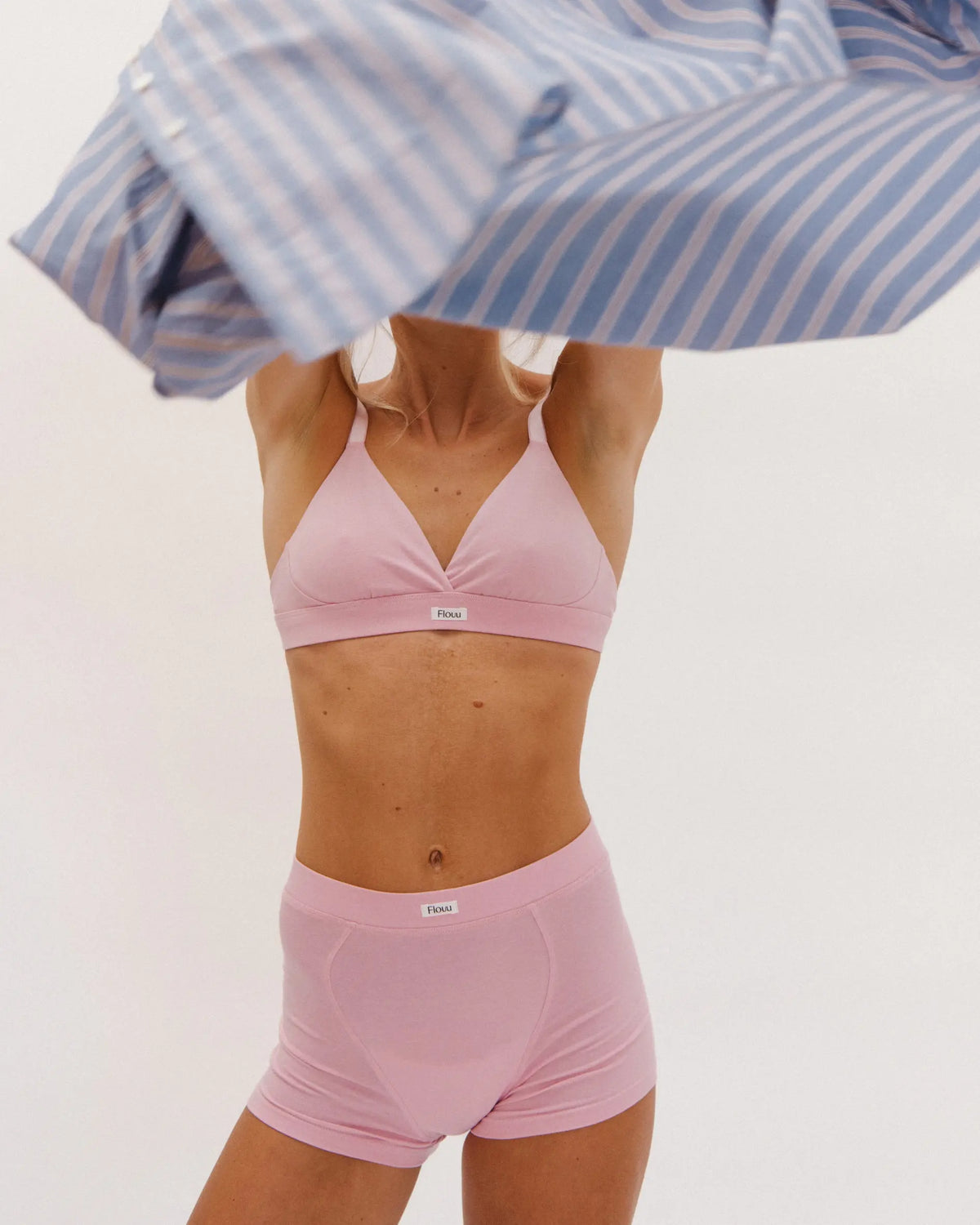
Onze shorts zijn gemaakt voor zwaardere personen. flow, wat geschikt is voor de overgrote meerderheid van mensen met hevige bloedingen.
Hoe we onze ontwikkeling hebben vormgegeven menstruatieslip voor tieners
Toen we Period toevoegden flow Teen Brief, dat jaren geleden in het portfolio werd opgenomen, was een samenwerking met een kleine focusgroep binnen de doelgroep.
De slipjes moesten zacht zijn, eruitzien als gewoon ondergoed, zo naadloos mogelijk zijn en een elastische band met logo hebben, net als ondergoed van andere grote modemerken. Daarom... menstruatieslip voor kinderen:
- Gemaakt van zacht Lyocell, een temperatuurregulerend, natuurlijk materiaal.
- Gemaakt met discreet en zo plat mogelijk elastiek rond het been.
- Met goede, natuurlijke en zachte absorberende lagen zodat de huid kan ademen.
Alle absorberende onderbroeken voor volwassenen zijn verkrijgbaar in XS tot 3XL. Nu hebben we toegevoegd 2XS in een bestseller voor zware artikelen flow - onze korte broeken.
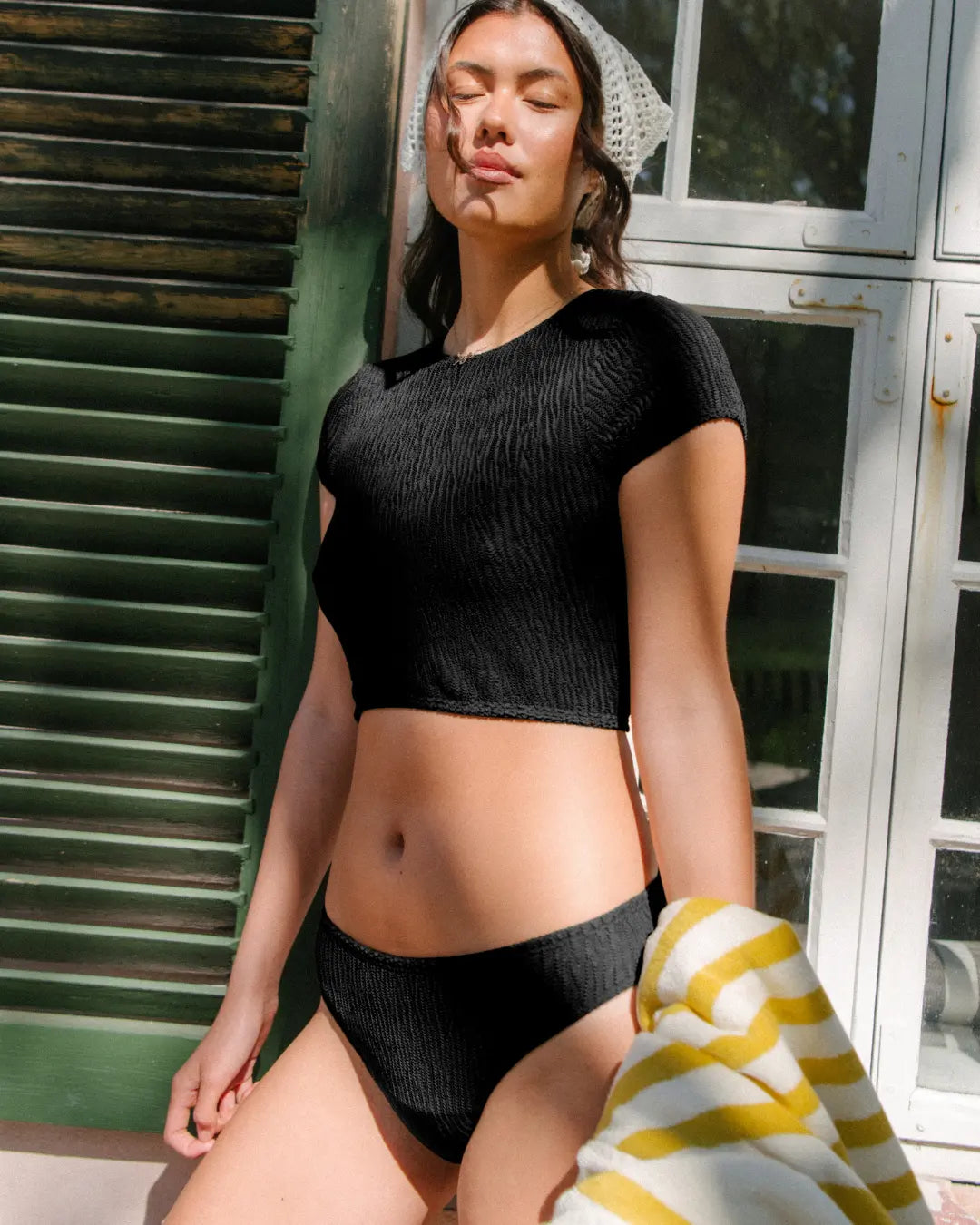
Daarnaast hebben we ook nog Menstruatiebadkleding voor kinderen, Je kunt de Johanne bikini hier vinden.
Wat is het beste menstruatieproduct om mee te beginnen voor kinderen?
menstruatieondergoed zijn vanzelfsprekend voor kinderen en tieners. Het zou heel logisch kunnen zijn om te beginnen met menstruatieondergoed een weekenddag, zodat je het gevoel in een veilige omgeving kunt leren kennen.
Je merkt al snel dat ze een beetje anders aanvoelen, een beetje 'zwaarder', wanneer het tijd is om te verschonen.
De menstruatieonderbroek Ze zijn prettig voor dagelijks gebruik, eventueel in combinatie met een menstruatiecup of -schijf. Sommige mensen proberen ze ook eerst met een wegwerpmaandverband, dat ze er dan tijdens schooltijd uit kunnen halen, waarna ze direct in hun menstruatieondergoed kunnen bloeden.
Dit zorgt voor een soepele overgang waardoor je je cyclus leert kennen.
Tip: Als je het zelf niet gebruikt. menstruatieondergoedHet kan voor je kind handig zijn als je zelf eens een slipje past. Dan kun je hem of haar beter adviseren en helpen.
Het kan ook een leuke activiteit zijn die je samen doet - iets nieuws uitproberen.
Hoe help je je kind op weg? menstruatie
Als ouder is niet het product het belangrijkste, maar het gevoel.
- Praat open en rustig over menstruatie algemeen
- Geef opties (niet één oplossing).
- Zorg dat er een doos in de badkamer staat met verschillende opties, zoals maandverband, tampons, slipjes, een menstruatiecup en een menstruatieschijf, zodat je verschillende dingen kunt uitproberen zonder dat je erom hoeft te vragen.
- Accepteer dat het tijd kost om het juiste te vinden en dat iedereen wel eens fouten maakt.
- Geef je kind een 'noodpakket' voor school, een klein tasje met extra spullen, bijvoorbeeld een extra onderbroek of slipje, zodat ze onderweg altijd iets bij de hand hebben. En help mee met het bijvullen van het pakket – dat is een grote verantwoordelijkheid bovenop alle nieuwe dingen. Ze zullen het leren.
En het allerbelangrijkste: maak er niets "genants" van, maar iets volkomen natuurlijks.
👉 Hier vind je onze Happy Period Kit - perfect voor de eerste periode. menstruatie.
Als je zonen hebt, is het net zo belangrijk om openlijk over hen te praten. menstruatieMisschien kun je ze zelfs laten zien wat het is en de verschillende producten bekijken. Misschien kunnen ze er zelfs een vriend mee helpen, en dat is zeker ook een manier om stigma en schaamte te verminderen.
Kort tot het einde
De beste menstruatieproducten voor tieners zijn producten die:
- voel je veilig
- zijn gemakkelijk te gebruiken
- past in het dagelijks leven
En voor velen is dat zo. menstruatieondergoed Tegenwoordig zijn ze de voor de hand liggende keuze, omdat ze comfort, veiligheid en vrijheid combineren.
Het is belangrijk om de mogelijkheid te hebben dingen uit te proberen, en veel menstruerende vrouwen wisselen voortdurend tussen verschillende producten, afhankelijk van hun specifieke behoeften. Dat kun je makkelijk doen, vooral als je je lichaam, je cyclus en je behoeften beter hebt leren kennen. flow om te weten.
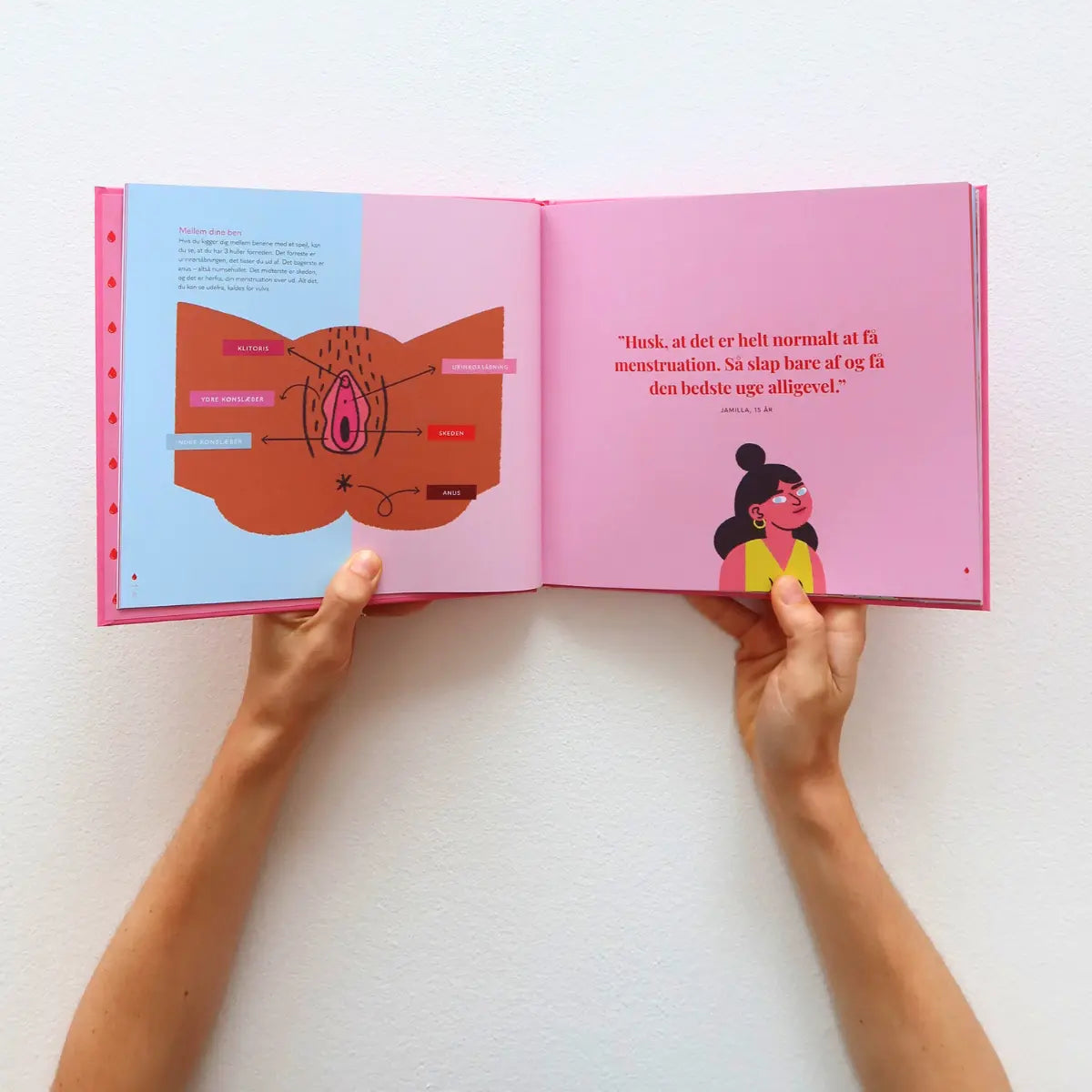
En tot slot: het is ontzettend belangrijk dat we onze geslachtsdelen leren kennen. Jongens hebben in zekere zin geluk, omdat hun geslachtsdelen buiten hangen en ze er vanaf hun geboorte aan gewend zijn om ernaar te kijken en ze te onderzoeken.
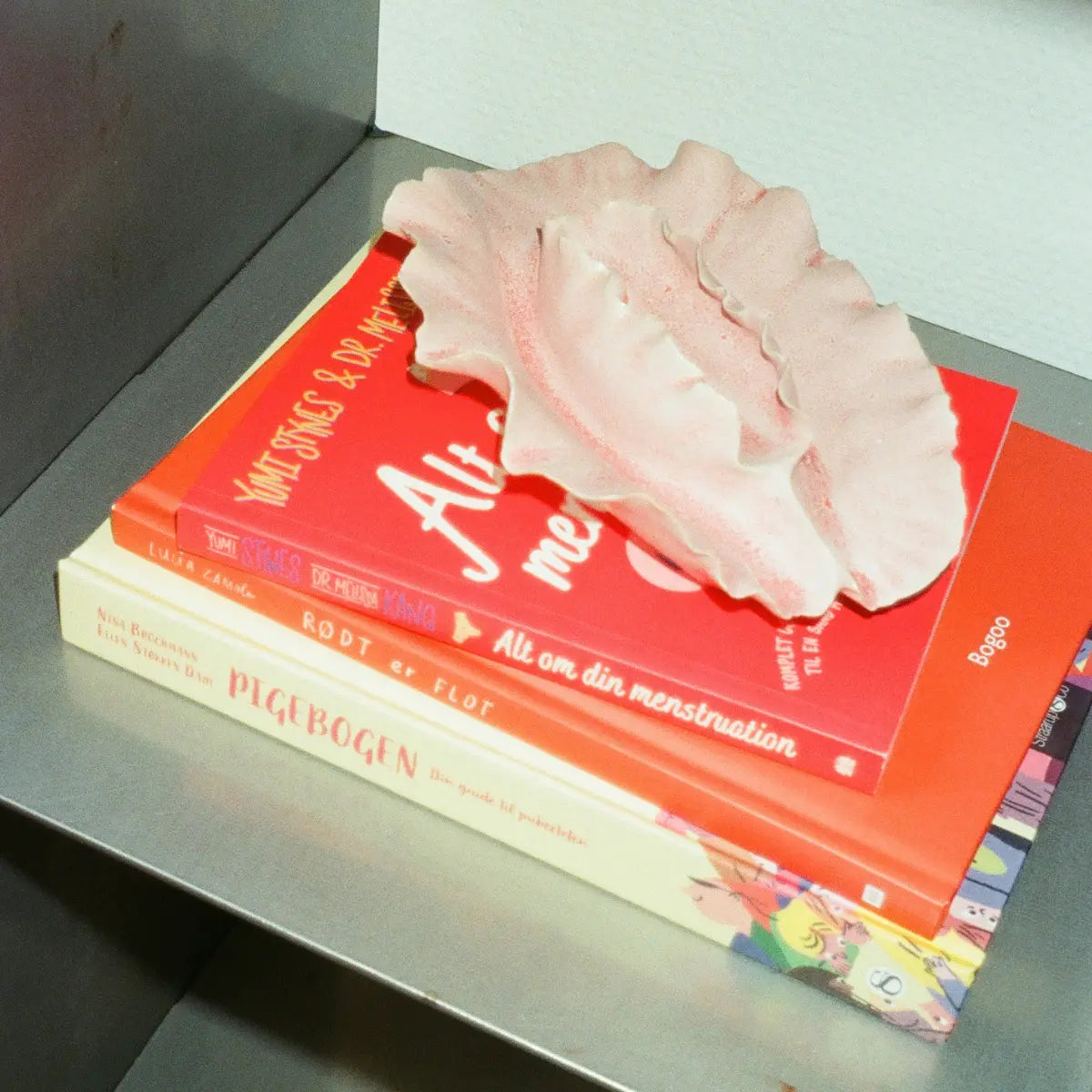
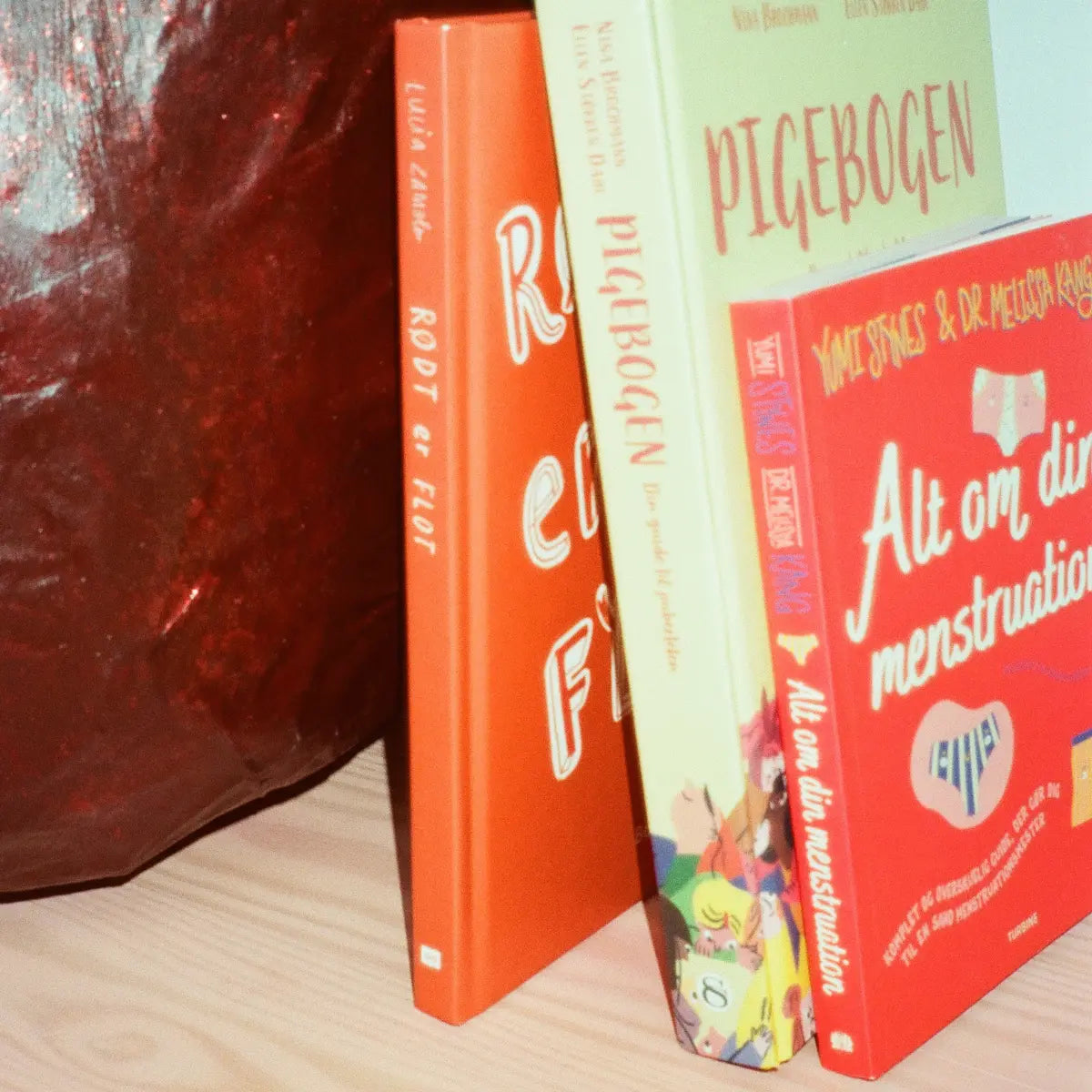
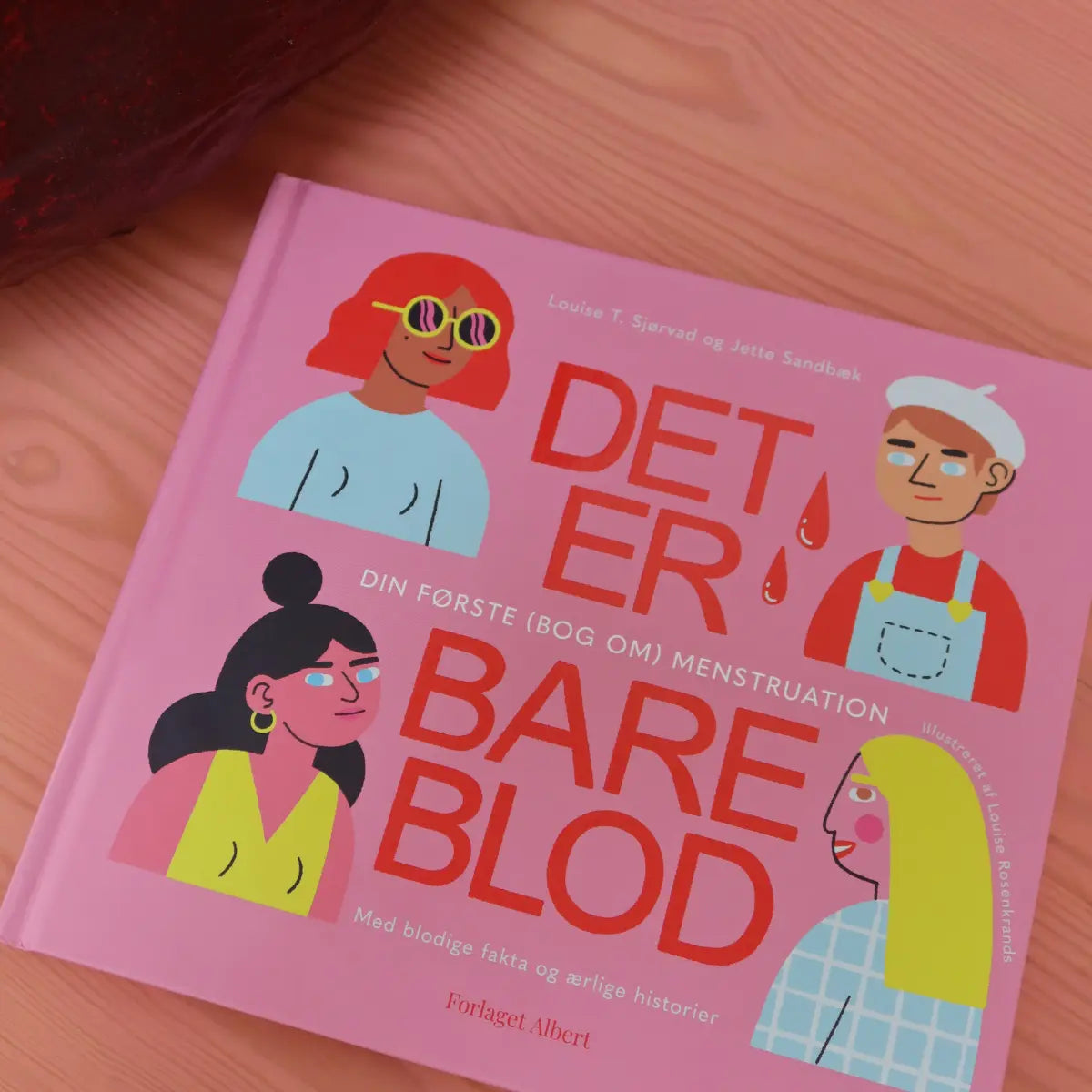
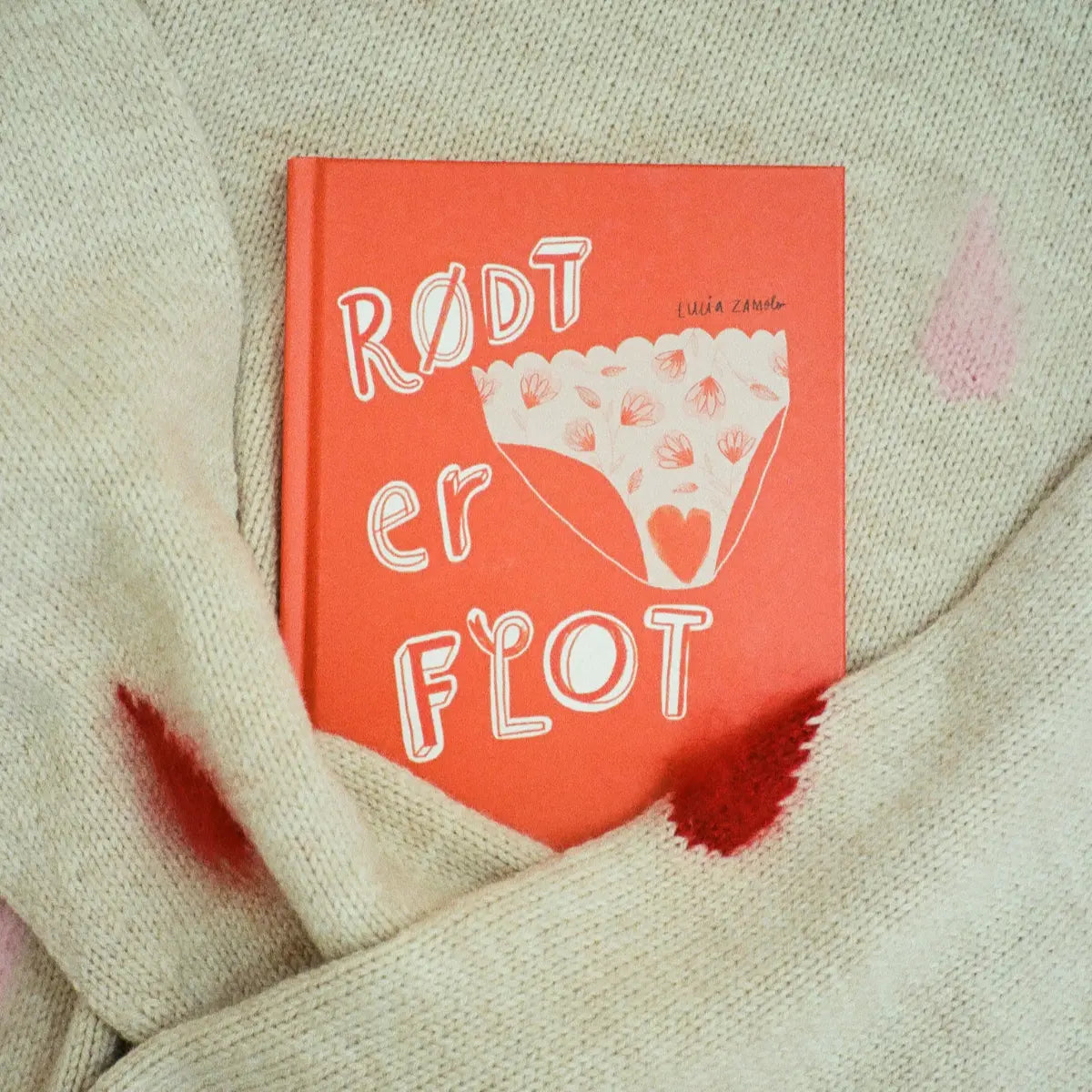
Voor meisjes is het niet zo makkelijk. We hebben hulpmiddelen nodig om te zien wat daar beneden zit. Geef je kind dus een spiegel, zodat ze zelf kan kijken en leren. Schaamlippen, vulva, alles. Het meisjesboek Het is een ideale plek om te lezen terwijl je toch bezig bent, want hier word je op een prettige manier begeleid door de mooiste illustraties van wat je bekijkt.
Genieten!