6 Anzeichen für deine erste Periode: So merkst du, dass sie bald kommt.
Ist Ihnen schon aufgefallen, ob sich Ihr Körper verändert hat?
Normalerweise bemerkt man ab dem Alter von 9 oder 10 Jahren, dass sich der Körper langsam zu verändern beginnt. Zuerst sind es Kleinigkeiten, vielleicht ein paar Härchen am Körper oder ein kleiner Pickel. Plötzlich merkt man, dass die Brust unglaublich empfindlich ist.
Dein Körper verändert sich jetzt. Und das liegt an den Hormonen in deinem Körper, die dich und deinen Körper auf die nächste Lebensphase vorbereiten.
Nicht wirklich erwachsen. Nicht wirklich Kind. Und das kann manchmal etwas schwierig sein. Aber zum Glück ist es ein Thema, mit dem wir uns oft beschäftigen. Wir haben bereits über die Menarche selbst geschrieben, also die Bezeichnung für die allererste Menstruation – was genau im Körper passiert.
In diesem Artikel zeigen wir dir, wie du die kleinen Anzeichen deiner bevorstehenden ersten Periode besser erkennst. Ja, dein Körper sendet dir tatsächlich einige ziemlich subtile Signale, die wir dir jetzt erklären werden.
Die Anzeichen zu kennen, kann einen großen Unterschied machen – sowohl für Sie, die Sie all die neuen Dinge bemerken, als auch für Eltern, die auf sichere und natürliche Weise unterstützen möchten.
Artikel verfasst von Cathrine Widunok Wichmand

Wann hast du deine erste Periode bekommen?
Viele Frauen bekommen ihre Periode, wenn sie zwischen 10 und 15 JahreEs gibt jedoch große Schwankungen – und alles innerhalb dieses Bereichs ist völlig normal.
Du wirst den genauen Zeitpunkt nicht kennen. Aber wenn du auf deinen Körper achtest, wirst du Anzeichen dafür bemerken, und wenn du diese kennst, wirst du dich wahrscheinlich gut informiert und etwas besser auf das vorbereitet fühlen, was dein Körper gerade durchmacht.
Die ersten Anzeichen der Menstruation
Möchten Sie noch mehr darüber erfahren, was tatsächlich im Körper vor sich geht? Wenn deine erste Periode einsetzt, haben wir hier einen hilfreichen Artikel für dich verfasst.
Nachfolgend haben wir die sechs häufigsten Anzeichen für den Beginn der Menstruation zusammengestellt:
1. Entladung – das allererste Signal
Ausfluss ist oft eines der ersten Anzeichen und tritt typischerweise auf, nachdem die Brüste zu wachsen begonnen haben.
Es könnte sein:
- weiß, gelblich oder transparent
- dünn oder leicht cremig
Das bedeutet, dass sich dein Körper in einer hormonellen Umstellungsphase befindet. Dein Ausfluss ist ein wichtiger „Statusbericht“ deines Körpers, der dir anzeigt, ob alles in Ordnung ist und ob du auf eventuelle Ungleichgewichte achten solltest.
Ausfluss zeigt sich als kleiner, weißlicher Fleck in Ihrer Unterwäsche und ist weder eklig noch unhygienisch. Er ist völlig normal.
👉 Die Menstruation beginnt normalerweise 6–12 Monate späterDiese Entladung beginnt.
2. Die Brüste beginnen zu wachsen
Die Brustentwicklung ist ein deutliches Zeichen dafür, dass die Pubertät begonnen hat. Vielleicht hast du schon bemerkt, dass du zwei kleine Erhebungen auf der Vorderseite deiner Brust hast. Eines Tages werden daraus Brüste.
Aber wie empfindlich sie doch sein können! Vielleicht wurdest du auf dem Schulhof von einem Ball getroffen oder hast dich über einen Tisch gebeugt. Zum Glück wird es besser. Viele Frauen verspüren jedoch monatlich vor ihrer Menstruation ein Spannungsgefühl in der Brust – ein Zeichen dafür, dass die erste Blutung bald einsetzt.
Die Menstruation tritt oft auf:
- etwa 1,5–2 Jahre späterdass sich die Brüste zu entwickeln beginnen
3. Haarwuchs am Körper
Ja, Körperbehaarung ist normal. Sie ist weder ekelhaft noch beschämend oder peinlich. Jede solche Einstellung spiegelt eher die vorherrschende Kultur als die Realität wider. Und die Moden haben sich im Laufe der Zeit verändert. In manchen Jahrzehnten galt es als „klug“, die Körperbehaarung zu stutzen.
Zum Glück können nur Sie das entscheiden. Aber unabhängig davon werden die Haare anfangen zu wachsen:
- unter den Armen
- um den Genitalbereich
Aber auch mehr an den Armen, den Beinen, dem Rücken. Die Haare sind eigentlich dazu da, uns zu schützen. Vor der Sonne, vor Schmutz, vor Kälte.
Und wenn wir beim Genitalbereich bleiben: Es ist völlig normal, Schamhaare an den Oberschenkeln, zwischen den Gesäßbacken und an den Schamlippen zu haben. Sie schützen den Bereich sogar, indem sie Staub und Ähnliches auffangen, die nicht in die Vagina gelangen sollten.
Das Haarwachstum ist ein völlig natürlicher Bestandteil der Körperentwicklung.
4. Stimmungsschwankungen und Emotionen
Dies ist eine der schwierigeren Fragen. Denn Stimmungsschwankungen können schleichend auftreten. Anders als bei Haarwuchs und Menstruationsblutung können sich Veränderungen der Stimmung, der Energie und der Emotionen subtiler äußern – ohne sichtbare körperliche Veränderungen.
Viele Erfahrungen:
- Schnelle Stimmungsschwankungen – im einen Moment ist man leicht und fröhlich, im nächsten müde und wütend.
- Reizbarkeit – Sie könnten feststellen, dass Sie sich von Kleinigkeiten sehr schnell irritieren lassen.
- erhöhte Empfindlichkeit – plötzlich weint man einfach nur noch.
Das liegt an hormonellen Veränderungen – dein Gehirn wird stark von deinen Hormonen beeinflusst, und diese Hormone sind für all diese Veränderungen verantwortlich. Das ist völlig normal – und wenn du lernst, auf die Bedürfnisse deines Körpers zu hören, wird er dir sogar helfen, deine Grenzen zu erkennen. Plötzlich fällt es dir leichter, deine Wünsche zu äußern.
Das ist alles ein Schritt auf dem Weg zum Erwachsenwerden.
5. Magenschmerzen oder „Grunzgeräusche“ im Unterbauch
Ein eindeutiges Zeichen dafür, dass die Menstruation endgültig vorbei ist, ist:
- Schmerzlinderung
- ein drückendes oder pochendes Gefühl
Es könnte sich um ein Anzeichen für die bevorstehende Menstruation handeln. Typischerweise tritt dieses Zeichen sehr kurz vor dem ersten Tag der Blutung auf.
6. Veränderungen des Energieniveaus und der Müdigkeit
Genauso wie deine Stimmung von Hormonen beeinflusst wird, so werden auch dein Körper und dein Energielevel von ihnen beeinflusst. Das gehört zu einem zyklischen Körpergefühl dazu. Und das passiert auch während der Menstruation.
Bald werden Sie die Blutungsphase, die Follikelphase, die Ovulationsphase und die Lutealphase durchlaufen. In jeder Phase finden bedeutende hormonelle Veränderungen statt. Besonders in der Lutealphase, die typischerweise 10–14 Tage vor Ihrer Periode beginnt, gibt es völlig natürliche Anzeichen:
- müder als sonst
- ein bisschen „komisch“ im Körper
Auch Hormone spielen hier eine Rolle.
Wie fühlt sich die erste Periode an?
Es wird dich wahrscheinlich sehr beschäftigen. Wie wird es sich anfühlen? Die erste Periode ist selten stark. Weder von der Blutung noch von den Schmerzen her.
Oft ist es so:
- Lassen
- unregelmäßig (vielleicht bluten Sie einen Tag lang – dann setzt die Blutung ein – dann bluten Sie wieder)
- Karte
Die Blutung kann folgende Form haben:
- rosa, rot oder bräunlich
Und es kann etwas unerwartet kommen – zum Beispiel in der Schule oder zu Hause. Es ist daher ratsam, ein kleines Menstruationsset in der Tasche zu haben, damit man vorbereitet ist, wenn es soweit ist. Dann hat man eine Sorge weniger.
Wie man sich vorbereitet
Vorbereitet zu sein bedeutet nicht, ständig auf der Hut zu sein, sondern sich sicher zu fühlen. Das ist wichtig, denn Blutungen sind etwas Neues, an das man sich erst gewöhnen muss. Es erfordert Sicherheit.
Es ist gut, Folgendes bereitzuhalten:
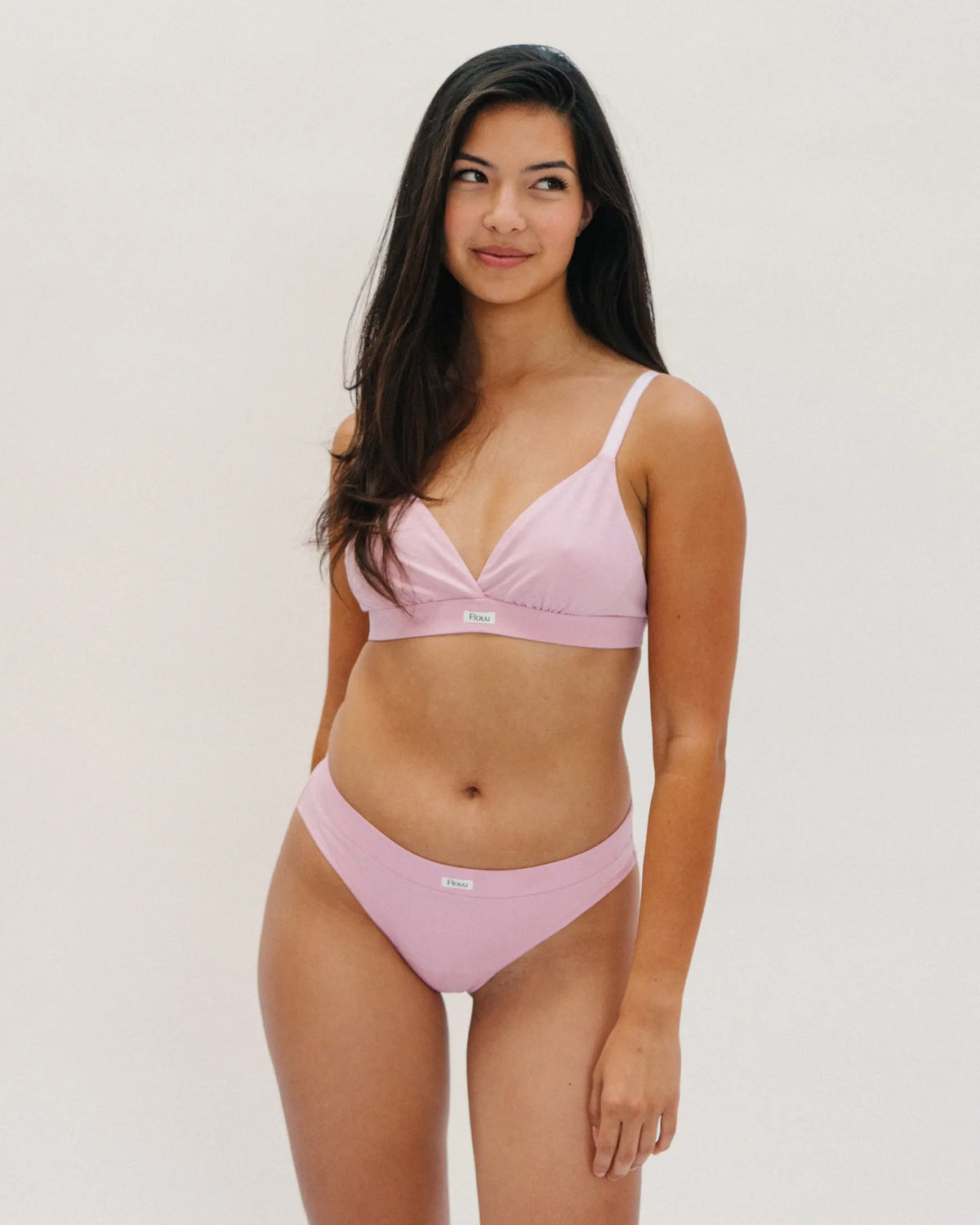
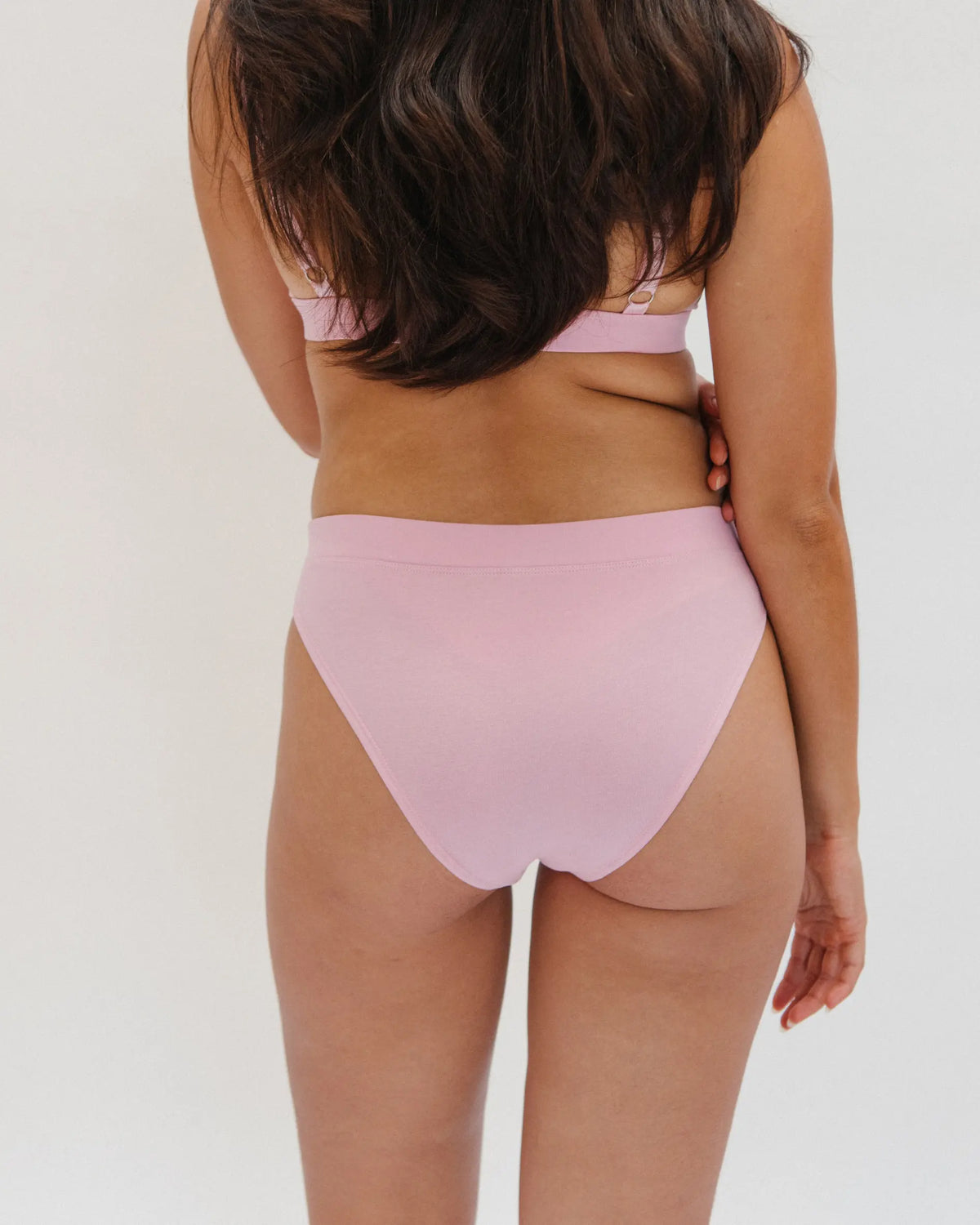
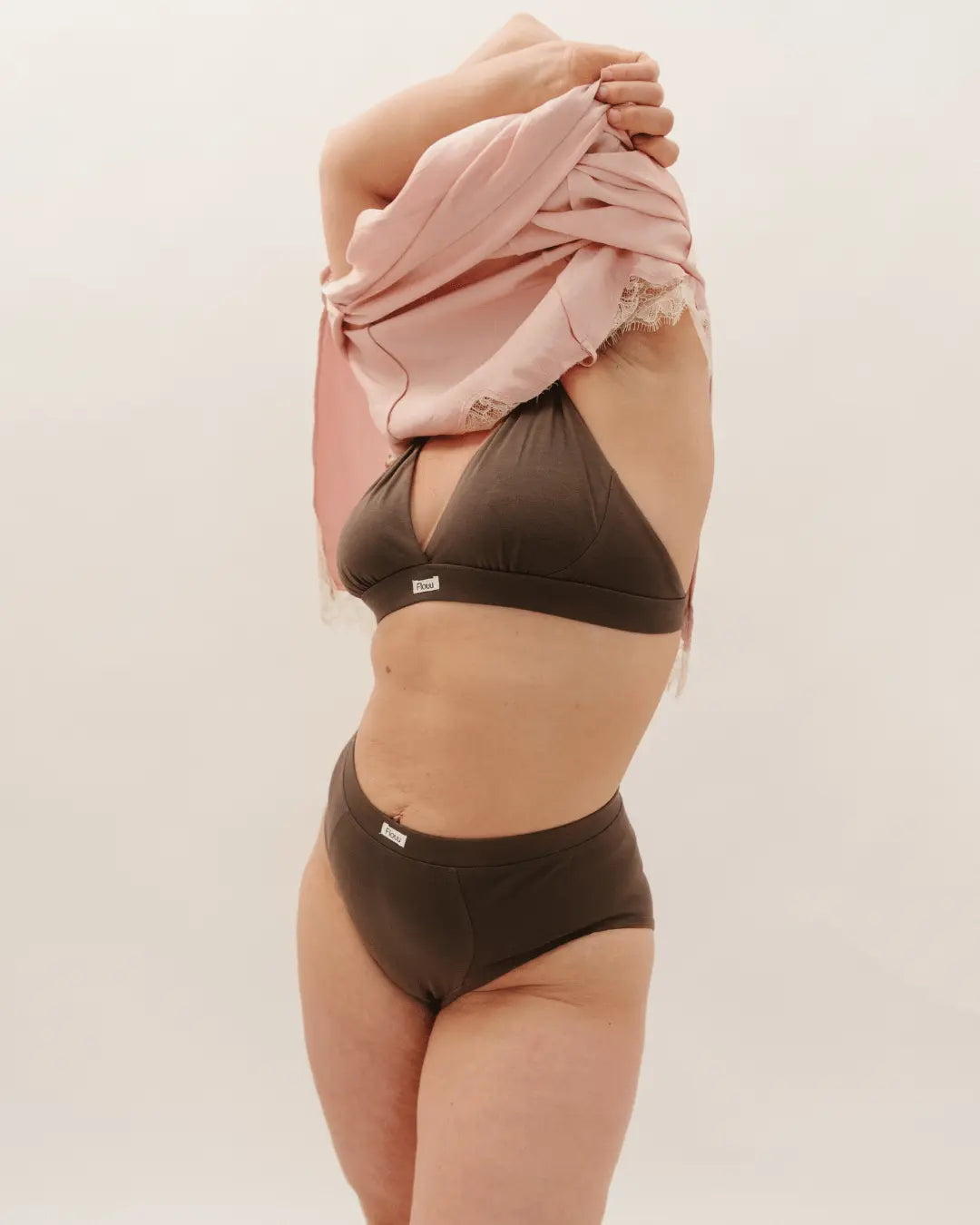
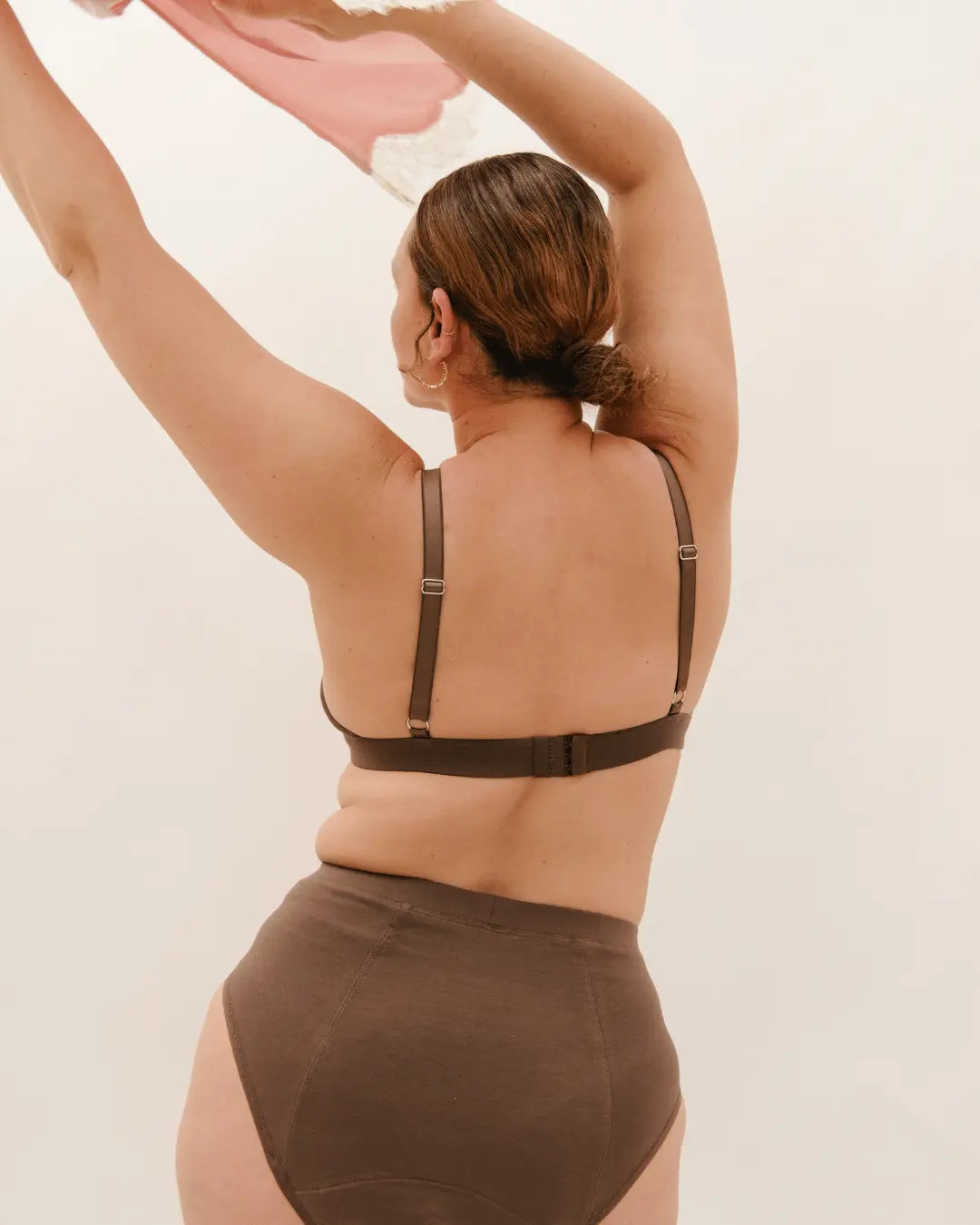
- Menstruationsunterwäsche
- Binden
- Zusätzliche Unterwäsche in der Tasche
Für viele sind Menstruationsunterwäsche der einfachste Einstieg, weil:
- Sie verlangen von Ihnen keine aktiven Handlungen.
- Sie fühlen sich an wie normale Unterwäsche
- Sie gewährleisten den ganzen Tag Sicherheit.
👉 Hier können Sie viel mehr über Menstruationsunterwäsche für Kinder und Teenager lesen.
Eltern: Wie man es sicher und natürlich macht
Wenn Sie Elternteil oder Betreuungsperson einer Person sind, die bald ihre erste Menstruation bekommt, ist Ihre Einstellung für Ihr Kind von größter Bedeutung. Daher hier drei Ratschläge für Sie:
- Sprechen Sie über die Menstruation, bevor sie einsetzt (wenn Sie selbst noch keine Periode haben, seien Sie neugierig auf alles Neue bei Ihrem Kind).
- Verwenden Sie eine ruhige und natürliche Sprache.
- Vermeiden Sie es, die Situation dramatisch oder peinlich zu gestalten.
Man muss nicht alle Antworten kennen – am wichtigsten ist, dass Raum für Fragen bleibt.
Wann sollten Sie reagieren?
Befürchten Sie, dass etwas nicht stimmt? Vielleicht haben Sie sehr starke Menstruationskrämpfe, vielleicht warten Sie noch auf Ihre Periode.Es könnte ratsam sein, mit einem Arzt zu sprechen, wenn:
- Die Menstruation ist nach dem 15. Lebensjahr nicht mehr eingetreten.
- Es treten sehr starke Schmerzen auf
- oder irgendetwas fühlt sich „falsch“ an
Wenn Sie sich nicht ernst genommen fühlen oder nach dem Arztbesuch immer noch besorgt sind, sollten Sie weitersuchen – sprechen Sie mit einem Erwachsenen. Leider muss man als Frau manchmal gleich von Anfang an Druck machen, um ernst genommen zu werden.
Zusamenfassend
Hier listen wir kurz alle kleinen Anzeichen auf, auf die Sie achten können, wenn Sie auf Ihre Periode warten:
- Entladung
- Brustentwicklung
- Haarwachstum
- Stimmungsschwankungen
- Schmerzlinderung
Wenn du die Anzeichen kennst, fühlt sich deine Periode vielleicht etwas weniger unberechenbar – und viel sicherer – an. Und denk daran: Jede Frau vor dir hatte ihre Periode. Es gibt viele Menschen, die du um Rat fragen kannst. Und zum Glück gibt es heute viel mehr Menstruationsprodukte auf dem Markt als zu Zeiten deiner Mutter, sodass auch für dich eine passende Lösung dabei ist.