Heavy menstruation (menorrhagia) – when do you bleed too much?
Do you really know how much you're bleeding?
On average, we bleed about 30-60 mL during a period - 50 mL is equivalent to a regular shot glass, maybe the amount surprises you?
If we ask medical science, menstrual flow is primarily assessed based on two factors:
1) Duration
2) Amount of bleeding
A 'normal' menstrual period lasts 2-7 days and a typical amount of menstrual blood during a full period is approximately 30-60 mL (equivalent to 6 tablespoons).
As you can see, it's a big gap.
How do I know if my menstrual flow is normal or heavy, you ask? Unless you've tried collecting your blood, such as with a menstrual pad or cup, it can be difficult to get an idea of how much you're bleeding, and that can make it difficult to react if something isn't quite right. Just a few drops of blood in the toilet bowl can make the amount look heavy.
But if we don't have insight into our own menstrual flow, it's harder to talk to others and, for example, compare in groups of friends and find out whether our bleeding is moderate or heavy. Fortunately, there are concrete signs of heavy menstruation in addition to the amount of bleeding - read below.
The article is written by journalist Sarah Majgaard

Signs of heavy menstruation (menorrhagia) and when to see a doctor
Heavy or prolonged menstruation is also called menorrhagia. The symptoms of menorrhagia can include:
- Long menstrual duration, often more than 7 days
- That you bleed through one or more pads/tampons per hour - even at night
- That you bleed more than 80 mL during a period
You will likely experience bleeding so heavy that it affects your daily life, you may also experience fatigue or other signs of anemia, which is blood deficiency, if you experience a large amount of blood loss, and you may also experience large blood clots, called clots, during your period.
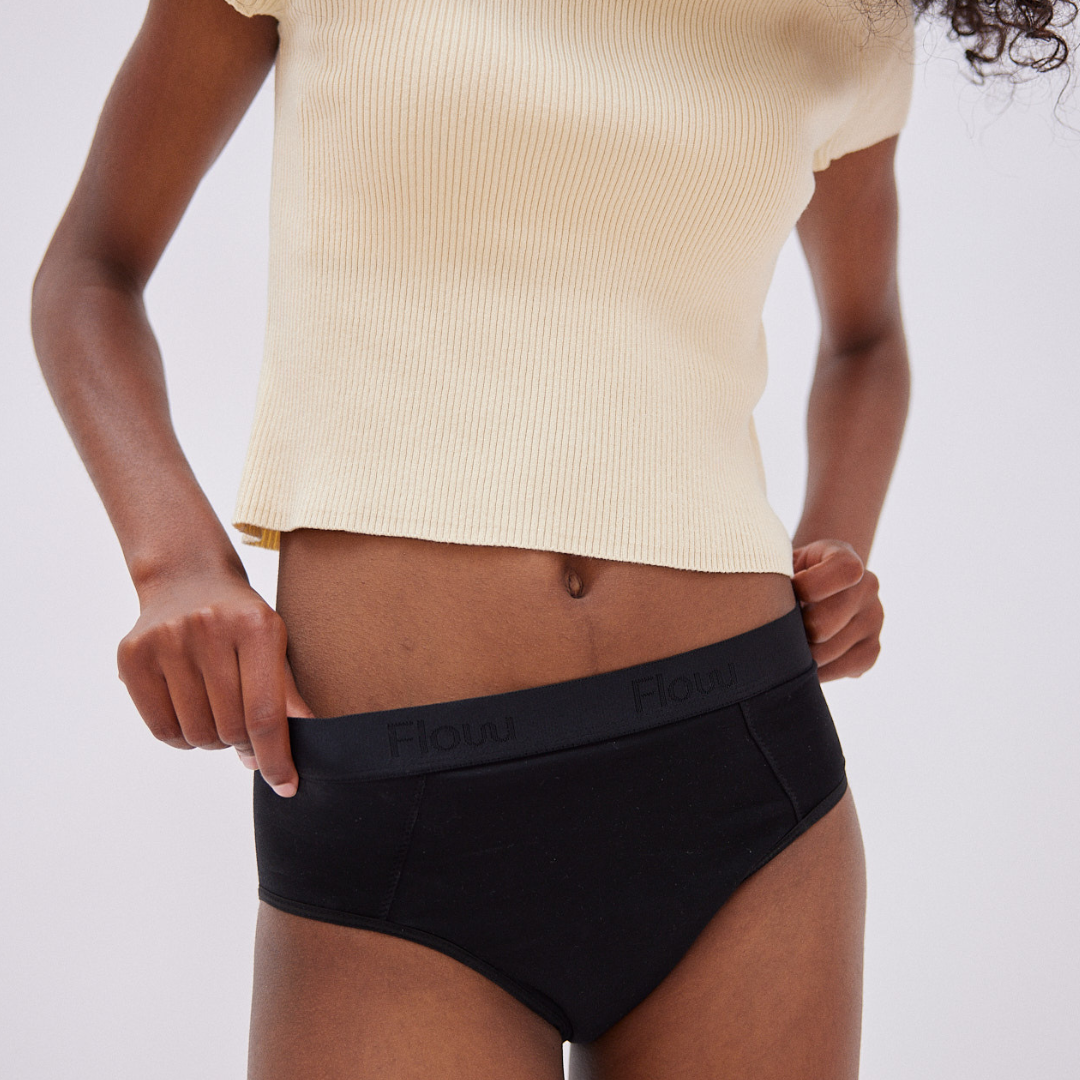
👉 Find our selection of menstrual panties for heavy flow here
Heavy menstrual flow is something to be aware of, as it can affect your well-being and daily life. If you go to the doctor, it is also important that you are taken seriously. In the case of menorrhagia, underlying causes should be investigated, which may be signs of:
- Muscle knots in the uterus ( fibroids )
- Polyps
- Adenomyosis or endometriosis
- Other uterine-related diseases
It can also be a sign of:
- Hormone balance problems, e.g. anovulation (lack of ovulation)
- Thyroid disorders
- Bleeding disorders (e.g. von Willebrand's disease)
- Side effect of any spiral, especially copper spiral
- Other medicines that may affect the blood's ability to clot
- In rare cases: Cancer
Women and people with a uterus have lived with and accepted a lower quality of life for decades, as many 'women-related' challenges have been dismissed as “that's what being a woman is like.” But it doesn't have to be that way.
If your period is affecting your life or health, it may be a good idea to talk to your doctor. You should consider it if you experience:
- That you often bleed through clothes, despite frequent changes of pads, tampons or menstrual panties
- That you experience signs of blood loss such as dizziness, fatigue or nausea
- That menstruation feels bothersome or unmanageable in daily life and affects your sleep at night
- That you excrete larger lumps larger than a 5-kroner
This is also why it is a really good idea to gain insight into your own menstrual flow so that you can detect when something is abnormal and ask for the right help.
👉 Read the article about how long a typical cycle length is
How do you treat heavy menstruation?
The treatment of heavy menstruation (menorrhagia) depends on the cause, your age, whether you want to get pregnant, and how much the bleeding affects your quality of life. A doctor will typically make an individual assessment, which may include a gynecological examination, scan, blood tests (e.g. for iron deficiency or metabolism) and an assessment of your hormonal balance.
Treatment options may include hormonal therapy, which can regulate or reduce bleeding by affecting the uterine lining and ovulation. Options include:
〰️ Birth control pills – can make menstruation more regular and often less heavy
〰️ Progestin treatment – given as a tablet or cyclical treatment
〰️ Mini-pills – can reduce the amount of bleeding in some
Hormonal treatment is often relevant for hormonal imbalance or lack of ovulation (anovulation).
Hormonal IUD (levonorgestrel IUD)
A hormonal IUD is one of the most effective treatments for heavy menstruation, which can significantly reduce bleeding in many people - but it can also cause menstruation to stop completely.
Tranexamic acid (anti-bleeding medicine)
Tranexamic acid is a non-hormonal medication that can reduce bleeding by up to 40-50% - often used if hormonal treatment is not desired.
NSAIDs (e.g. ibuprofen)
NSAID medications are painkillers that work, among other things, by inhibiting the body's prostaglandins, which affect uterine contractions.
If the heavy bleeding is due to a specific condition such as polyps (which can be removed), fibroids (muscle tumors), metabolic disorders or bleeding disorders, then the treatment will be targeted to these.
In special cases, surgical intervention may be needed - surgery is typically relevant if the bleeding is severe, persistent and does not respond to other treatment, so there are several avenues to try before the answer is surgery. In rare cases, you may choose to completely remove the uterus, where the bleeding is coming from. This is called a hysterectomy.
What can affect our bleeding volume?
It is important to mention that our flow is not constant throughout our lives. It is quite natural that our bleeding volume is affected by life, for example by the factors below:
- Stress level
- Hormonal contraception (as mentioned before, the copper coil can, for example, cause bleeding disorders)
- Menopause
- Lifestyle changes (e.g. diet and exercise)
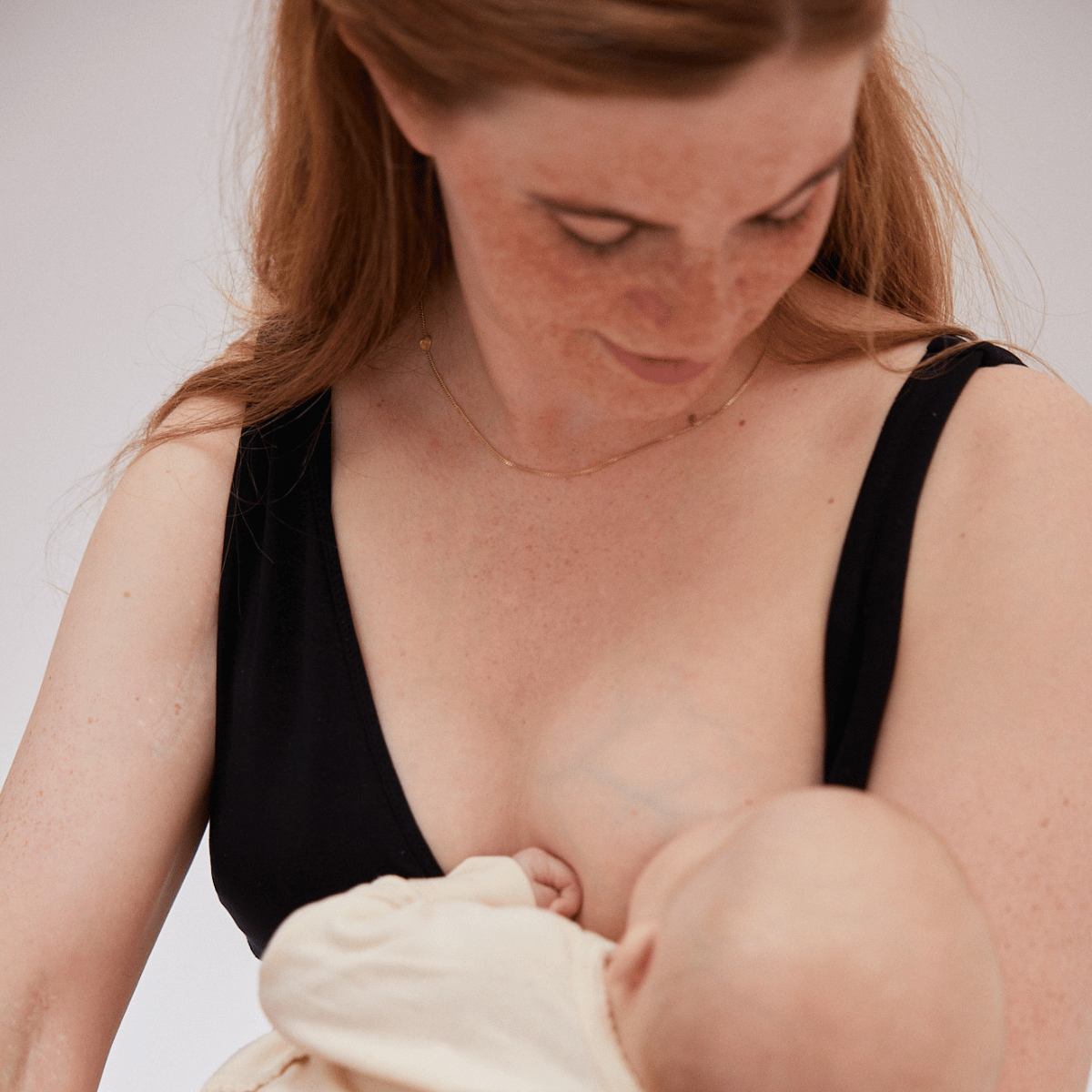
- Postpartum - many experience heavier bleeding after childbirth
Has your bleeding amount changed, then start by looking at the factors above - could there be more natural reasons for the changes in your flow?
Menstrual products are not tested with real menstrual blood - and this can cause problems for menstruating women
When we talk about bleeding amounts, it is important to mention the challenges of one of the doctors' methods for assessing bleeding amounts. Namely, the pad - when they ask how often you change it or your tampon.
Research results from Oregon Health & Science University from 2023 have shown that many menstrual products are tested with a salt water solution (saline) rather than real menstrual blood. This can mean that the stated absorbency of the products does not reflect reality. In the worst case, this can lead to underdiagnosis of heavy periods if the unit of measurement (the pad) is not standardized.
There is currently no global industry standard for testing with real menstrual blood.
Although we unfortunately don't have an industry standard to rely on, you can rest assured knowing that we test our menstrual products with real menstrual blood and not other fluids.
FAQ about heavy menstruation
How much is 80 mL of menstrual blood?
This is equivalent to about 5–6 tablespoons or about two shot glasses.
Is it normal to bleed every hour?
No, it is not. If you have to change your pad/tampon every 1–2 hours, it may be a sign of menorrhagia.
Can stress cause heavier menstruation?
Yes, hormonal fluctuations caused by stress can affect the amount of bleeding.
Are large blood clots normal?
Small lumps may be normal. Lumps larger than 2–3 cm should be evaluated.
Sources: Scientific American , Sundhed.dk , Mayo Clinic, Cleveland Clinic