Visste du at menstruasjonstruser kan redusere avfall med over 90 %?
Visste du at menstruasjonstruser kan redusere avfall fra menstruasjonsprodukter med over 90 % gjennom hele livet, sammenlignet med engangsprodukter som bind?
Det høres kanskje sprøtt ut, men når man regner det utover en hel menstruasjonssyklus, blir forskjellen faktisk ganske tydelig.
Med flow vi jobber med menstruasjon hver eneste dag. Og jo mer vi dykker ned i tallene, desto tydeligere blir det hvor stor forskjellen er gjenbrukbare menstruasjonsprodukter kan gjøre.
Her går vi gjennom beregningen – basert på tall fra Forbrukerrådet Tenk.

Hvor mange menstruasjoner har man i løpet av livet?
La oss starte her. Vi må finne ut hvor mange menstruasjoner en gjennomsnittlig menstruerende person har:
-
Vi har menstruasjon om omtrent 40 år
-
Vi har i gjennomsnitt 13 menstruasjonssykluser per år
Dette gir totalt omtrent:
520 menstruasjonssykluser gjennom hele livet
Når man legger sammen forbruket av menstruasjonsprodukter over så mange sykluser, blir det tydelig hvor mye avfall som kan genereres.
Hvor mange bind eller tamponger bruker du?
I følge beregninger fra Forbrukerrådet Tenk En gjennomsnittsperson bruker omtrent:
25 menstruasjonsprodukter per syklus
Det tilsvarer:
-
ca. 25 bind
eller -
ca. 25 tamponger
Hvis vi ganger det op over et helt liv:
25 produkter × 520 sykluser = 13 000 produkter
Dette betyr at mange menstruerende kvinner bruker rundt 13 000 engangsprodukter i løpet av livet.
👉 Les mer om helserisikoen ved bind og tamponger
Hvor mye avfall skaper bleier?
Et gjennomsnittlig volum veier omtrent 7 gram.
Regnestykket ser derfor slik ut:
13 000 bind × 7 g = 91 000 gram
Dette tilsvarer omtrent:
91 kg avfall
Bare fra volumet alene.
Og mange bind inneholder også plast og superabsorberende polymerer, som ikke brytes ned raskt i naturen.
Hvor mye avfall skaper tamponger?
Tamponger veier i gjennomsnitt rundt 5 gram.
Hvis vi bruker samme utregning:
13 000 tamponger × 5 g = 65 000 gram
Det tilsvarer:
65 kg avfall
Og igjen, det er ofte plast i emballasje, applikatorer eller tråder. Mange engangsprodukter inneholder også opptil 90 % plast, og majoriteten ender opp på søppelfyllinger eller i havet.
Hvordan ser det ut med menstruasjonstruser?
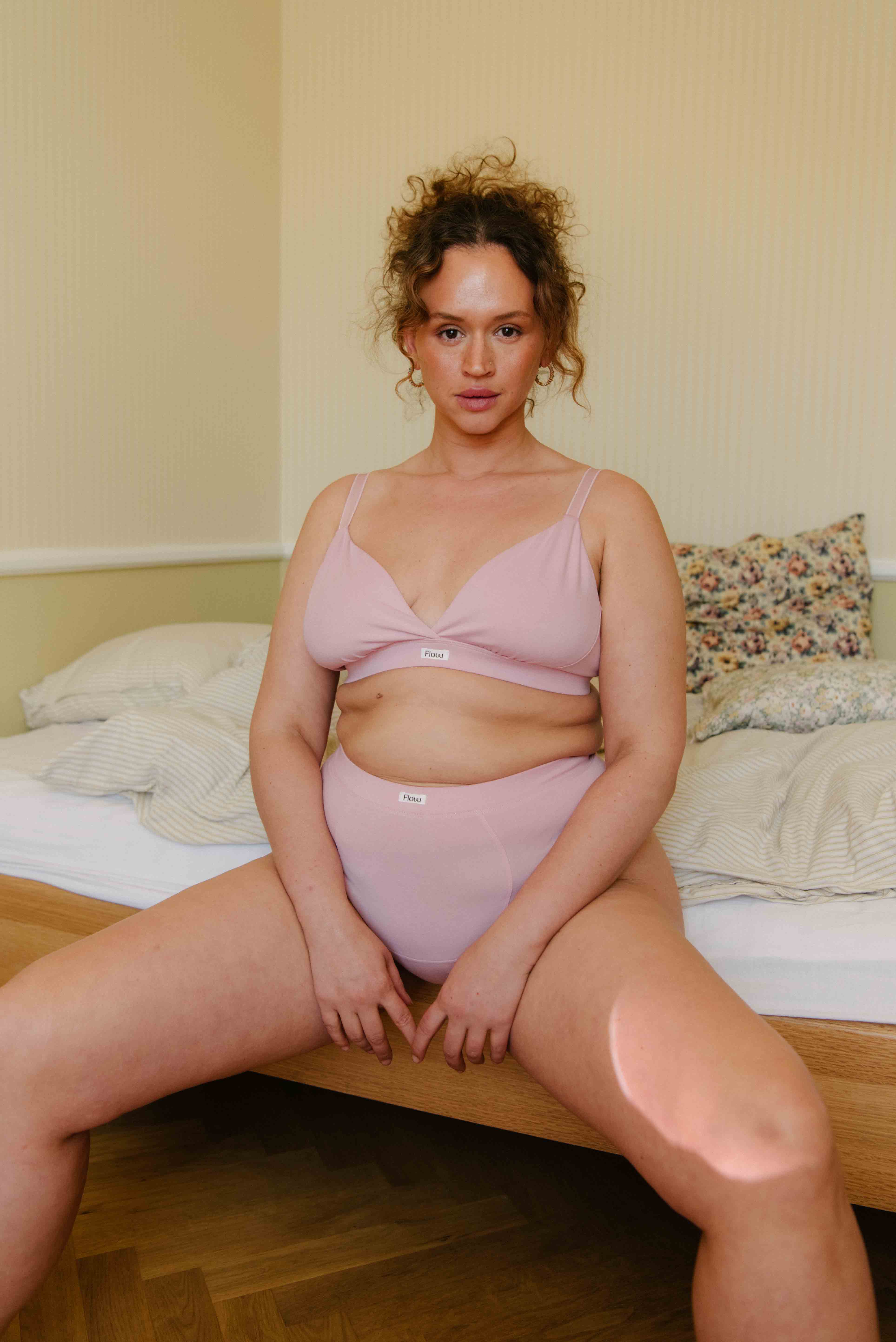
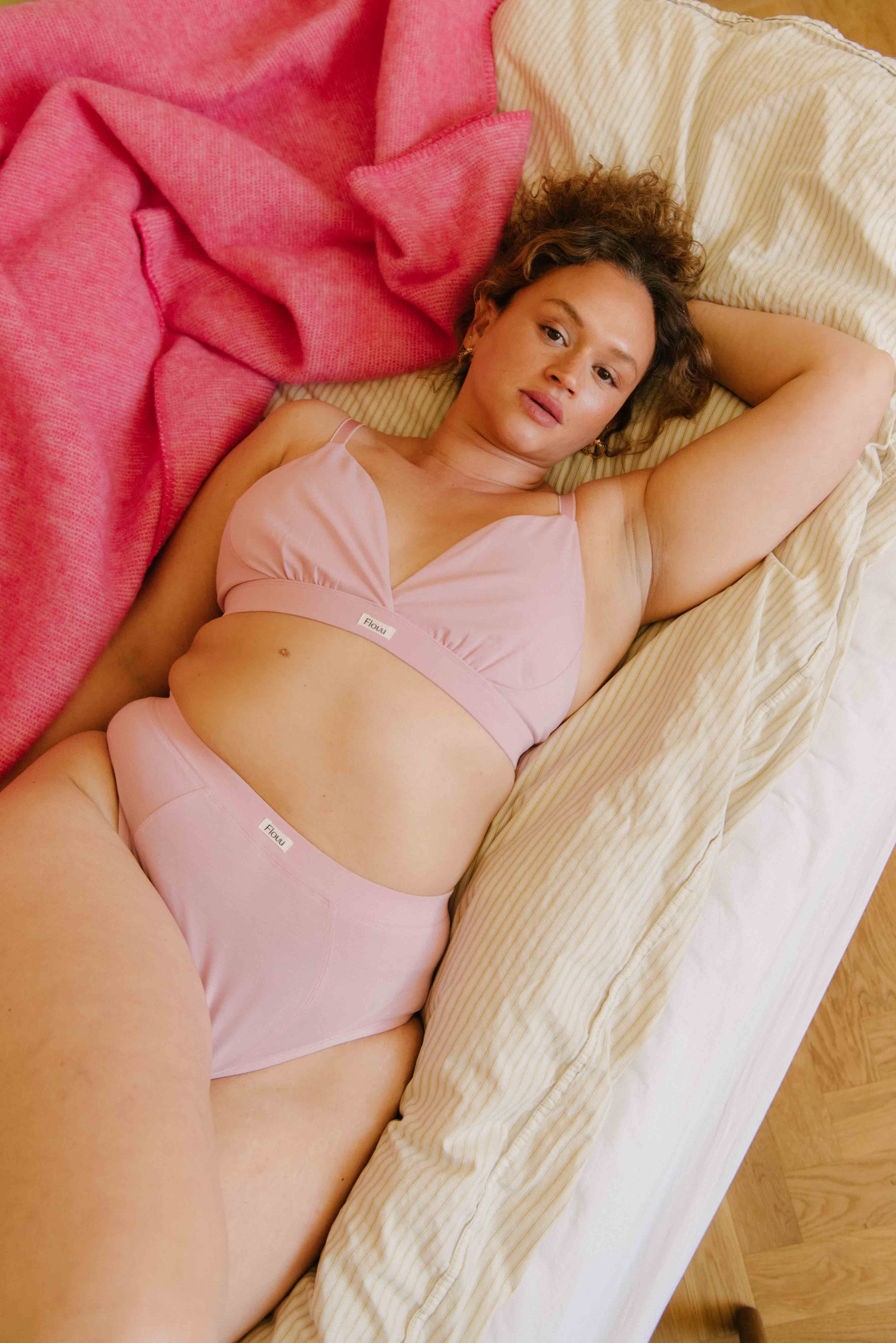
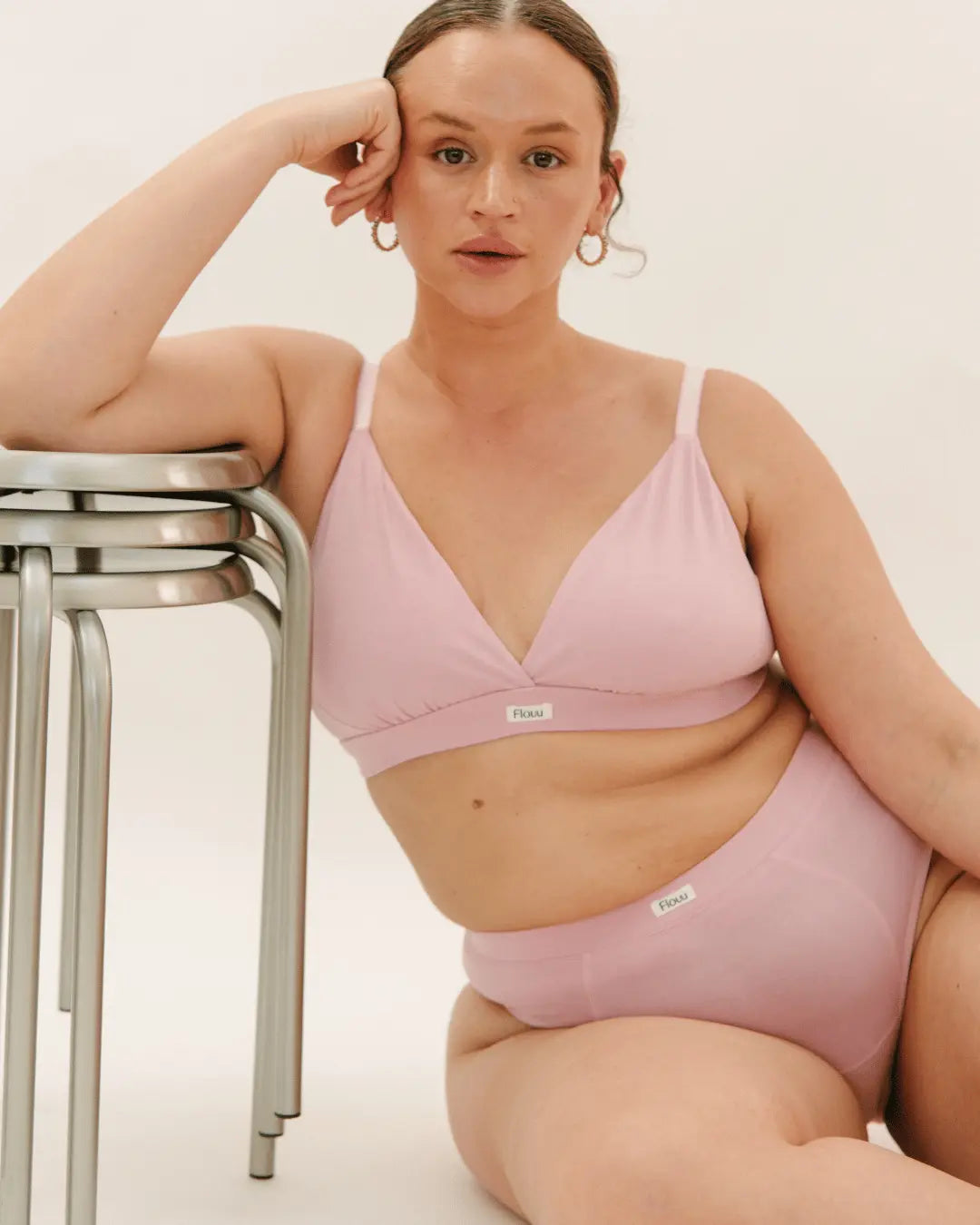
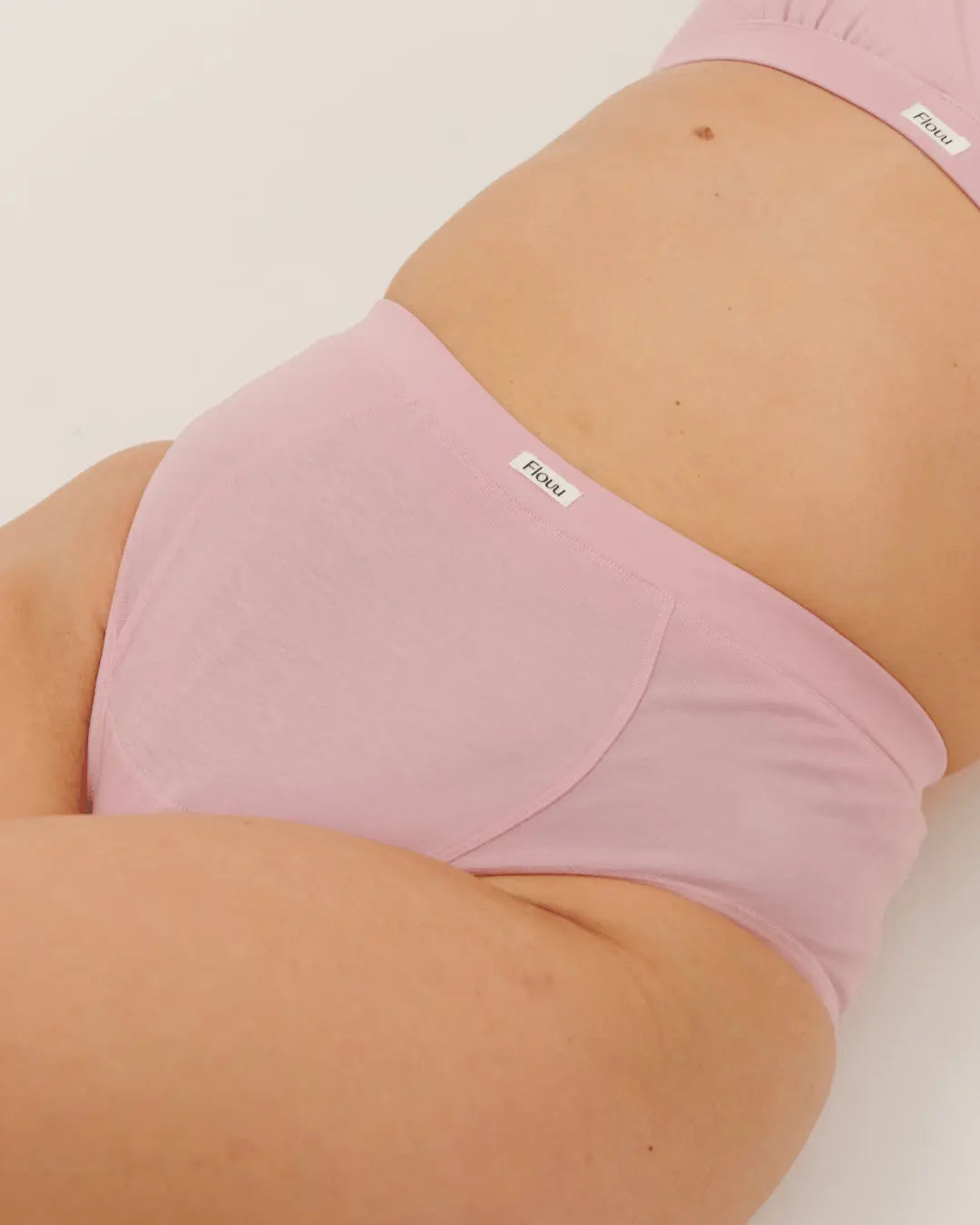
menstruasjonstruser jobbe annerledes fordi de kan brukt igjen og igjen.
Ifølge beregninger fra det danske Forbrukerrådet Tænk, vil en gjennomsnittsperson bruke rundt:
-
6 for menstruasjonstruser
-
med en gjennomsnittlig levetid på 3 år
Hvis hvert par veier rundt 50 gram, det gir:
6 par × 50 g = 300 gram avfall per sett
Over 40 år vil du vanligvis bruke rundt 13 sett.
300 g × 13 = 3,900 gram
Dette tilsvarer omtrent:
3,9 kg avfall i løpet av en levetid
👉 Lær hvordan du best kan ta vare på din menstruasjonstruser under vasken her
Sammenligning: volum vs. menstruasjonstruser
Når man sammenligner mengden avfall:
| Produkt | Avfall gjennom hele livet |
|---|---|
| Binde | ca. 91 kg |
| Tamponger | ca. 65 kg |
| menstruasjonstruser | ca. 3,9 kg |
Dette betyr at menstruasjonstruser kan redusere avfall fra menstruasjonsprodukter med over 90 % sammenlignet med volum.
👉 La oss veilede deg til hvilke menstruasjonstruser er de beste for deg
Hva med menstruasjonskopper?
Menstruasjonskopper er også gjenbrukbare. Vanligvis:
-
veier omtrent en kopp 30 gram
-
kan holde i omtrent 5 år
I løpet av en menstruasjonssyklus vil du derfor bruke omtrent 8 kopper.
30 g × 8 = 240 gram avfall
Den er enda mindre – men kopper fungerer annerledes enn menstruasjonstruser, og mange bruker faktisk begge produktene i kombinasjon.
Bærekraftig menstruasjon handler ikke om perfeksjon
Tallene viser tydelig at gjenbrukbare menstruasjonsprodukter kan redusere avfall betydelig.
Men bærekraft handler ikke om å være perfekt.
For noen fungerer bind eller tamponger best.
For andre, å gi menstruasjonstruser eller kopper gir mer mening.
Det viktigste er kanskje bare å vite at Små endringer i hverdagen kan utgjøre en stor forskjell over tid..
Når du tenker på det, menstruasjon kan vare i omtrent 40 år, er det fornuftig å se på produktene vi bruker om og om igjen.
Kilder:
- Det danske Forbrukerrådet Tenk – menstruasjonstruser og miljø
-
Fourcassier et al. (2022): Livssyklusvurdering av menstruasjonsprodukter
-
FNs miljøprogram (2021): Engangs menstruasjonsprodukter og alternativer til disse
-
WHO / globale rapporter om menstruasjonshygiene
-
UNEPs livssyklusrapport om menstruasjonsprodukter