
Wie lange dauert ein Menstruationszyklus – und wie lange dauert die Menstruation?
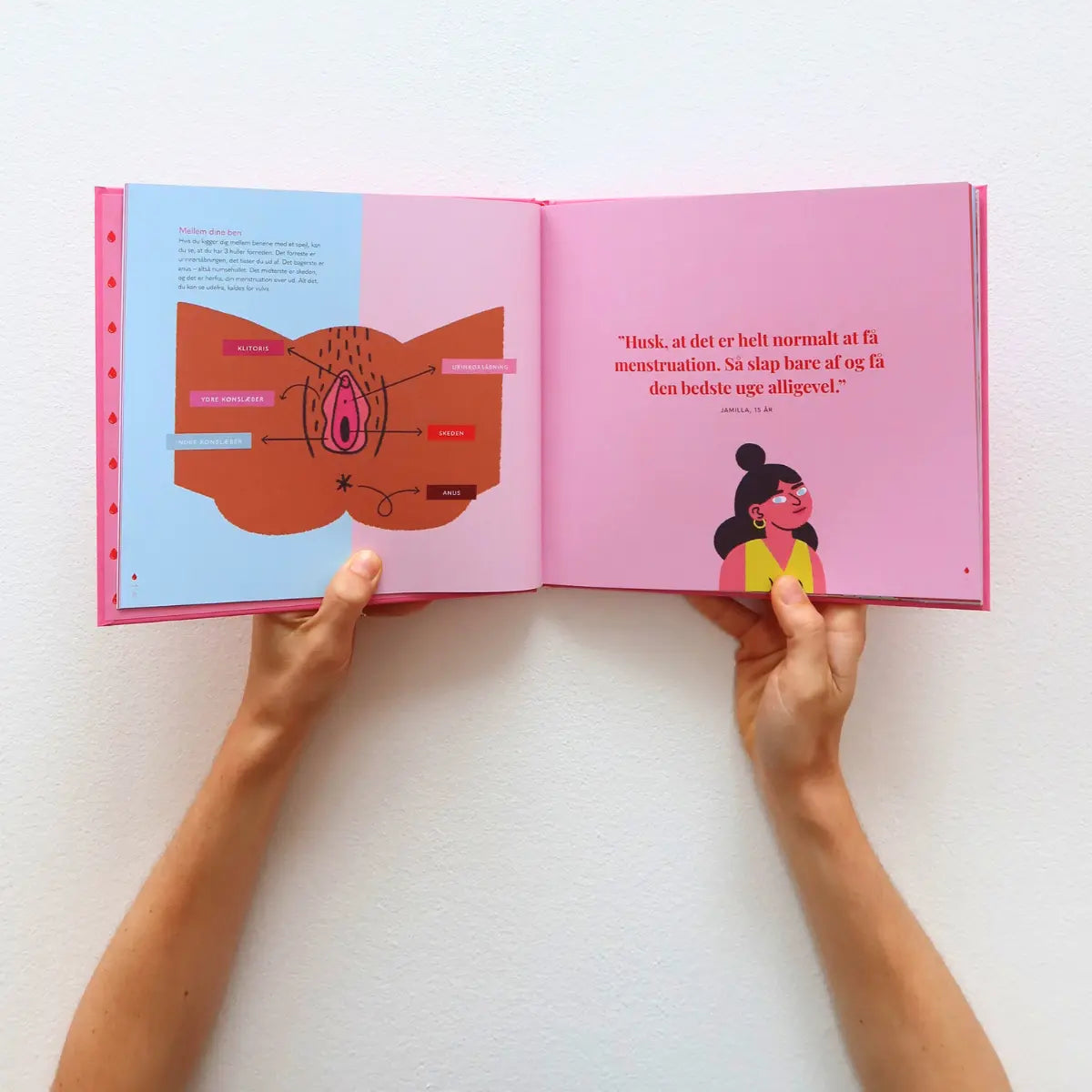
Die Welt der Menstruation <3 Sie erschließt sich uns mit der ersten Blutung und damit einhergehend einer ganzen Reihe von Fragen:
-
Was genau ist ein Menstruationszyklus?
-
Wie lange hält es?
-
Wie viele Tage dauert Ihre Blutung?
-
Ist es normal, dass es unregelmäßig ist?
Wir wollen nicht prahlen, aber wir hier im Büro verfügen zusammen über mehr als 100 Jahre Erfahrung mit dem Thema Menstruation (ja, wir haben nachgerechnet). Wir sind täglich über Kundenservice und Instagram mit Ihnen in Kontakt – wir kennen uns mit allen Fragen rund um das Thema Menstruation bestens aus. Gleichzeitig wissen wir, wie verwirrend das sein kann.
Lasst uns also den Menstruationszyklus aufschlüsseln – ruhig, konkret und ohne Mysterien.

Was ist ein Menstruationszyklus?
Der Menstruationszyklus umfasst den gesamten Zeitraum vom ersten Tag der Blutung bis zum Tag vor Beginn der nächsten Periode. Im allgemeinen Sprachgebrauch sagen die meisten von uns wahrscheinlich einfach „Zyklus“, aber es ist ein und dasselbe. Und er besteht aus mehr als nur der eigentlichen Blutung.
Ein normaler Menstruationszyklus dauert in der Regel 21–35 Tage. Der Durchschnitt liegt bei 28 Tagen, daher wird üblicherweise dieser Zeitraum angegeben. Aber: 28 Tage sind nur ein Durchschnittswert – keine feste Regel.
Manche haben einen regelmäßigen Rhythmus, so regelmäßig, dass sie ihre Uhr danach stellen und ihren Kalender danach planen können. Andere erleben Schwankungen von Monat zu Monat.
Beides kann normal sein.
Wie viele Tage dauert die Menstruation?
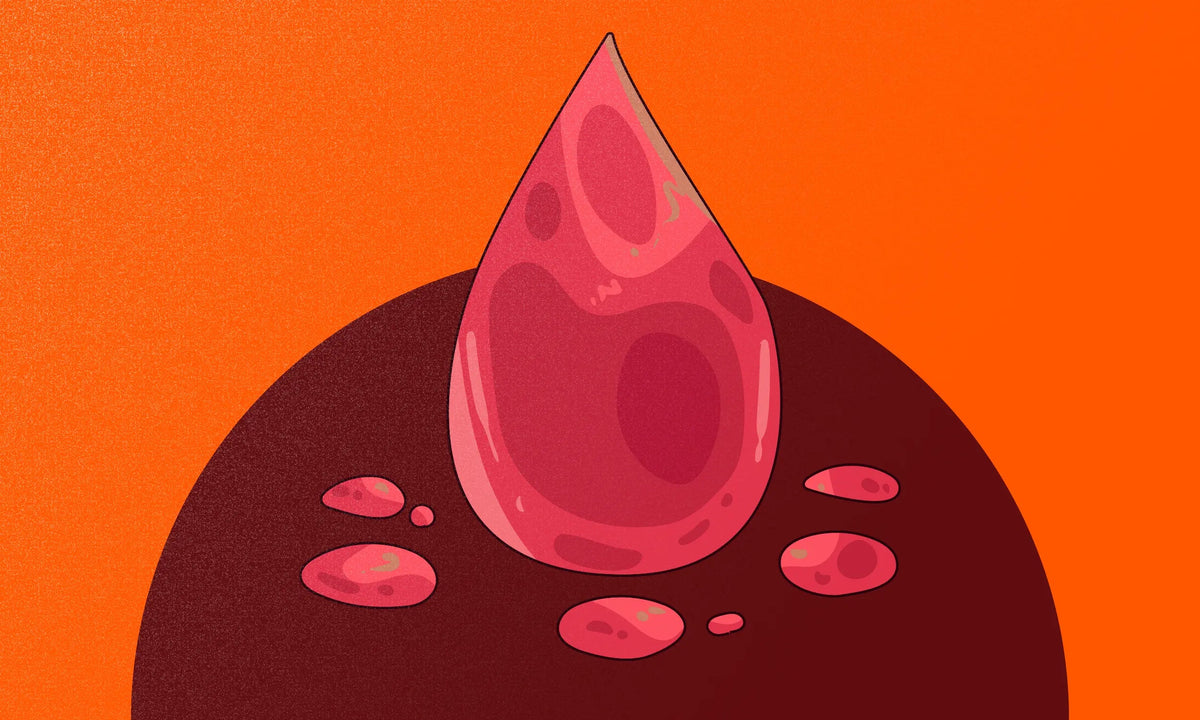
Die Menstruation selbst – die Tage, an denen die Blutung auftritt – dauert in der Regel 3–7 Tage, kann aber in ihrer Stärke variieren. Eine durchschnittliche Menstruation dauert etwa 4–5 Tage.
Und es ist völlig normal, dass:
-
Die ersten Tage sind intensiver.
-
Die letzten Tage sind leichter
-
Die Farbe ändert sich von rot zu bräunlich
-
Blutungen variieren von Zyklus zu Zyklus.
Aber zurück zum Zyklus selbst – die Menstruation ist nur ein Teil davon.
Die vier Phasen des Menstruationszyklus (kurzer Überblick)
Um die Länge zu verstehen, ist es sinnvoll, die vier Phasen zu kennen. Wir haben in diesem Artikel ausführlich darüber geschrieben. Hier also eine Kurzfassung, die Folgendes zusammenfasst:
1. Menstruation (ungefähr Tage 1–5)
Der Körper stößt die Gebärmutterschleimhaut aus.
Die Östrogen- und Progesteronwerte sind niedrig.
Typische Symptome:
-
Ermüdung
-
Krämpfe
-
Blähungen
-
Weniger Energie
2. Follikelphase (ungefähr Tag 1–13)
Beginnt gleichzeitig mit der Menstruation und dauert bis zum Eisprung an.
Was geschieht im Körper?
-
Östrogen erhöht
-
Die Eizellen reifen in den Eierstöcken.
-
Energie und Gewinn steigen allmählich an
3. Eisprung (typischerweise in der Zyklusmitte)
Ähnlich wie der erste Tag der Menstruation ist der Eisprung ein entscheidender Meilenstein – ein physiologischer Wendepunkt, der den Verlauf der nächsten Menstruation beeinflusst. Beim Eisprung wird eine reife Eizelle freigesetzt.
-
Fruchtbares Zeitfenster (ca. 24–48 Stunden)
-
Manche bemerken einen gesteigerten Sexualtrieb
-
Manche Frauen verspüren Schmerzen beim Eisprung.
4. Lutealphase (ungefähr Tag 15–28)
Normalerweise dauert es etwa so lange wie Ihre Follikelphase (aber das ist sehr individuell, und Sie wissen nur genau, wie Ihr Körper reagiert, wenn Sie Ihre Biomarker beobachten: Ausfluss, Muttermund, Temperatur). Der Progesteronspiegel steigt. Wenn die Eizelle nicht befruchtet wird:
-
Der Hormonspiegel sinkt
-
PMS-Symptome können auftreten
-
Die neue Menstruation beginnt
Und dann fängt alles wieder von vorne an.
👉 Wenn Sie tiefer in den Zyklus und die inneren Jahreszeiten eintauchen möchten, lesen Sie den Artikel über die vier Phasen der Menstruation.
Ist ein unregelmäßiger Zyklus normal?
Die überwiegende Mehrheit von uns erlebt Perioden mit unregelmäßigen Zyklen, insbesondere:
-
In den ersten 1–2 Jahren nach der ersten Menstruation
-
Nach Schwangerschaft und Geburt
-
Die Perimenopause
-
Unter Stress
-
Für größere Lebensstiländerungen
Es kann 1 bis 1,5 Jahre dauern, bis sich der Zyklus nach der Menarche (ersten Menstruation) stabilisiert. Mehr dazu können Sie aber in diesem Artikel nachlesen.Zusammenfassend lässt sich sagen: Ein Zyklus muss nicht 28 Tage dauern, um gesund zu sein.
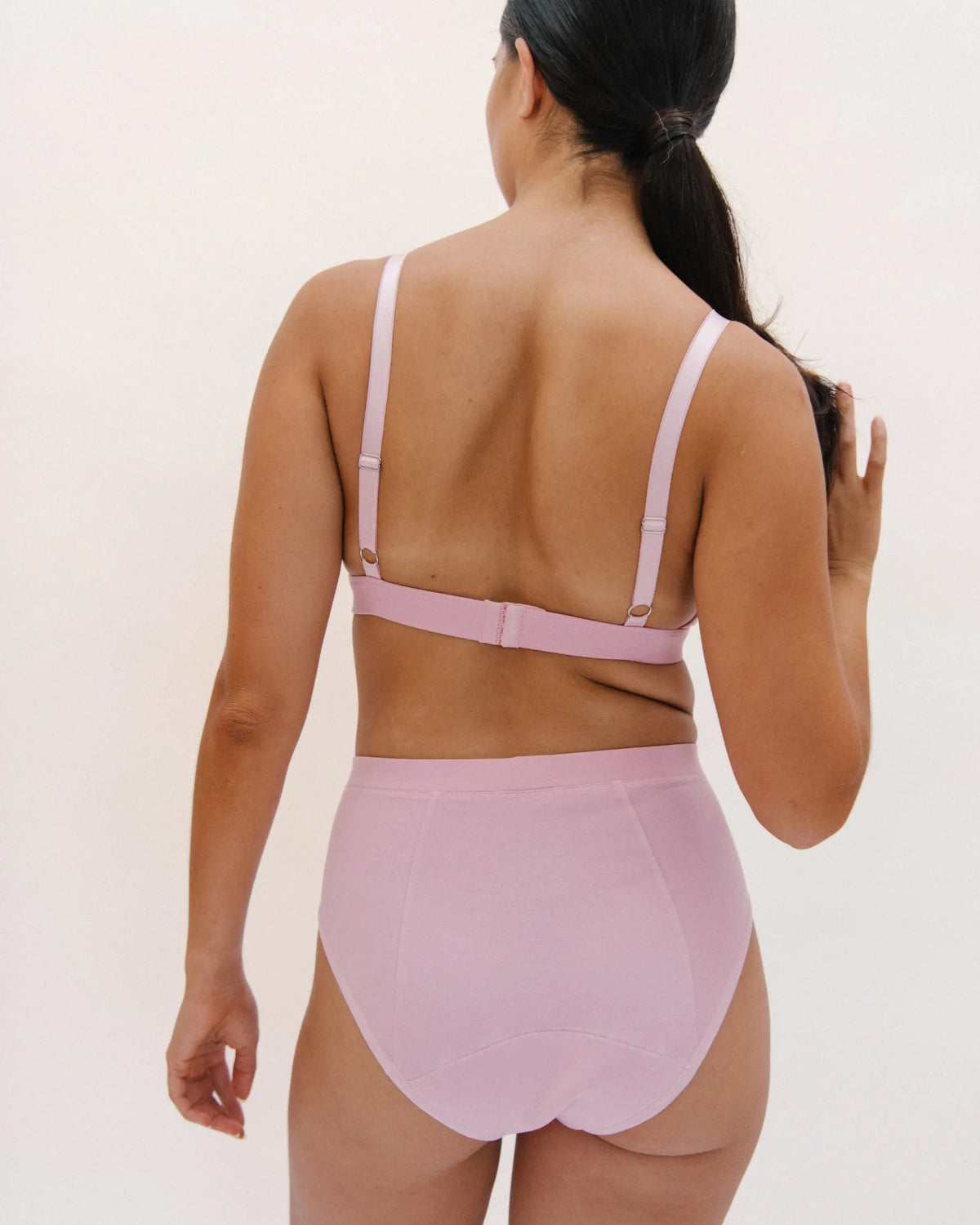
👉 Wussten Sie, dass einer der größten Vorteile von Menstruationsunterwäsche darin besteht, dass sie zu den wenigen Menstruationsprodukten gehört, die man schon vor der eigentlichen Menstruation verwenden kann? Wenn Sie also nicht sicher sind, wann Ihre Periode einsetzt: Ziehen Sie einfach Menstruationsunterwäsche an und Sie sind vorbereitet.
Was beeinflusst die Länge des Menstruationszyklus?
Es gibt verschiedene Faktoren, die Ihre Zykluslänge beeinflussen können – vielleicht erkennen Sie einige der folgenden Symptome wieder:
-
Betonen
-
Schlafen
-
Gewichtsverlust oder Gewichtszunahme
-
Intensives Training
-
Hormonelle Verhütung
-
Hormonelle Veränderungen
Wichtiger als die genaue Zahl ist die Veränderung im Laufe der Zeit. In diesem Artikel können Sie mehr darüber lesen, warum Ihre Periode verspätet sein kann.
Wie trackt man seinen Zyklus genau?
Apps sind sehr beliebt und es gibt unzählige davon. Sie eignen sich hervorragend, um einen groben Überblick zu geben. – aber sie raten nur. Jeder Zyklus ist einzigartig und lässt sich nicht algorithmisch berechnen. Wenn Sie Ihren Zyklus genauer kennenlernen möchten, können Sie Folgendes tracken:
-
Basaltemperatur
-
Veränderungen des Scheidenausflusses
-
Veränderungen am Gebärmutterhals
Es erfordert ein wenig Geduld – bietet aber großartige Einblicke. Hier erfahren Sie mehr darüber, wie Sie Ihren Ausfluss als Orientierungshilfe für Ihren Zyklus nutzen können.
Wann solltest du reagieren?
Machen Sie sich Sorgen um Ihren Zyklus? Vielleicht verhält er sich anders als gewohnt. Wenden Sie sich an Ihren Arzt, wenn:
-
Ihr Zyklus verändert sich plötzlich deutlich
-
Sie bluten sehr stark (Lesen Sie hier mehr über Menorrhagie.)
-
Sie haben über einen längeren Zeitraum Zyklen von weniger als 21 oder mehr als 35 Tagen.
-
Ihre Periode tritt innerhalb von weniger als 3 Wochen auf
-
Sie haben mehrere Periodenausfälle, ohne schwanger zu sein.
Wenn wir also ganz von vorne anfangen würden, würde ich das kurz wie folgt skizzieren:
Dein Körper macht nichts falsch, wenn er nicht den Anweisungen einer App folgt – nur du kennst deinen Körper, und dieses Wissen ist der Schlüssel zu tiefem Selbstverständnis und Erkenntnis. Weiter:
-
Ein Menstruationszyklus dauert in der Regel 21–35 Tage.
-
Die Menstruation dauert in der Regel 3–7 Tage.
-
28 Tage sind ein Durchschnittswert – keine Norm.
-
Veränderungen sind normal – genau wie sich das Leben verändert.
Alles Gute zur Blutung, wie man so schön sagt – pass gut auf dich auf.
Häufig gestellte Fragen – Menstruationszyklus
Wie lange dauert ein normaler Menstruationszyklus?
Ungefähr 21–35 Tage.
Wie viele Tage dauert Ihre Blutung?
Üblicherweise 3–7 Tage.
Ist es normal, dass mein Zyklus nicht 28 Tage dauert?
Ja. 28 Tage sind nur ein Durchschnittswert.
Kann Stress meinen Zyklus beeinflussen?
Ja. Stress kann den Eisprung verzögern und somit den Zyklus verlängern.
Ist es normal, dass mein Zyklus als Teenager unregelmäßig ist?
Ja. Es kann bis zu 1–2 Jahre dauern, bis sich die Lage stabilisiert.