
Menstruationskrämpfe: Warum sie auftreten – und 5 natürliche Wege, sie zu lindern
Für viele Frauen sind Menstruationskrämpfe ein ständiger Begleiter, wenn die Tage in der Zyklus-App rot angezeigt werden. Wie eine kleine Erinnerung des Körpers, welche Zeit im Monat gerade ist – falls man es vergessen haben sollte (unmöglich, oder?).
Nach Angaben des American College of Obstetricians and Gynecologists leiden etwa 60–80 % aller Frauen irgendwann in ihrem Leben unter Menstruationsschmerzen.
Für manche ist es nur ein leichtes Murren.
Für andere fühlt es sich an, als würde ein Güterzug durch den Bauch rasen.
Als wir vor Jahren Ihre Schmerzen während der Blutung untersuchten, erwähnten Sie, dass diese in die Oberschenkel ausstrahlen, Schmerzen im Bereich des Rektums auftreten und von Migräne gefolgt sein können. Wir sollten das gesamte Symptombild ausführlicher besprechen.
Schmerzen sind zwar häufig, aber nicht normal. Und man muss sich nicht zwangsläufig in dieser Situation wiederfinden. Zunächst sollten wir verstehen, was im Körper tatsächlich vor sich geht.
Der Artikel wurde von Emma Libner verfasst, Autorin, Aktivistin für vaginale Rechte und Sexualwissenschaftlerin.Es wird 2026 von Cathrine Wichmand mit neuen Erkenntnissen aktualisiert.

Was sind Menstruationskrämpfe?
Menstruationskrämpfe, auch Dysmenorrhoe genannt, entstehen durch die Zusammenziehung der Gebärmutter, um die Gebärmutterschleimhaut abzustoßen. Sie fühlen sich an wie leichte Wehen, ähnlich wie bei der Geburt.
Diese Kontraktionen werden durch Botenstoffe, sogenannte Prostaglandine, ausgelöst. Je höher der Prostaglandinspiegel, desto stärker die Kontraktionen – und desto schmerzhafter.
Die Kontraktionen können:
-
Reduzieren Sie kurzzeitig den Blutfluss.
-
Verursachen Krämpfe
-
drückende Schmerzen im Unterbauch
-
Ausstrahlend um den unteren Rücken und die Oberschenkel hinunter
Es ist also keine „Einbildung“, sondern Physiologie.
Und noch ein Bonus zu den Prostaglandinen?
Sie können während der Periode zu Magenbeschwerden führen – im Englischen gibt es dafür sogar einen eigenen Begriff: Periodenstuhl. Mehr dazu können Sie in dem hier angebotenen Artikel lesen.
Wie fühlen sich Menstruationskrämpfe an?
Die Intensität und die genaue Lokalisation von Menstruationskrämpfen können von Zyklus zu Zyklus variieren. Die häufigsten Symptome während der Menstruation sind folgende:
-
Bauchkrämpfe
-
Der Lärm oder ich
-
Schmerzen im unteren Rückenbereich
-
Schmerzen in den Beinen
-
Brechreiz
-
Durchfall
-
Kopfschmerzen
-
Ermüdung
Die Schmerzen sind in der Regel nicht an jedem Tag des Zyklus gleich stark, aber bei manchen Frauen beeinträchtigen sie die Arbeitsfähigkeit, den Schlaf, die Lebensqualität und die Beziehungen. Das ist ein sehr hoher Preis für einen Zyklus.
Wenn herkömmliche Schmerzmittel nicht helfen oder die Schmerzen Sie stark beeinträchtigen, sollten Sie immer einen Arzt aufsuchen. Starke Schmerzen können beispielsweise folgende Anzeichen sein: Endometriose, Adenomyose oder anderen zugrunde liegenden Erkrankungen.
👉 Hier können Sie mehr darüber lesen, was Endometriose ist und warum jede zehnte Frau betroffen ist.
5 natürliche Wege zur Linderung von Menstruationsbeschwerden
Und nun zum Wesentlichen: 5 natürliche Wege, Menstruationsbeschwerden zu lindern. Das heißt, ohne Schmerzmittel – aber denken Sie daran, dass diese Methode am besten bei leichten bis mittelschweren Schmerzen wirkt.
1. Hitze – der alte Klassiker
„Was nicht kaputt ist, muss man nicht reparieren.“ Das Heizkissen funktioniert – und das hat seinen Grund.
Hitzeinselverbessert die Durchblutung, einentspannt die Muskeln,Verringert Krämpfe.
Mehrere Studien deuten darauf hin, dass Wärmetherapie in manchen Fällen genauso wirksam sein kann wie leichte Schmerzmittel. Wärme kann auf folgende Weise zugeführt werden:
-
Heißes Bad
-
Heizfläche
-
Sauna (Lesen Sie hier den Artikel über Saunabesuche während der Menstruation.)
-
Dicke Bettdecke und Ruhe (Es lindert auch die PMS-Beschwerden.)
Und Ruhe ist nicht nur gemütlich – Erholung hilft dem Nervensystem, sich zu beruhigen.
2. Bewegung – sanft, nicht brutal
Es mag absurd erscheinen, bei Schmerzen an Sport zu denken. Aber sanfte Bewegung kann helfen:
-
Steigerung der Durchblutung
-
Spannungen reduzieren
-
Freisetzung von Endorphinen (den körpereigenen Schmerzmitteln)
Yoga, Dehnübungen, gemütliche Spaziergänge oder leichte Mobilitätsübungen genügen.
Es geht nicht darum, den Körper zu überlasten. Es geht darum, ihn zu unterstützen.
👉 Lesen Sie hier mehr über die Vorteile von Sport während der Menstruation.
3. Magnesium – muskelentspannendes Mineral
Magnesium spielt eine zentrale Rolle im Körper und für die Muskelfunktion. Ein niedriger Magnesiumspiegel wird mit einer erhöhten Krämpfanfälligkeit in Verbindung gebracht. Deshalb Wir haben unsere eigene Körperlotion mit Magnesium entwickelt, eine beruhigende Creme.Magnesium kann:
-
Entspannen Sie die glatte Muskulatur der Gebärmutter.
-
Reduzierung der Prostaglandinproduktion
-
Schmerzintensität reduzieren
Magnesium ist enthalten in:
-
Grünes Blattgemüse
-
Nüsse
-
Bohnen
-
Fetter Fisch
-
Dunkle Schokolade (ja!)
Magnesium kann auch als Nahrungsergänzungsmittel eingenommen werden, man sollte sich jedoch der verschiedenen Arten bewusst sein.
4. Kurkuma und entzündungshemmende Ernährung
Kurkuma enthält Curcumin, das entzündungshemmende Eigenschaften besitzt. Entzündungen spielen eine Rolle bei Menstruationsbeschwerden. Curcumin kann:
-
Entzündungen reduzieren
-
Erinnerung an die Wirkung milder NSAR
Ein Tipp: Mit schwarzem Pfeffer kombinieren (Piperin verbessert die Aufnahme deutlich). Goldener Latte? Warum nicht?
5. Aromatherapie und das Nervensystem
Aromatherapie ist keinesfalls eine klassische Medizin – aber sie kann das Nervensystem beeinflussen und Ihr Wohlbefinden steigern. Studien haben gezeigt, dass beispielsweise Lavendelöl bei manchen Menschen Schmerzen lindern kann. Sie können:
-
Verwendung eines Diffusors
-
Öl ins Bad geben
-
Den Bauch mit verdünntem Öl massieren
Vielleicht funktioniert es. Vielleicht auch nicht. Aber die Beruhigung des Nervensystems wirkt an sich schon schmerzlindernd.
Ein letzter Punkt, den Sie berücksichtigen sollten, ist Ihr Menstruationsprodukt. Es ist nicht ungewöhnlich, dass manche Menschen bei der Verwendung von Tampons, Binden oder Menstruationstassen stärkere Schmerzen verspüren.
Menstruationsprodukte, die in den Körper eingeführt werden, können Reizungen im Unterleib verursachen und die Krämpfe verstärken, da der Körper versucht, das Störende loszuwerden.
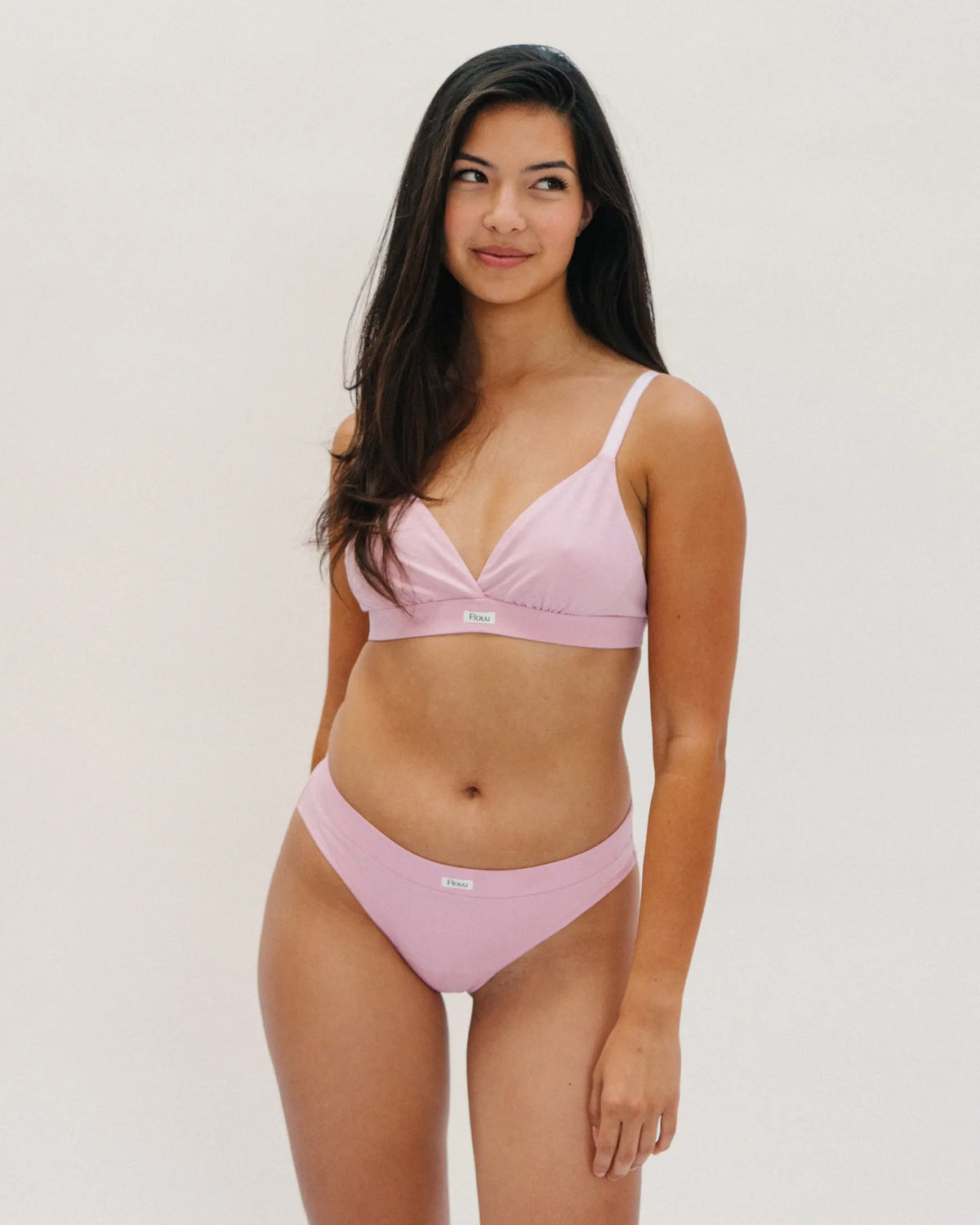
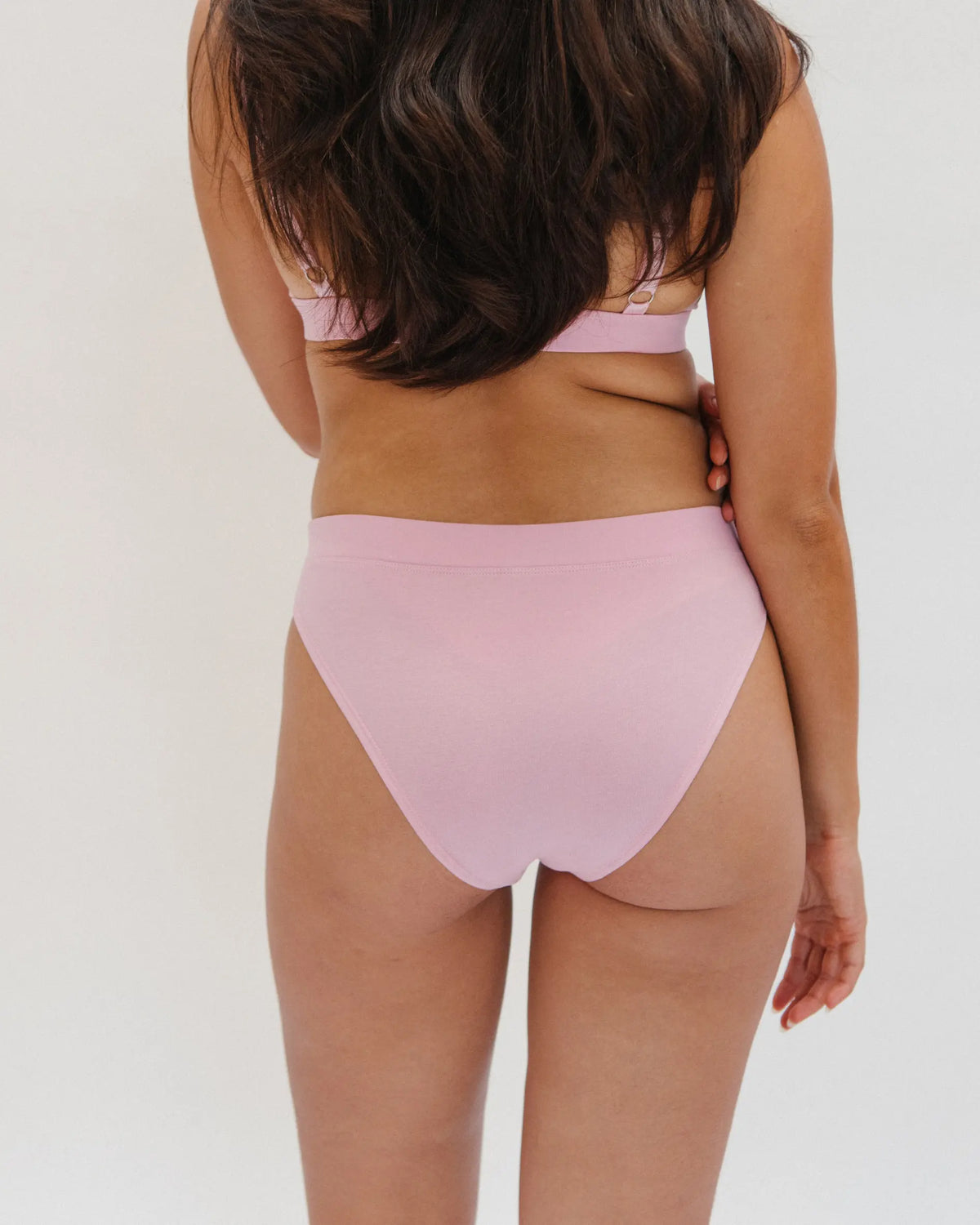
Hier könnten Menstruationshöschen als nicht-invasives Produkt eine bessere Option darstellen.
Unsere Auswahl mit drei verschiedenen Saugleistungen finden Sie hier.
Wann sind Menstruationskrämpfe nicht „normal“?
Viele Menschen empfinden zwar Schmerzen, doch ist es wichtig zu wissen, dass diese nicht zur Arbeitsbehinderung führen sollten. Zögern Sie nicht, Ihren Arzt zu kontaktieren, wenn:
-
Sie müssen sich jeden Monat krankmelden.
-
Die Schmerzen halten mehrere Tage an.
-
Die Schmerzen verschlimmern sich mit der Zeit.
-
Schmerzmittel helfen nicht.
-
Sie verspüren Schmerzen beim Sex.
-
Sie haben sehr starke Blutungen.
Es könnte ein Anzeichen für Folgendes sein:
-
Myomer
-
Vaginalinfektion
Je schneller Sie reagieren, desto besser.
Häufig gestellte Fragen: Menstruationsschmerzen
Warum bekommst du Menstruationskrämpfe?
Aufgrund von Prostaglandinen, die Kontraktionen der Gebärmutter auslösen.
Ist es normal, starke Schmerzen zu haben?
Leichte Schmerzen sind häufig, ja. Starke Schmerzen sollten jedoch ärztlich abgeklärt werden.
Helfen Antibabypillen gegen Menstruationsbeschwerden?
Ja, das kann vorkommen, da sie den Eisprung hemmen und die Schleimbildung reduzieren. Sie sollten jedoch nicht die erste Wahl bei starken Schmerzen sein. In diesem Fall sollten zunächst die zugrunde liegenden Ursachen abgeklärt werden.
Kann die Ernährung Menstruationskrämpfe beeinflussen?
Ja. Magnesium und eine entzündungshemmende Ernährung können wirksam sein.
Verschwinden Menstruationskrämpfe nach der Schwangerschaft?
Für manche ja. Für andere nein. Manche erleben tatsächlich beides. Ovulationsschmerzen und die Menstruationsschmerzen werden stärker.