
First period: 5 tips for fathers who want to support their child

author: Emma Libner, co-author: Cathrine Widunok Wichmand
First period: 5 tips for fathers who want to support their child
When the first period - also called menarche - comes, it can be a big upheaval for your child. With menstruation comes not only a new cycle and a body that needs to be re-acquainted with, which in itself can be a bit of a mouthful. Your child also suddenly has to learn to navigate a new identity, where she may not feel quite like a child or quite an adult yet.
That's why it's crucial to get the right help and advice - not least from the father. Because even if you, as a father, don't menstruate yourself, you're certainly not ruled out of this important chapter in your child's life. On the contrary, you can play a crucial role in ensuring that your daughter has a safe start to her menstruating life - something we ourselves would have wanted when we were younger.
This guide is for you as a father who wants to support your child safely and respectfully when the first period signs up. Here you will get 5 concrete tips about knowledge, conversation, practical support and emotional security:
1. Be prepared for your child's first period
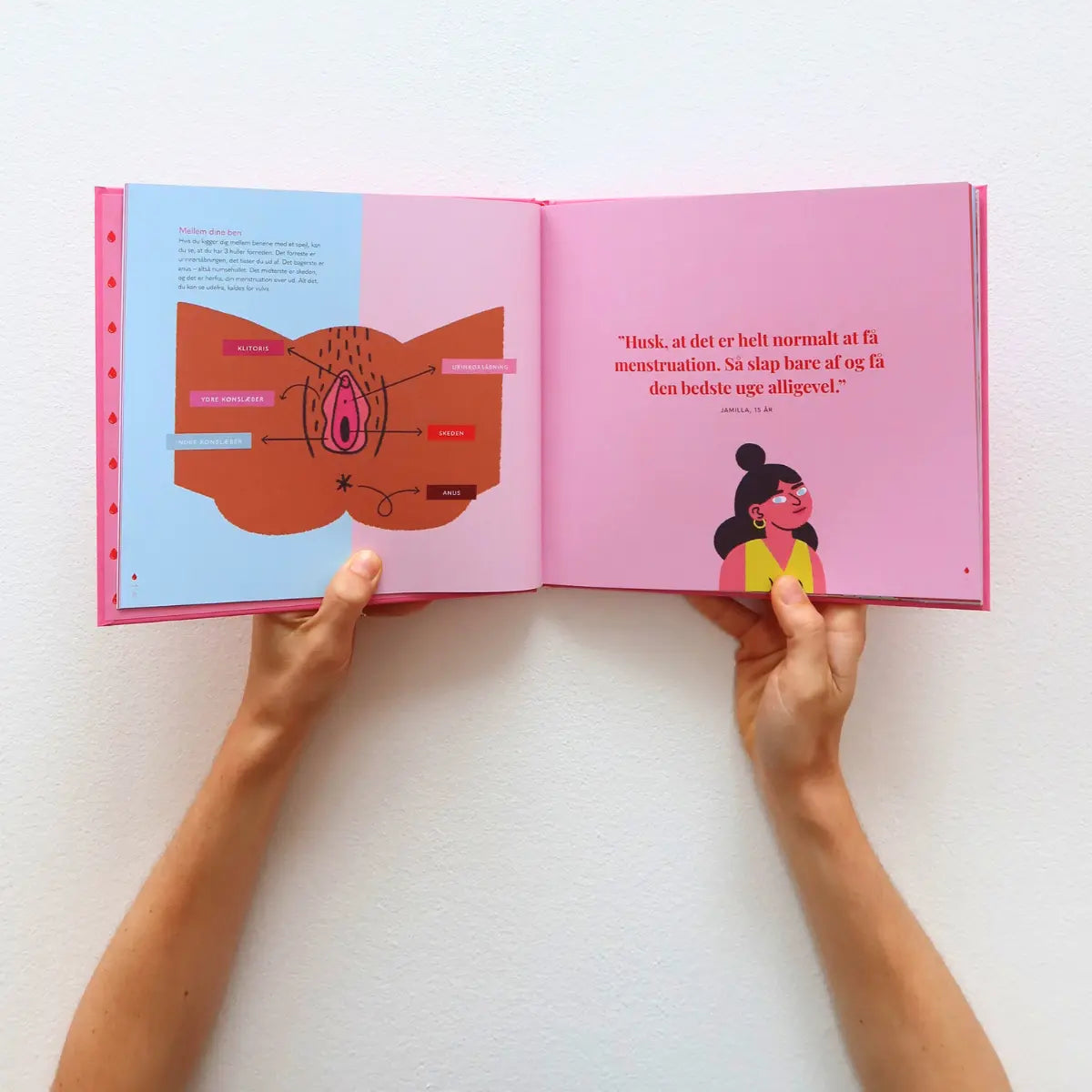
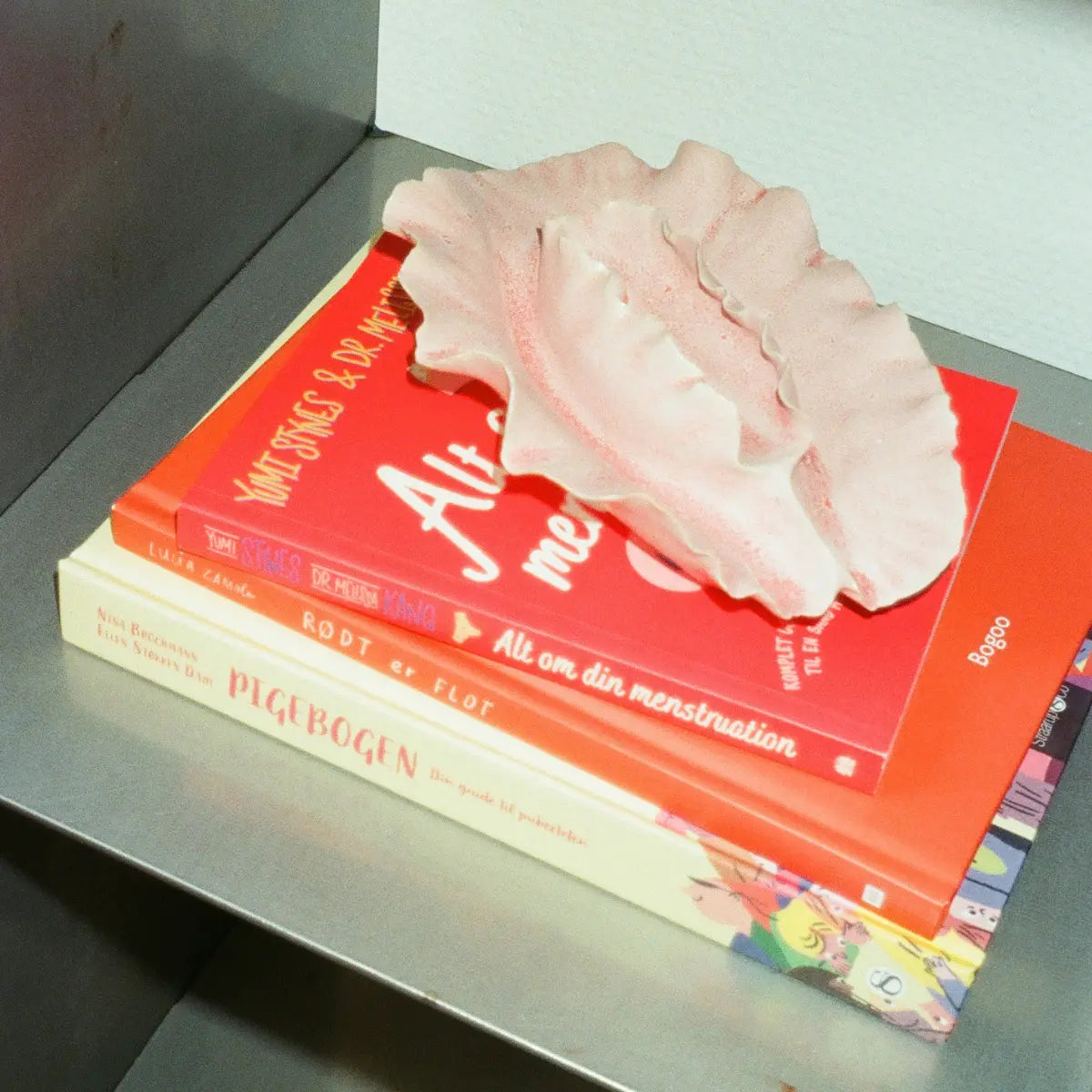
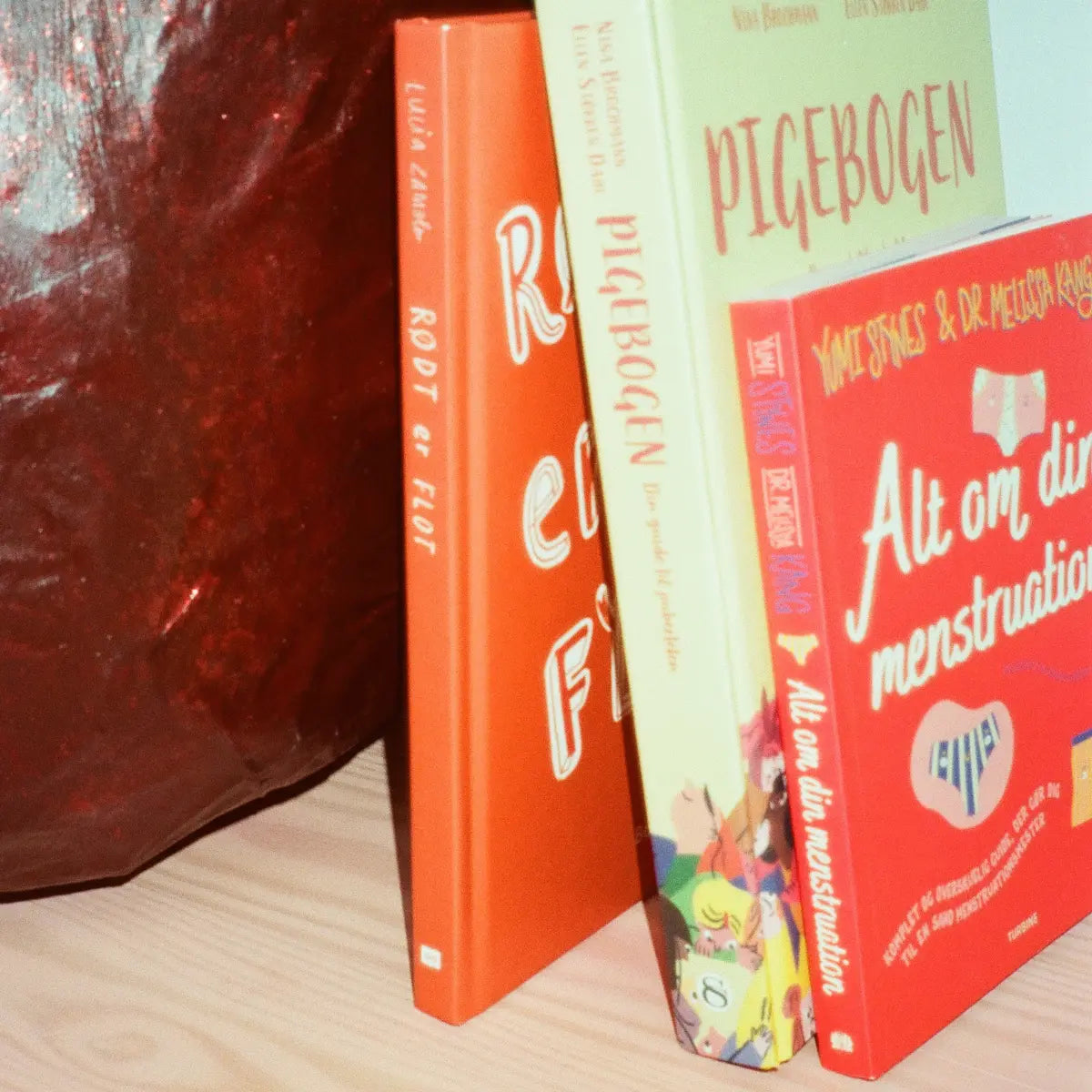
Our first piece of advice may be obvious: Read up on your homework so you can pass on your knowledge to your child. Many fathers may think that they don't have much to contribute because they haven't experienced period on your own body. Fortunately, the lack of physical experience does not stand in the way of reading up on the basic facts, so you can answer any questions that may arise and give your daughter the support she needs. We can highly recommend the book, among other things “It's just blood” by Louise T. Sjørvad and Jette Sandbæk, which you can also read with your child. Remember: The more you know about period, the better you can be there for your child when it's her turn!
👉 Find many more books about the body and cycle for children and adults here.
2. Listen to your child's needs and let them know you are curious with them
If you haven't been in the habit of talking openly about your body at home before, the time around the first period an obvious time to do so. Therefore, think about how you can help create a safe atmosphere at home where your daughter feels comfortable talking about her feelings out loud. period; ask her how she is feeling and be ready to listen without judging or interrupting.
In short: Let your child know that period is a completely normal topic that she can talk to you about when she needs to. Your openness and genuine curiosity can make a huge difference in how your child experiences their period (and not least her relationship with you!) - a gift that she can take with her for the rest of her (menstruating) days.
3. Practical support when your child gets period
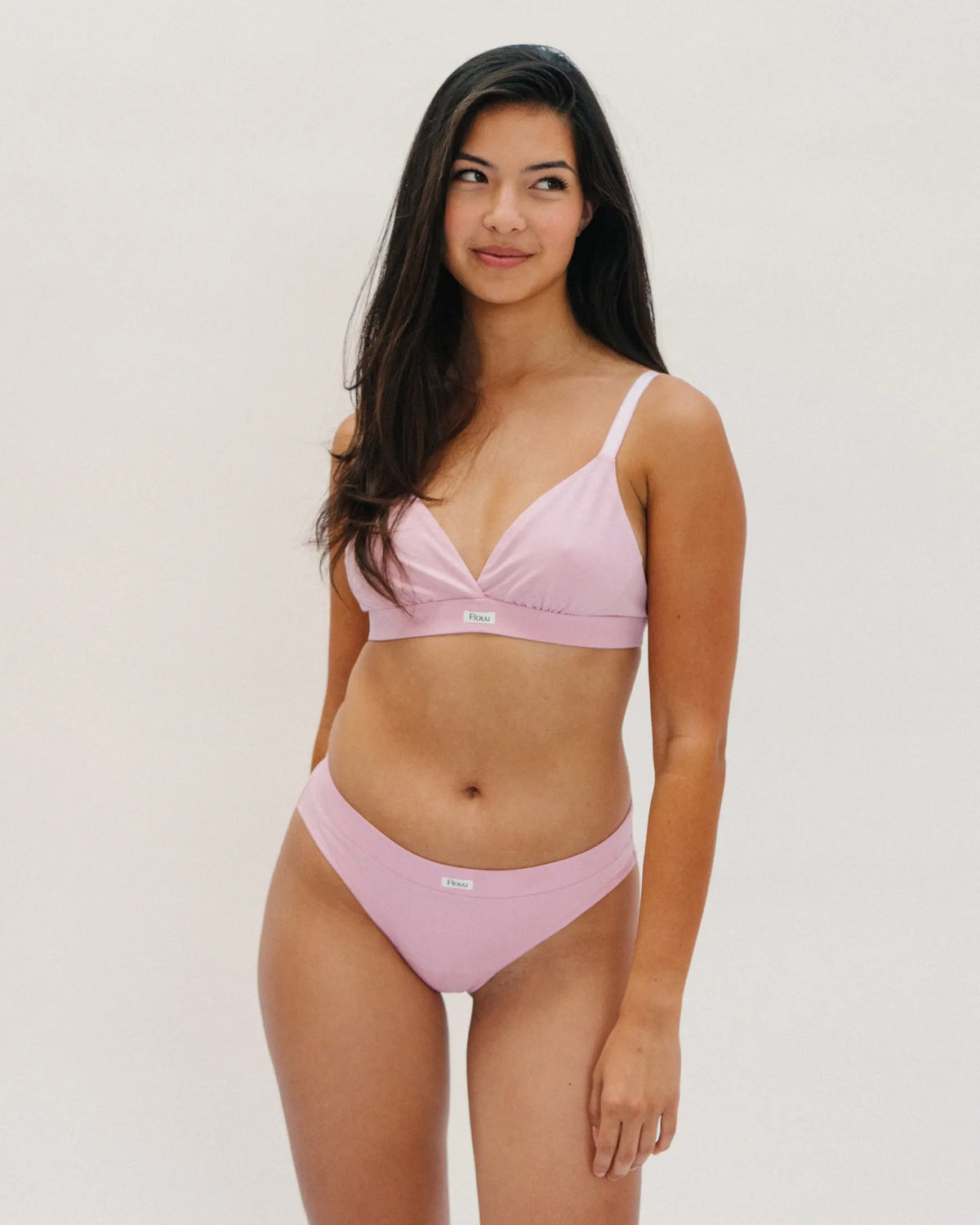
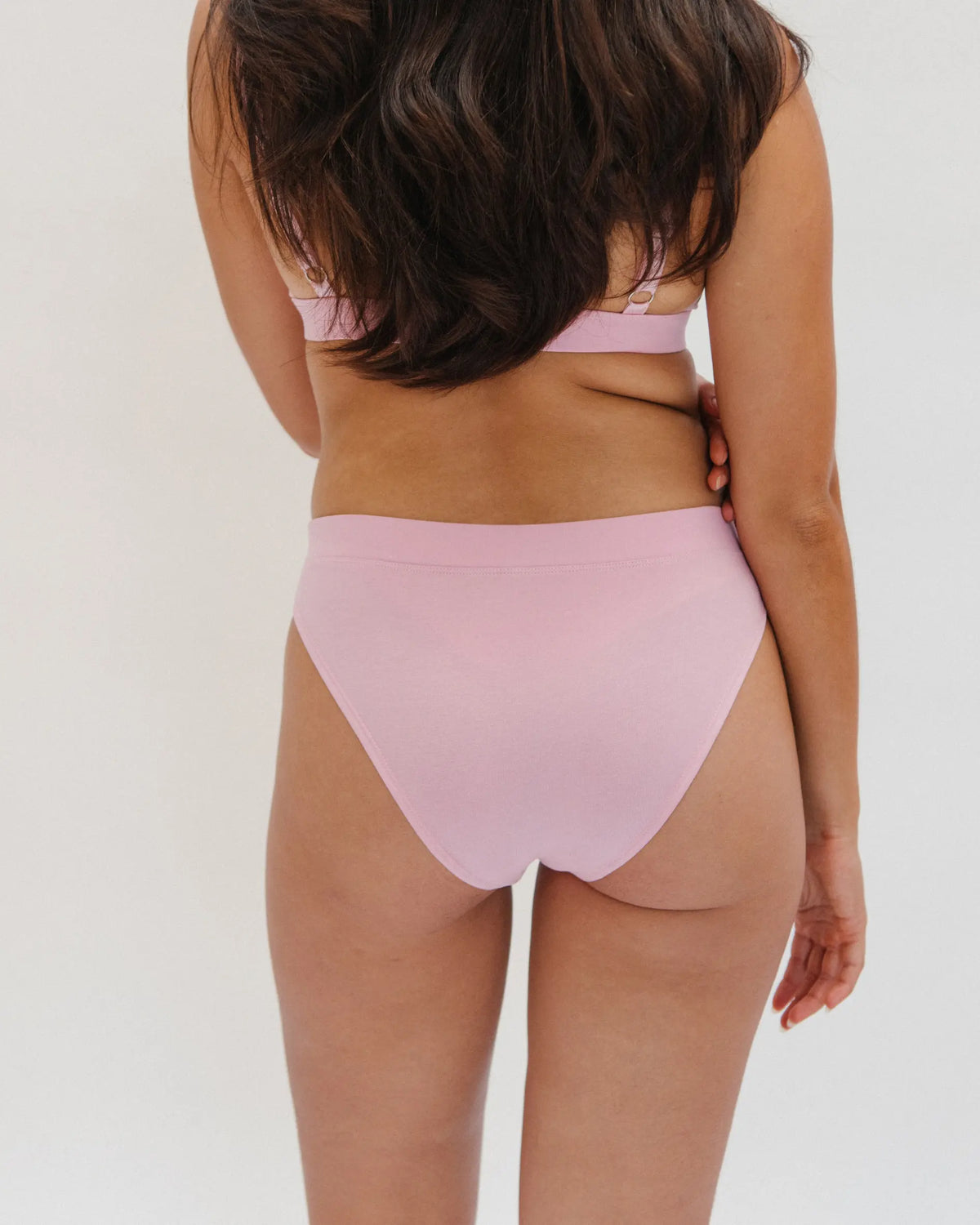
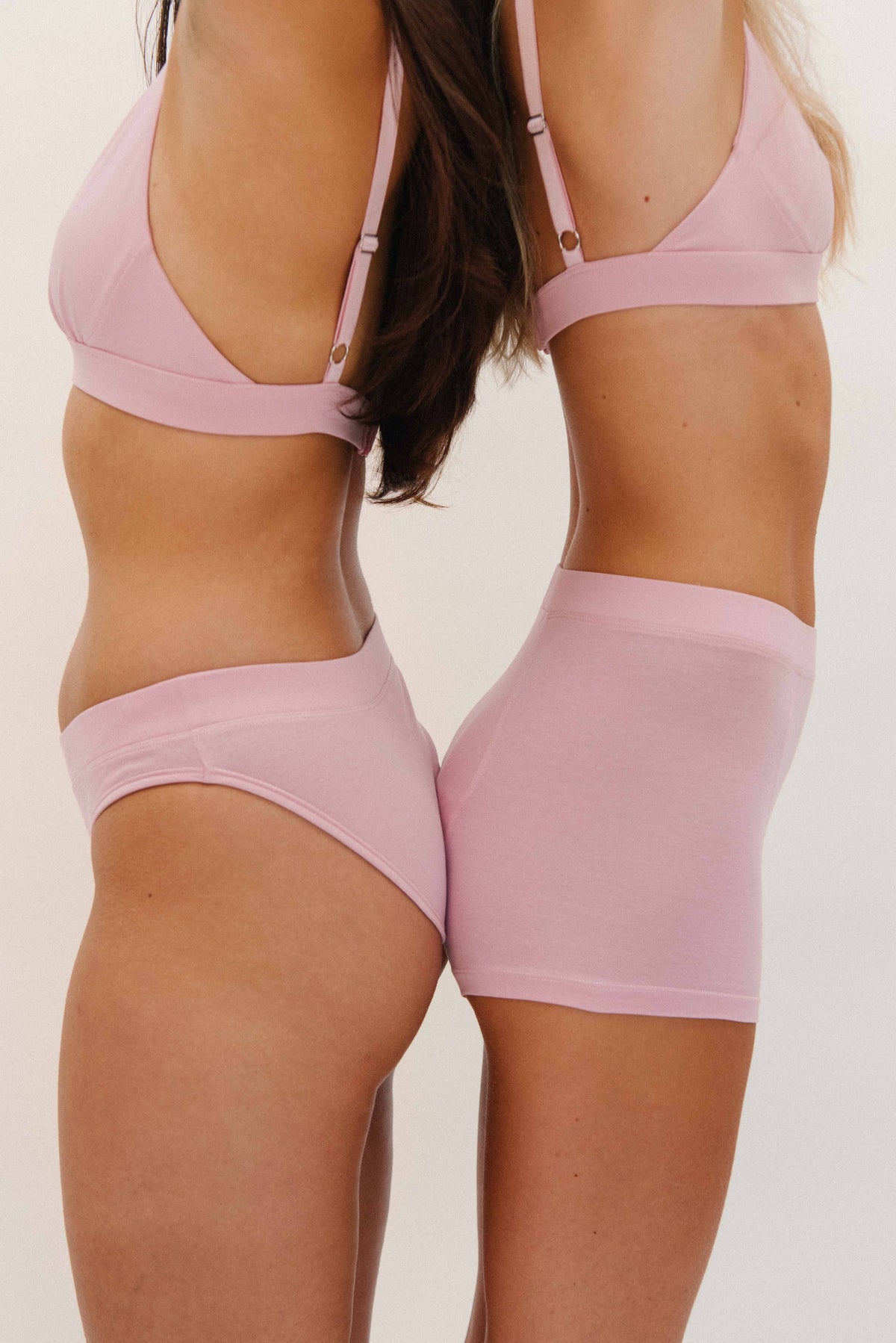
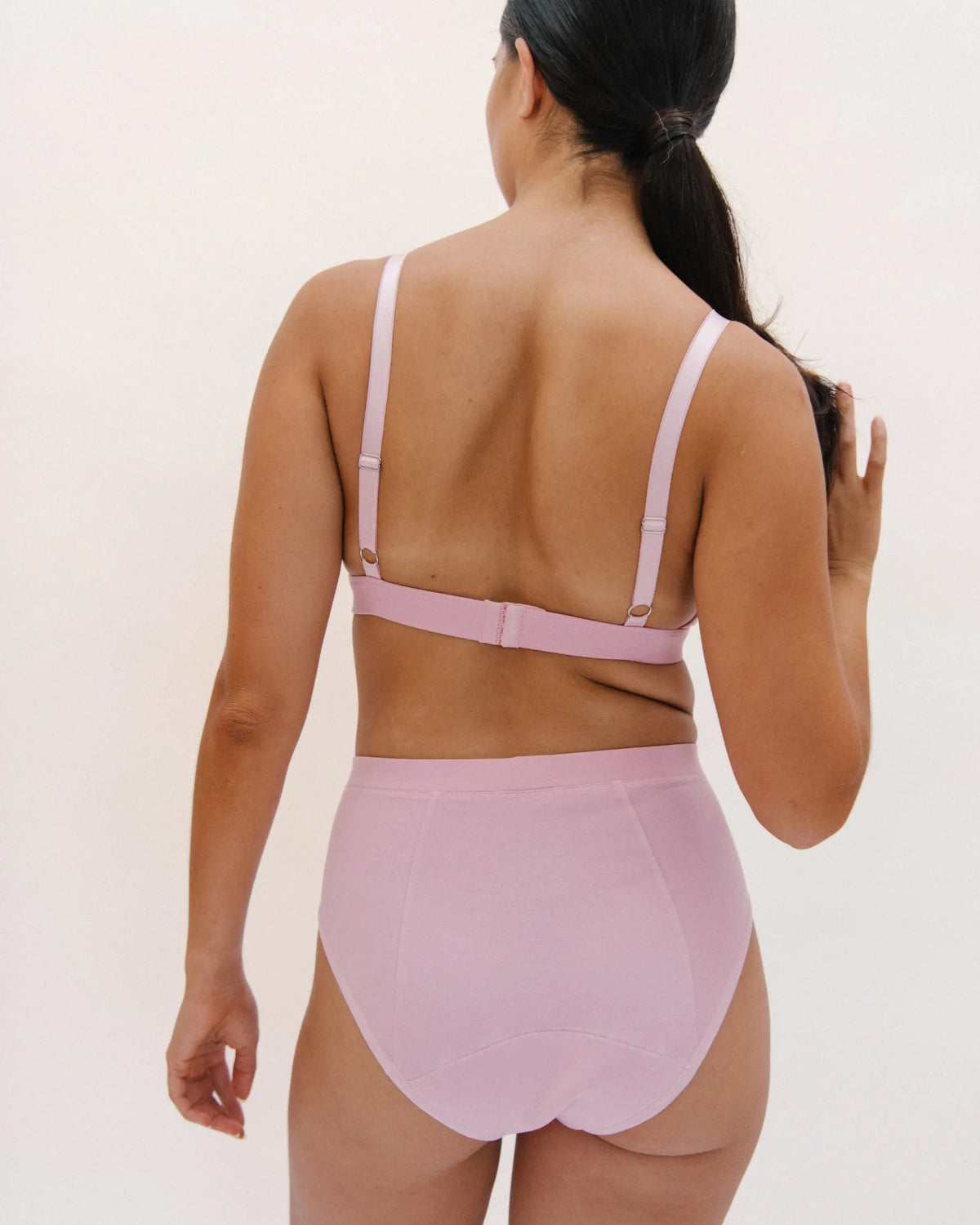
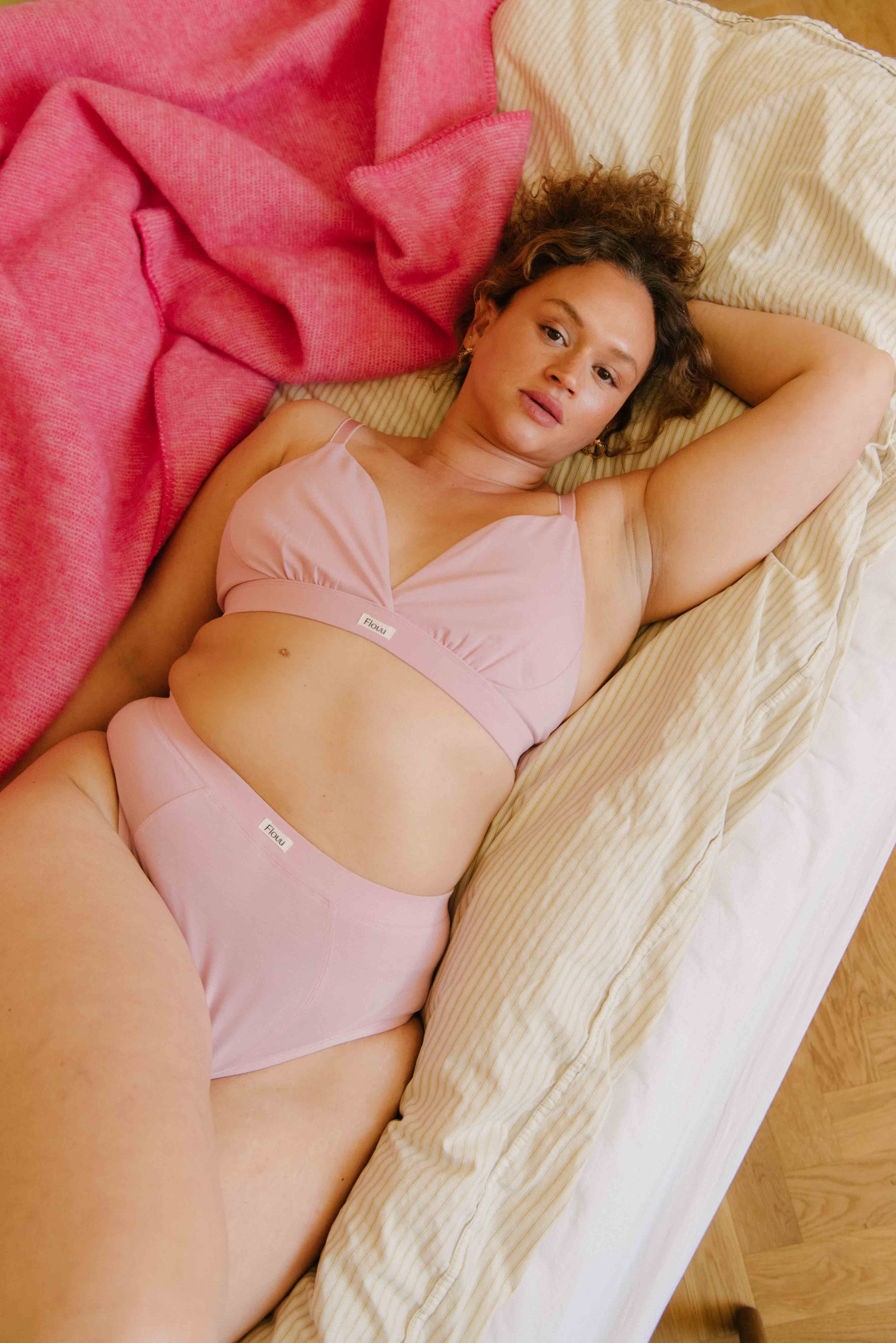
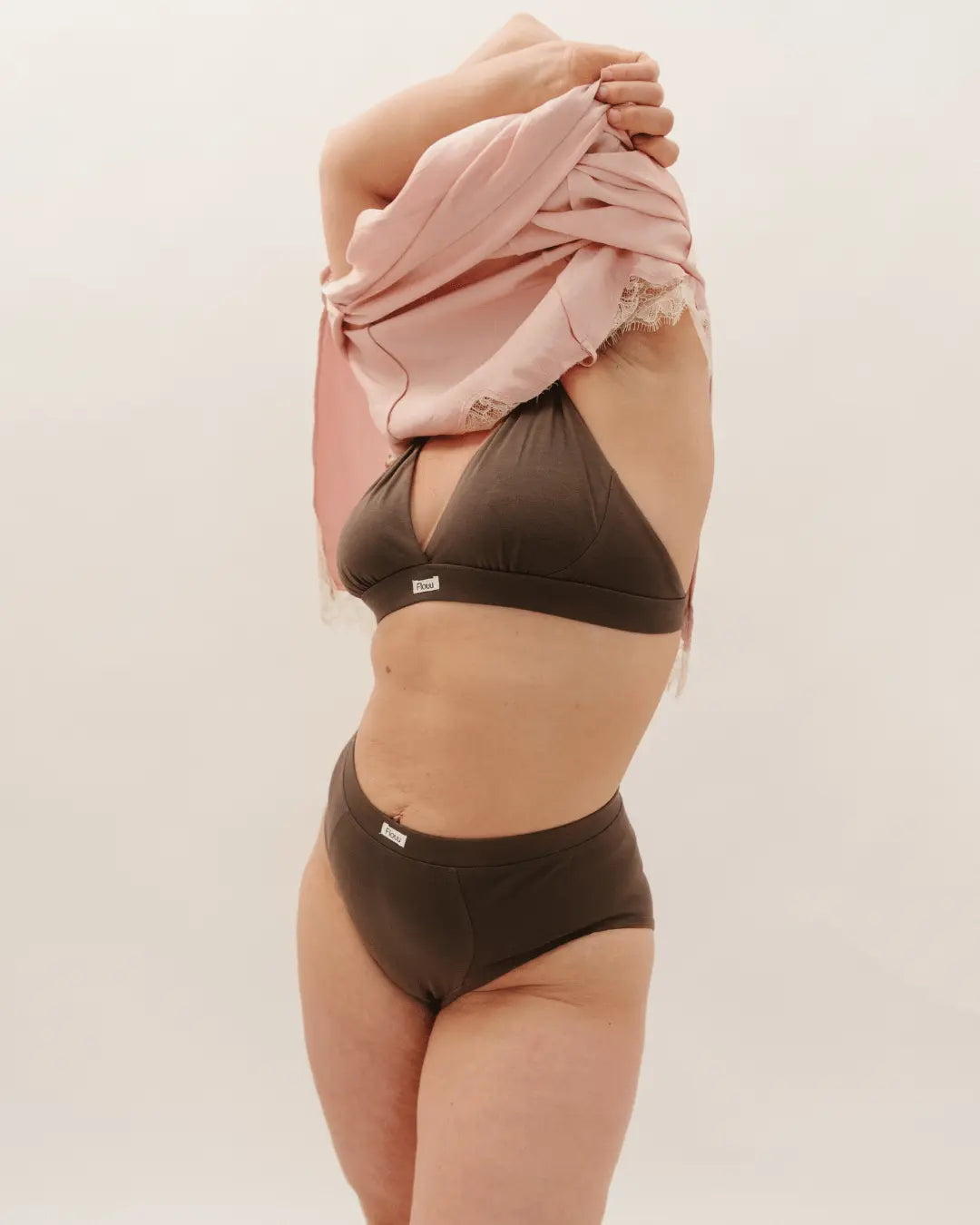
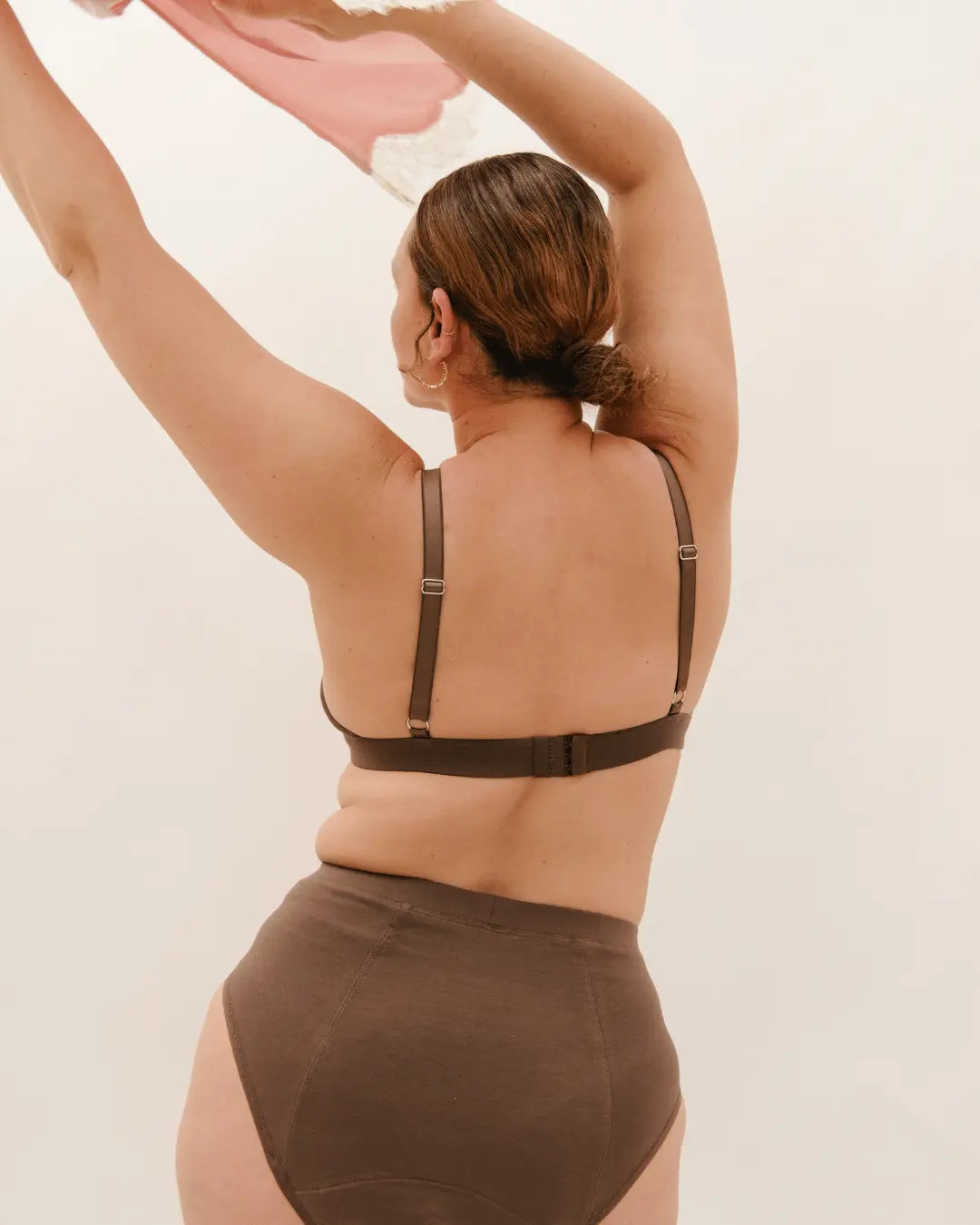
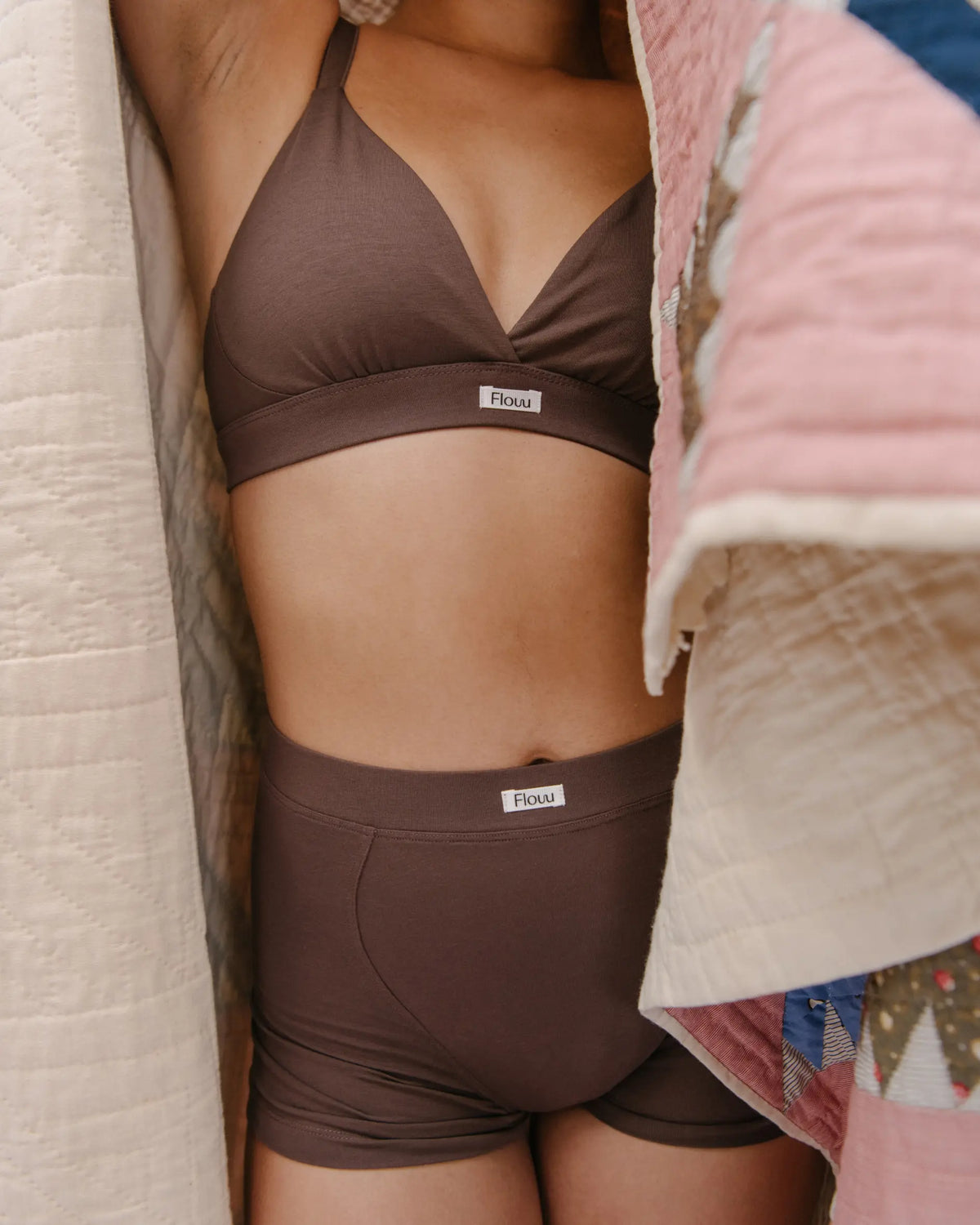
Who said a hands-on dad can't shine when it comes to getting the home ready for his daughter's first period? Quite simply, you can make sure that there are always menstrual products in the house for when your child needs them - period underwear for children and teens are a no-brainer in the small selection. They feel and look like regular panties, are non-invasive and therefore come without the risk of Toxic Shock Syndrome, etc.
Place them where they are most accessible - for example in a basket in the toilet (if you are the DIY type, you can also build a shelf for pads, period underwear and tampons from scratch, which can become a joint project at home. You know what they say: Only your imagination sets the limits!).
However, always remember to ask your child what products she needs before you go out and tear the first and best thing off the shelves in the supermarket, and make her answers part of your normal shopping routine in the future. By taking care of the practical aspects of your child's period You show that you are a support in her daily life - even when she is bleeding.
4. Respect your child's needs during menstruation
The first period - and the many periods that follow - can be a challenging period for your child. Although you want to help, it is important to point out that sometimes the best help can be to give your child space. Our fourth piece of advice is therefore quite simply to respect your daughter's need for privacy and not to press her with well-meaning jokes and period facts if she says no, or if you can sense from her that her needs are different right now.
Also, remember that the many new hormones racing through her body can affect your child's mood, so try to be patient as much as possible and give her the space she needs. The most important thing is that she knows that she can always come to you when she's ready.
👉 Read more Good phrases you can give your child in the new era to show your care.
5. Share your concerns and experiences with other parents
Finally, it can be a great help for you as a parent to talk to others who are in a similar situation to you. This could be other parents in your child's class or friends with children your child's age. Put your concerns into words (when your child is not present) and create a space where you as parents can share experiences and advice together.
If your daughter is experiencing serious problems or concerns related to her cycle, it may also be helpful to seek professional help. For example, is your child experiencing a lot of pain during her period? period, it is always a good idea to see a doctor. Many people mistakenly believe that period should hurt, but that's a myth! So be aware and don't hesitate to seek help.
So there you have it: Our five best tips for creating a safe environment for your child around her first birthday. periodWe hope that you feel equipped to guide her well through this exciting and at the same time a little overwhelming time in her young life.
We're rooting for you, Dad!
Frequently asked questions about first period
When do children typically get their first period?
Most children get their first period between 9 and 15 years old, but it varies a lot. The average age of the first period is about 12 years old in Denmark.
There will often be signs before the first bleeding, which starts 1-2 years before it comes: Tendency to blemished skin, changes in mood, mood and energy, beginning breasts, oily hair, all caused by hormonal changes.
Bowl period hurt?
No. Severe pain is not normal and should always be taken seriously. Trust your child and be their advocate if you visit the doctor. Unfortunately, many girls, women, and people with periods continue to encounter biases from doctors that stem from ignorance and a lack of focus on women in research.
How can fathers best support their child?
By being open, well-informed and providing both practical and emotional support. Accept that it is also your responsibility to ensure that your child gets off to a good start with their cycle. This will be a huge gift you can give your child.