
Can you swim during your period? 9 myths and facts about swimming
When I was 14 years old, I went on my first holiday to Crete. I was ecstatic at the thought of three swimming pools and couldn't wait to spend a whole week covered in a constant mix of chlorine and sunscreen.
But right there, in the middle of the plane on the way to the Greek holiday paradise, my stomach started to grumble.
At first I thought it was nerves. But no – my period had simply chosen to go on vacation with me.
Shocked by the news, I started to cry, convinced that the vacation was now ruined before we had even landed.
If you menstruate or have done so in the past, you can probably nod in recognition of the feeling of having your vacation plans corrupted by your uterus.
But even though bleeding on a beach vacation can feel like a setback, there's no need to panic.
You can easily bathe when you are on your period.
All it takes is a little preparation.
question about bathing and swimming during menstruation.
The article is written by Emma Libner, author, vagina activist and sexologist.
First of all: Can you bathe during menstruation?
Short answer: Yes! You can safely swim in both the ocean and swimming pools when you are on your period. Menstrual blood does not pose a hygiene risk in the water, and if you use a menstrual product such as a tampon, menstrual cup or swim-friendly menstrual panties, you can safely swim without worries.
You will most likely find that a bath has an enormously calming effect on your menstruating body - and if you suffer from menstrual cramps, light exercise like swimming is really effective.
👉 If you have the opportunity to go to a sauna, read more good reasons why it can be a great idea.

Myth 1: It is unhygienic to bathe during menstruation
False. So let's take the next step and establish one thing:
It is not unhygienic to jump into the water when you are bleeding.
Not if you're swimming in a hotel pool or in the ocean. Yet it's one of the most common concerns we encounter when talking about menstruation and swimming. So what exactly are the ups and downs?
Firstly, the "quantity ratio" is extremely skewed:
A few drops of menstrual blood compared to several thousand liters of water.
Even without a menstrual product, the amount of your menstrual blood in a large pool or the ocean will be so small that it is practically difficult to measure.
In addition, the water in both pools and the sea is not just ordinary water.
Swimming pools contain chlorine or other disinfectants that kill bacteria and microorganisms. The ocean contains salt water, which has natural antiseptic properties.
In other words, if you use a menstrual product as you normally would before jumping into the water, you are good to go.
👉 Curious about how menstrual swimwear works? Then you can find our big guide right here.
Myth 2: Is it disgusting for others when you swim in a pool while on your period?
False. No, it is not disgusting for others to swim in the same pool with you during your period. One is the proportions as mentioned above. But when we refer to menstruation as disgusting, it is rooted in old myths and misunderstandings that we should not reproduce - because they are not right.
For centuries, menstruation was considered both dangerous and unclean. In fact, until the 1950s, people believed in the existence of so-called menotoxins – toxins in menstrual blood, which were believed to be able to kill both humans and animals.
Today, of course, we know that menstrual blood is just ordinary blood and tissue from the lining of the uterus - it is in its pure "essence" sterile. It is only when menstrual blood leaves the body and comes into contact with air and bacteria on your skin that it develops bacteria that can create odor. Just like sweat.
But odor isn't dangerous, it's not disgusting, and it's no different than other bodily fluids. So while old myths may be tenacious, don't let them get in the way of your swim.
Myth 3: Does menstrual blood attract sharks?
Another classic myth is about sharks. Many have heard that menstrual blood attracts sharks.
False. Fortunately, there is no scientific evidence that menstruating people are at greater risk of shark attacks than others - and this has actually been studied repeatedly.
In fact, statistics show that men are more often victims of shark attacks than women.
And in reality, sharks are far less interested in humans than movies like The Gap of Death has led us to believe. So this myth can also be safely thrown overboard.
Myth 4: Bathing during menstruation can introduce bacteria into the body.
False. It is a fairly common concern that water from the ocean or pool can enter the vagina and, for example, cause infection if you bathe during your period.
But the vagina is not an open tube directly into the body. It is a muscular canal, and the cervix acts as a kind of barrier that protects the uterus.
Therefore, the risk of infection is not greater just because you bathe during menstruation, compared to when you are not menstruating.
If you use a tampon or menstrual cup, it's a good idea to change it after bathing – not because bathing is dangerous, but because the product may have absorbed water.
Myth 5: Menstruation stops completely when you are in water
Partially false. Many people find that their bleeding seems less or stops when they are in the water.
Practically speaking, when you bathe in water, the water pressure around your body increases, which means it is harder for the blood to leave the body - the water can act as a brake and temporarily reduce the flow.
Next, if you are swimming and lying horizontally in the water, for example, the menstrual blood is not affected in the same way by gravity - i.e. it does not seek downwards if you lie horizontally.
But menstruation does not stop completely. It typically continues to a lesser extent, but the bleeding typically returns to normal strength when you get out of the water again.
Therefore, it may still be a good idea to use a menstrual product if you want to avoid leakage.
Myth 6: Others can see that I'm on my period in the pool
False. This is a concern that many people have – especially the first time they have to bathe during their period.
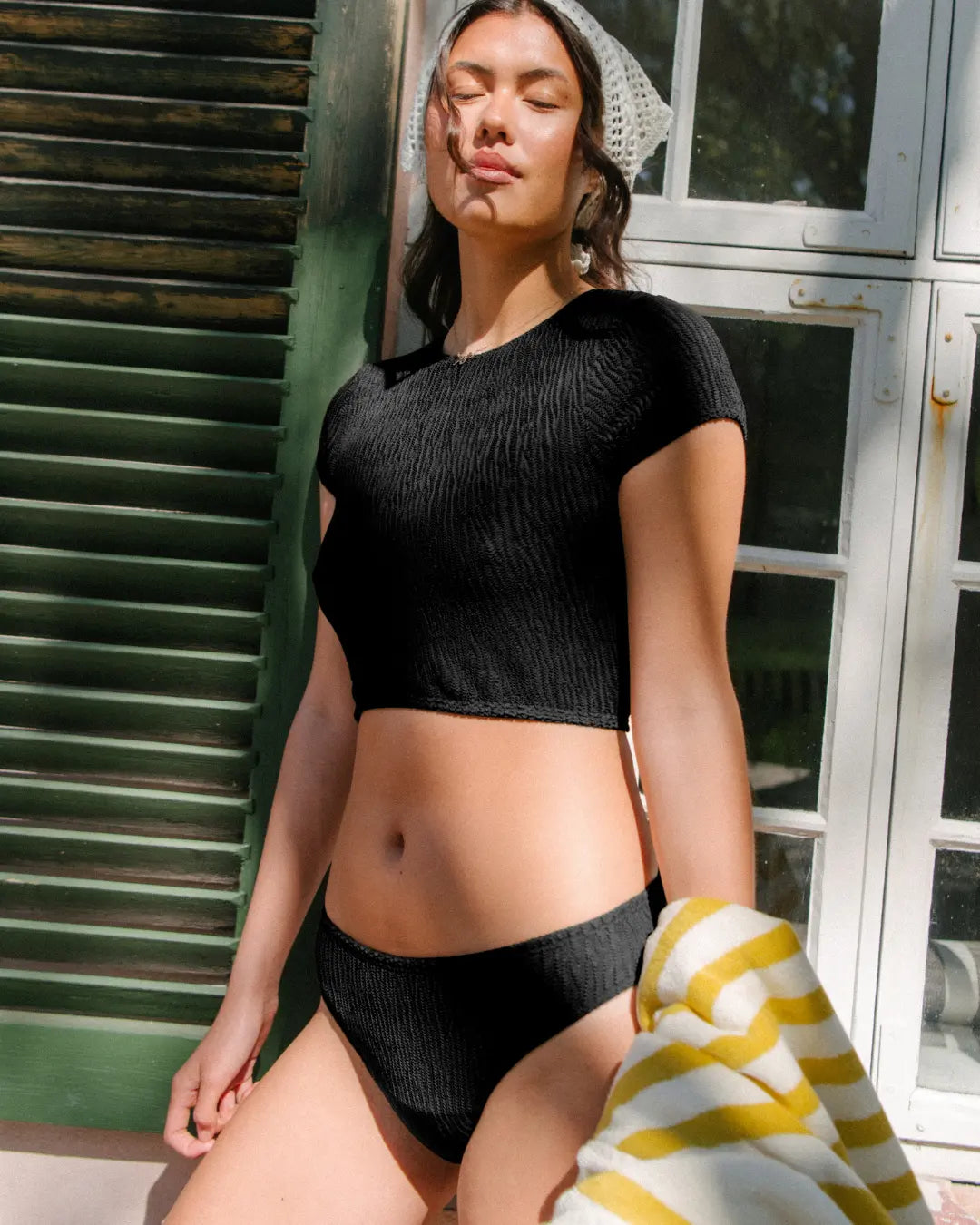
But in practice it is virtually impossible for others to see - the only disclosure would be a tampon string, for example. Even our menstrual swimwear looks just like regular swimwear - the absorbent inserts are super discreet and cannot be seen by others.
And when you are in the water, the amount of your menstrual blood will be very small compared to the amount of water in a pool or the ocean. Do you use menstrual swimwear, tampons, cups or disks, the blood is not visible at all.
In other words, most people around you are completely preoccupied with their own swim – not with your uterus.
Myth 7: You shouldn't bathe in menstrual panties.
Some people think that menstrual panties can only be used on land.
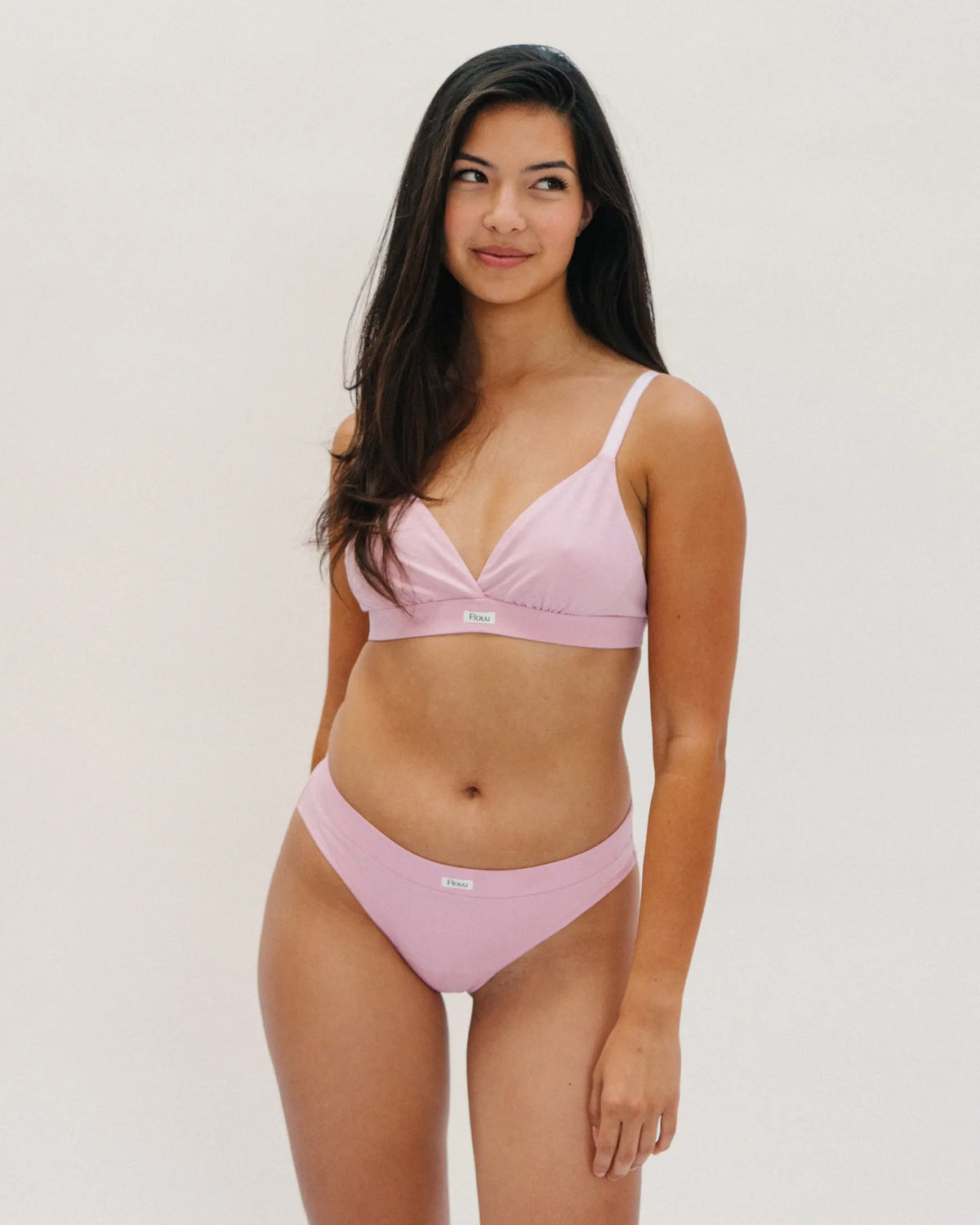
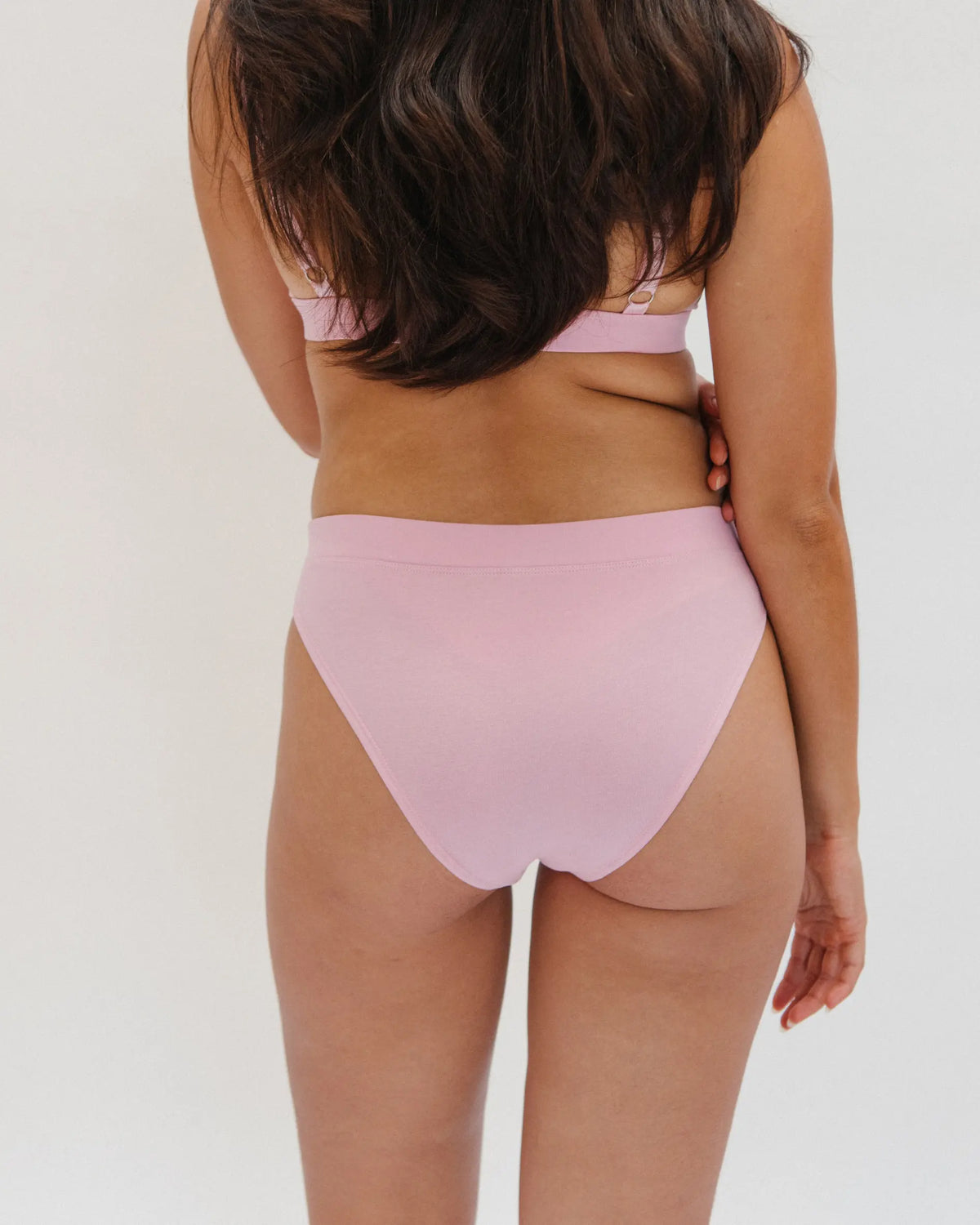
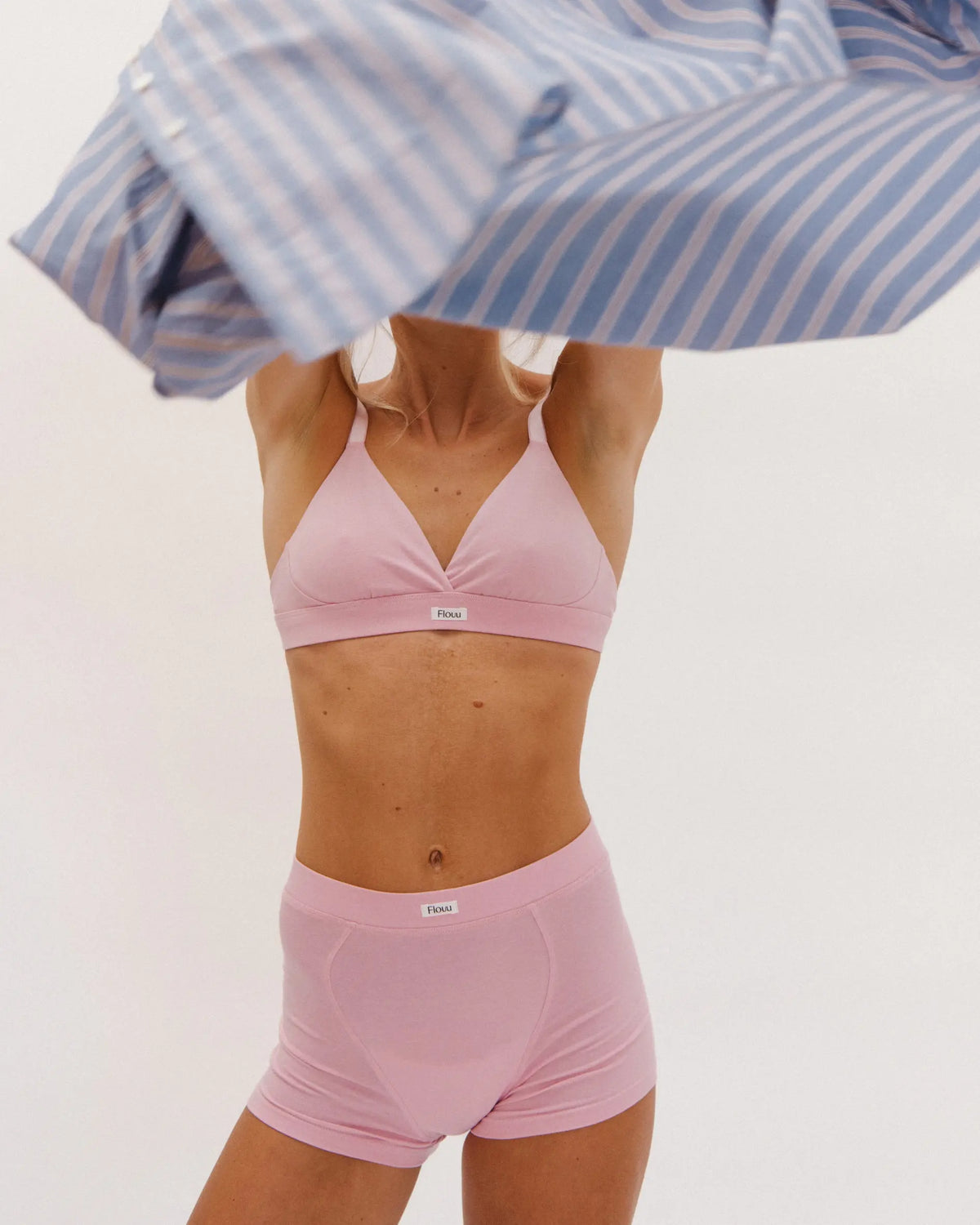
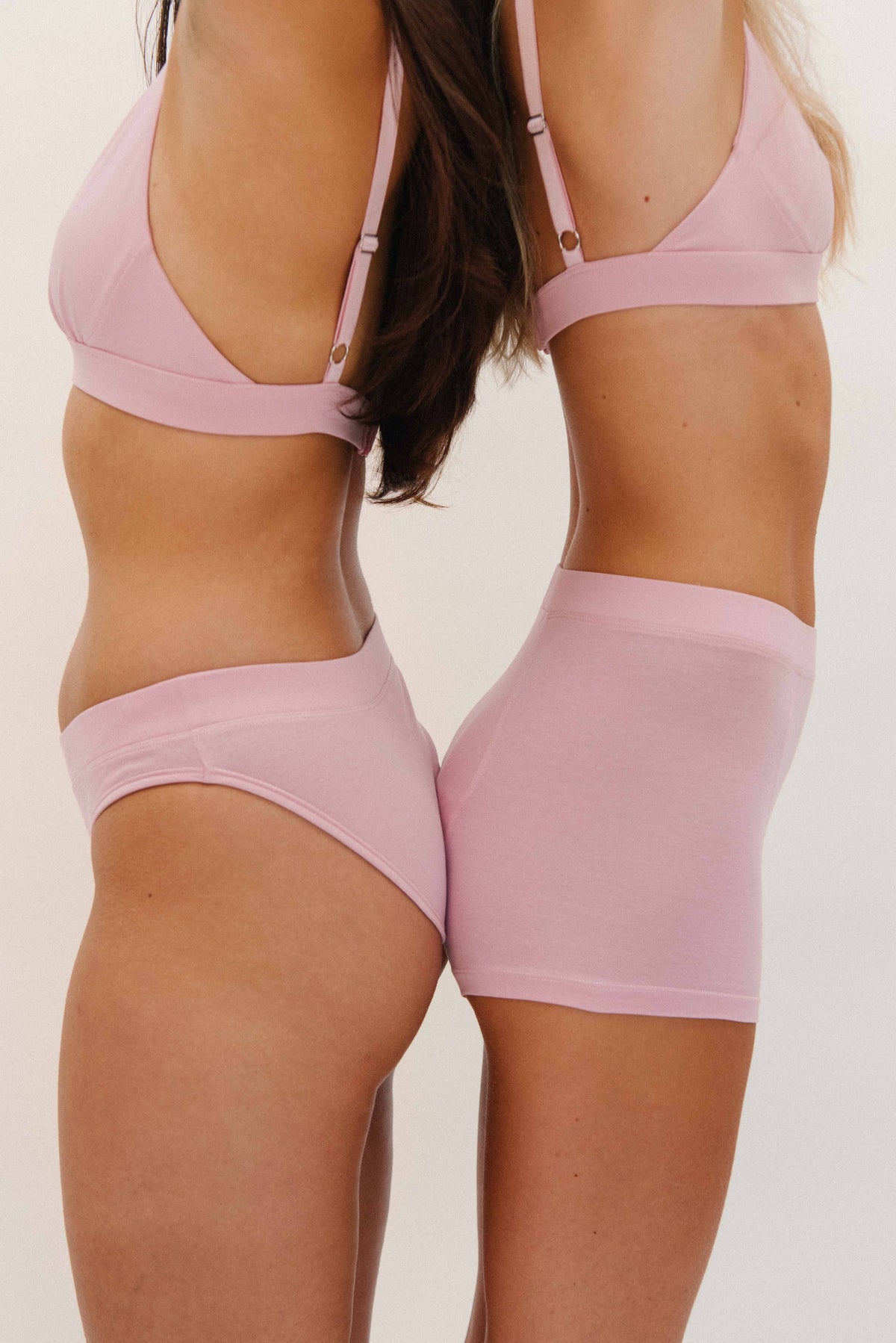
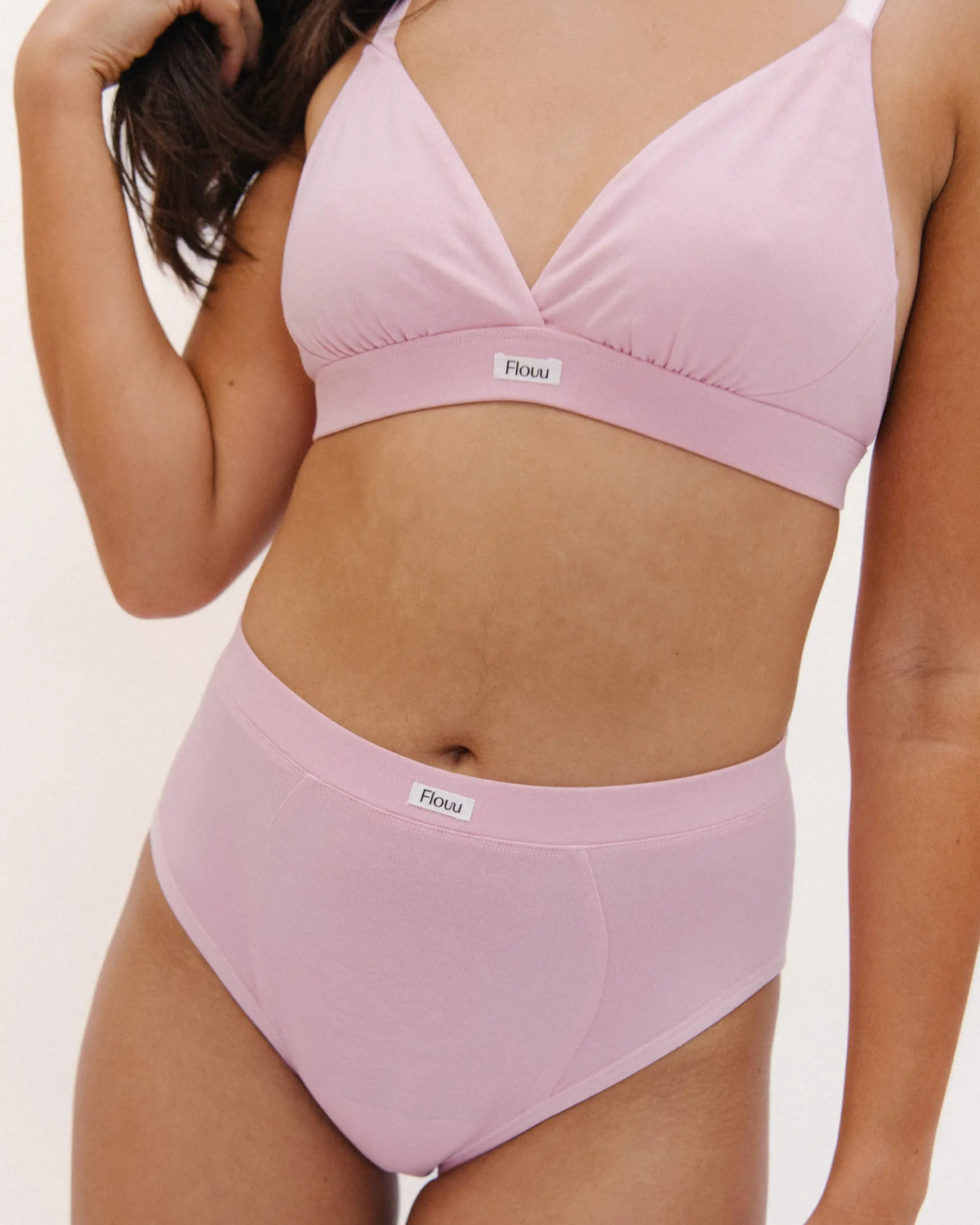
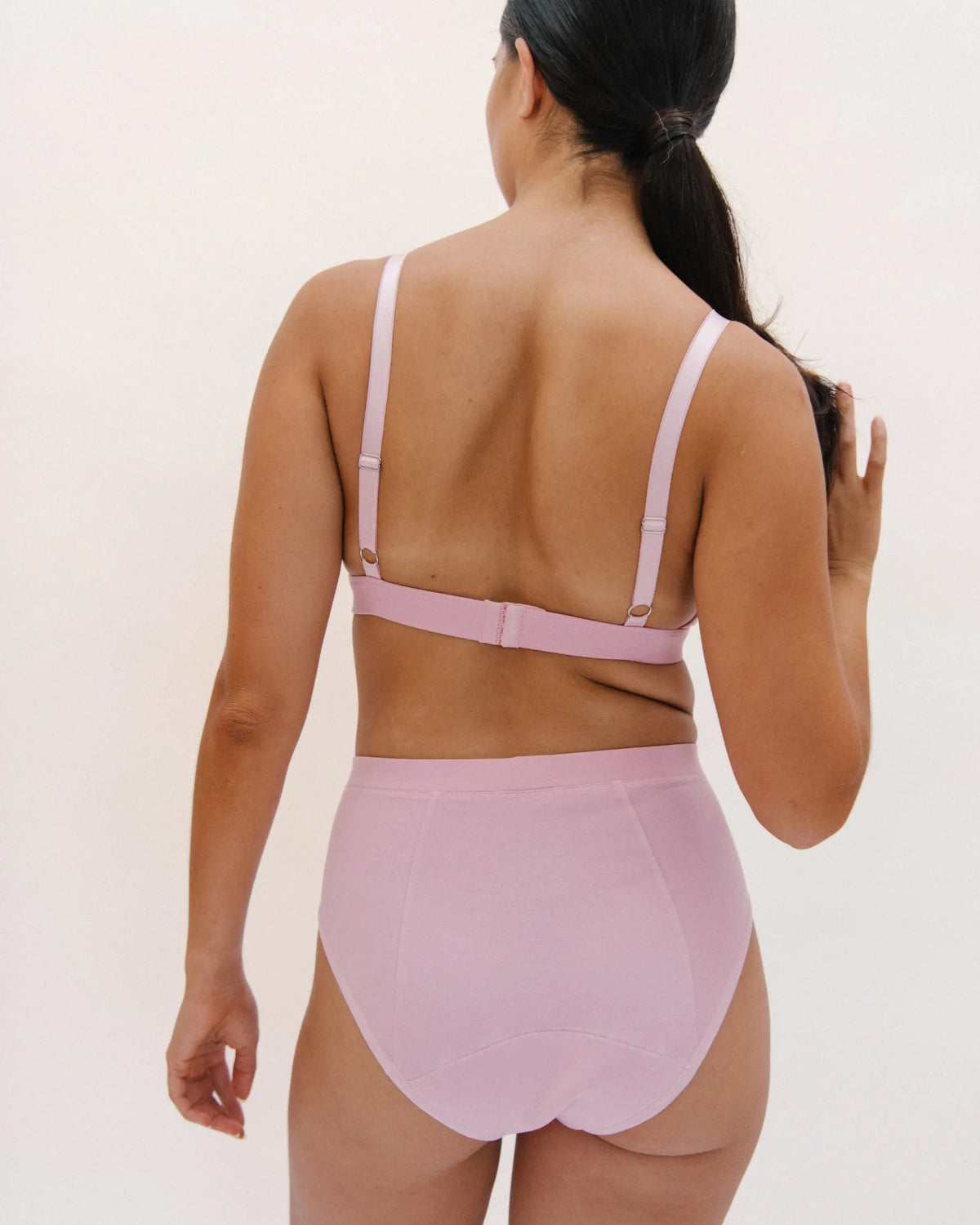
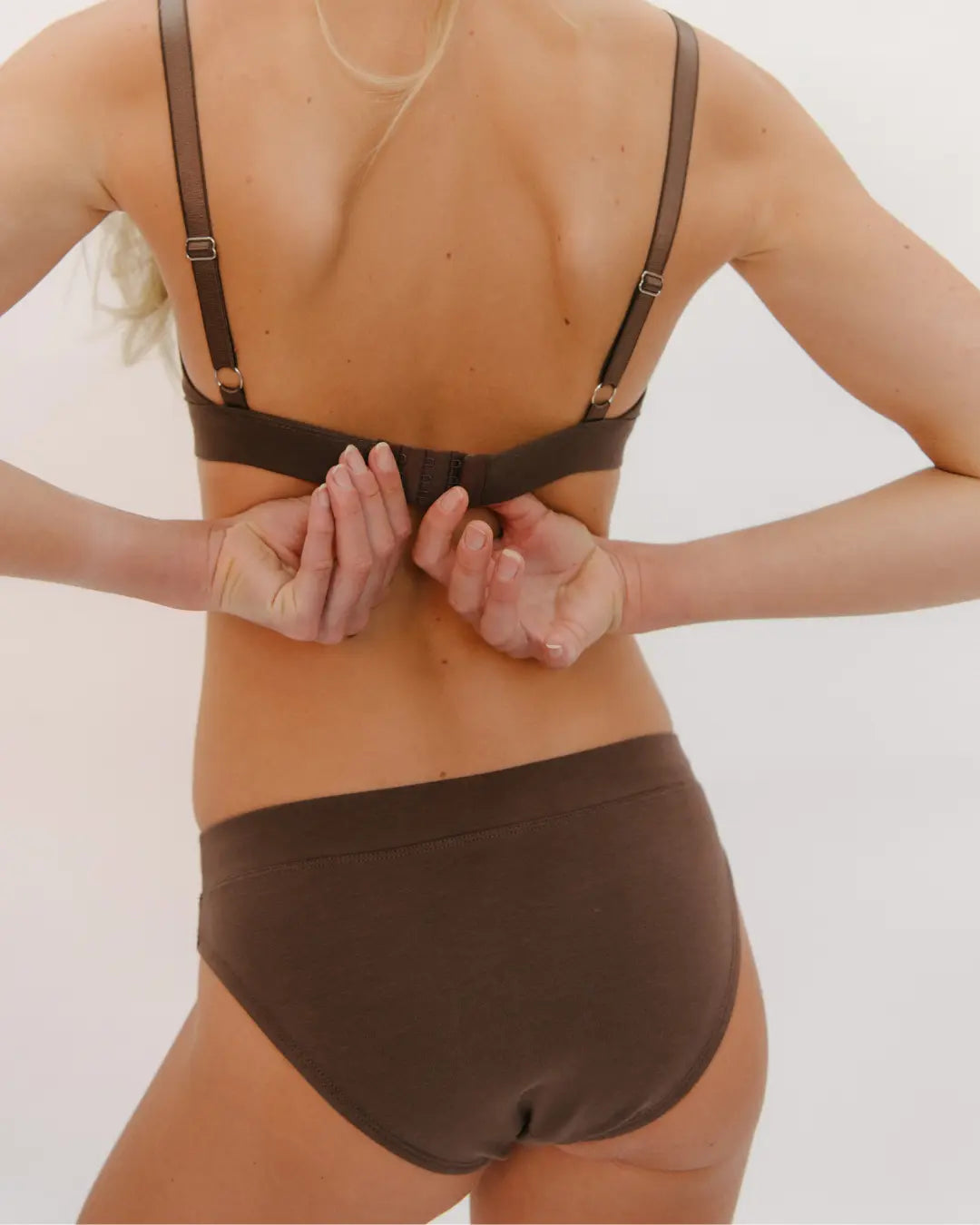
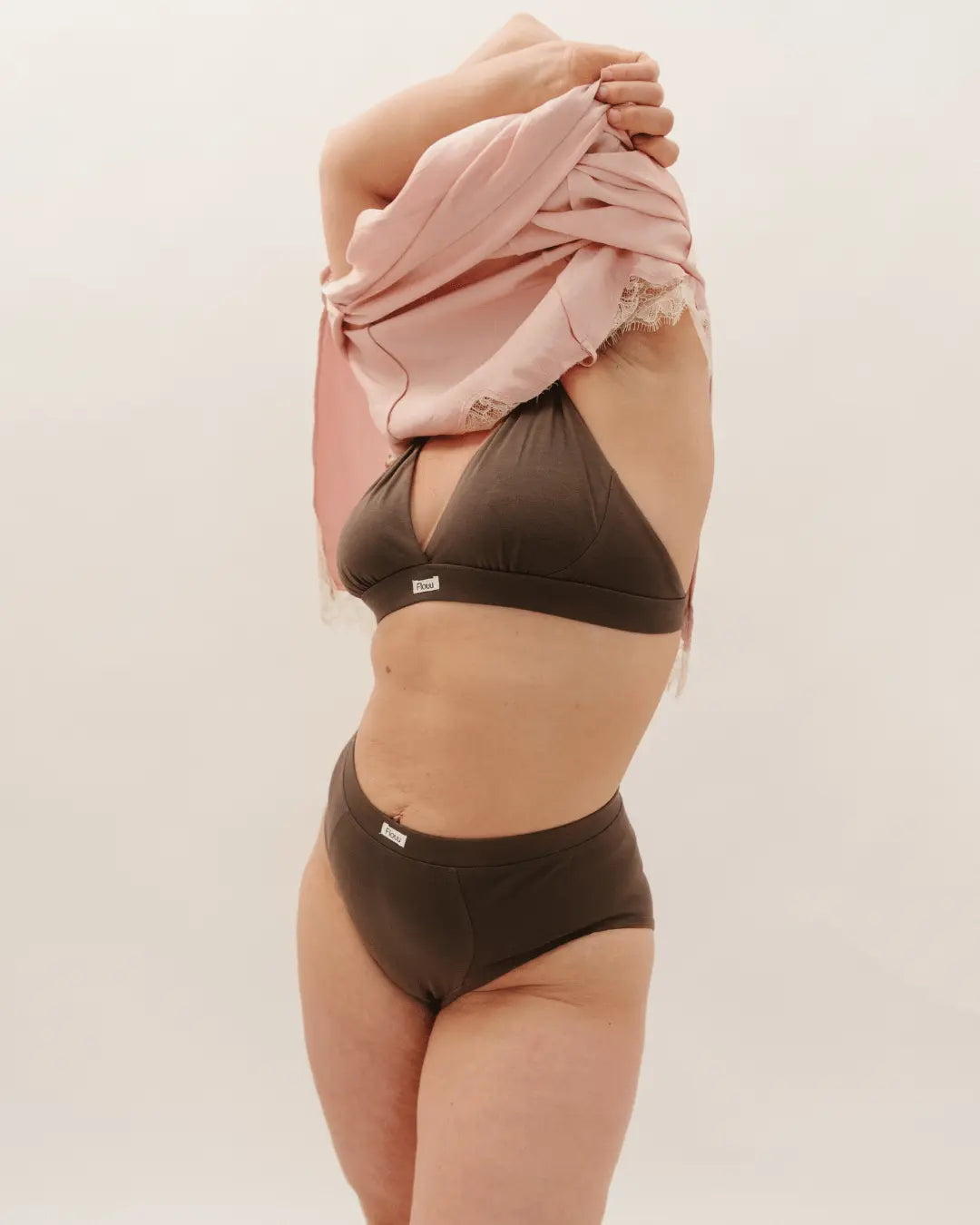
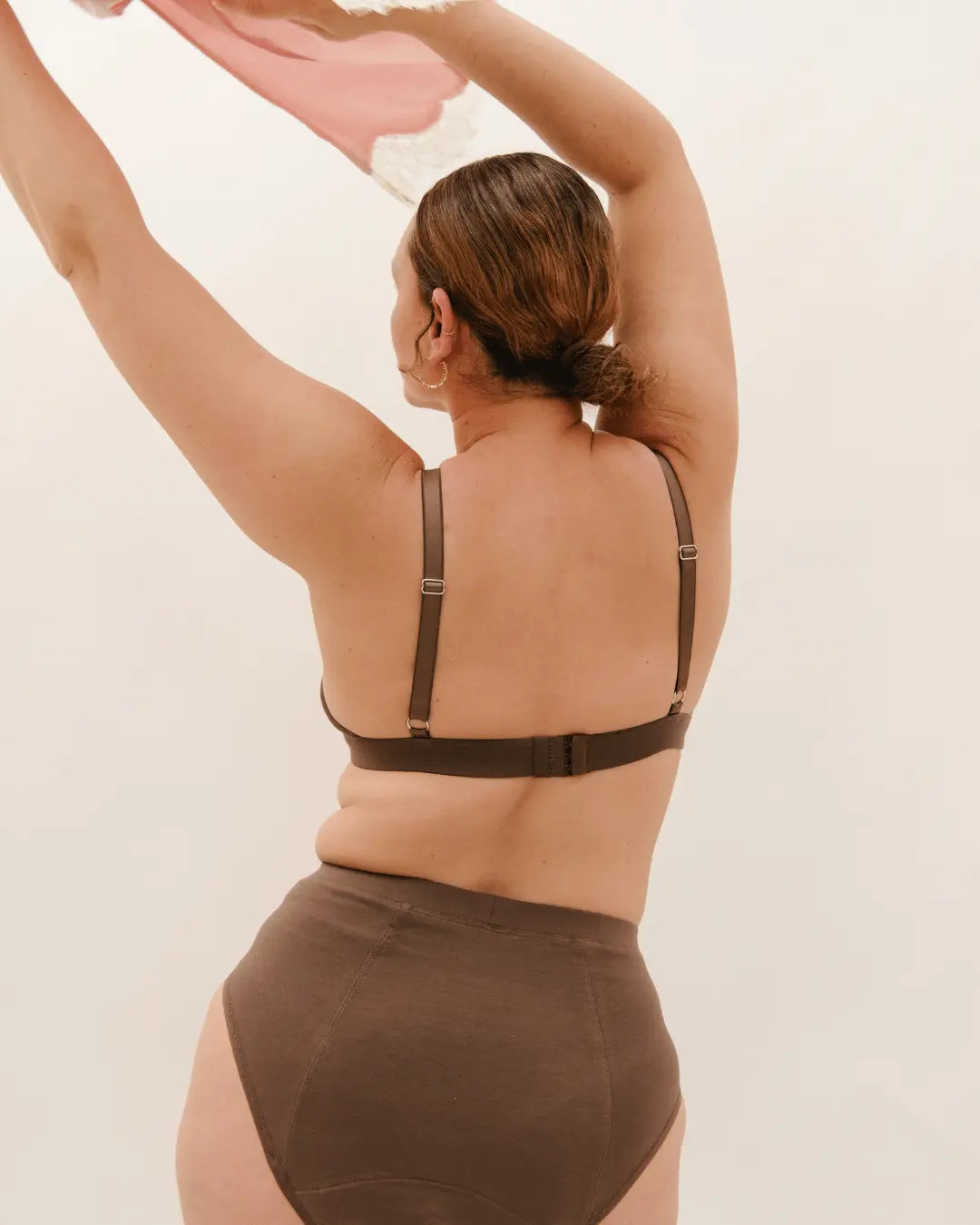
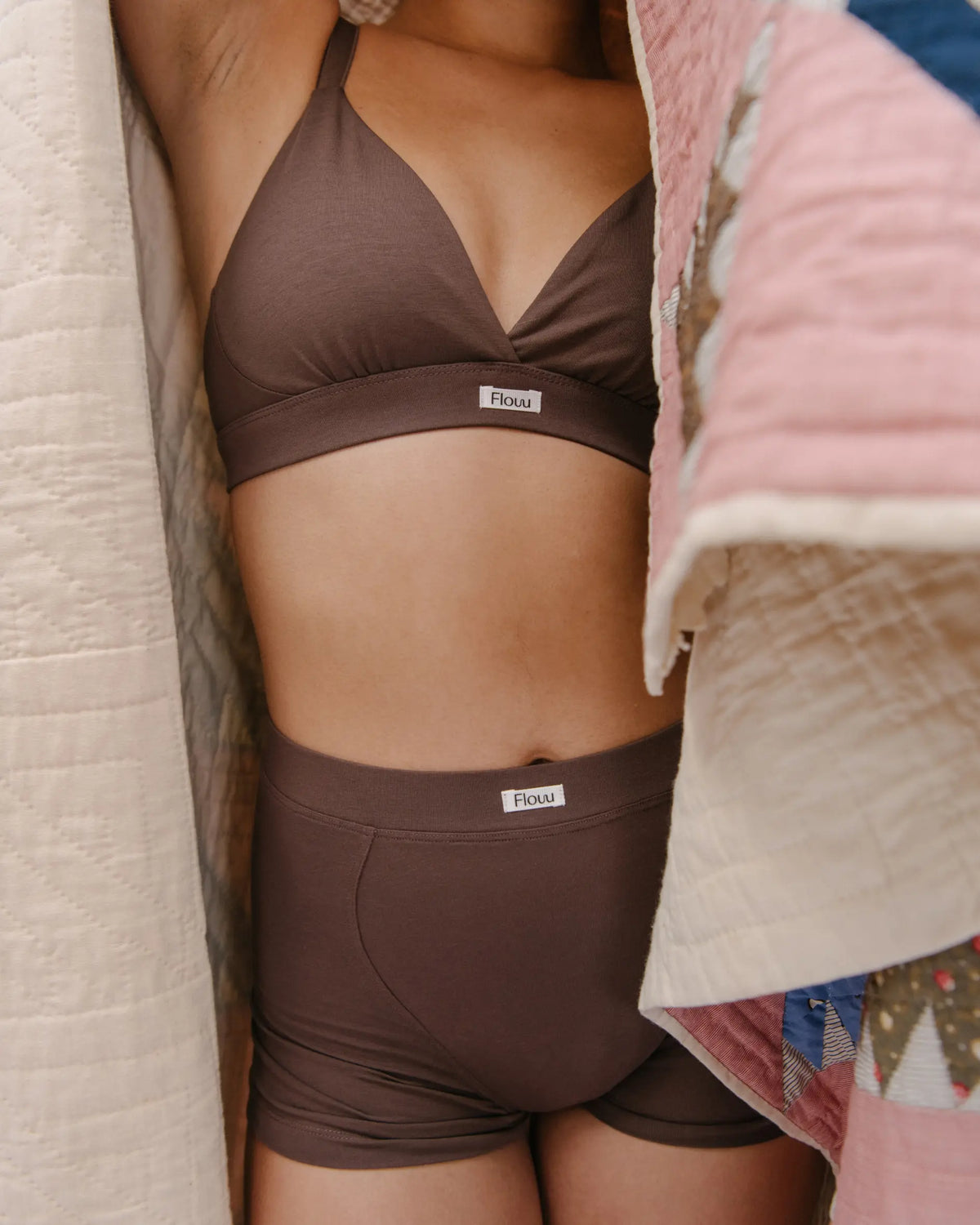
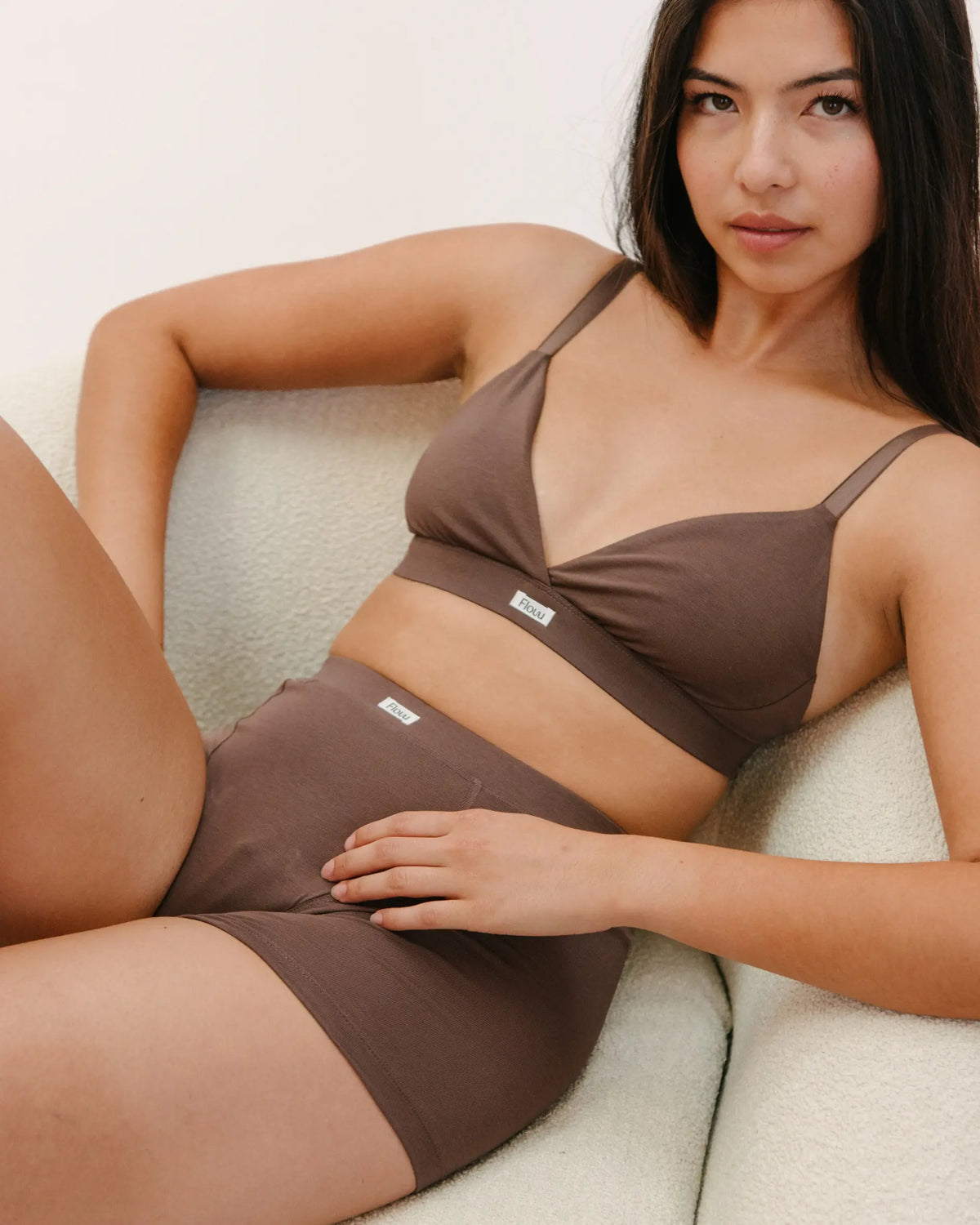
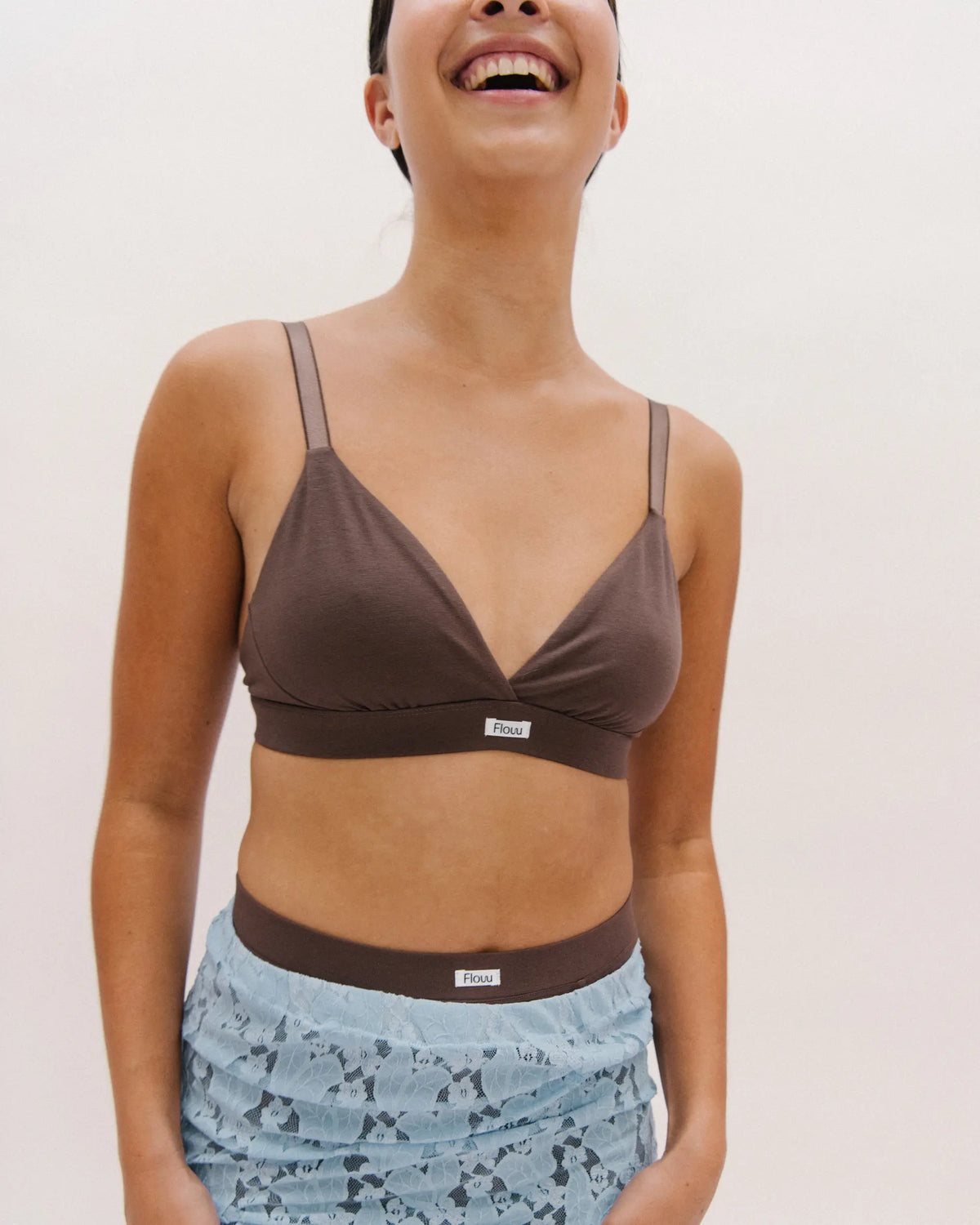
But there actually are menstrual panties designed specifically for bathing, where the materials are developed to function in water. We offer a whole collection of menstrual swimwear, but actually you will also be able to use Period Flow Brief - high rise, as its materials are quick-drying - if the opportunity for a swim arises spontaneously.
If you are bleeding heavily, you can add a cup or disk to your menstrual swimwear.
Myth 8: You shouldn't swim in the sea while menstruating.
False. You can safely swim in the sea when you have your period.
The sea has antiseptic properties due to its high salt content. Secondly, water does not just enter the vagina, as also described above.
In fact, you can experience the cooling sensation of the ocean on your body as incredibly calming, and if you are good at floating, then it is something close to the most relaxing thing we can imagine.
Myth 9: Tampons can fall out while swimming
False. Just think of the power of the water when you jump into the water and your bikini top flies up below your neck (been there, tried that). The pressure from the water against your body is strong enough in itself that no menstrual products leave the body.
So no, tampons, menstrual pads and cups don't fall out like that when you move in the water.
The only thing that isn't a myth is to remember sunscreen + shade + sun hat and then your favorite menstrual swimwear.
Enjoy!
FAQ: Bathing and menstruation
Can you swim in a pool while on your period?
Yes. Pool water contains chlorine or other disinfectants, and menstrual blood does not pose a hygiene risk.
Can you swim in the sea during menstruation?
Yes. Salt water has natural antiseptic properties, and you can safely swim in the sea during menstruation.
Can you use a tampon when swimming?
Yes. Tampons absorb blood inside the body and are therefore a classic solution for swimming, but Menstrual swimwear is a non-invasive alternative to tampons, which can be used without a tampon or with a tampon.