Menstruation and diarrhea: Why do I get an upset stomach during menstruation?
Do you know when your period comes in a big way – and so does the urge to go to the toilet?
And that should happen. now.
For some, menstruation can have a similar effect on the stomach as a strong double espresso. Suddenly, it feels like your intestines are working at high pressure, and you may need to go to the bathroom more times during the day than you normally would.
And no – it's not just you. In English, the phenomenon even has its own name: “period poop”.
But what actually happens in the body when menstruation and an upset stomach go hand in hand?

Why do you get an upset stomach during menstruation?
The most likely explanation lies in signaling substances called prostaglandins.
Prostaglandins are hormone-like substances that the body produces in the uterus after ovulation. As menstruation approaches, prostaglandin levels increase because they help the uterus contract and expel the old uterine lining.
It is precisely these contractions that cause menstrual bleeding.
But prostaglandins don't just affect the uterus. They can also affect the intestinesbecause the smooth muscles in the intestine respond to the same signaling substances. The result can be that the intestines work faster than normal – and this can lead to loose stools or diarrhea-like symptoms.
That's why many people experience their stomach reacting in the days around menstruation.
How does menstruation affect bowel movements?
When prostaglandins affect the intestines, stools can temporarily change, and many of you describe how your period affects your stomach, stools, and toilet habits. You experience, among other things:
-
More frequent toilet visits
-
Loose or diarrhea-like stools
-
Harder stools
-
More flatulence
-
A stronger odor than usual
It can feel uncomfortable, but in most cases it is completely normal and will go away when your period subsides. Many people already experience an improvement on days 2 and 3 of their bleeding. But you can of course help your body along the way with these three good tips:
-
Drink plenty of water.
-
Eat a high-fiber diet
-
Move your body lightly
- Consider an iron supplement
👉 Read more here about menstruation and exercise, and how to move gently.
Menstruation and constipation – the opposite problem
Although many people experience a loose stomach during menstruation, there are also menstruating women who experience the opposite. For some, the days can before menstruation namely cause constipation.
It's probably due to the hormone progesterone, which is high in the luteal phase (the period after ovulation). Progesterone can make the intestines work more slowly, which can make digestion sluggish.
In addition, the diet can also change in the run-up to menstruation. Many people experience cravings, which can affect digestion.
If you experience constipation leading up to your period, it may help to:
-
Drink more water
-
Eat fiber-rich foods like oatmeal, rye bread, and broccoli
-
Eating potassium-rich foods like bananas, dates, or prunes
These foods can help stimulate bowel movements.
Menstruation and intestinal diseases
Unfortunately, for some of you, symptoms can worsen during your period. You may experience this if you have a chronic bowel disorder:
This applies, for example, to:
-
irritable bowel syndrome (IBS)
-
Crohn's disease
-
inflammatory bowel diseases
Hormones and prostaglandins can affect bowel activity and make symptoms more pronounced during certain phases of the cycle.
If you experience severe or prolonged symptoms, it is a good idea to talk to your doctor.
Is it normal to have diarrhea during menstruation?
Yes, it's completely normal. And you can count on many others experiencing it too - even if it seems shameful.
Many menstruating women experience temporary changes in their digestion around their period, as hormones and prostaglandins affect both the uterus and intestines. For most, the symptoms only last a few days and disappear once their period is over.
What can help with an upset stomach during menstruation?
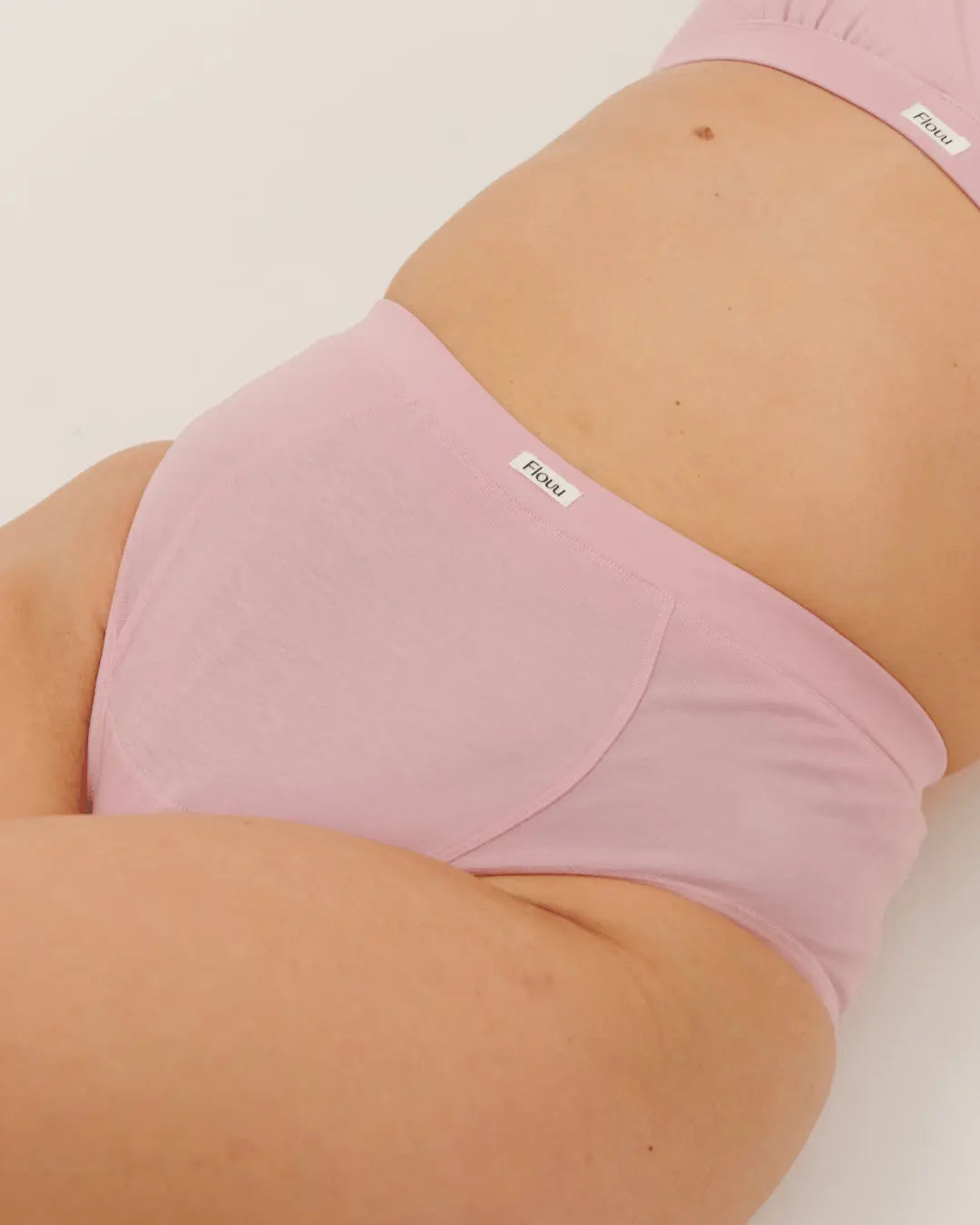
We deserve to feel as comfortable as we can when we menstruate. It's the primary reason we actually exist and therefore, weWe have made the softest and cutest menstrual panties for you (and ourselves).
Here are a good handful of other little tricks you can try to make yourself feel better, and maybe also reduce loose stomach and hard stomach, which yes, can be super annoying:
-
to drink extra water
-
eating a high-fiber diet
-
to keep the body in easy movement
-
reducing caffeine and alcohol
-
to prioritize rest and sleep
For many, it also helps just to know, why the body reacts, and that it is a natural part of the cycle.
Take it easy - your body is working hard for you these days.
FAQ – upset stomach and menstruation
Is it normal to have diarrhea during menstruation?
Yes. Prostaglandins can affect the intestines and make stools looser.
Why do I get an upset stomach when I have my period?
The hormone prostaglandin causes both the uterus and the intestines to contract.
Can menstruation cause constipation?
Yes. High progesterone levels before menstruation can slow down the bowels.
How long does an upset stomach last during menstruation?
For most people, it only lasts the first few days of menstruation.
When should I see a doctor?
If the symptoms are very severe, last a long time, or are accompanied by pain or blood in the stool.
Kilder: Canadian Digestive Health foundation, sundhed.dk, healthline.com