
Postpartum products and care – what to use postpartum?
What products do you need after giving birth? After giving birth, most people need breathable (preferably organic) large pads for the first few days of heavy postpartum bleeding and comfortable menstrual panties later on. Gentle care, lukewarm water and air for the lower abdomen support healing.
And hey - look at you! - you've just grown, nurtured and given birth to a little human being. A whole human being. And an organ (hello placenta). And now your healing begins. A big, wild healing process - both physically and hormonally. Let's get some numbers on it:
-
Within 24 hours of giving birth, estrogen and progesterone levels drop by up to 90–95%.
-
It typically takes the body a minimum of 3-6 months and typically much longer to stabilize hormones again. As long as you are breastfeeding, your hormone levels will be different.
-
The uterus weighs about 1 kg right after birth and shrinks to normal size (about 60–80 g) in 6 weeks.
-
Muscles, joints and pelvic floor typically take 6-12 months or longer before the body is more "its own" again.
It's a huge thing you've just gone through. There's no such thing as "just snapping back." A lot has changed - for a long time and for some, forever.
Written by Cathrine Widunok Wichmand, mother of two.
The content of this article has been verified by Pernille Jessen,
nurse and breastfeeding counselor behind Mamaflow

What is postpartum bleeding (lochia)?
Whether you have given birth vaginally or by cesarean section, you will experience postpartum bleeding (lochia), which can last from a few weeks to six to eight weeks . During this time, it's important to choose products that support your body's natural healing process, protect your skin, and provide peace of mind during a time when you already have a lot to take care of.
In this guide, we share practical advice on how to best care for your lower abdomen after giving birth, and which products – such as pads and menstrual panties – are suitable for the different phases of your postpartum period.
The first days after birth: Which pads should you use?
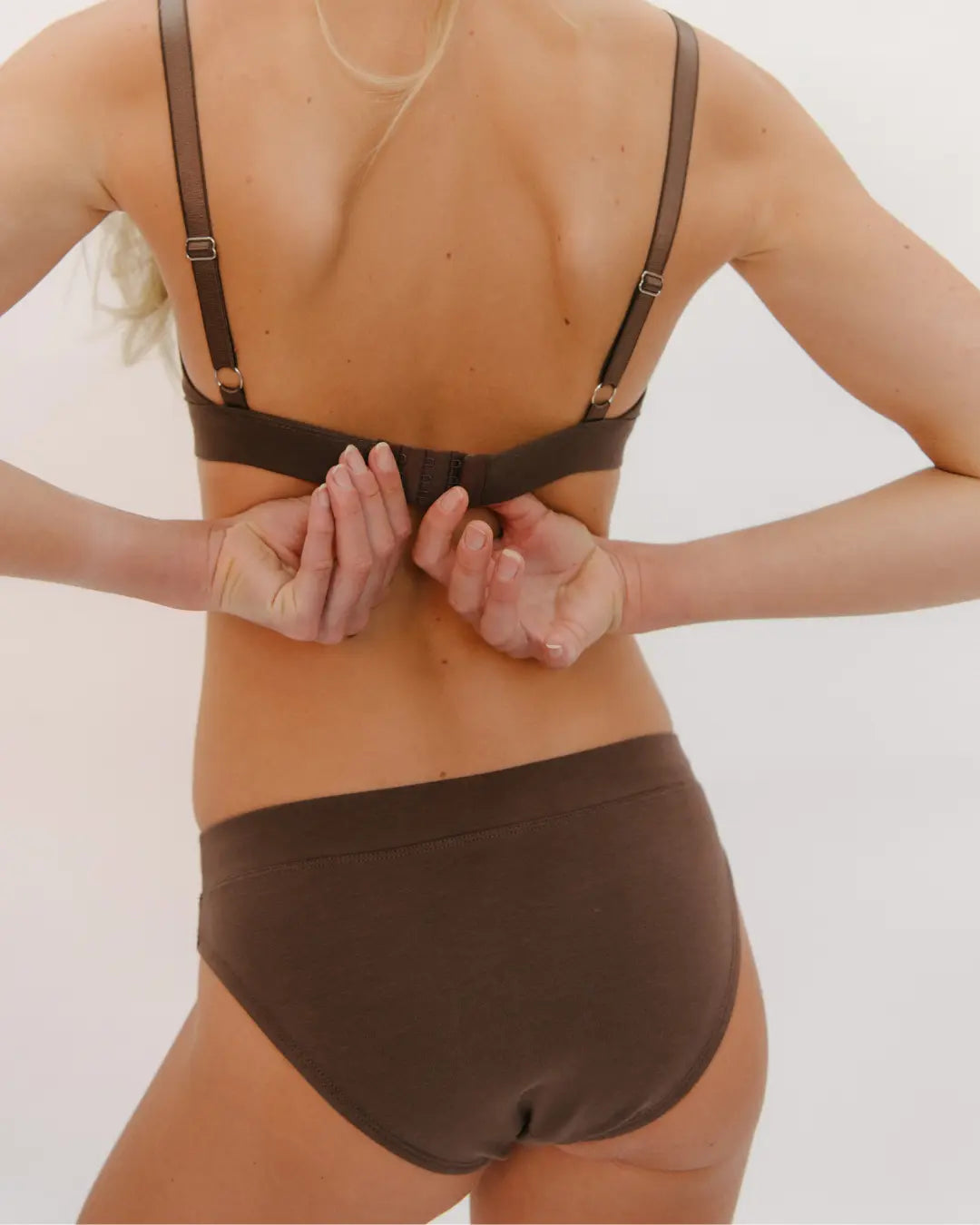
During the initial period when bleeding is heavy, many people will find it most comfortable to wear large, soft maternity pads. As bleeding subsides, menstrual panties can be a more comfortable and breathable alternative.
Choose materials carefully
Last year, a major study about chemicals and heavy metals in pads and tampons came to light. So choose quality here: Avoid plastic surfaces, perfumes and synthetic fibers – they can irritate and delay healing. Instead, go for Nordic Ecolabelled disposable products, preferably made of bamboo or organic cotton, which allow the skin to breathe.
When can you use menstrual panties after giving birth?
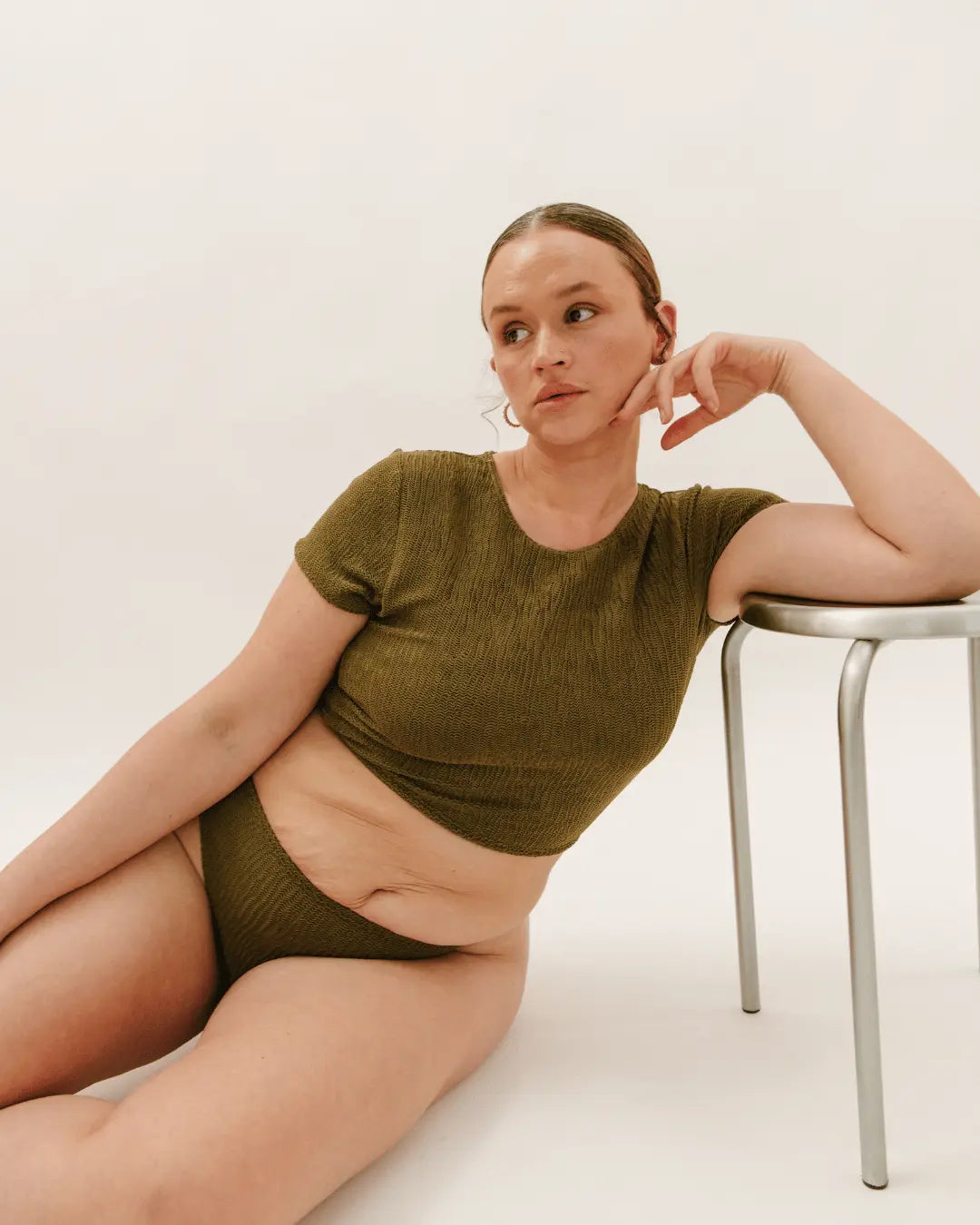
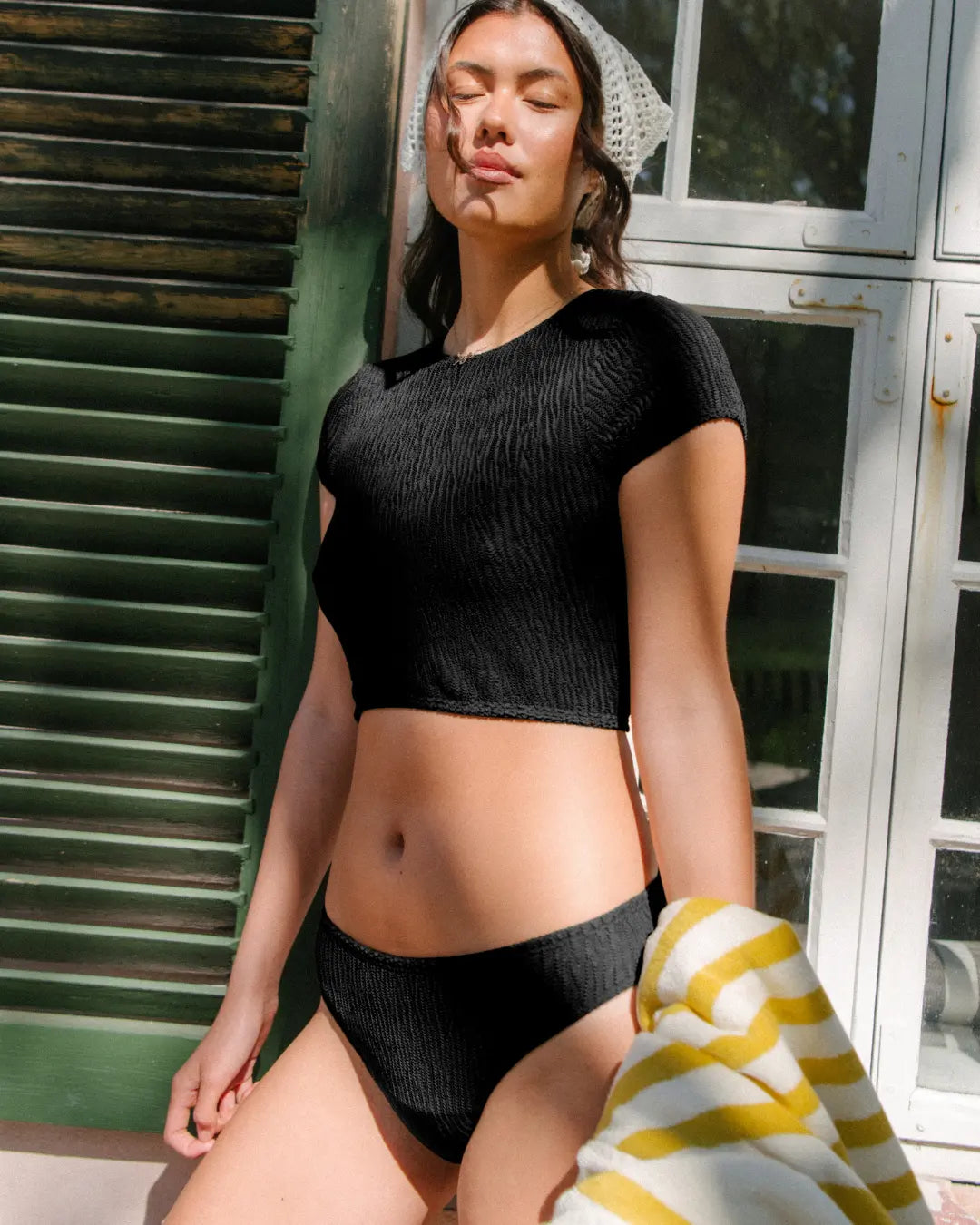
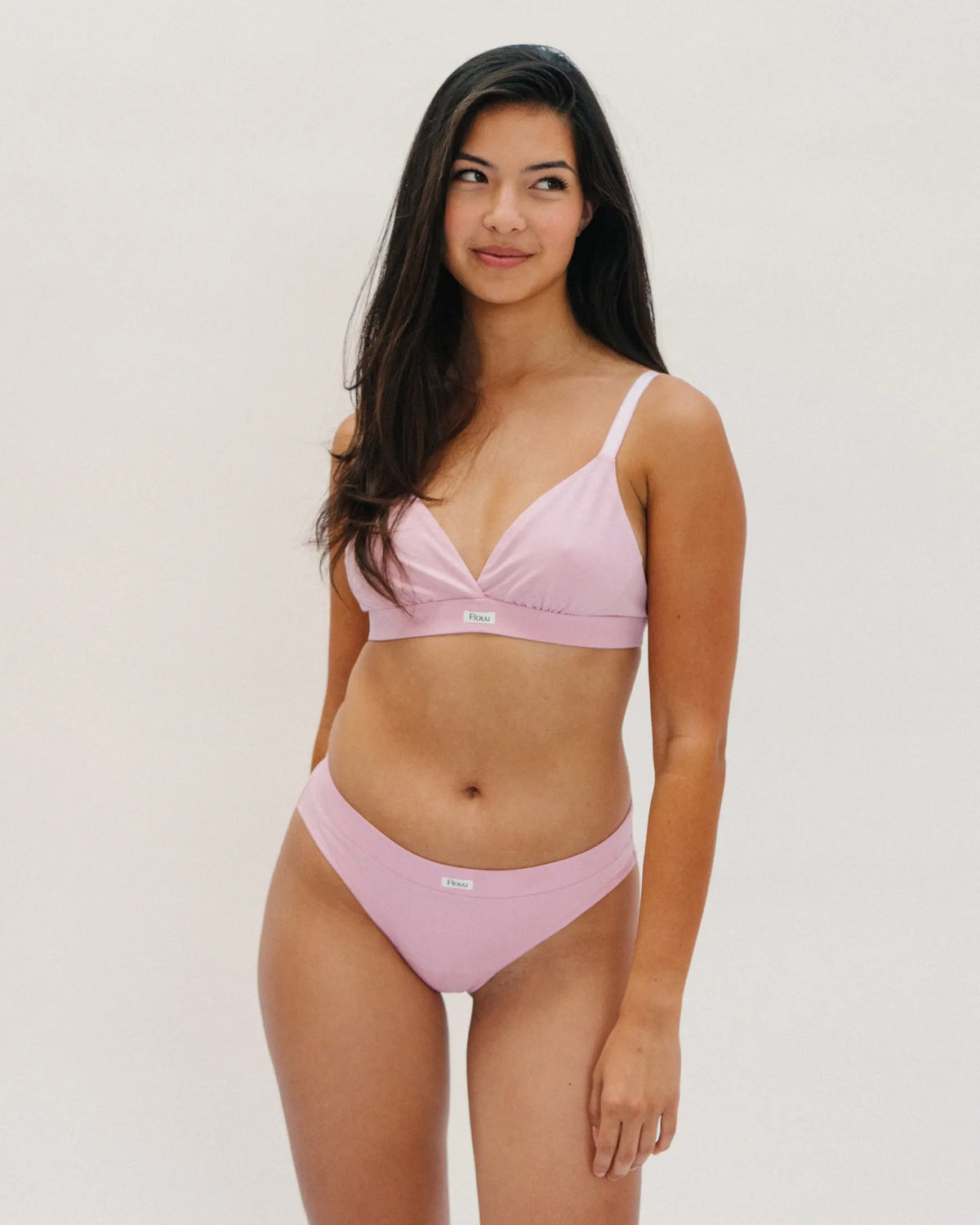
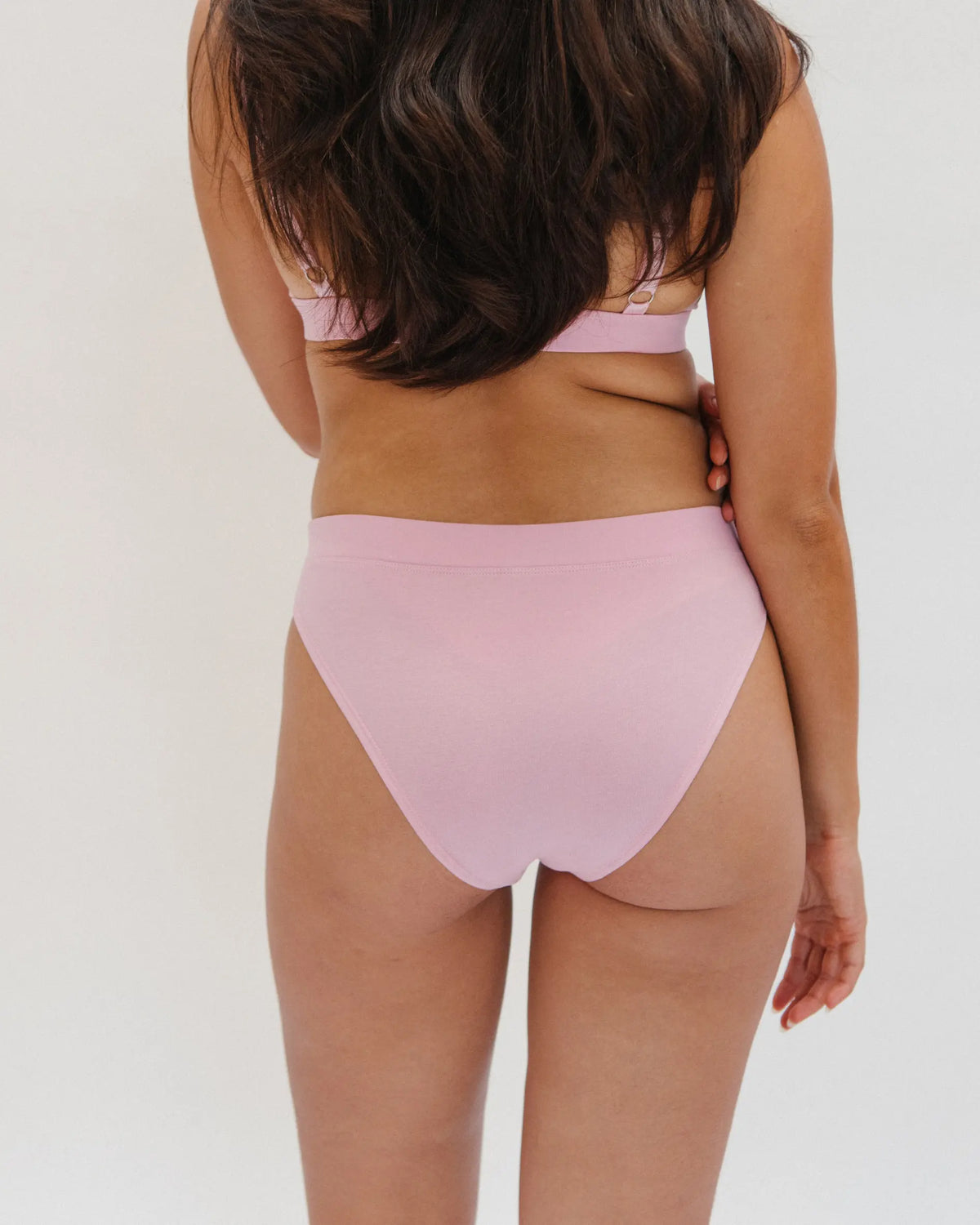
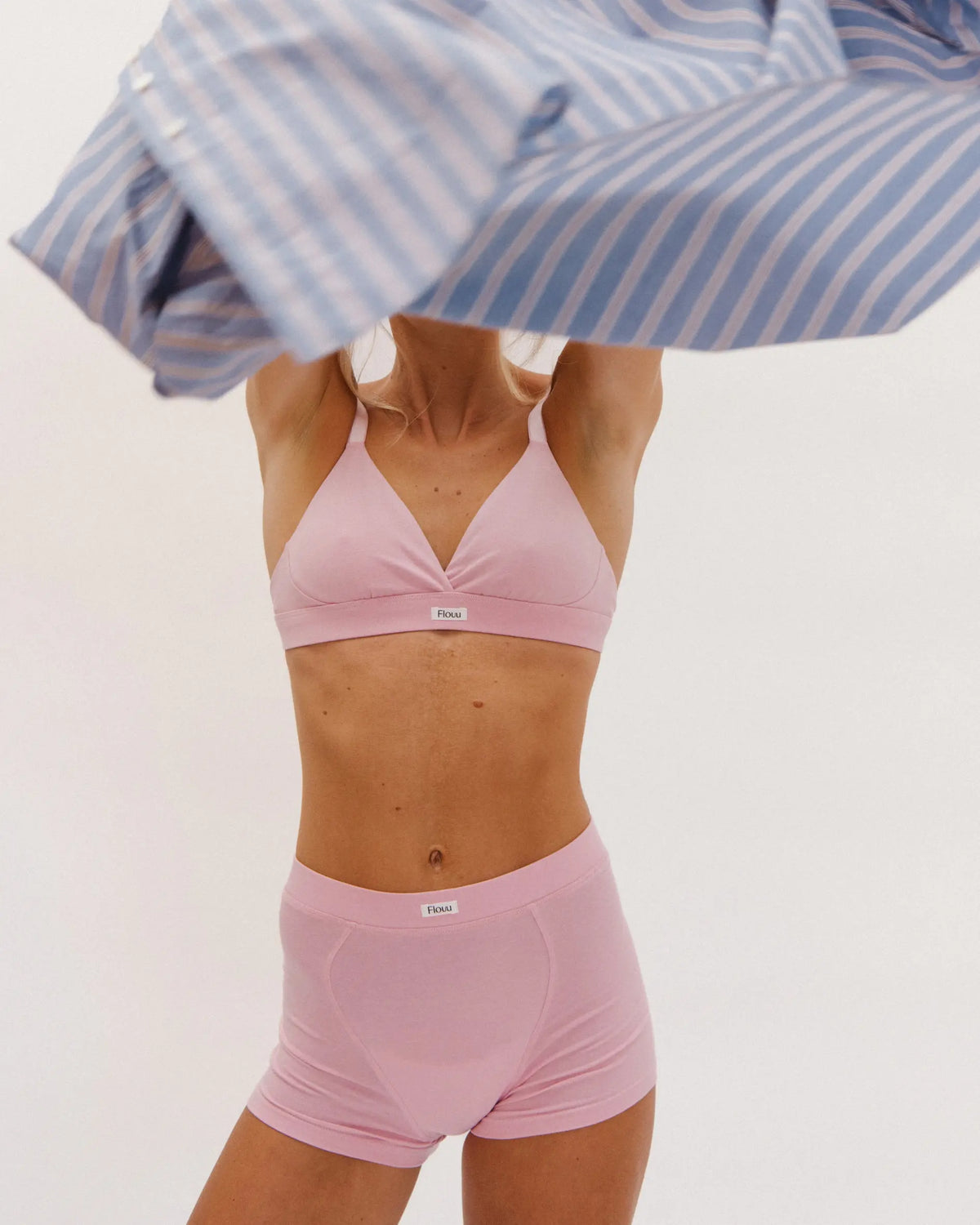
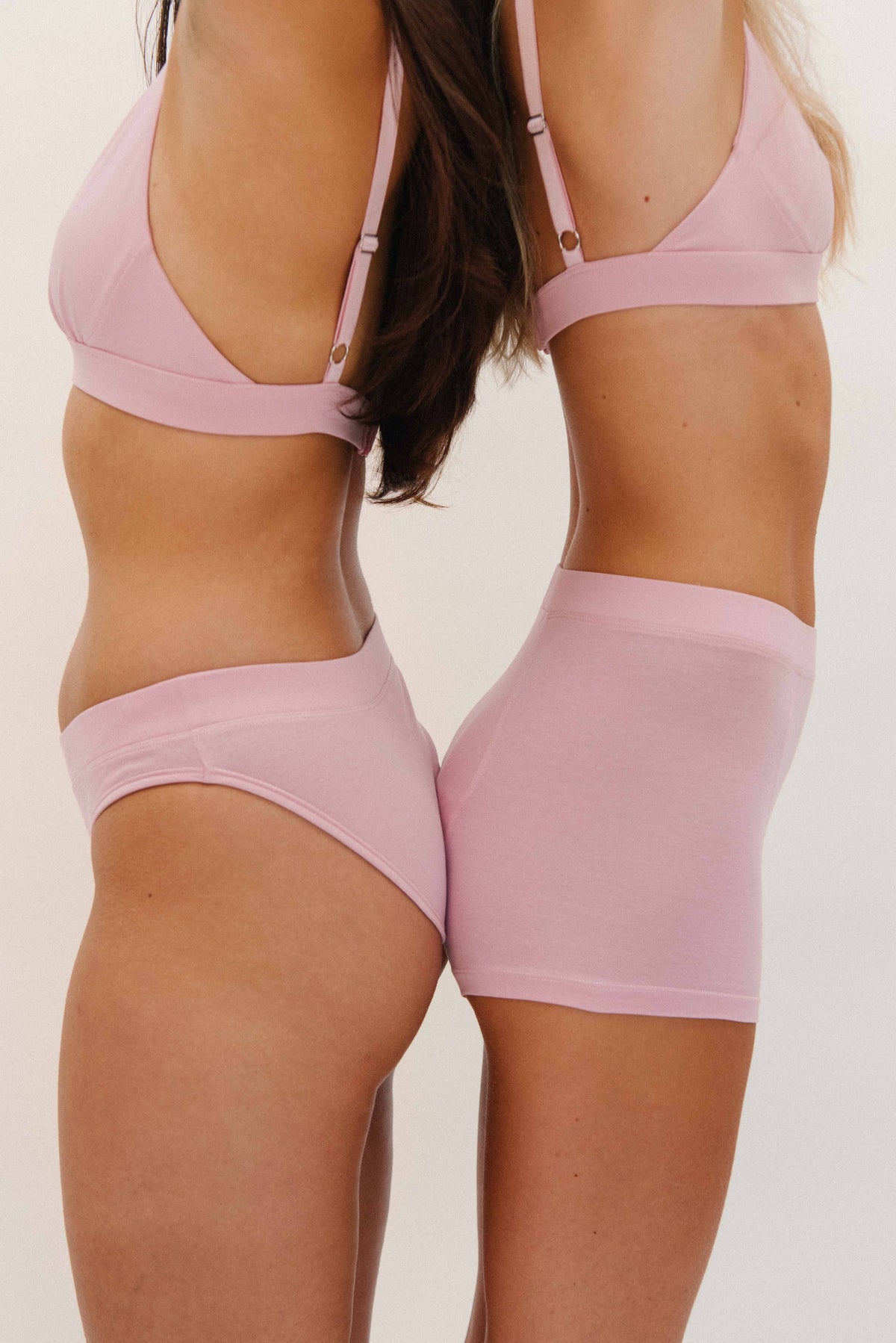
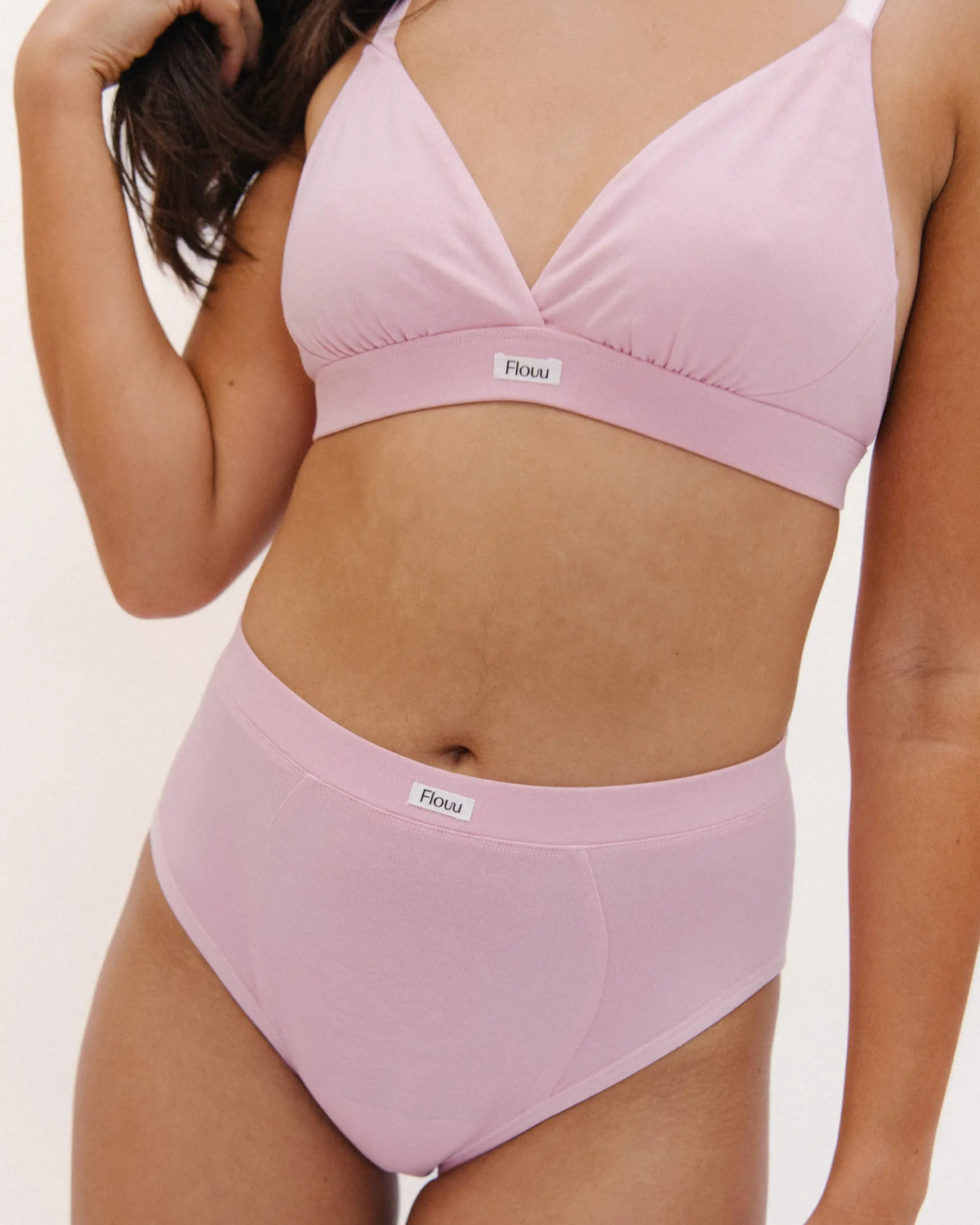
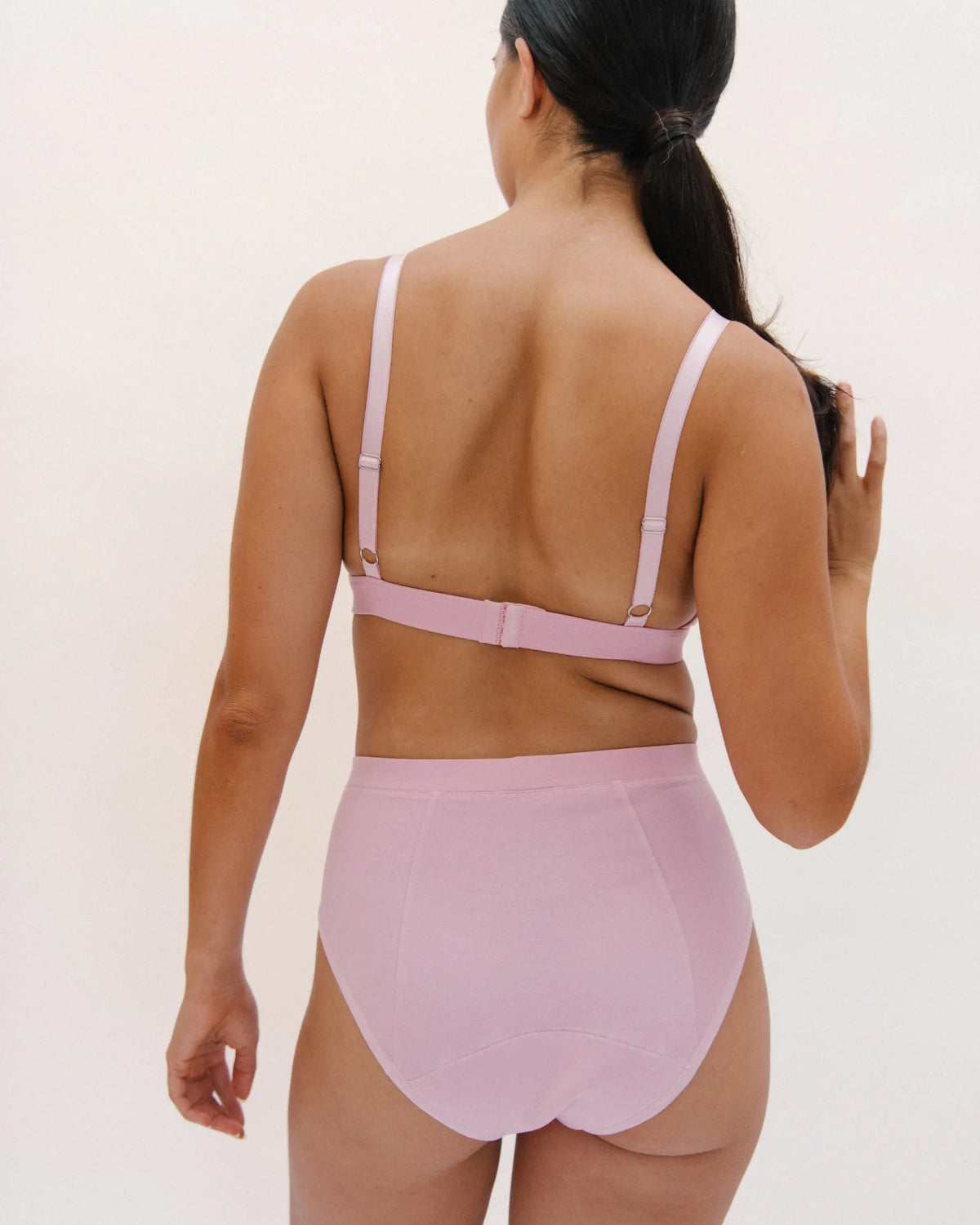
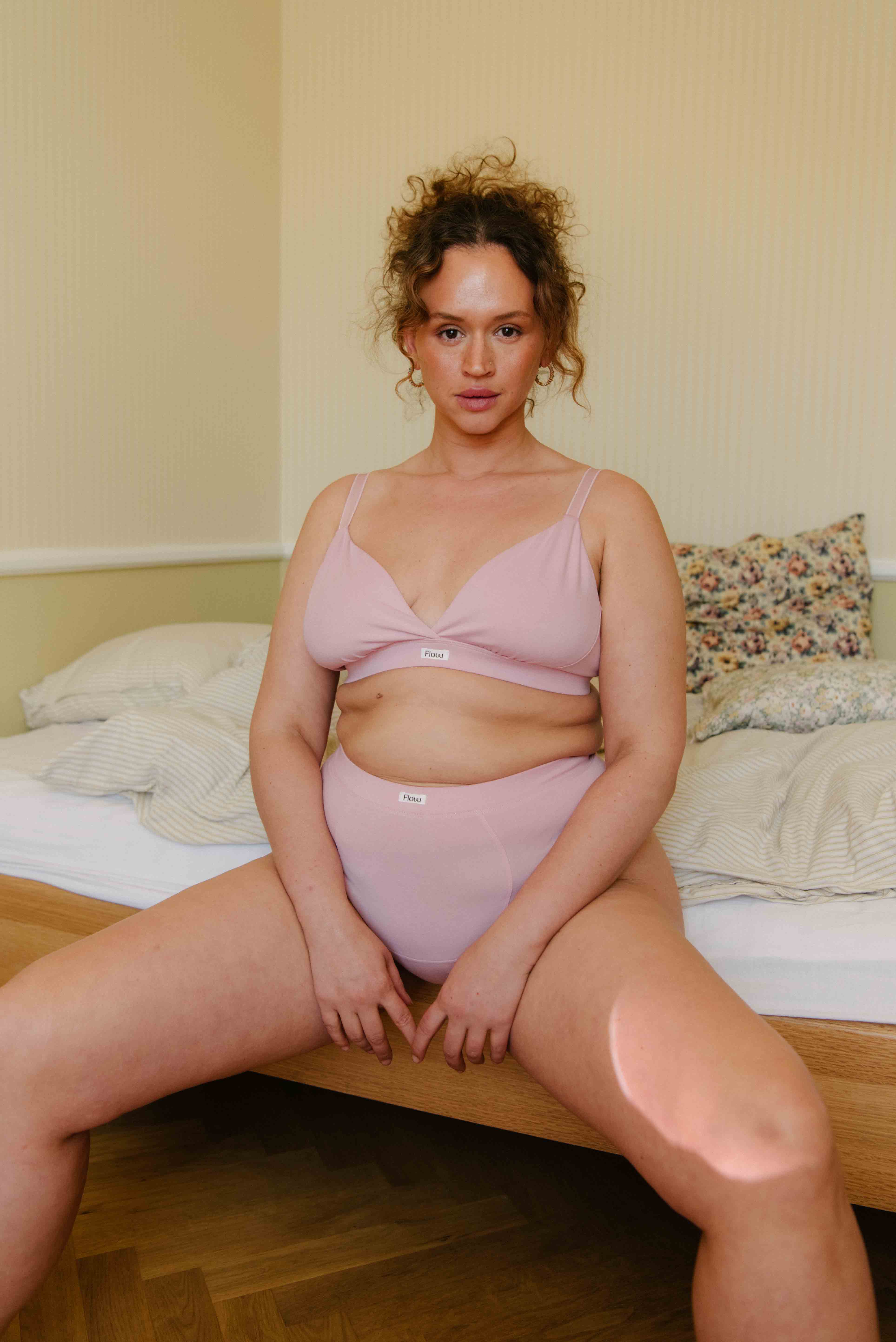
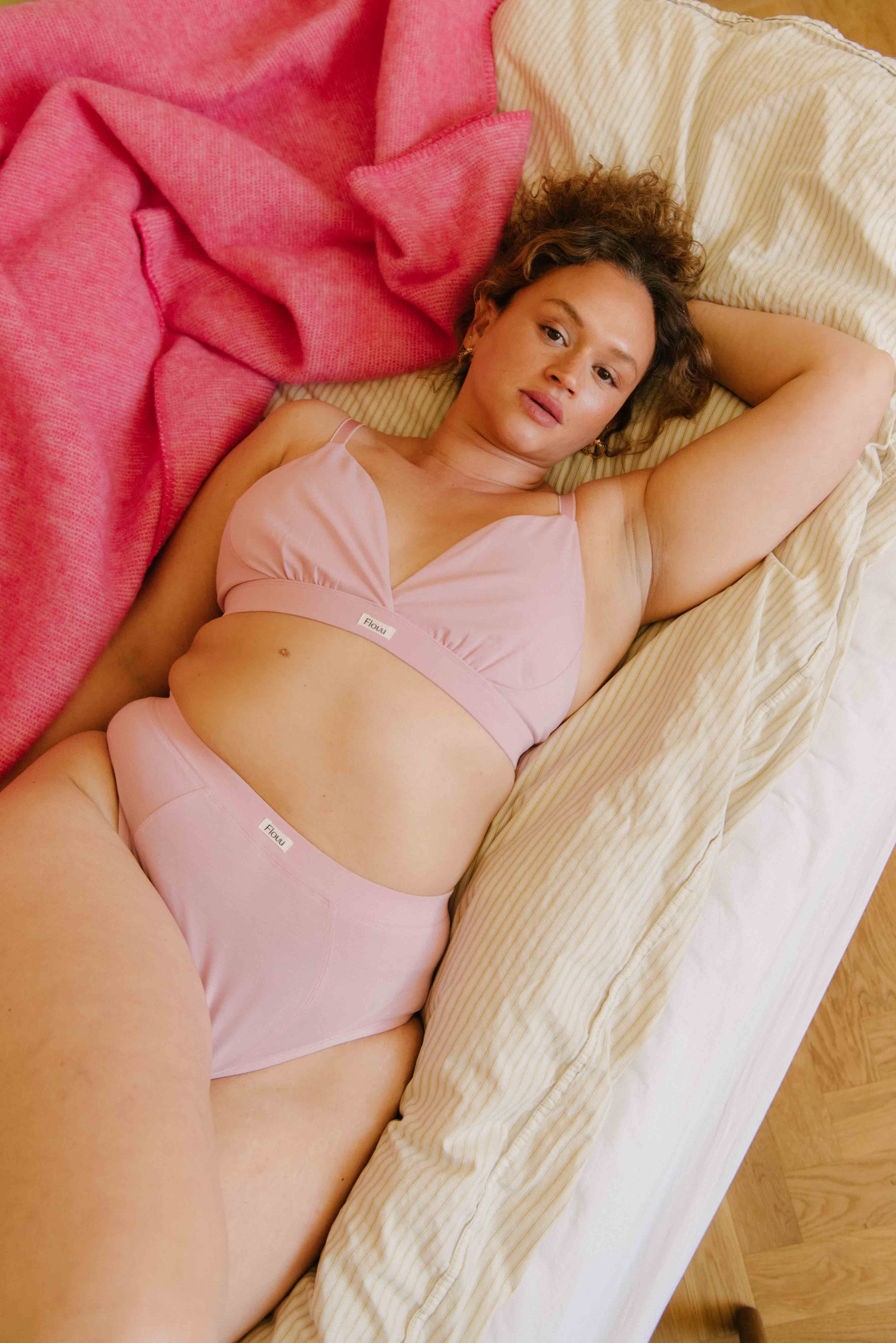
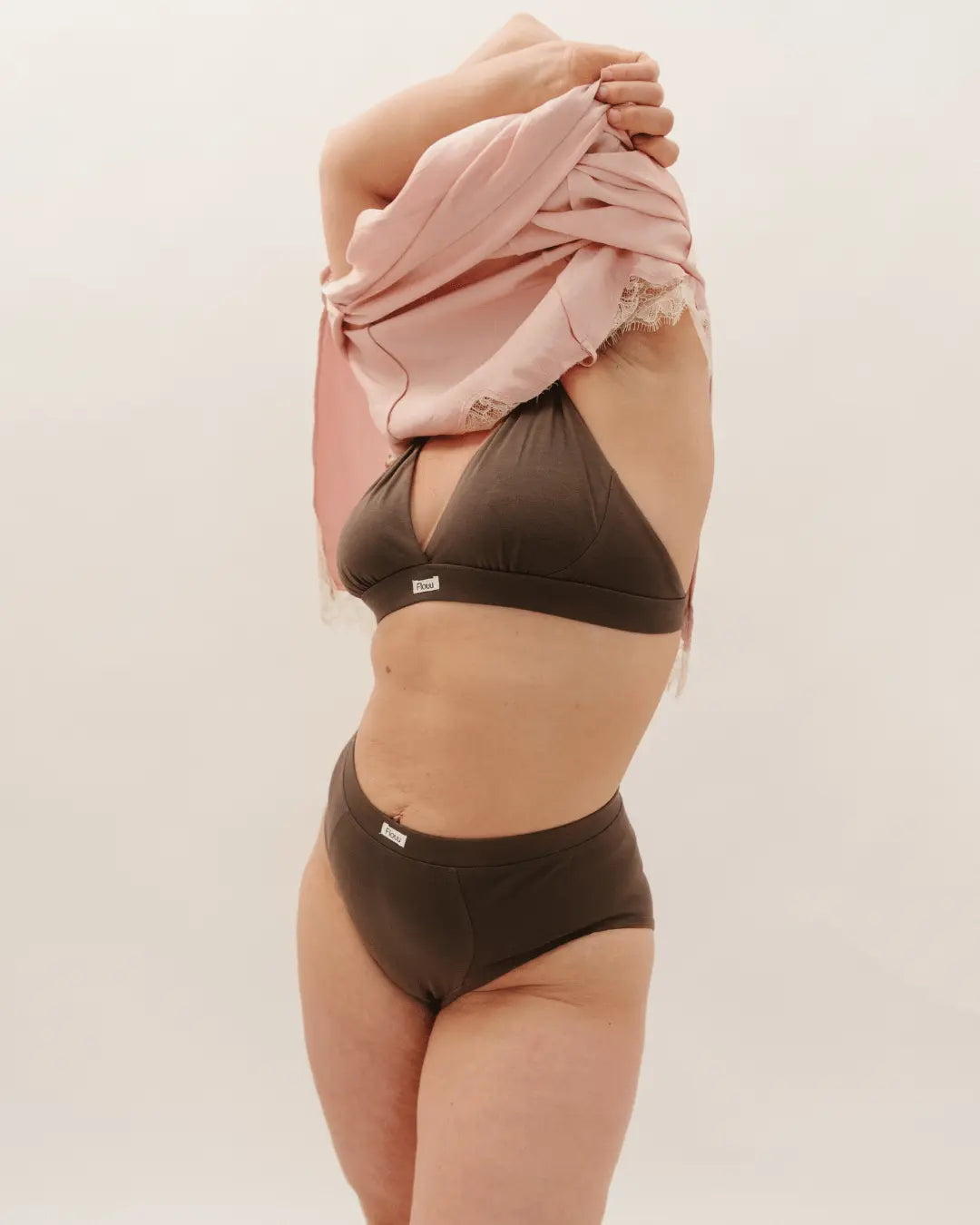
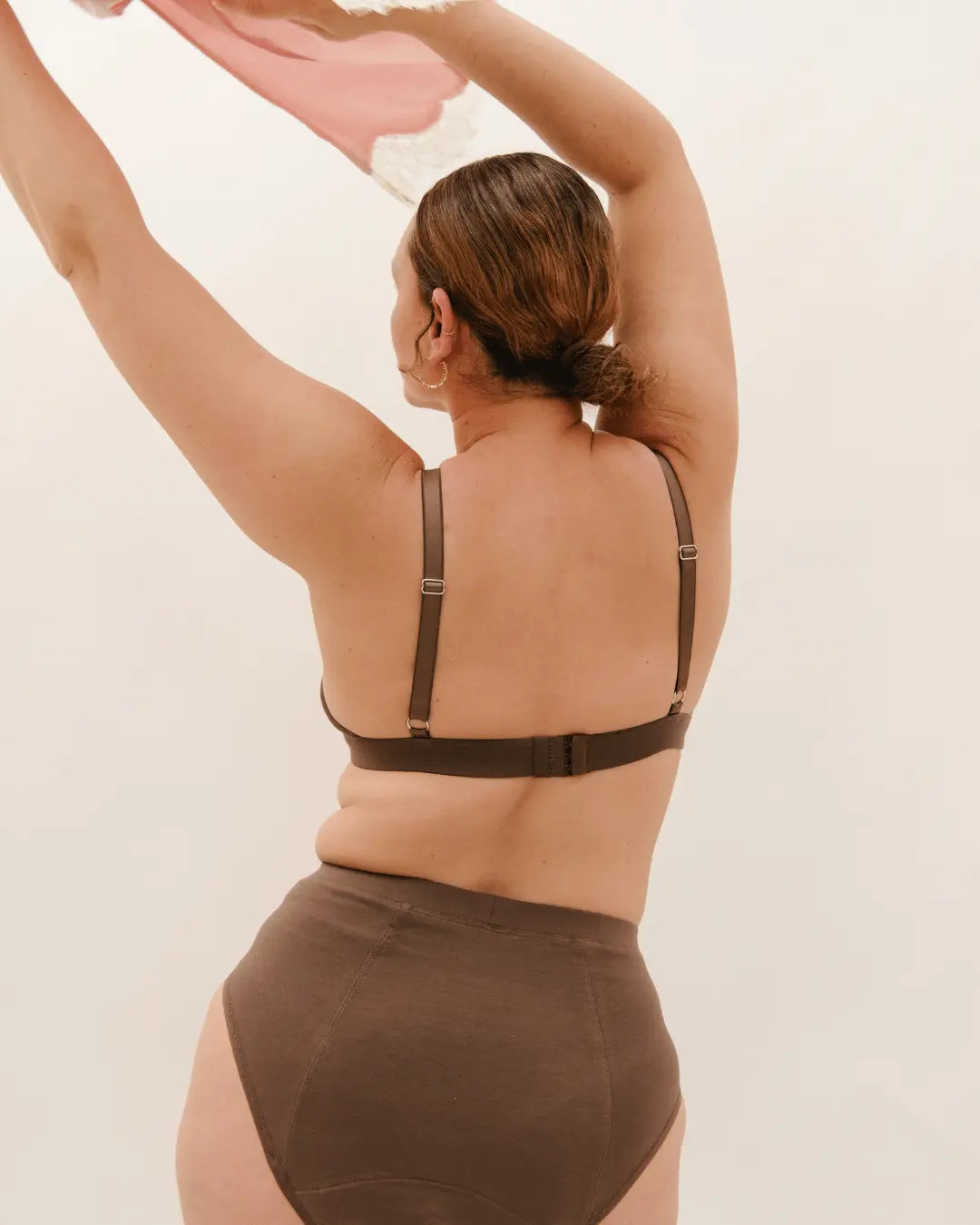
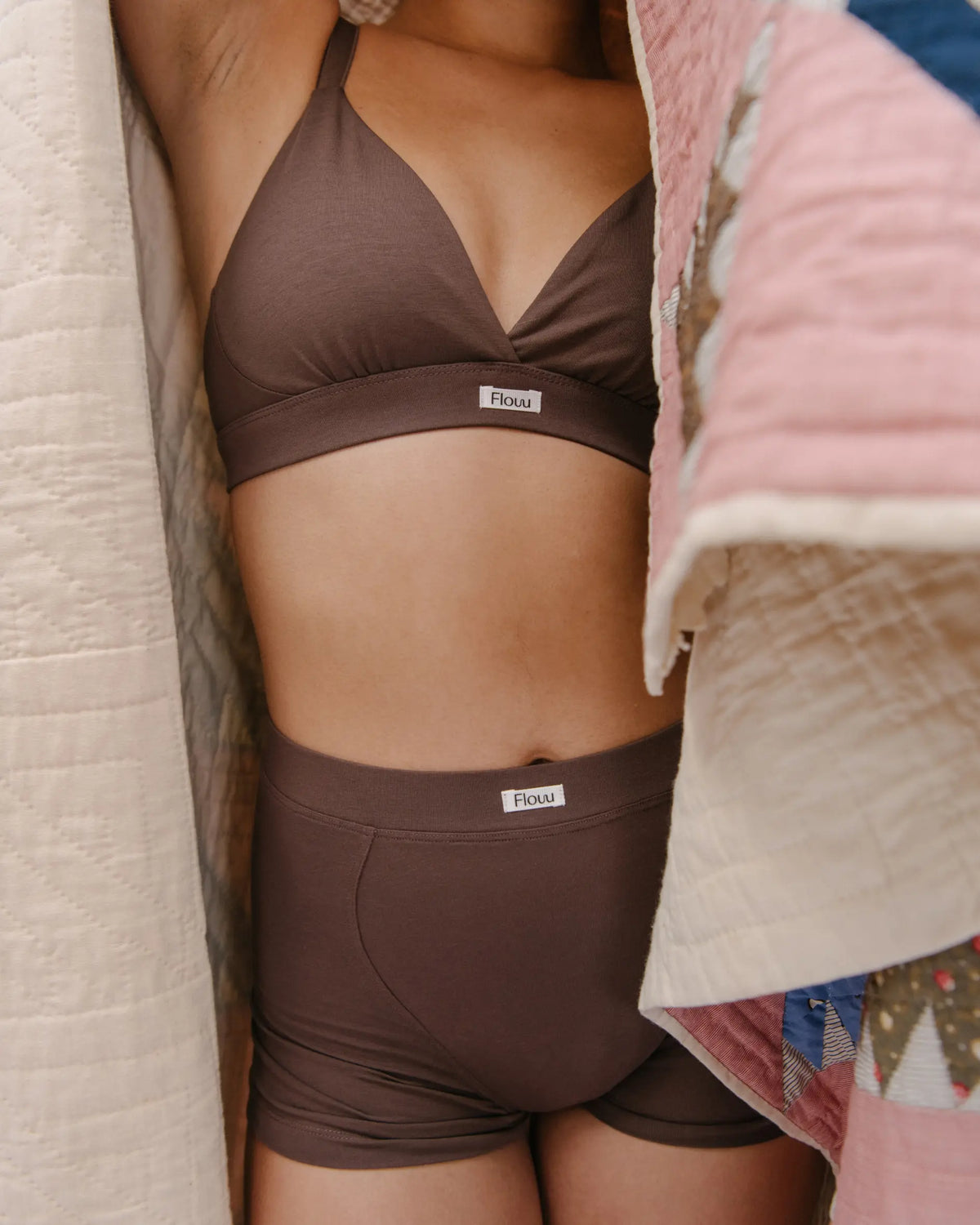
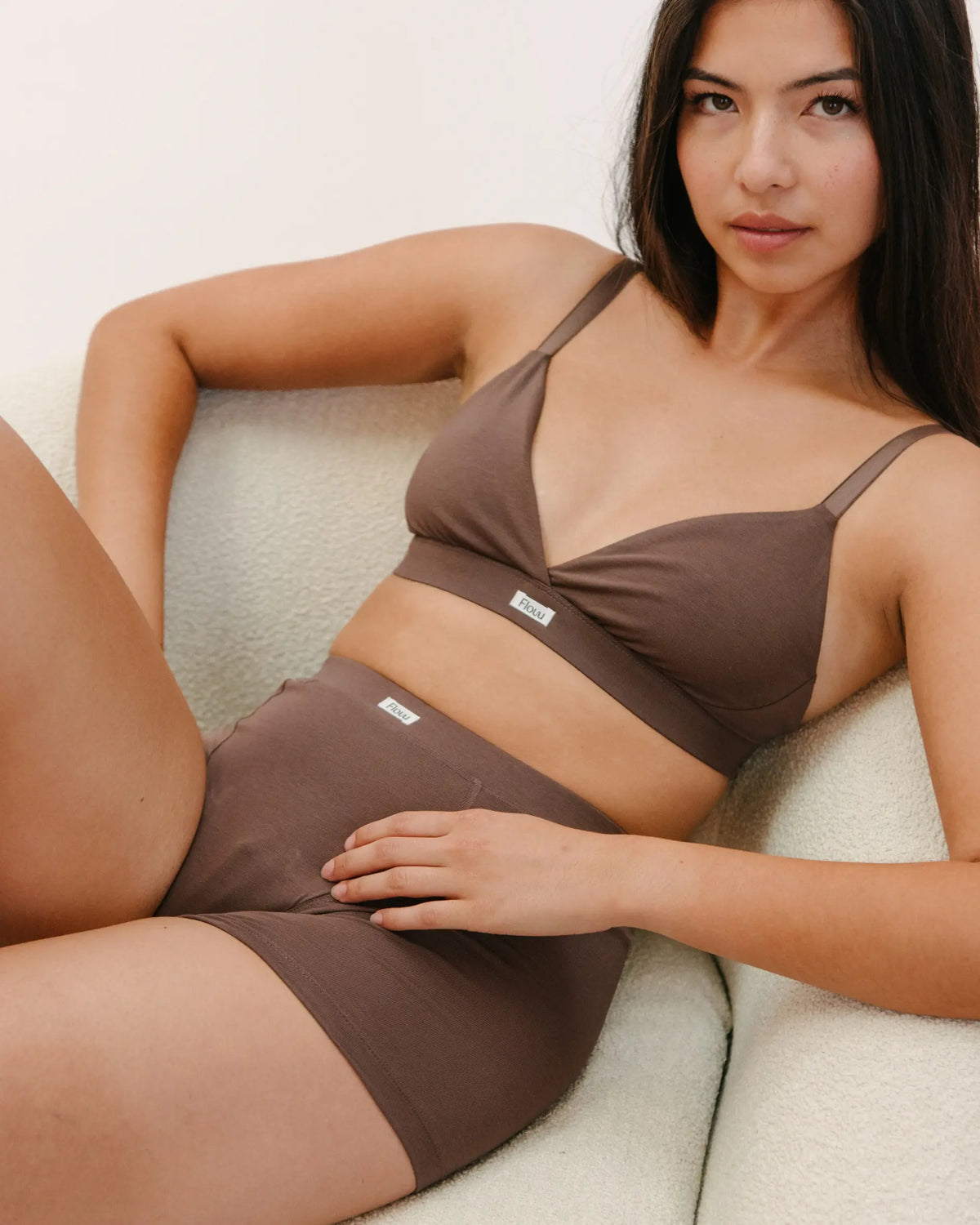
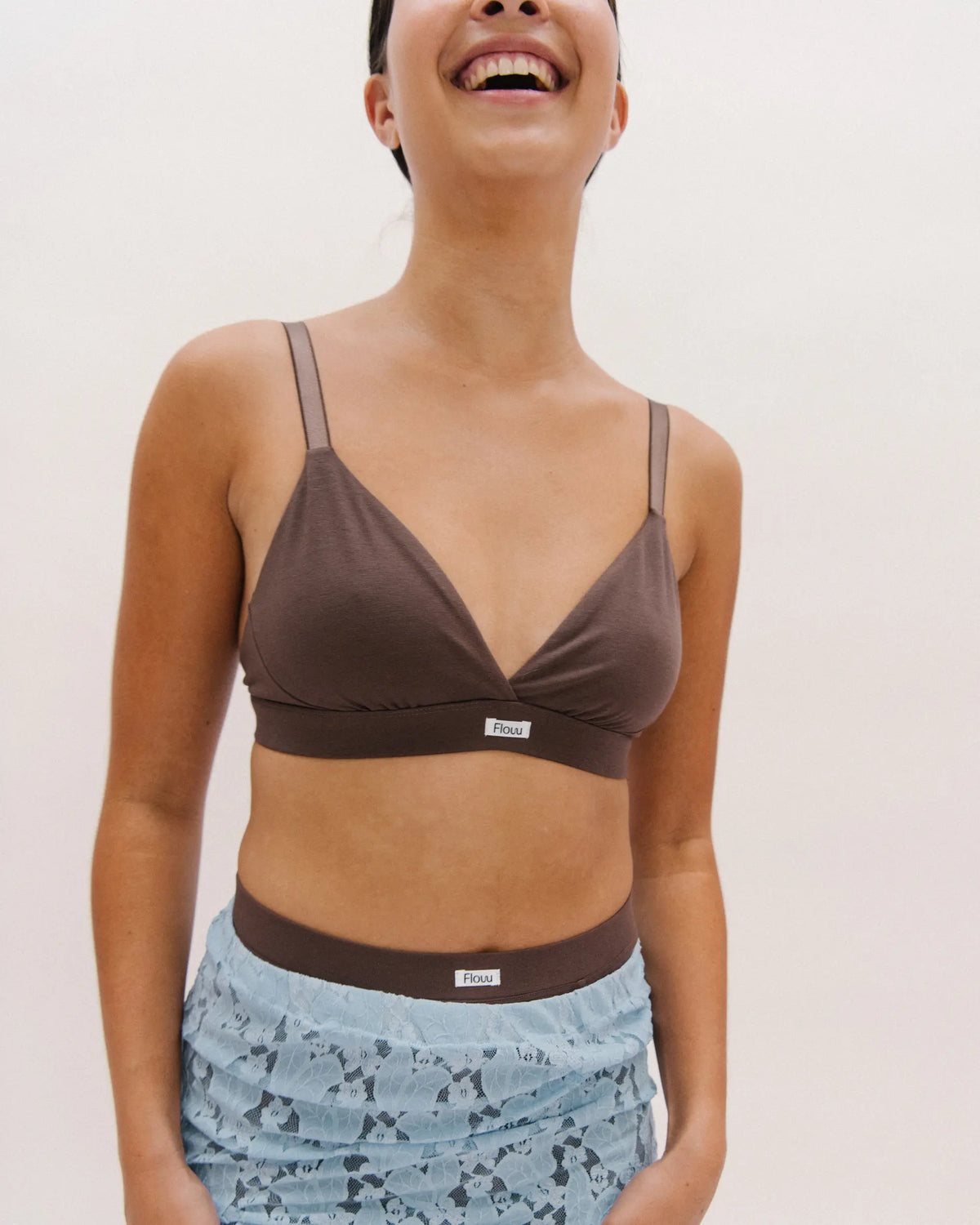
Once your bleeding subsides, you can start switching to maternity period panties . You'll probably feel like this: HOORAY! Because you're going crazy with disposables and the diaper-like feel. Period panties are more comfortable, environmentally friendly, and can give you a sense of freedom because you don't have to deal with sticky pads and plastic. It will definitely feel like a step closer to feeling like yourself.
Benefits of menstrual panties postpartum:
-
Breathable materials: Cotton, lyocell and bamboo in particular are gentle on sensitive skin.
-
No fear of leaks: Depending on the type, they can absorb the equivalent of 2-4 pads. But still make sure to change them regularly - you still have a wound in your uterus that is healing.
-
Environmentally friendly choice: Washable and reusable – ideal during a period of high expenses.
Select high waist models that support the stomach and do not put pressure on any caesarean section scars.
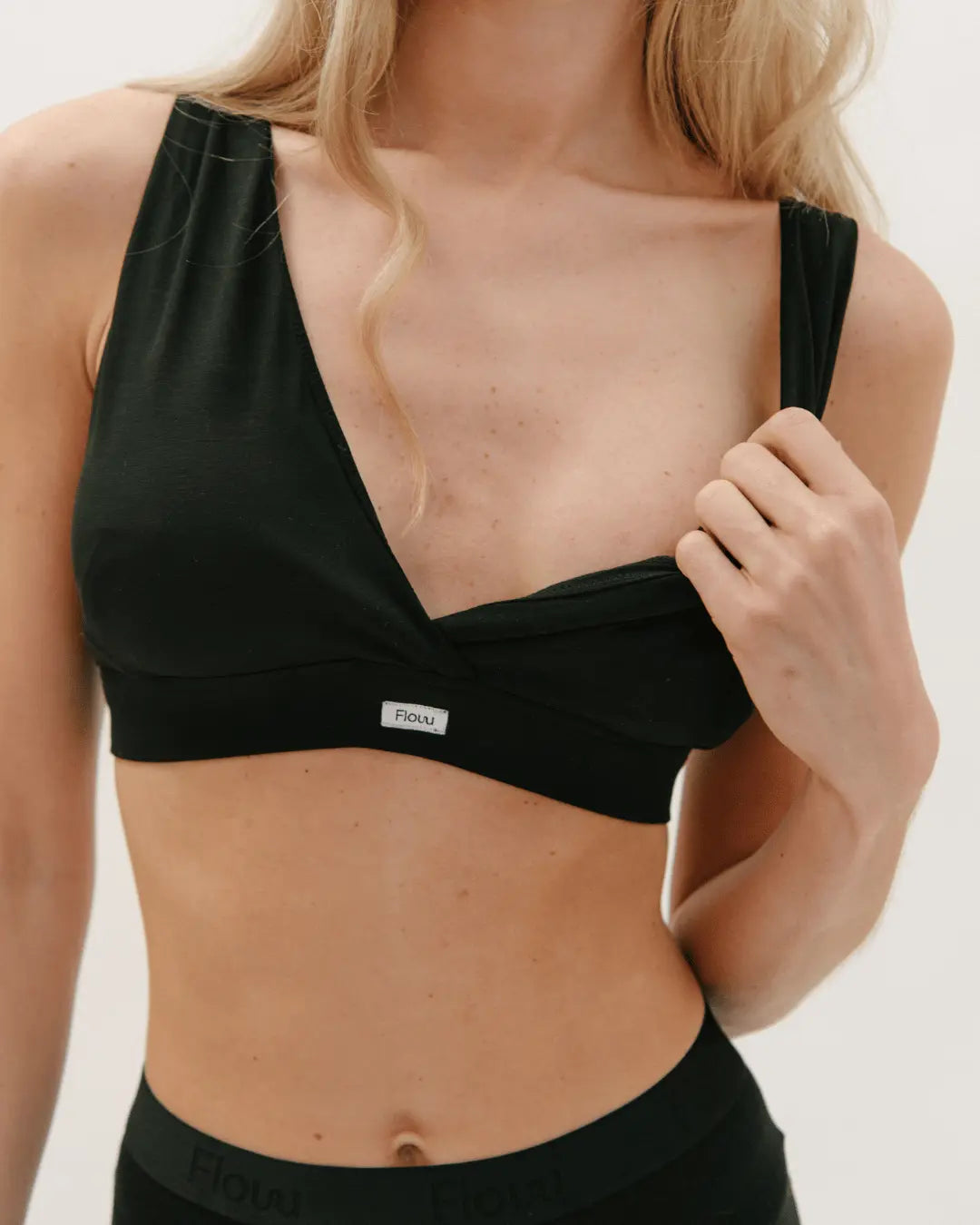
👉 Find our postpartum bundle here and save on both absorbent panties and nursing bras
How to combine pads and panties in practice
It's hard to know what you're going to be the biggest fan of. But it might be a good idea to have several solutions ready:
-
The first few days: 100% bandage, change often.
-
Week 2–3: Combine and switch between a pad and menstrual panties, if necessary.
-
After week 3: Only use menstrual panties when bleeding is light.
A good rule of thumb is to have 4–6 pairs of panties in rotation, so you always have a clean pair ready while others are being washed. We know you have a lot to take care of, so have your partner rinse or use an express program on cold water in the machine and take the whole stack of panties at once. Then run a regular 40-degree program, possibly with our special detergent . It's even Allergy Certified now.
👉 Read our guide on how to best wash your panties after use
How do you care for your lower abdomen after giving birth?
Now that we're on the subject of taking care of your lower abdomen, in addition to choosing the right products, gentle care is also good for healing. So what's the best thing you can do to take care of yourself?
-
Rinse with lukewarm water instead of soap to avoid drying out. You may find that the vulva and the surrounding area are super swollen in the first few days after giving birth, so soap residue that is difficult to rinse off can become stuck and irritate the skin.
-
If you are sore, consider using a flushing bottle instead of toilet paper after using the toilet.
-
Let your skin breathe as much as possible – especially if you have stitches. Lie down for a while without underwear and tie a towel around your waist, for example, so that your lower abdomen can breathe.
-
Avoid tight panties (and pants! Well, not that you want to, but we just see it) or synthetic fabrics, which can create moisture and irritation.
If you have a sore neck or lower back from lying awkwardly at night or sitting and breastfeeding all day, we recommend applying our fragrance-free Calming Cream - a body lotion with magnesium that deeply soothes.
When should you switch to regular panties?
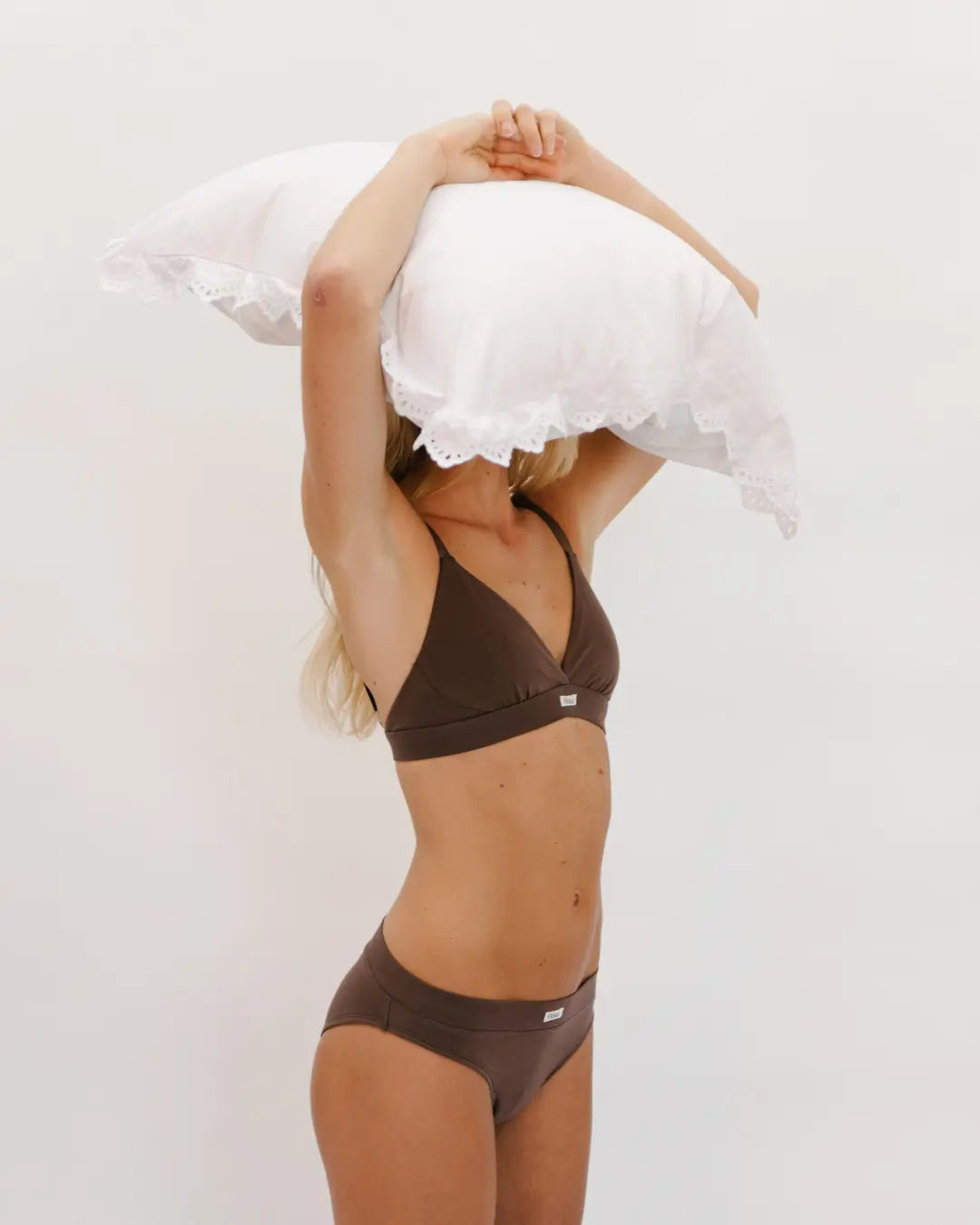
When the discharge becomes more transparent and sparse (typically after 4–6 weeks), you can gradually return to your regular panties. Or use our Everyday underwear with low absorption . Many new mothers continue to wear menstrual panties for a longer period – both for comfort and reassurance, especially if the cycle returns quickly. Or for lighter incontinence postpartum.
A quiet piece of advice at the end
Your body has just gone through something extraordinary. The most important thing you can do is listen to yourself – and choose products that make you feel safe, dry and comfortable. You need that for you - both for practicality and for the sake of niceness.
Frequently asked questions about postpartum care and products
How long does it take to bleed after giving birth?
Postpartum bleeding (lochia) typically lasts 2–6 weeks, but in some people it can last up to 8 weeks. The bleeding is heaviest in the first few days and gradually decreases in both amount and color.
What is postpartum bleeding (lochia)?
Postpartum bleeding is the body's way of cleansing the uterus after birth. It consists of blood, mucus, and remnants from pregnancy and is not the same as menstruation.
Which pads are best after giving birth?
For the first few days, large, soft and breathable maternity pads are recommended – preferably without perfume or plastic surfaces. Choose products that are gentle on the skin and support healing.
When can you use menstrual panties after giving birth?
Once the bleeding subsides – often after the first week – many people can start using menstrual panties. They provide comfort and breathability, especially when bleeding is moderate or light.
Can I use tampons after giving birth?
It is generally recommended to avoid tampons during postpartum bleeding, as the uterus is still healing and there may be an increased risk of infection.
How do you best care for your lower abdomen after giving birth?
Rinse with lukewarm water rather than soap, let your skin air out, and avoid tight or synthetic materials. If you have stitches or pain, a flush bottle may be gentler than toilet paper.
When can you go back to regular panties?
When the bleeding becomes light and more transparent – often after 4–6 weeks – many can gradually return to regular underwear or choose panties with light absorption.