
Eco-friendly periods: 3 alternatives to pads and tampons
An average menstruating person generates between 125 and 150 kg of waste over their lifetime from disposable products such as pads and tampons. Fortunately, there are now several reusable alternatives that can reduce waste while also making menstruation more comfortable — including period underwear, menstrual cups, and menstrual discs.
Reusable period products have become the new black — and for good reason. Over a lifetime, an average menstruating person produces between 125 and 150 kg of waste in the form of used pads and tampons. Most of this waste consists of plastic and cotton, both of which require significant resources to produce and therefore place a burden on the environment.
👉 Here you can read more about the calculations and how environmentally friendly period underwear really is.
Fortunately, there are now several great alternatives to classic disposable products like pads and tampons.
In this article, we take a closer look at three of the most popular options, so you can find the menstrual product that suits you best — and perhaps the planet, too.
The article is written by Emma Libner, author, vulva activist, and sexologist.
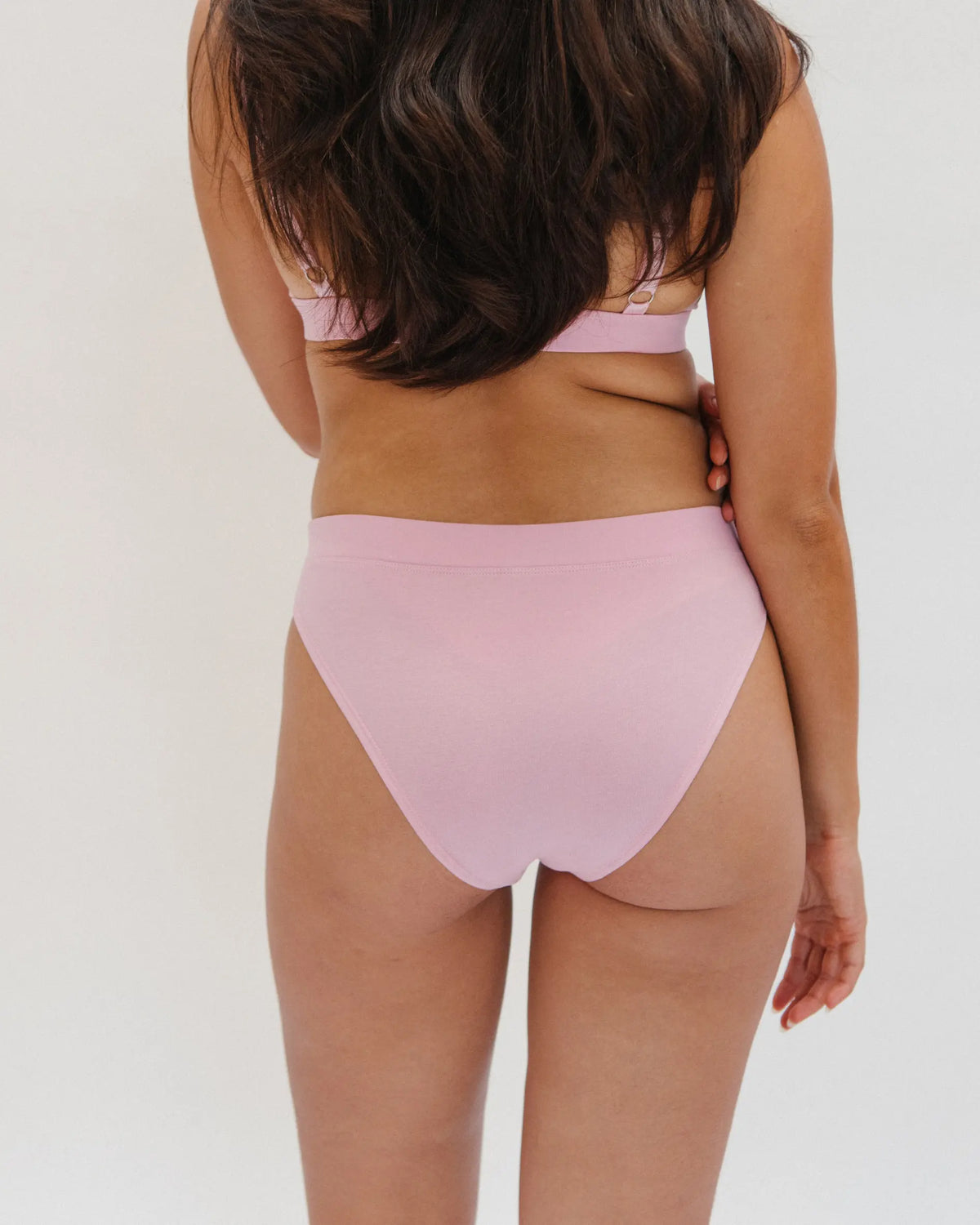
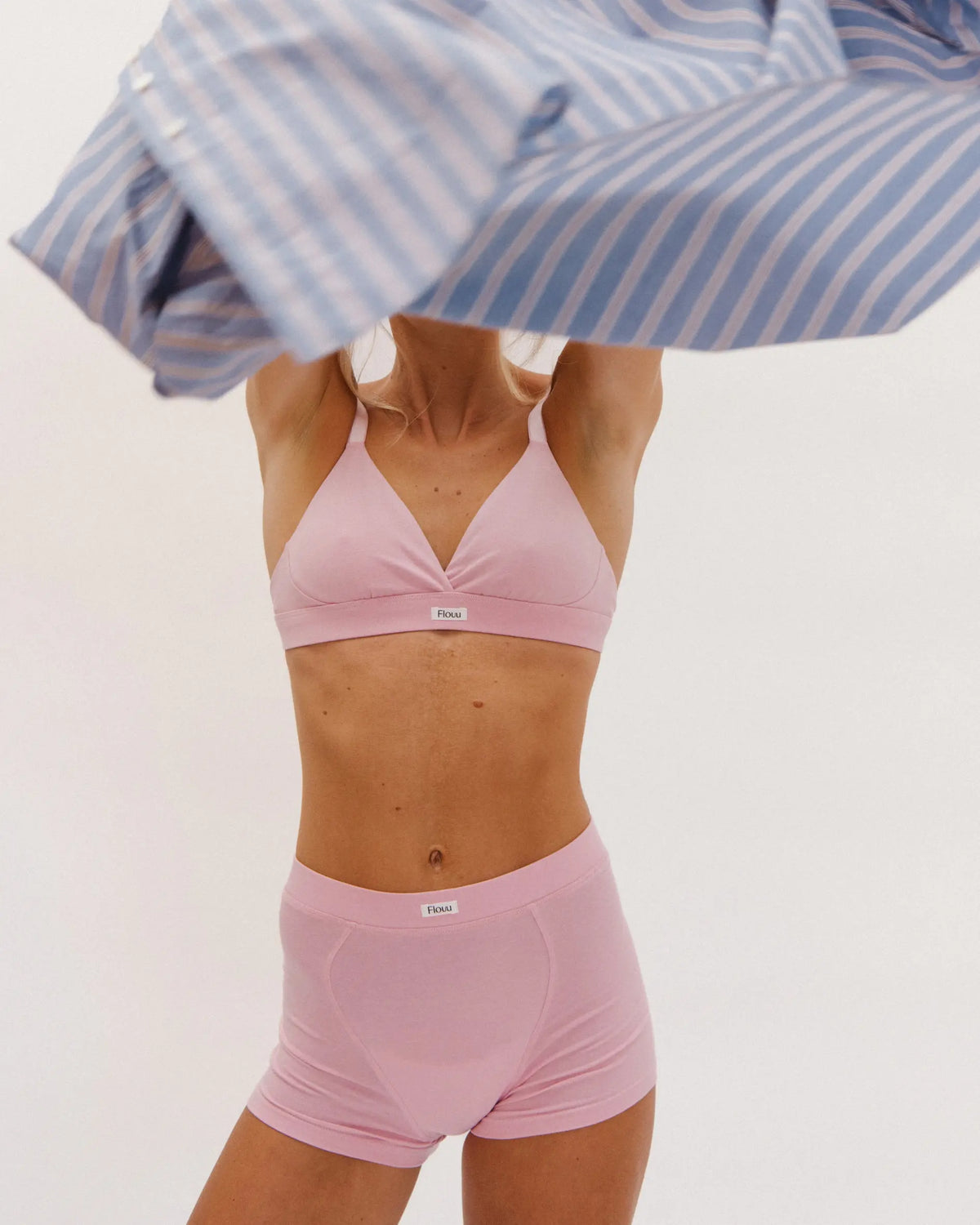
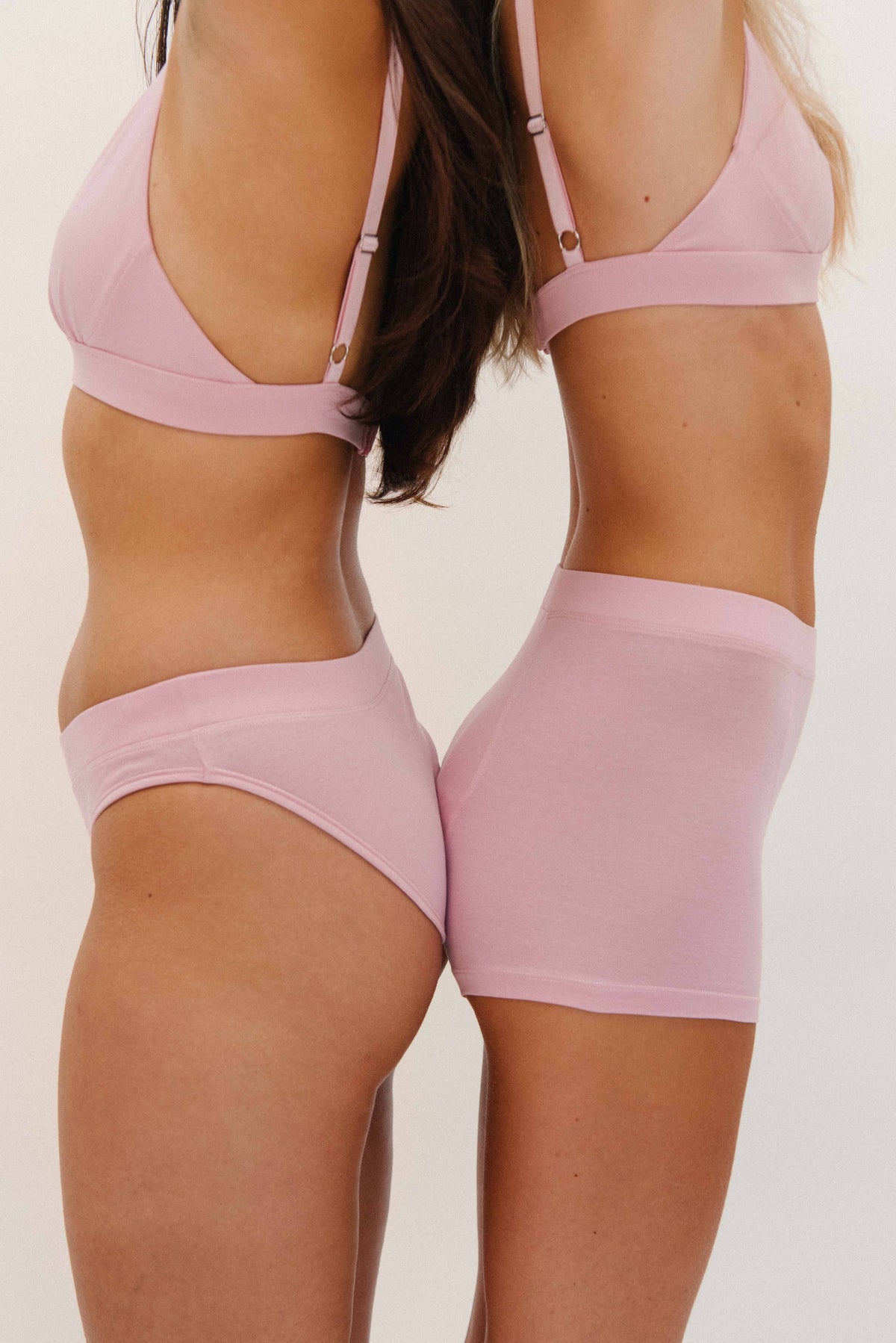
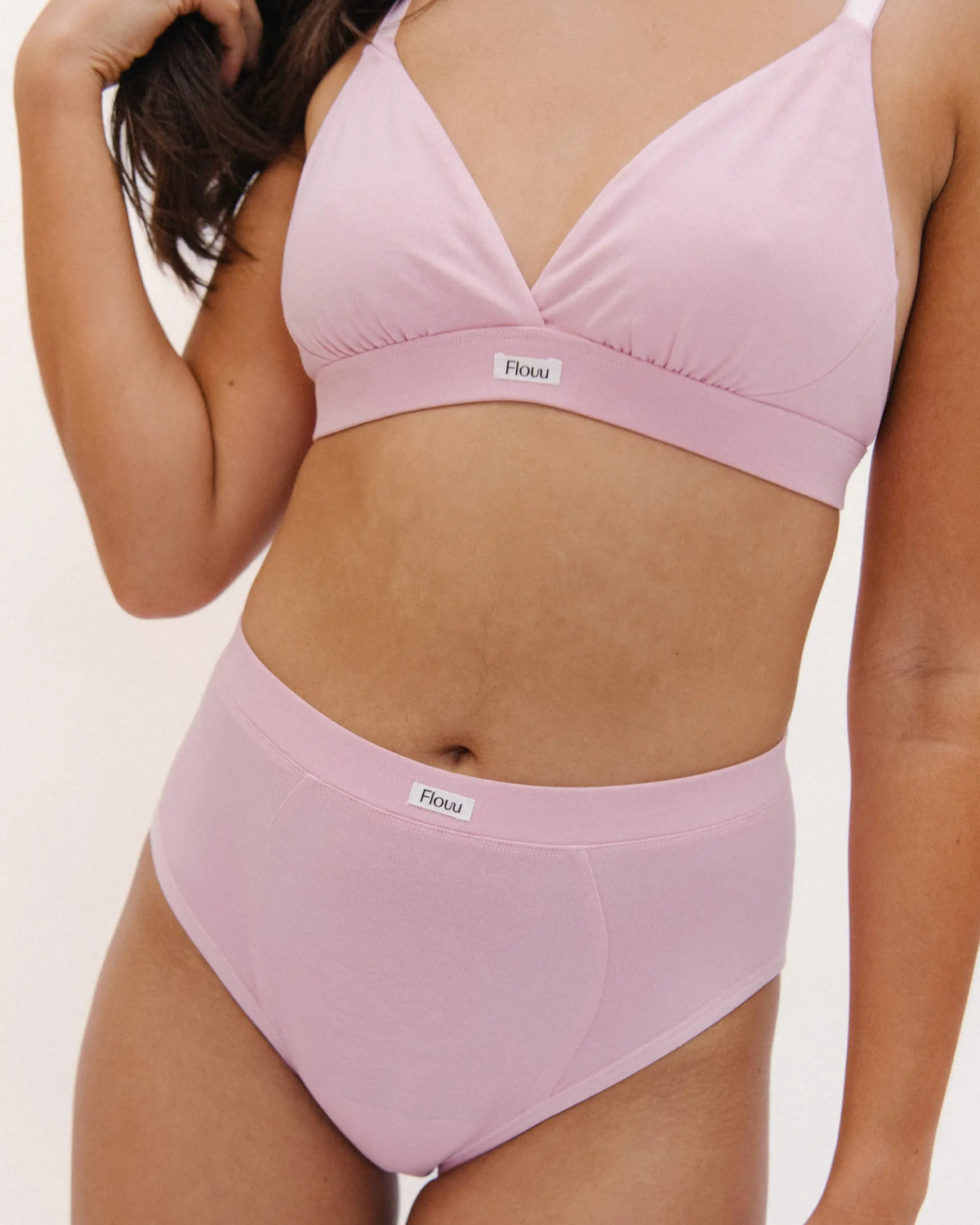
Period underwear: The smart alternative to pads
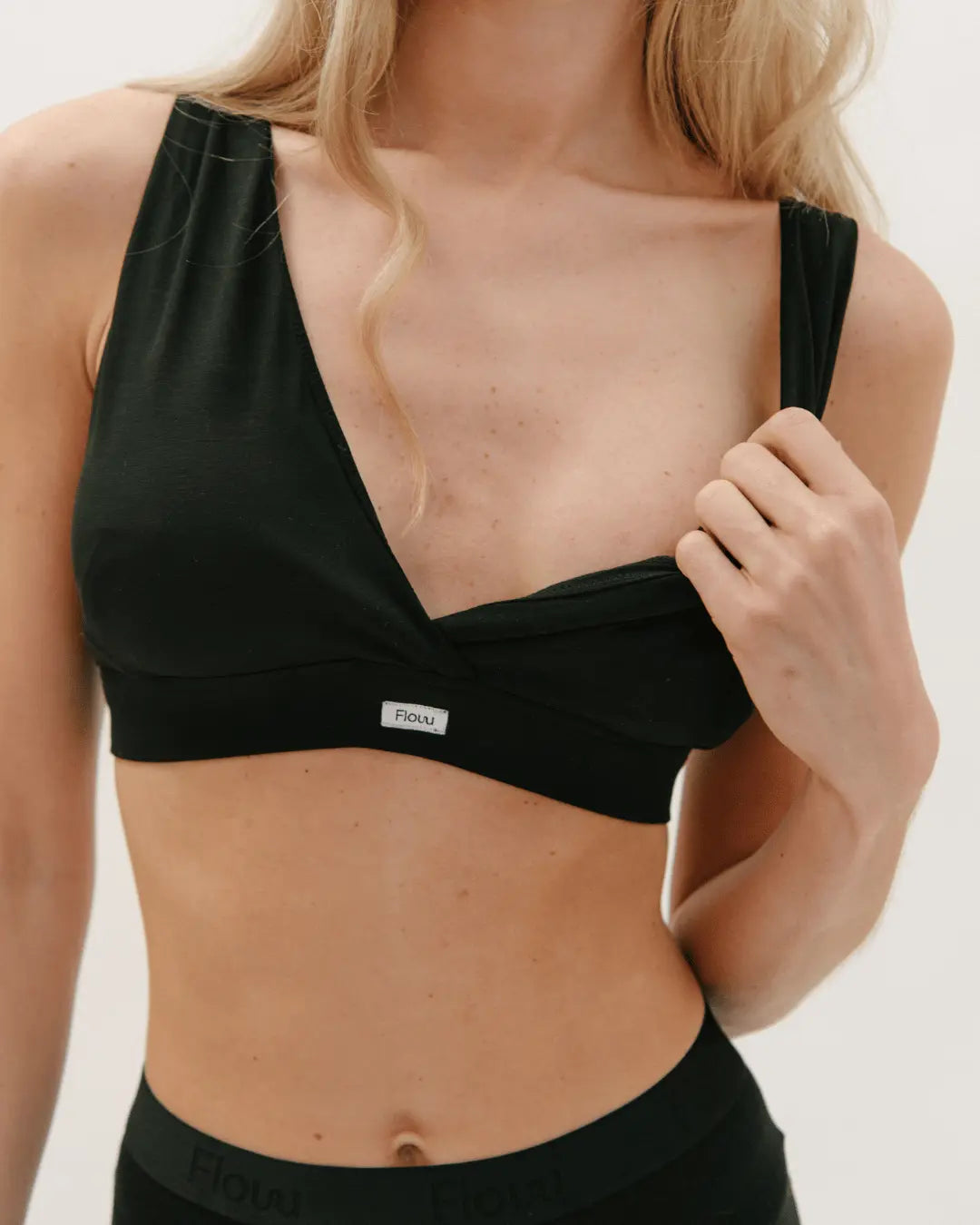
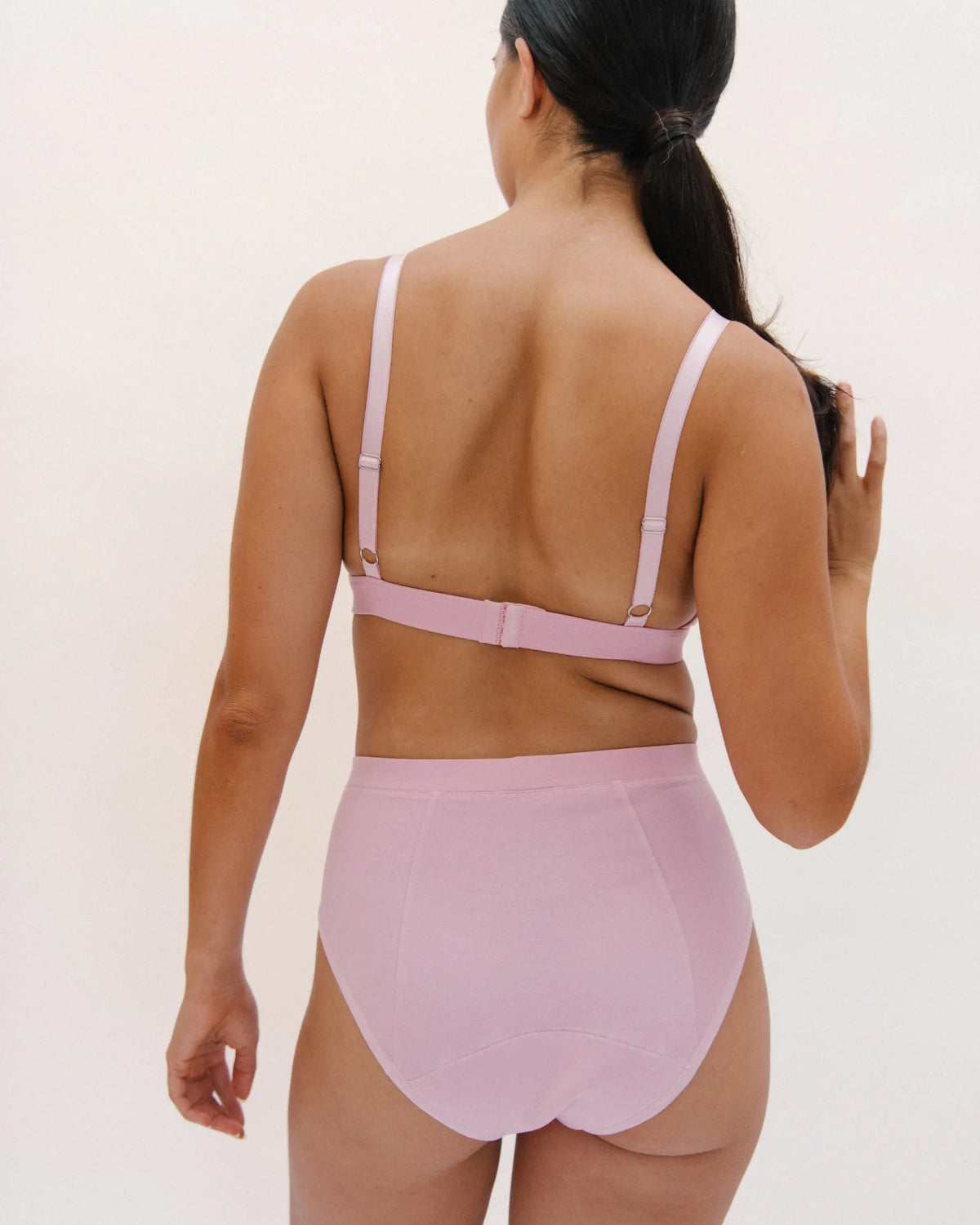
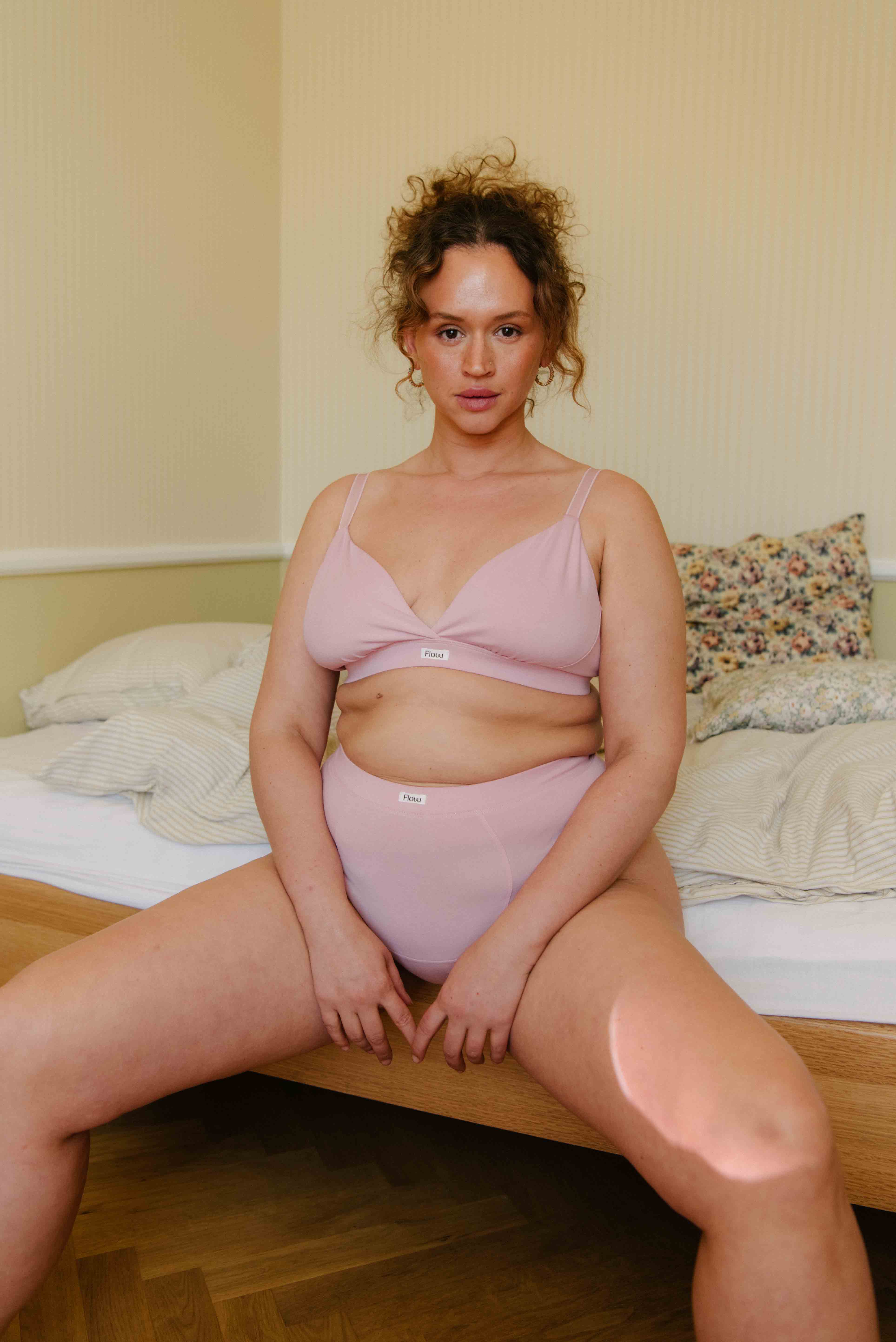
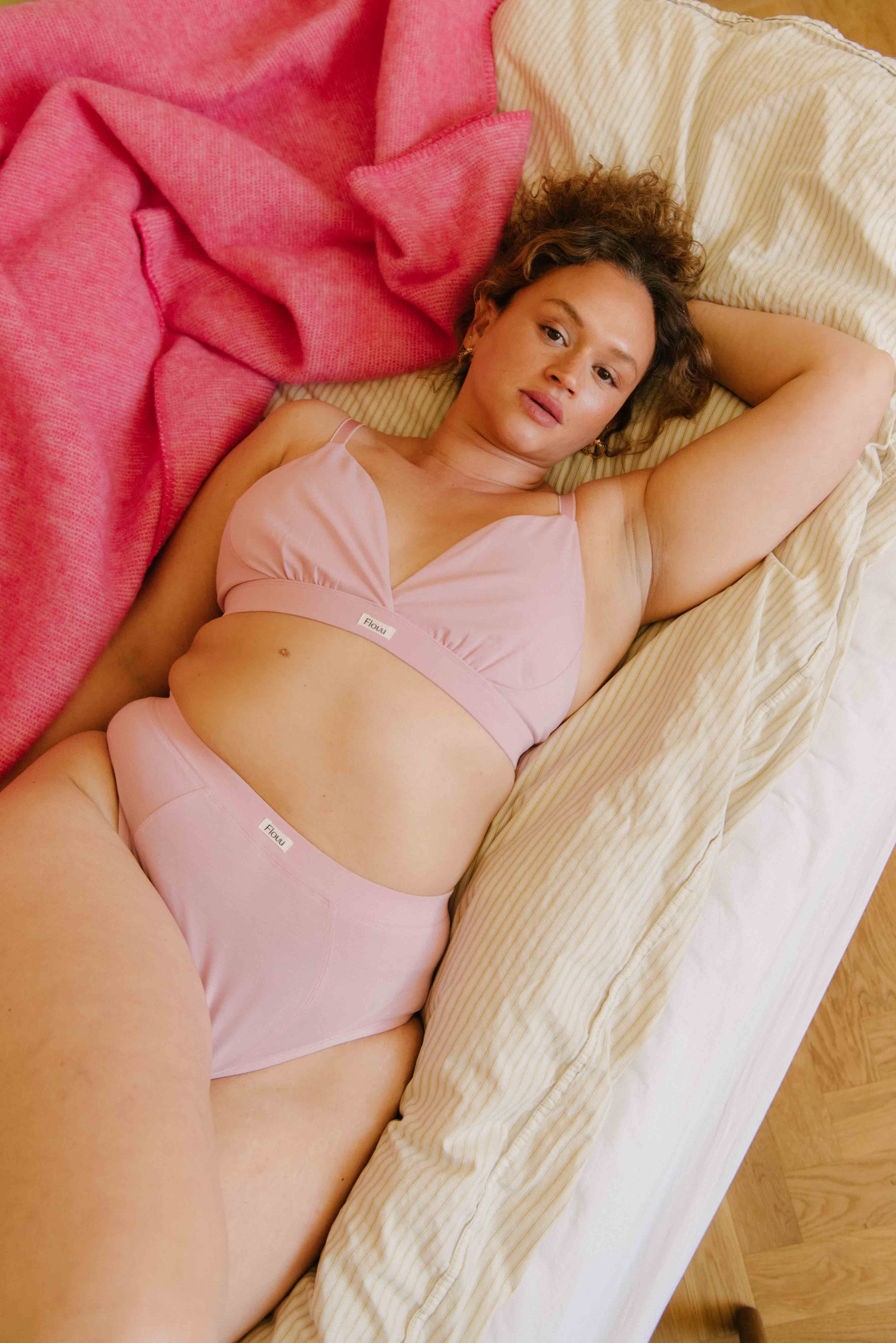
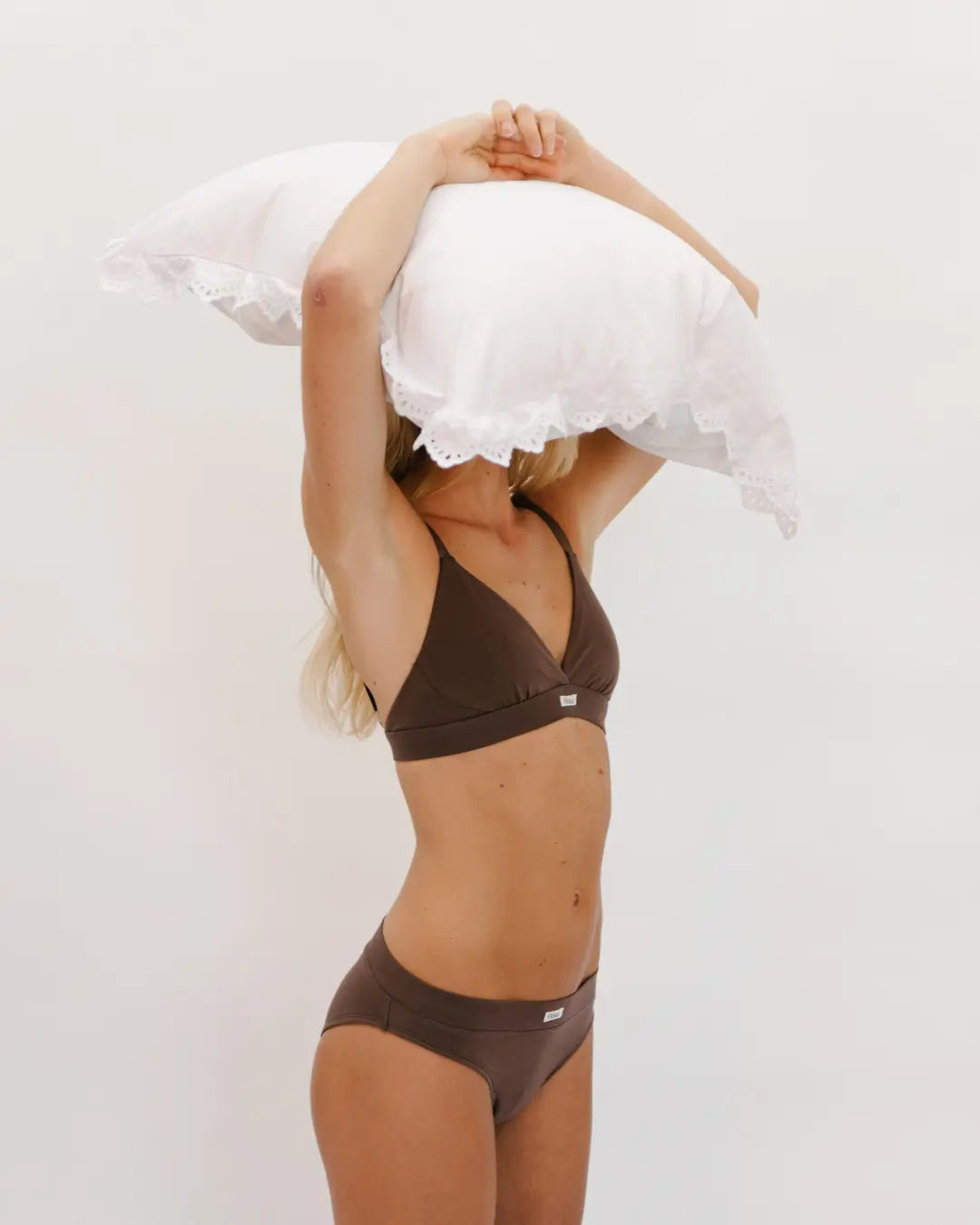
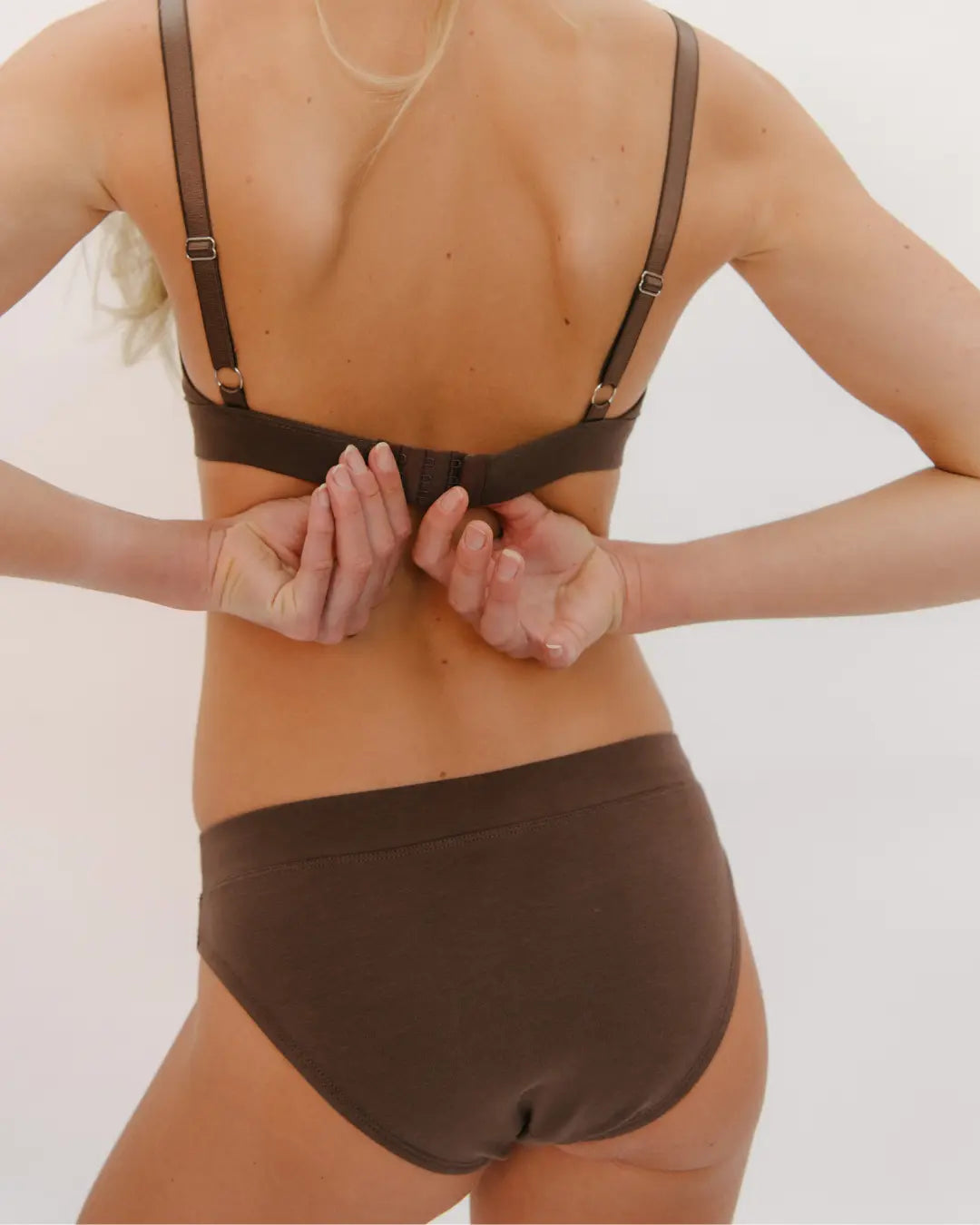
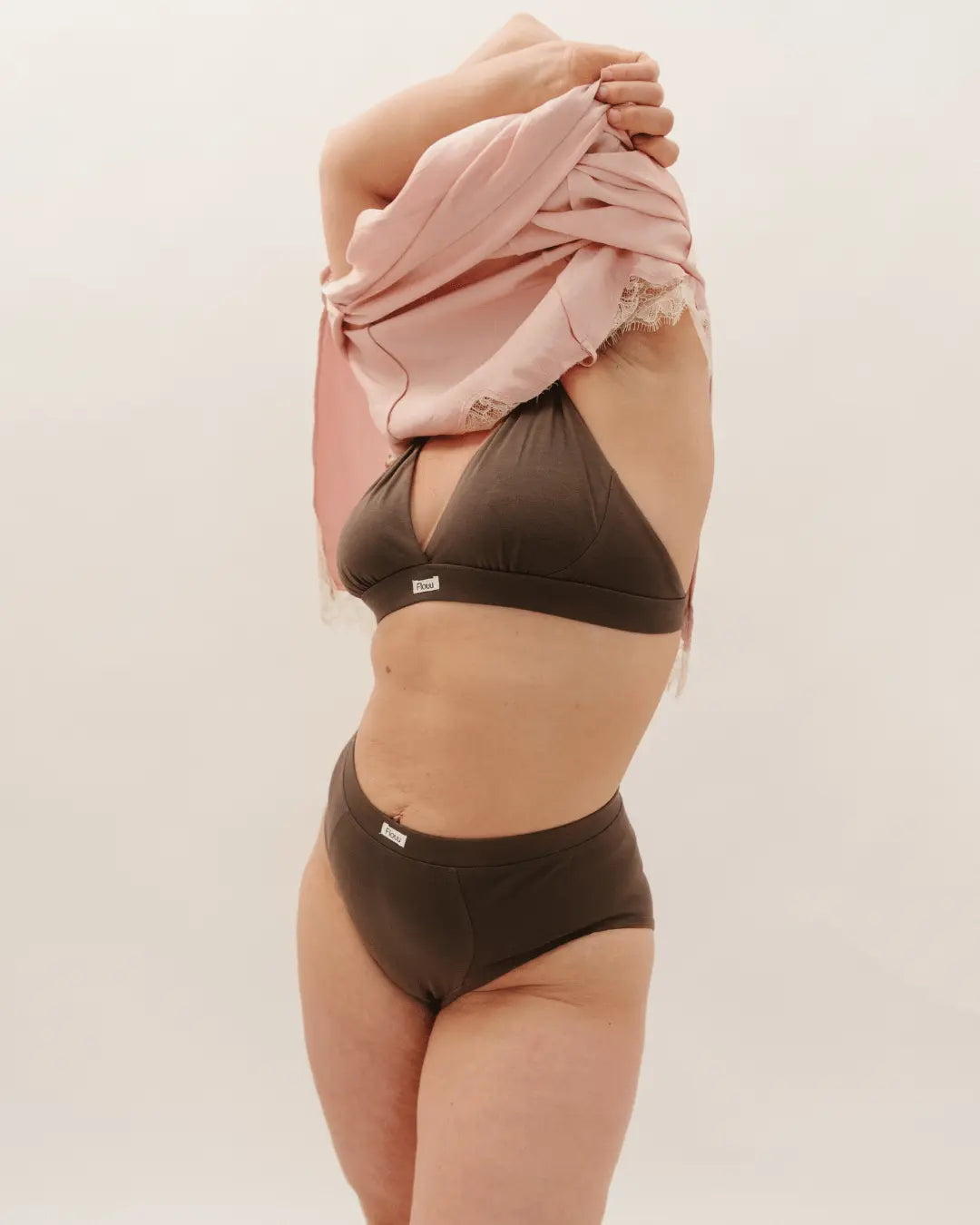
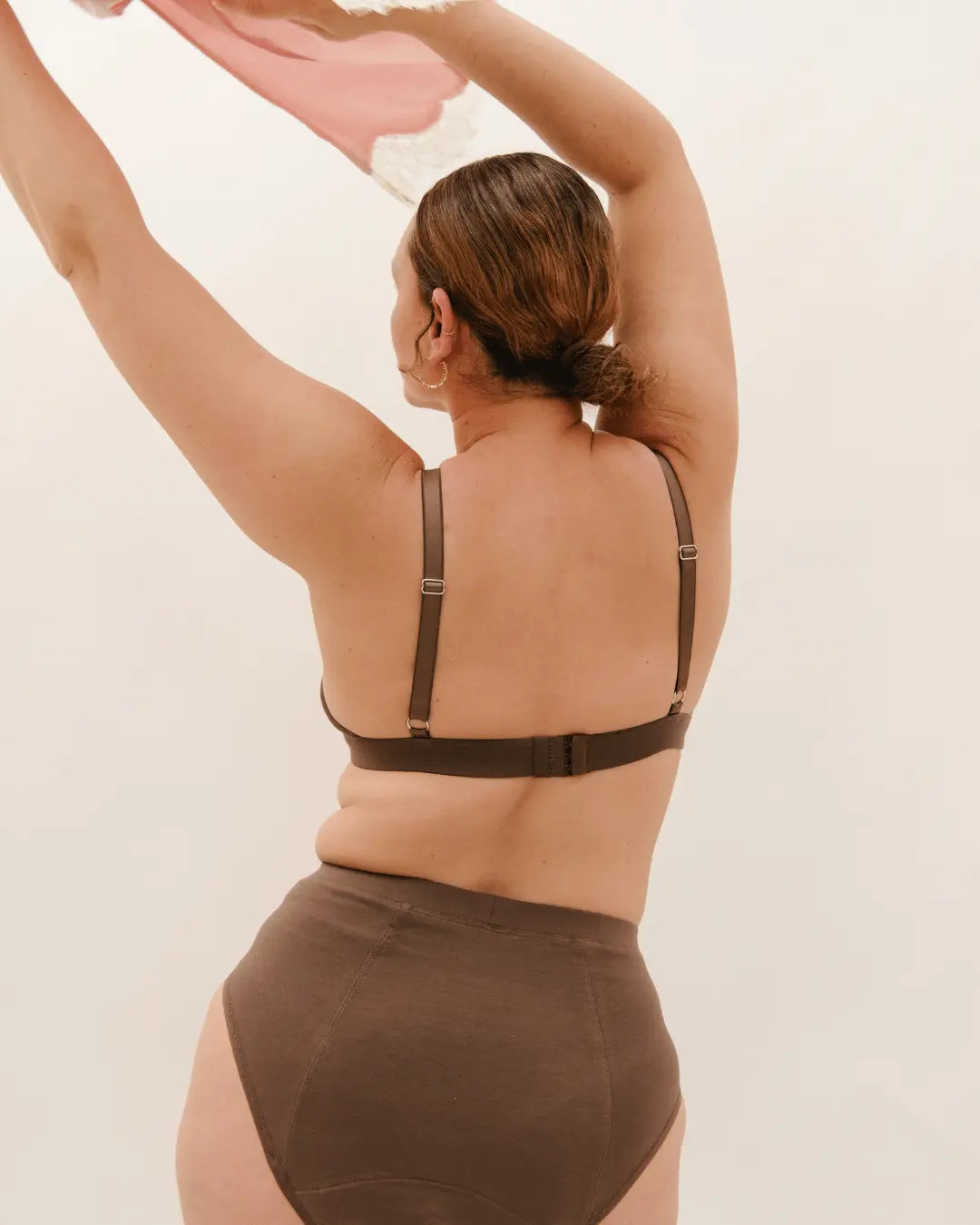
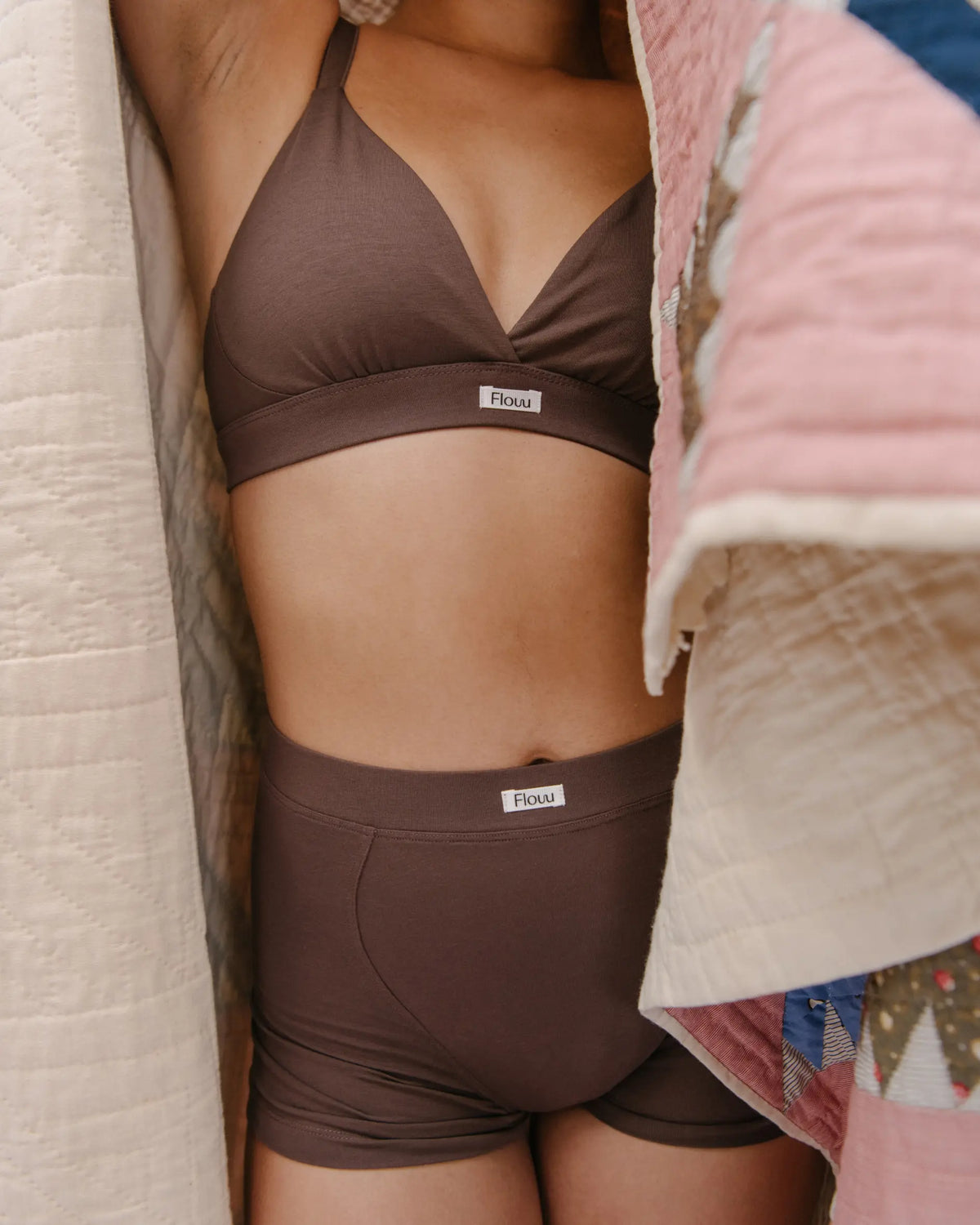
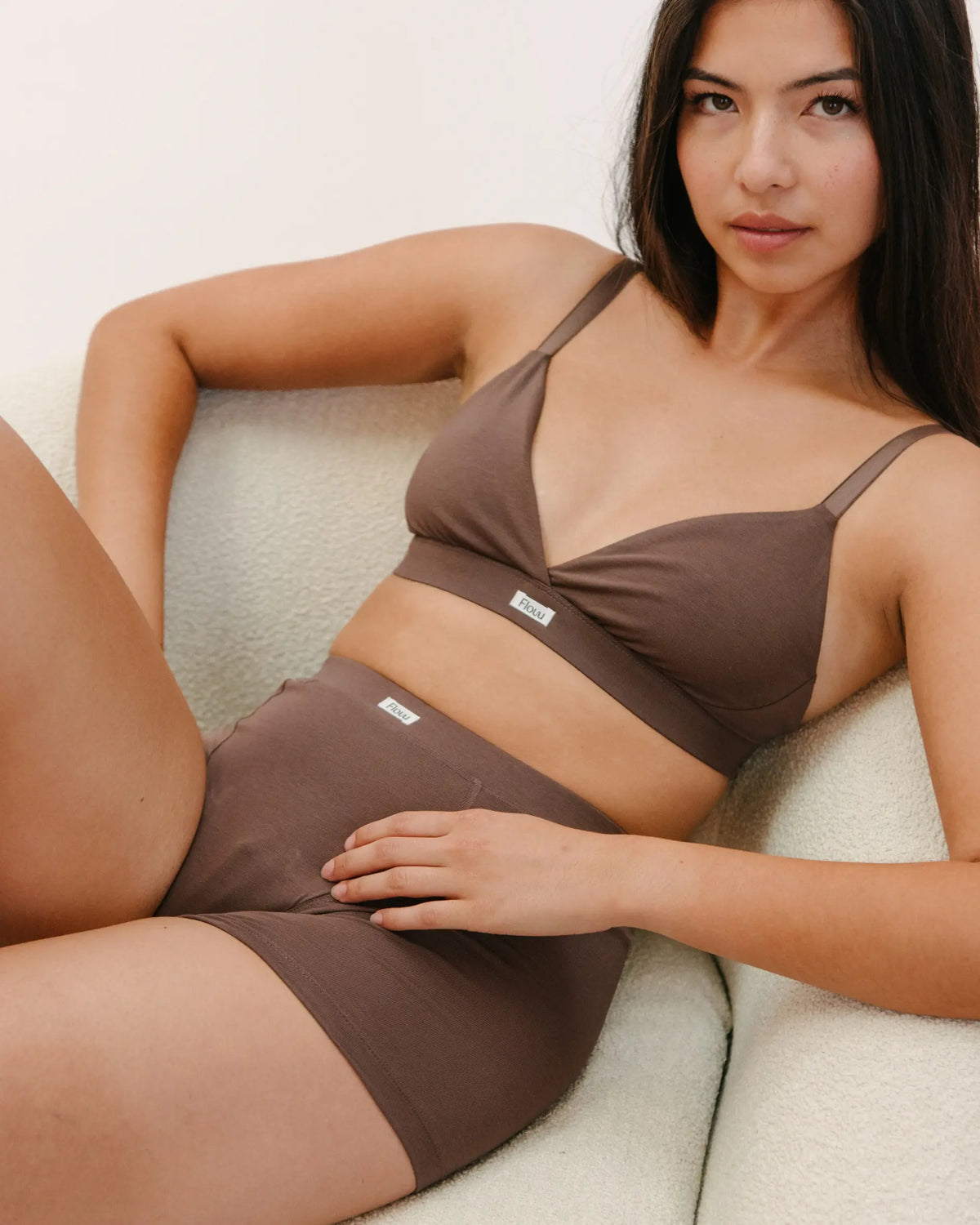
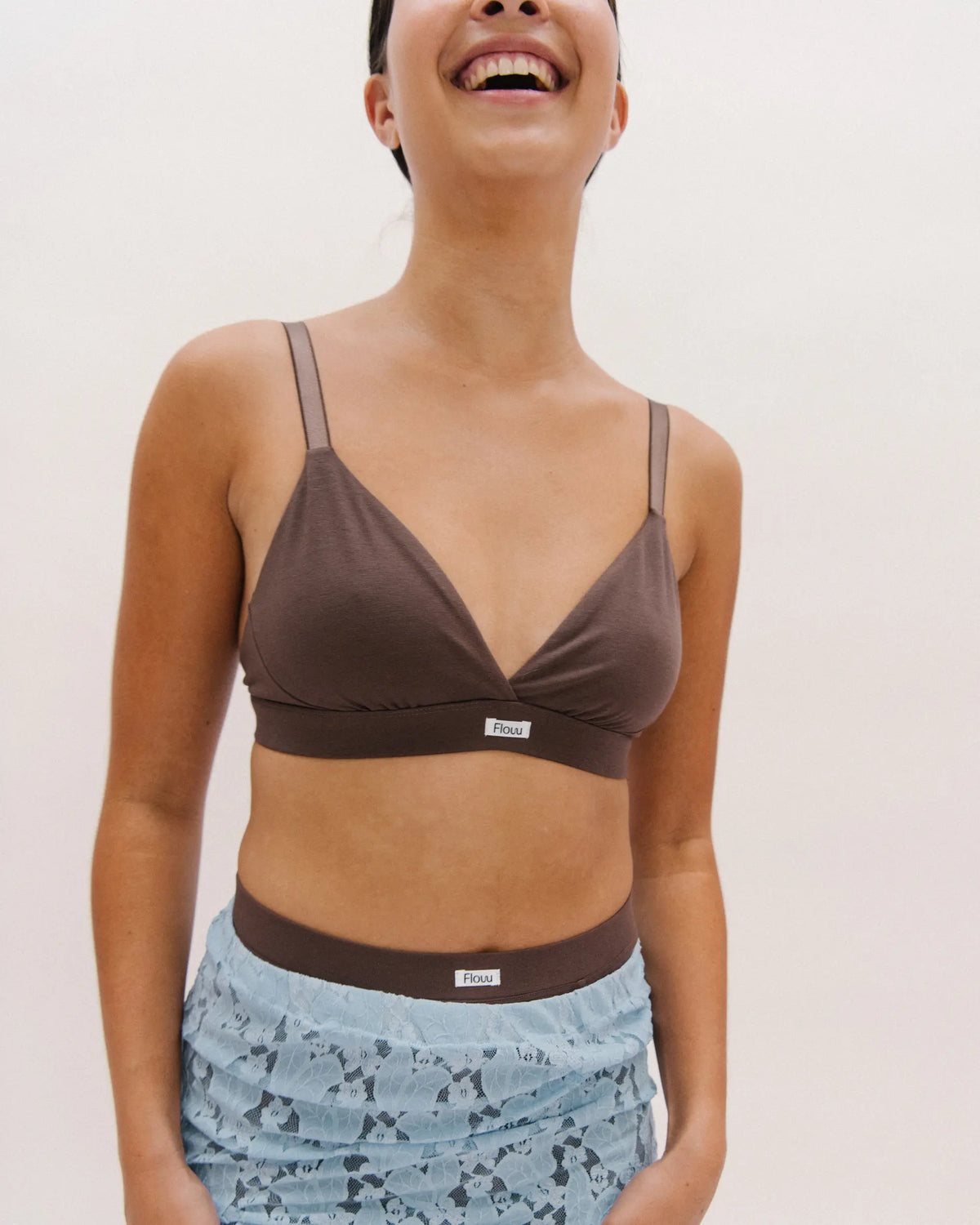
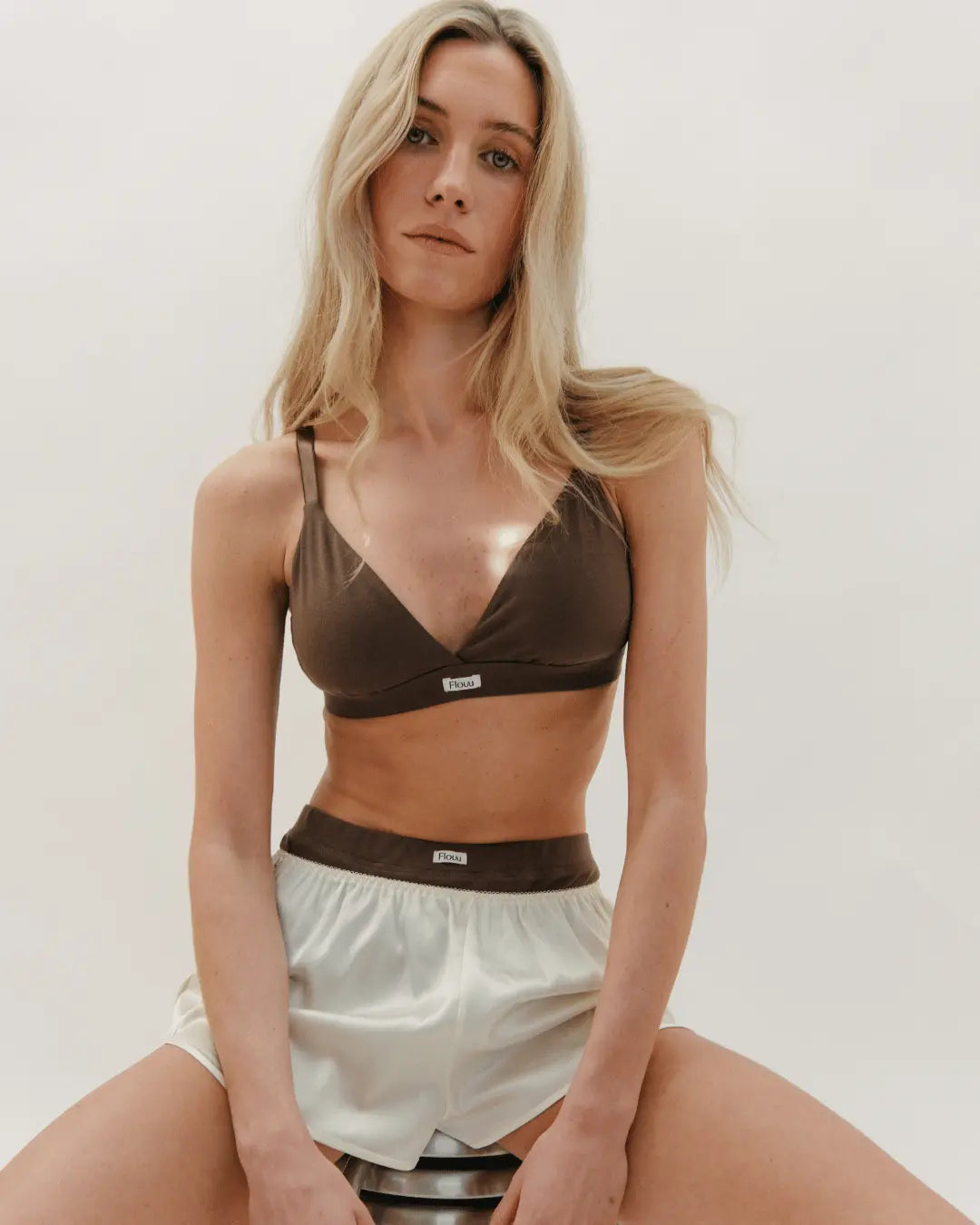
We assume you’re already familiar with period underwear if you’re reading this. If not, buckle up — because according to many Flow users, period underwear is a true game changer when it comes to bleeding comfortably and more sustainably.
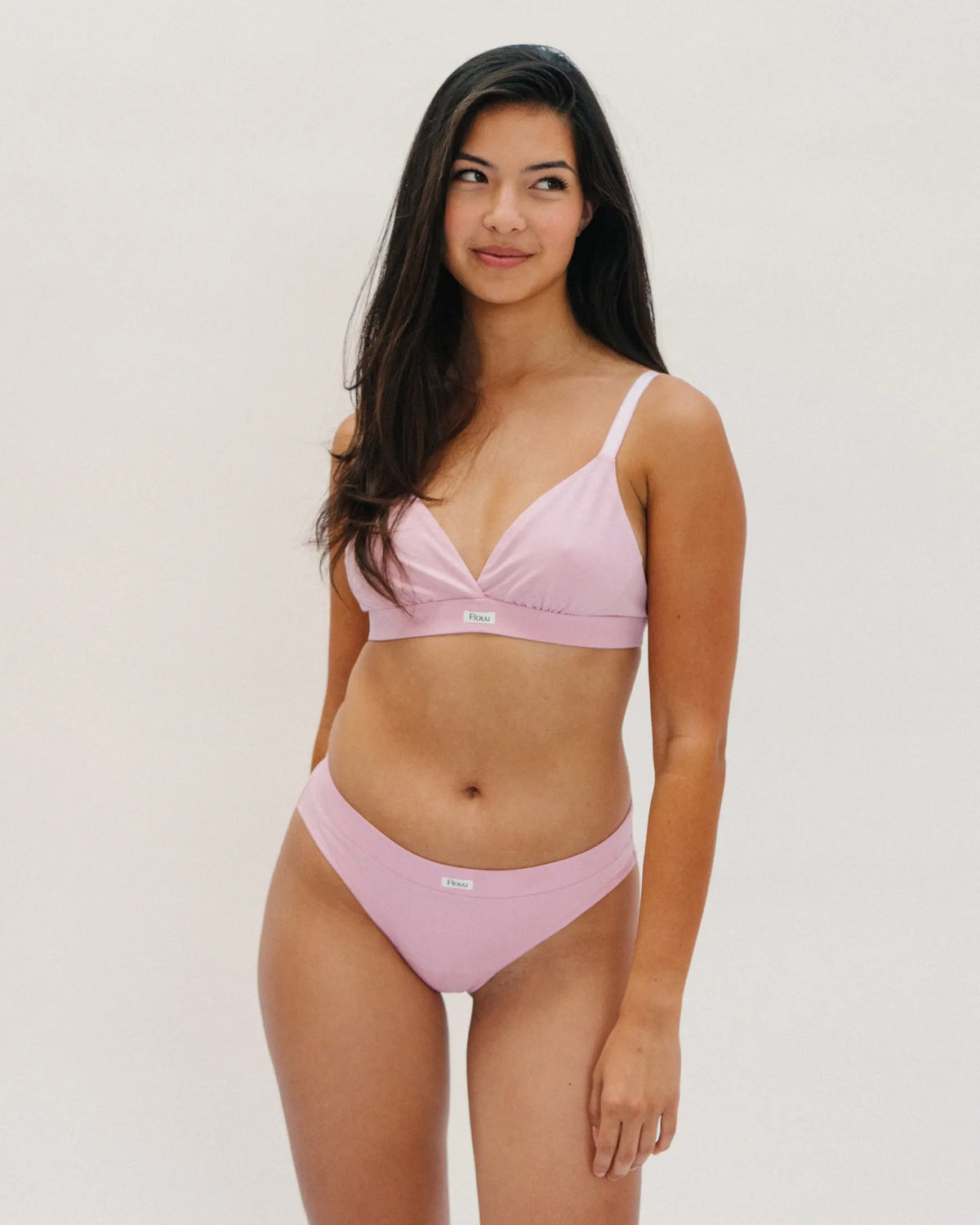
Period underwear works in much the same way as the pads you know from the supermarket. Both have an absorbent core that draws blood away from the skin and prevents leaks.
The difference is that while pads become waste after a single use, period underwear can be used again and again. The absorbent core is built into the lining of the underwear, so you simply wash them after use and wear them again during your next cycle.
👉 Not sure how to wash your period underwear properly?
This means that instead of continuously buying new pads, you can simply keep a few pairs of period underwear in your drawer.
Period underwear is especially a good choice if you already use pads and want to switch to a reusable alternative. But they can also be used on their own instead of tampons or as a supplement to other menstrual products.
And because they can be reused over and over, period underwear can potentially save both you and the environment from a significant amount of waste — especially if you take good care of them so they last a long time.
👉 Have you considered period swimwear for your holiday? Read more about it here.
Chemicals in pads and tampons: What do we actually know?
In recent years, there has also been growing attention on what disposable menstrual products contain. A 2024 study found traces of several metals — including lead, arsenic, and cadmium — in a range of tampon brands. Researchers tested products from 14 brands and found measurable concentrations of 16 different metals in at least one sample.
A major investigation by the Norwegian newspaper VG in 2025 revealed that heavy metals were found in all 140 tampons tested — and when soaked, the metals were shown to leach into the liquid.
There is a need for more research into how and whether these substances can be released and absorbed through the vaginal mucosa.
In addition to metals, other studies have also pointed out that cotton used in menstrual products may contain pesticide residues from agriculture.
This raises questions about whether pads and tampons are truly safe to use — and has led many to reconsider what these products contain and to look for alternatives. If you need disposable menstrual products like pads and tampons, choose ones made from organic materials. According to VG, they contained the lowest levels of heavy metals in the tests.
Heavy flow? Combine period underwear with a menstrual cup or disc
Even though we offer period underwear for heavy flow, some of you may need a little extra support — enter the menstrual cup, which likely needs no introduction.
Over the past decade, this small bell-shaped silicone cup — inserted into the vagina to collect blood rather than absorb it — has secured its place among more traditional menstrual products.
A menstrual cup can typically be reused for up to 10 years, which both reduces waste and can save you money in the long run.
The cup is a great choice if you prefer an internal method of managing your period. And for many, it works especially well in combination with period underwear.
For example, if you experience heavy bleeding at the start of your period, the cup can handle the majority of the flow, while period underwear acts as backup protection. This often allows you to extend the time between changing your underwear while avoiding worries about leaks.
Struggling with a menstrual cup? Try a menstrual disc
If you find a menstrual cup difficult to use, there is also an alternative: the menstrual disc.
A menstrual disc resembles a diaphragm and works in many ways like the cup by collecting blood inside the body. The difference is that the disc does not rely on suction to stay in place.
For some, this makes the disc easier and more comfortable to use.
Sustainable period products are not for everyone
We’ve now presented three more sustainable ways to manage menstruation. But it’s important to say out loud that reusable products don’t necessarily work for everyone.
There can be many valid reasons why someone cannot or does not want to switch to reusable solutions — for example, if you live with pelvic pain, vulvodynia, or other conditions that make certain products difficult to use.
And that’s completely okay.
The survival of the planet does not depend on whether you switch menstrual products. The most important thing is that you choose what feels right for you and your body.
Small choices can still make a difference
If you still want to incorporate sustainability into your menstrual routine, there are fortunately small ways to do so.
For example, you can:
- reuse the water from your hot water bottle to water plants
- use eco-friendly detergents for blood stains
- choose certified dark chocolate instead of milk chocolate for your period snacks
At Flow, we believe that it’s the sum of many small, conscious choices that makes a difference.
Our mission is not to tell you what to do — but to make it easier for you to take the steps that make sense for you.
And the rest is entirely up to you ♥
FAQ: Tampons and pads versus period underwear
What alternatives are there to pads and tampons?
Period underwear, menstrual cups, and menstrual discs are among the most popular reusable alternatives.
Is period underwear more sustainable?
Yes, because it can be washed and reused many times instead of being thrown away after a single use.
Can you combine menstrual products?
Yes, many people use a menstrual cup together with period underwear for extra protection.