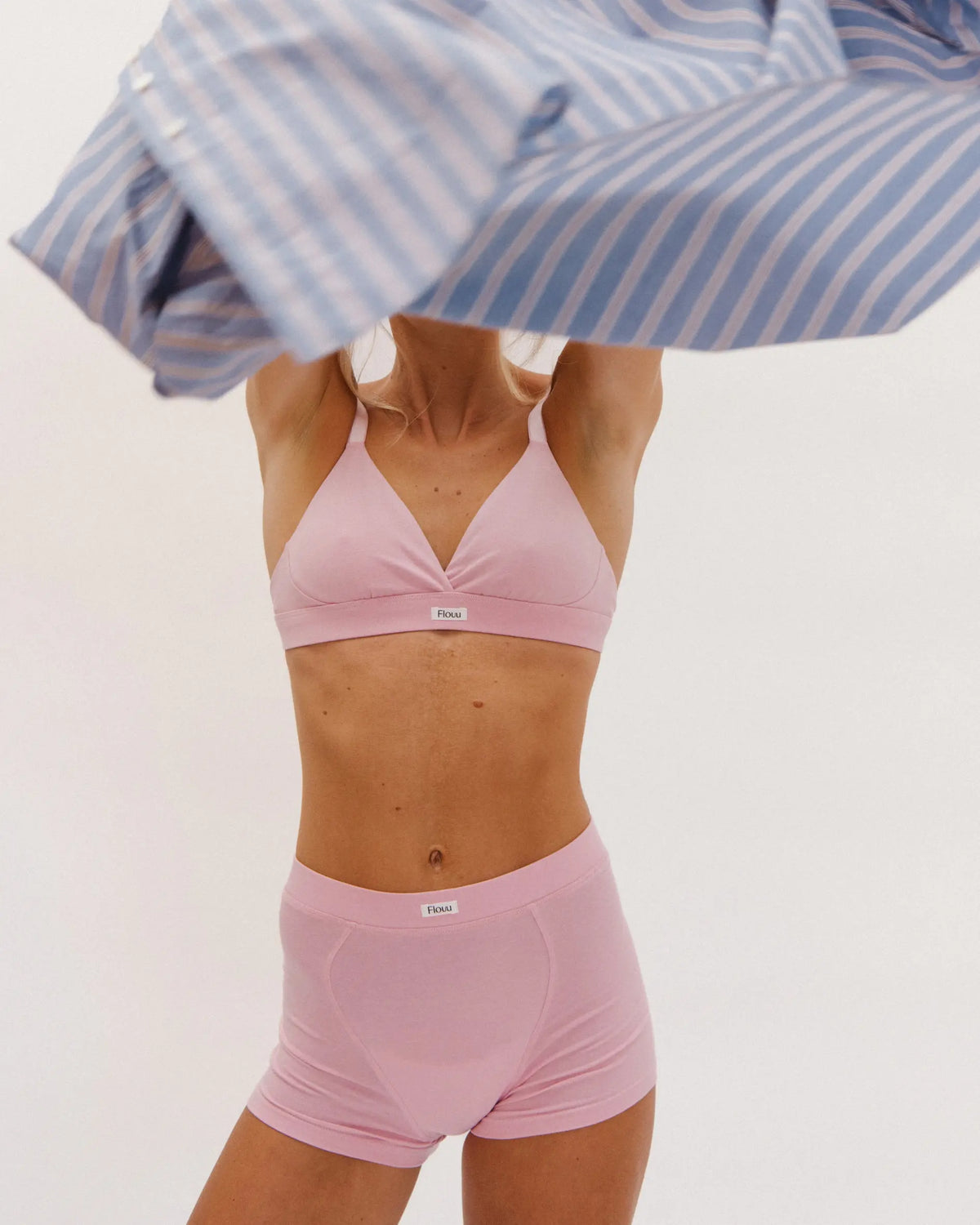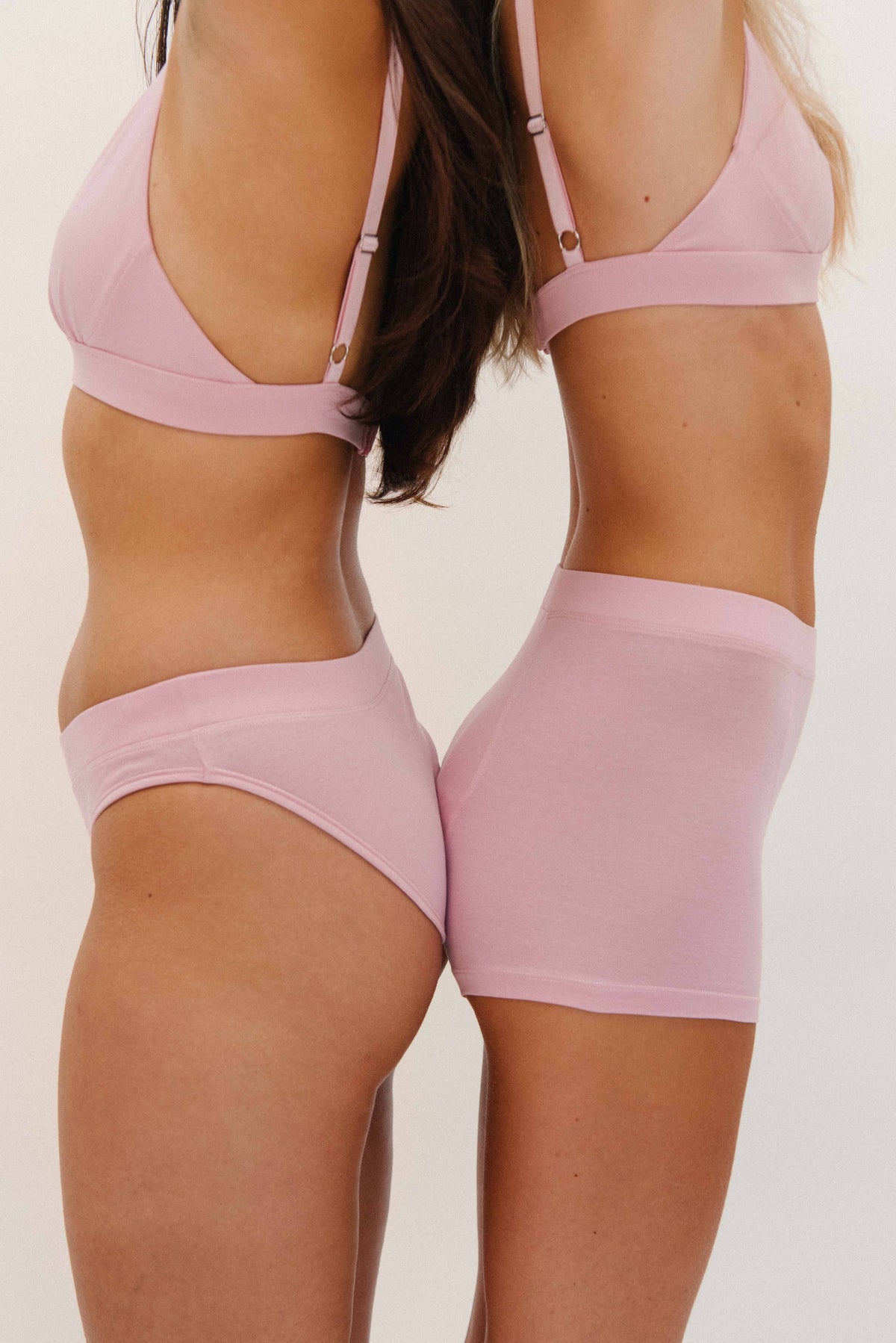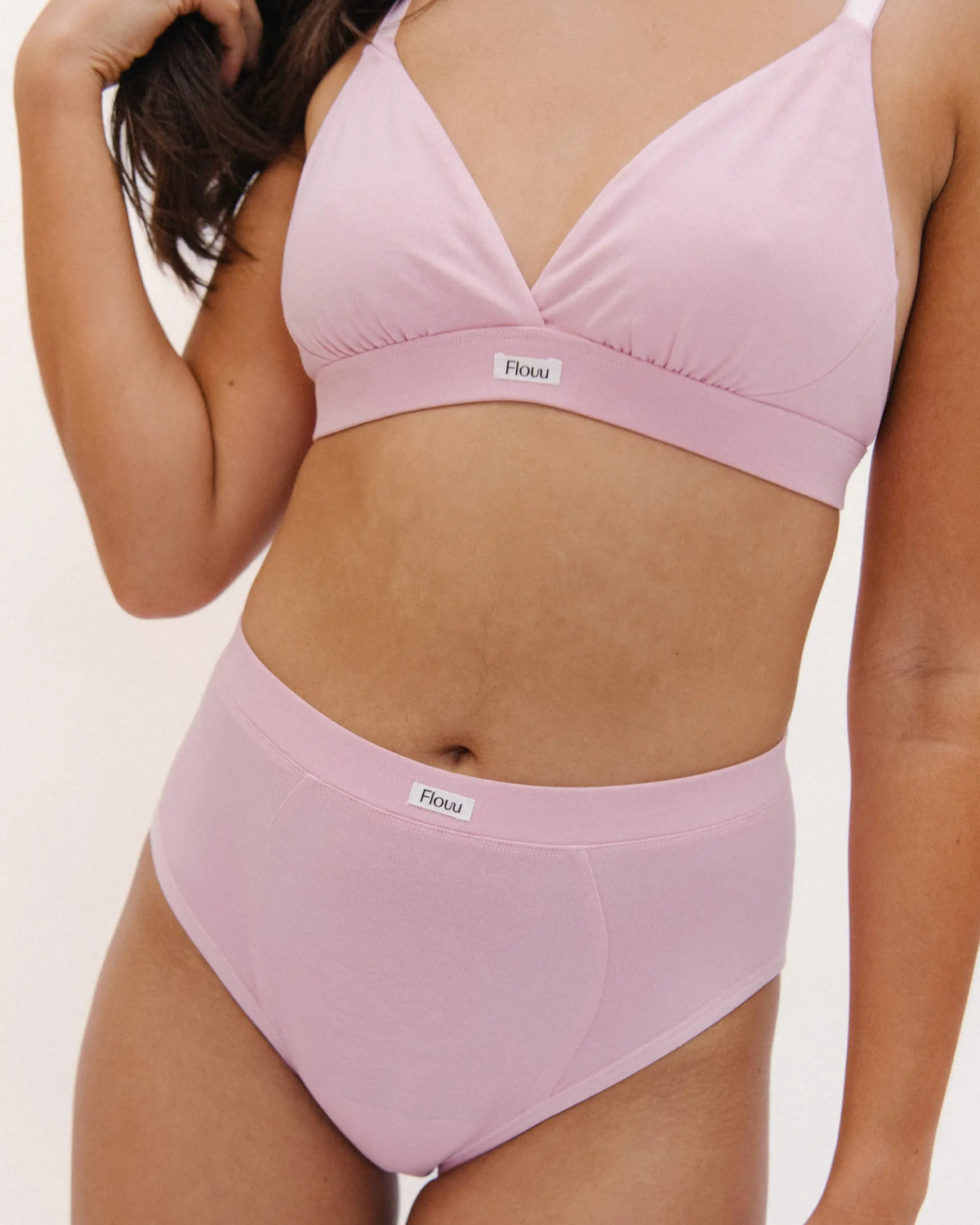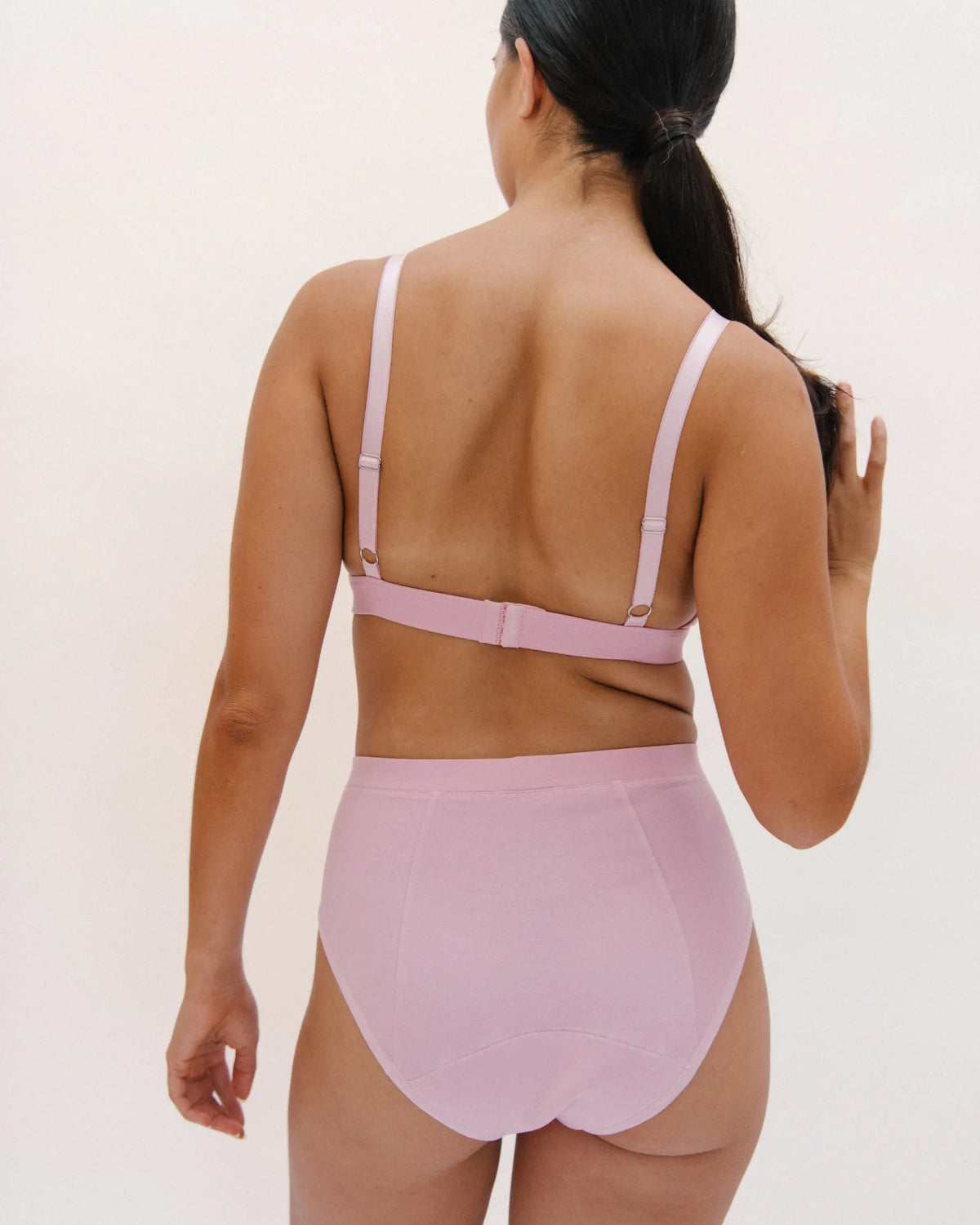

Did you know that menstrual panties can reduce waste by over 90%?
Did you know that menstrual panties can reduce menstrual waste by over 90% over a lifetime , compared to disposable products like pads?
It may sound crazy, but when you calculate it over an entire menstrual cycle, the difference actually becomes quite clear.
At Flow, we work with menstruation every single day. And the more we delve into the numbers, the more clear it becomes how much of a difference reusable menstrual products can make.
Here we go through the calculation – based on figures from the Danish Consumer Council Think .

How many menstrual periods do you have in a lifetime?
Let's start here. We need to figure out how many periods an average menstruating person has:
-
We menstruate for about 40 years
-
We have an average of 13 menstrual cycles per year.
This gives a total of about:
520 menstrual cycles throughout life
When you add up the consumption of menstrual products over so many cycles, it becomes clear how much waste can be generated.
How many pads or tampons do you use?
According to calculations from the Danish Consumer Council, the average person spends around:
25 menstrual products per cycle
It corresponds to:
-
about 25 volumes
or -
about 25 tampons
If we multiply it over a lifetime:
25 products × 520 cycles = 13,000 products
This means that many menstruating women use around 13,000 disposable products during their lifetime.
👉 Read more about the health risks of pads and tampons
How much waste do diapers create?
An average volume weighs about 7 grams .
The calculation therefore looks like this:
13,000 volumes × 7 g = 91,000 grams
This corresponds to approximately:
91 kg of waste
Just from volume alone.
And many pads also contain plastic and superabsorbent polymers, which do not degrade quickly in nature.
How much waste do tampons create?
Tampons weigh about 5 grams on average.
If we use the same calculation:
13,000 tampons × 5 g = 65,000 grams
It corresponds to:
65 kg of waste
And again, there is often plastic in packaging, applicators or threads. Many disposable products contain up to 90% plastic , and the majority ends up in landfills or in the ocean.
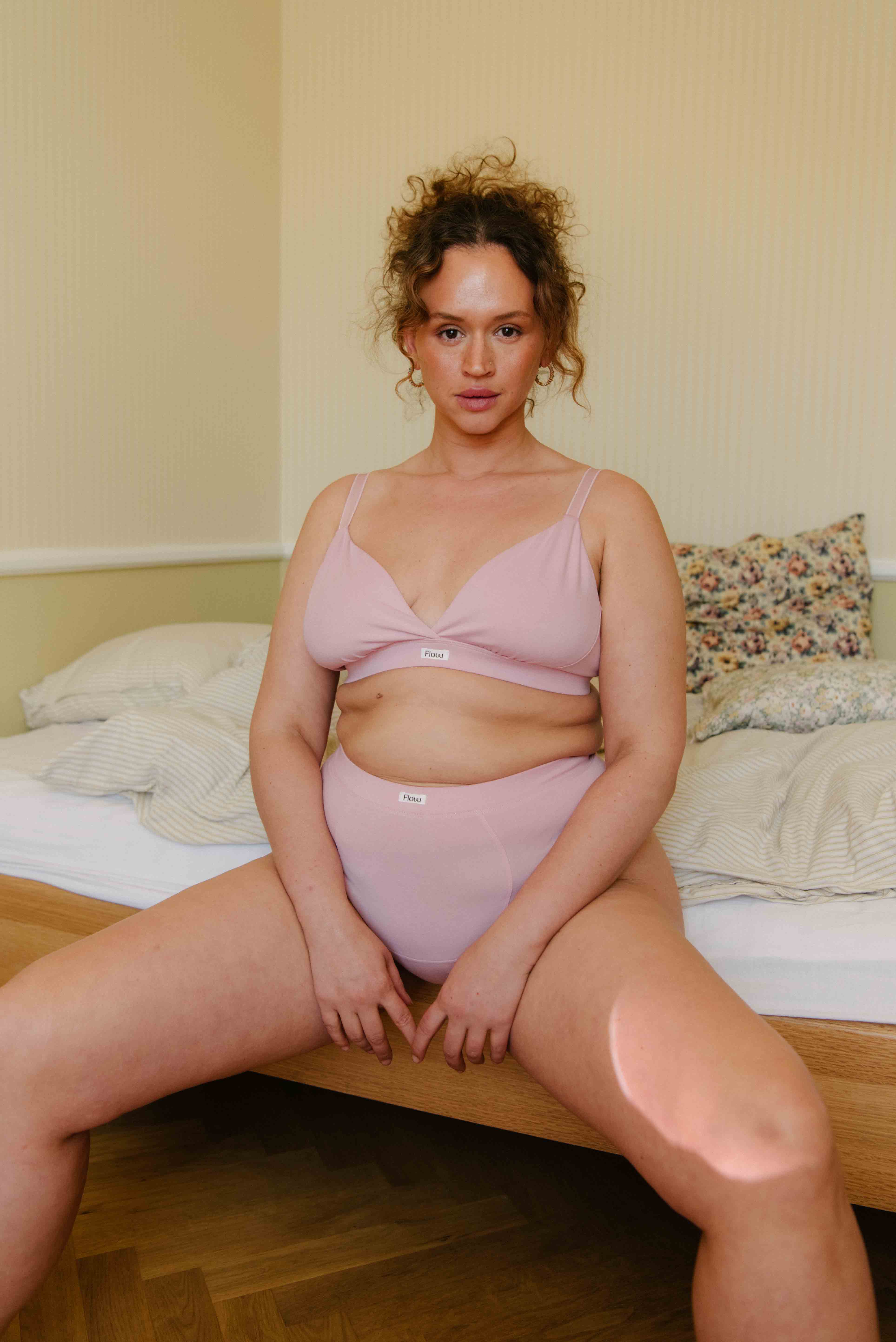
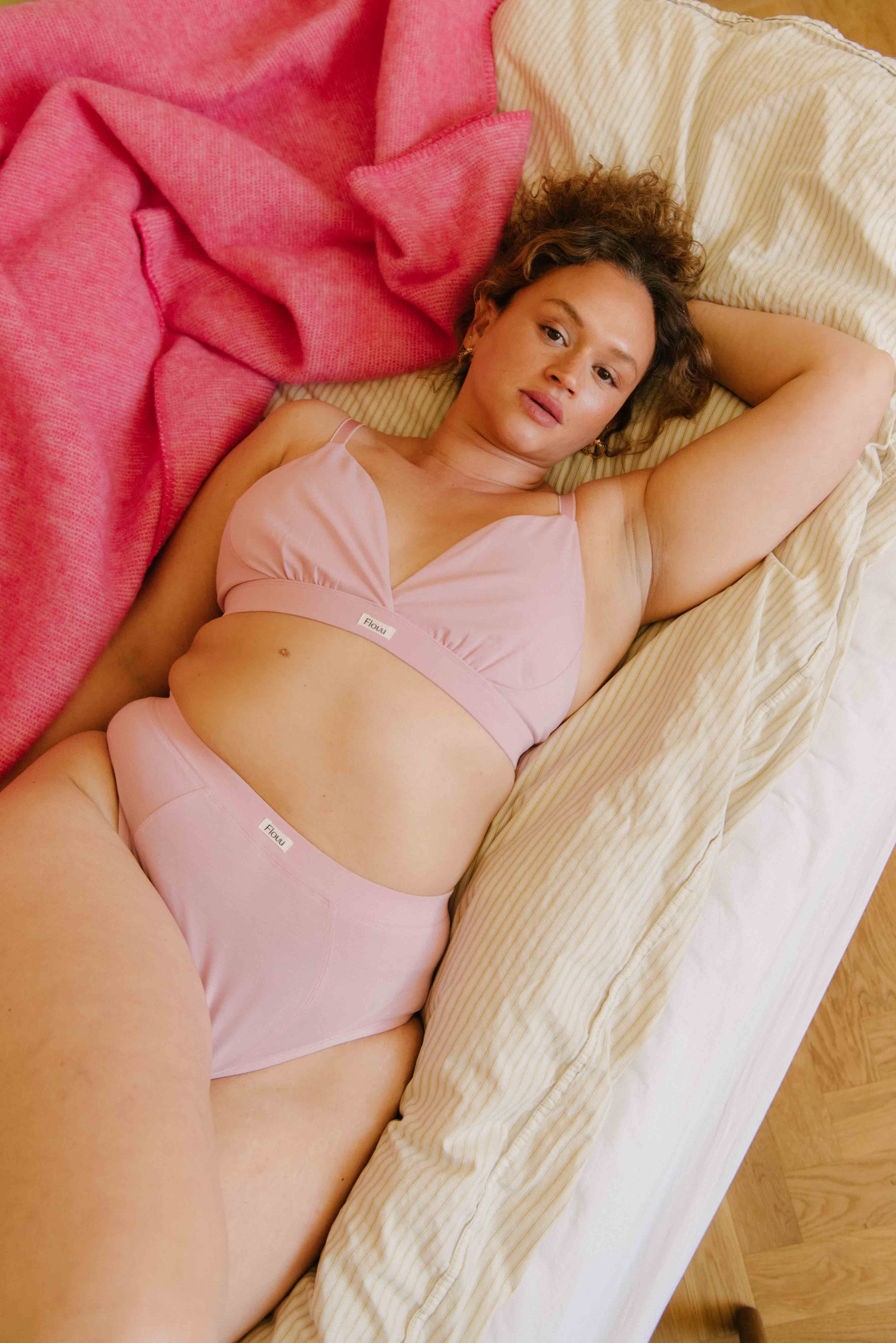
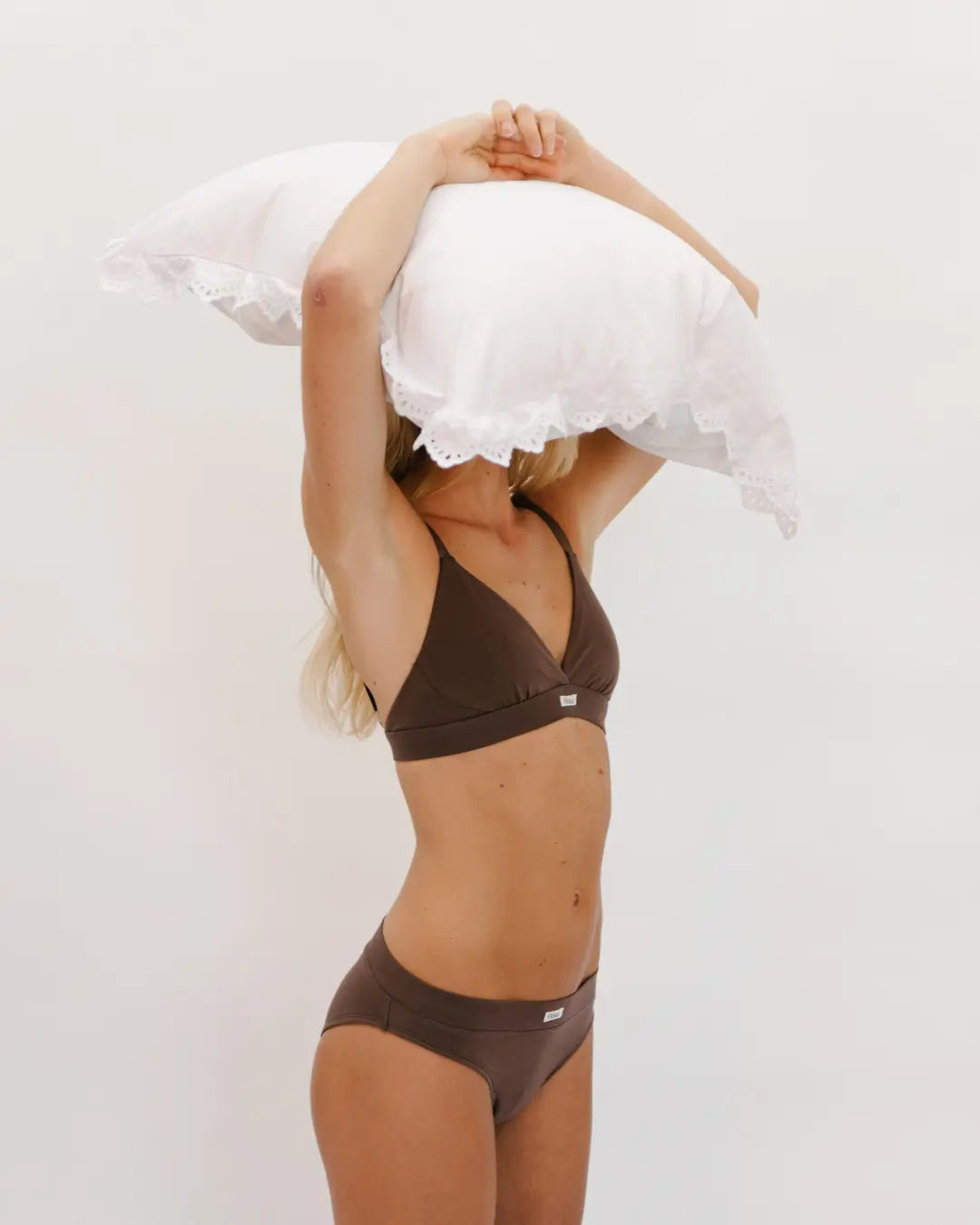
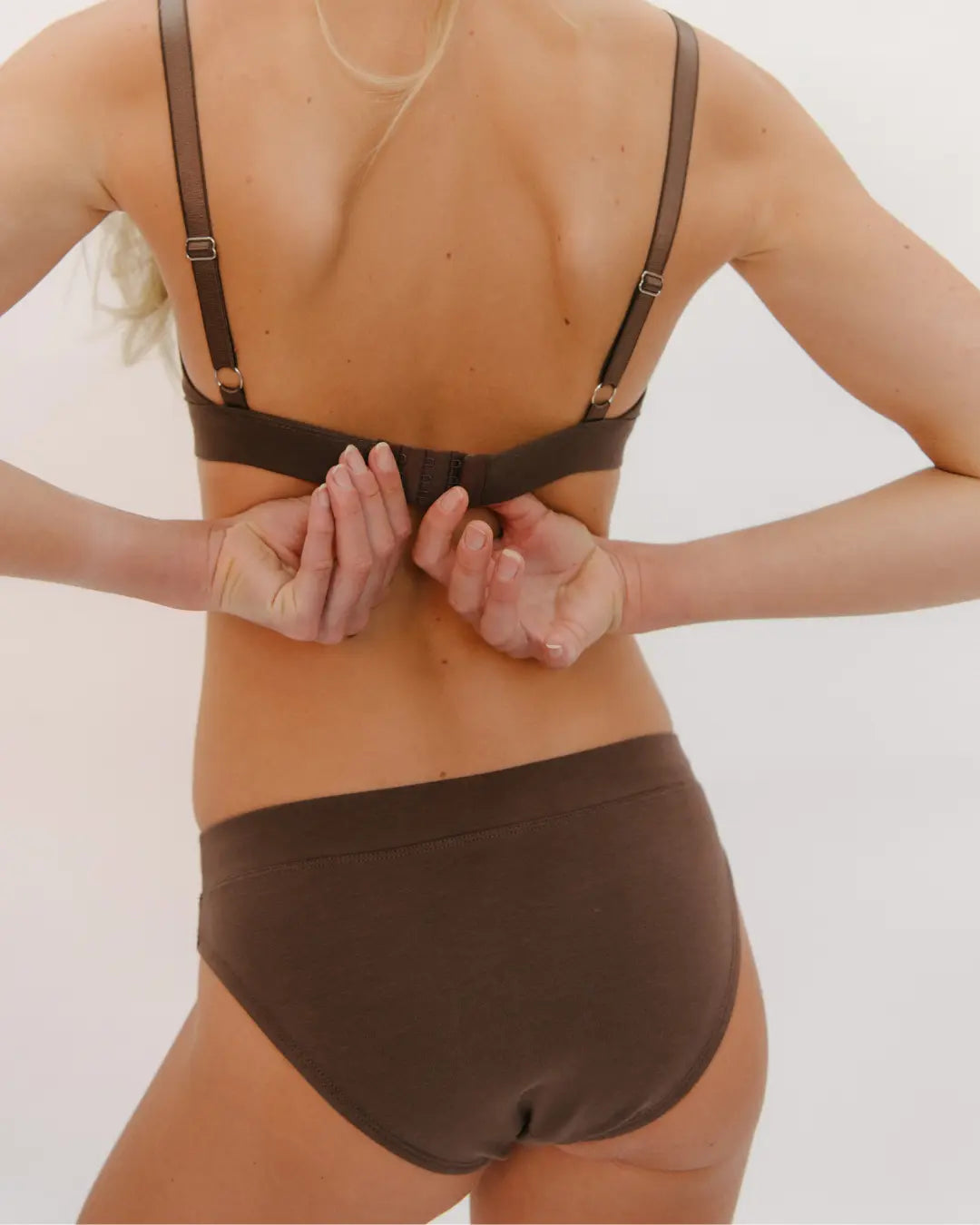
What do menstrual panties look like?
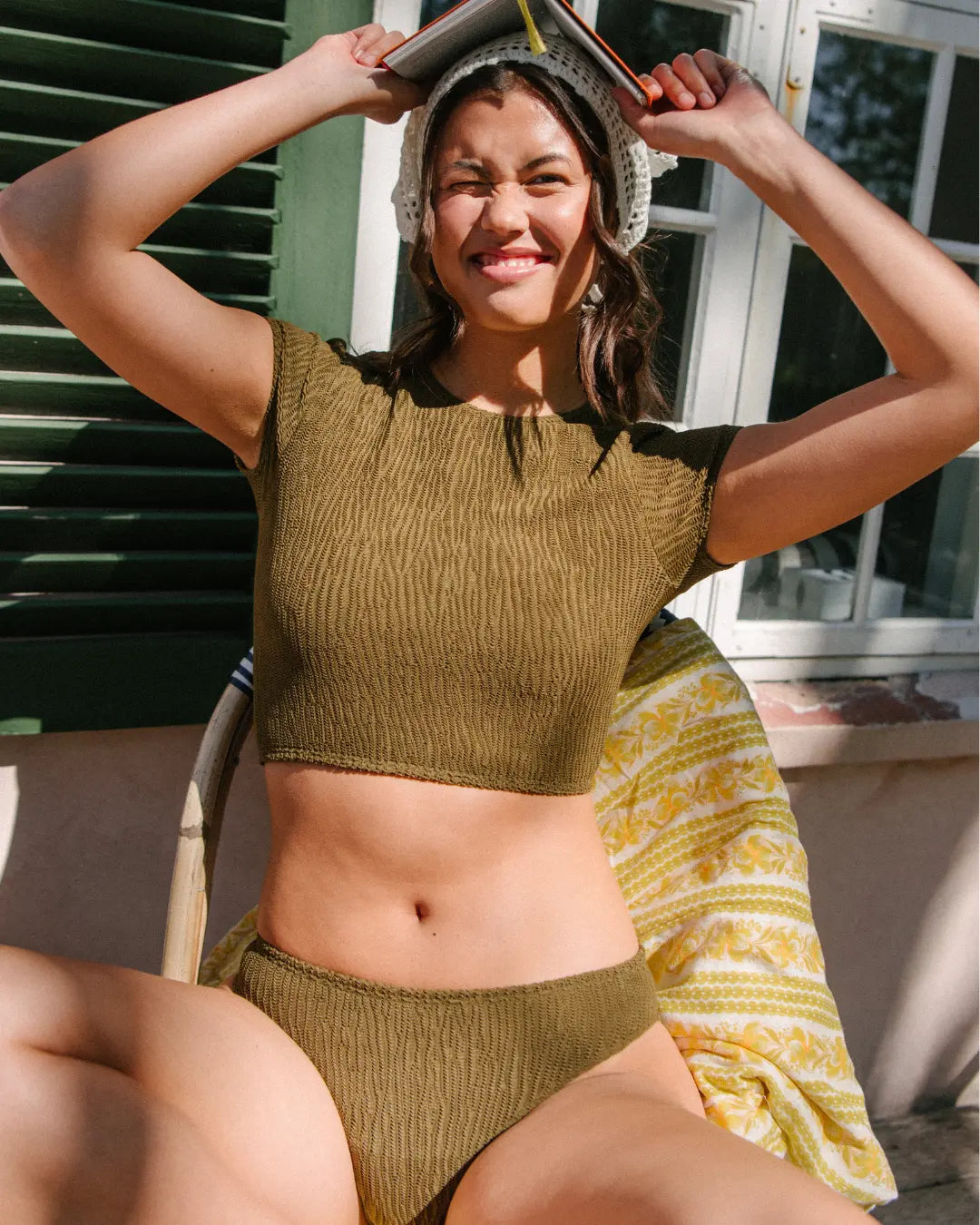
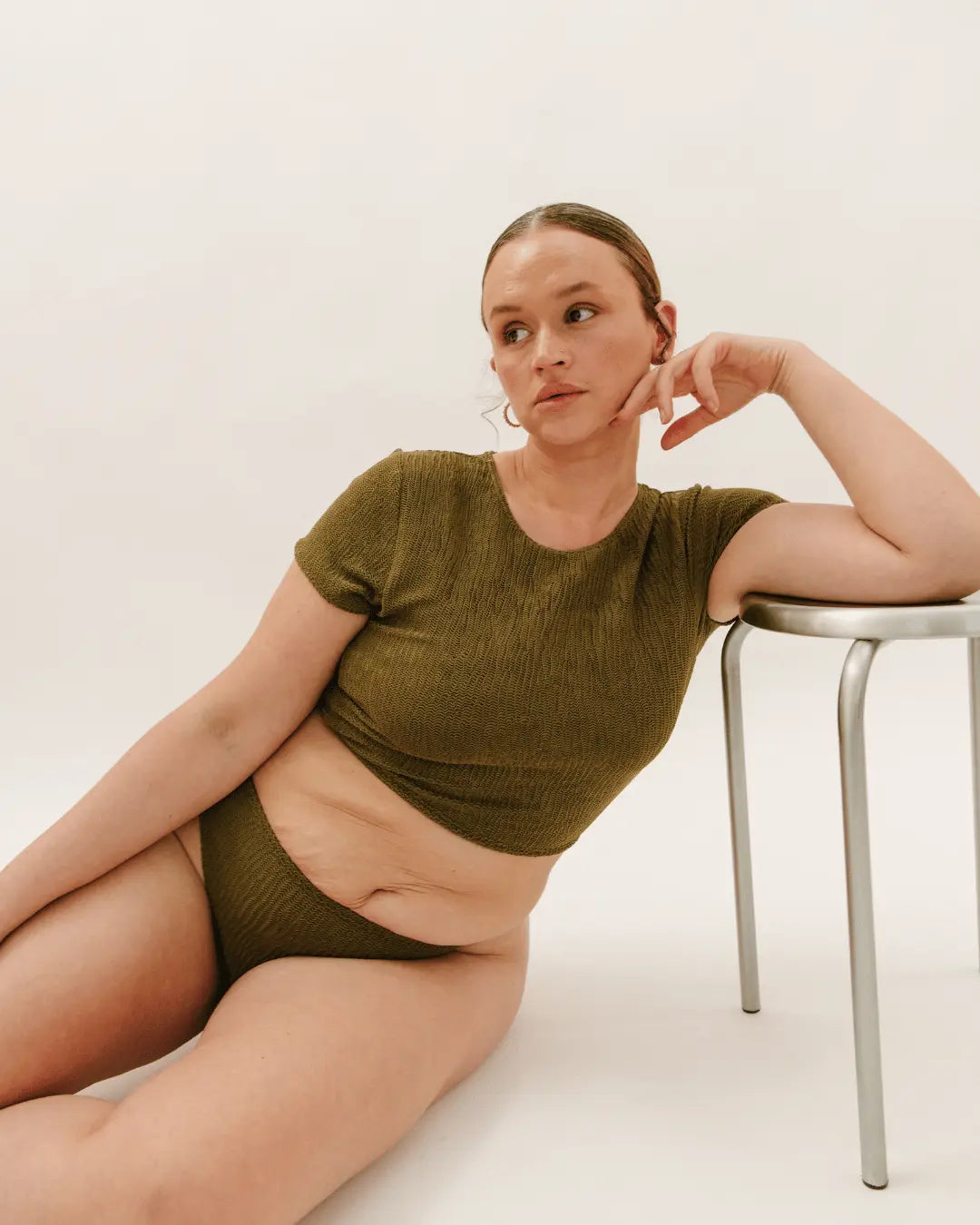
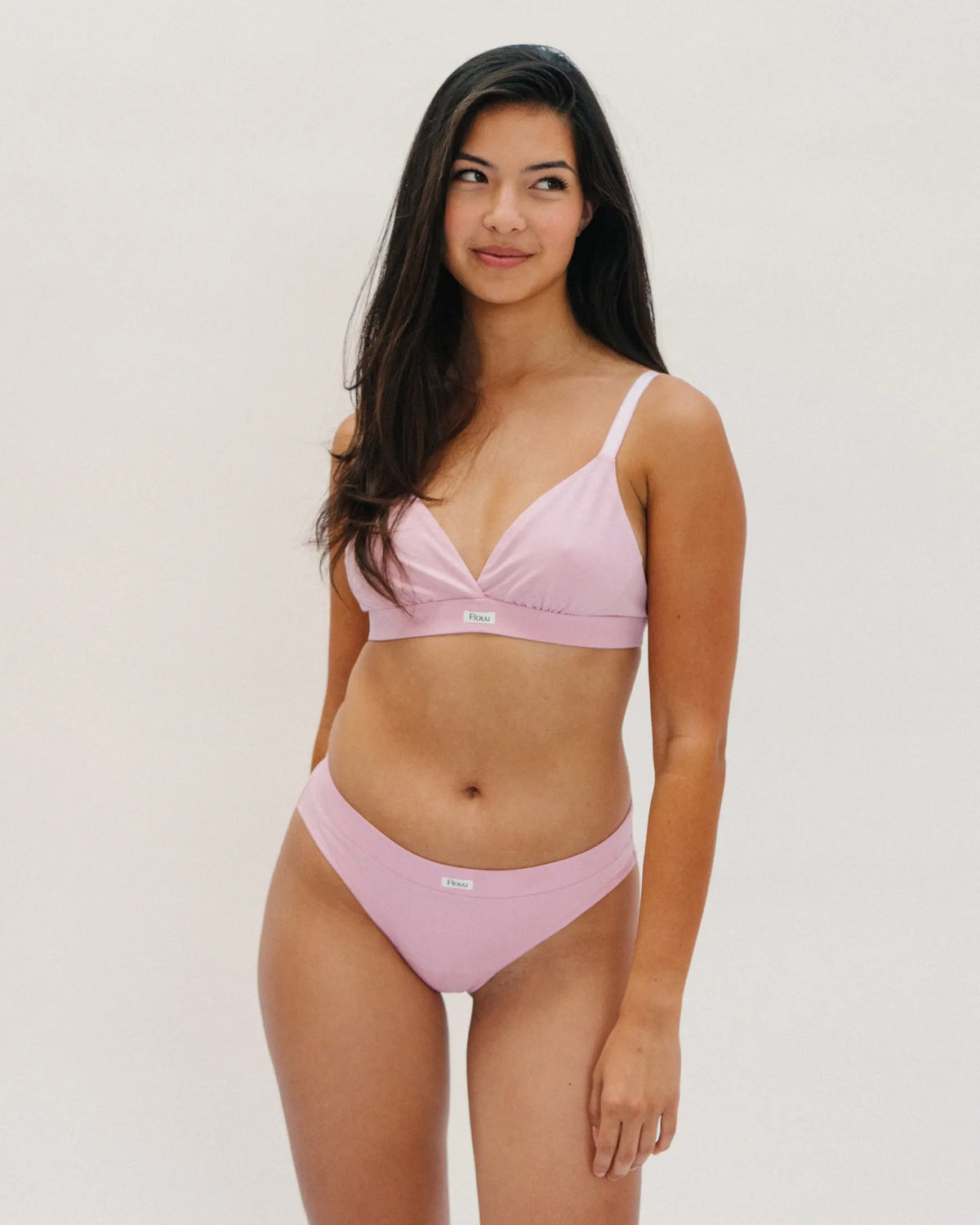
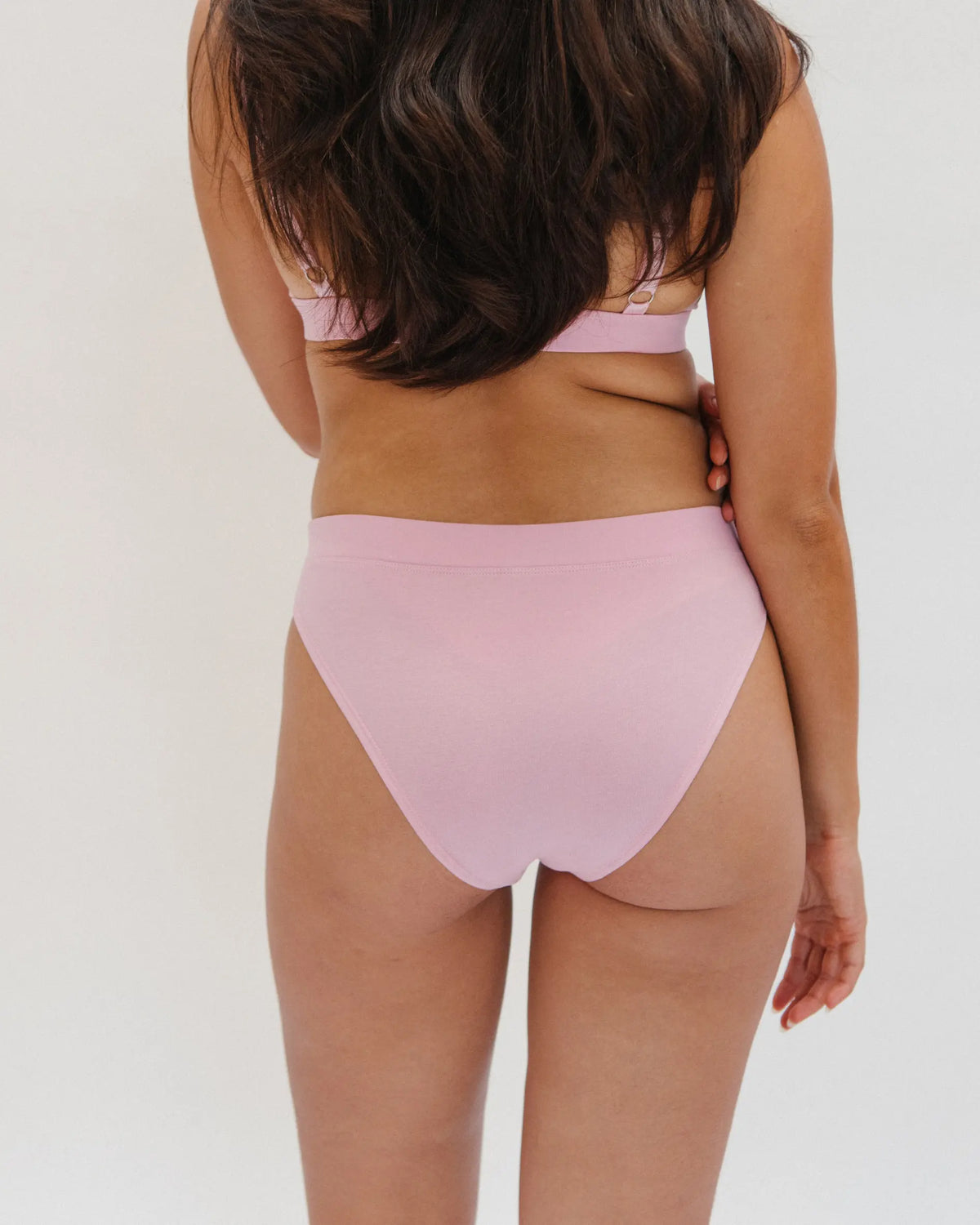
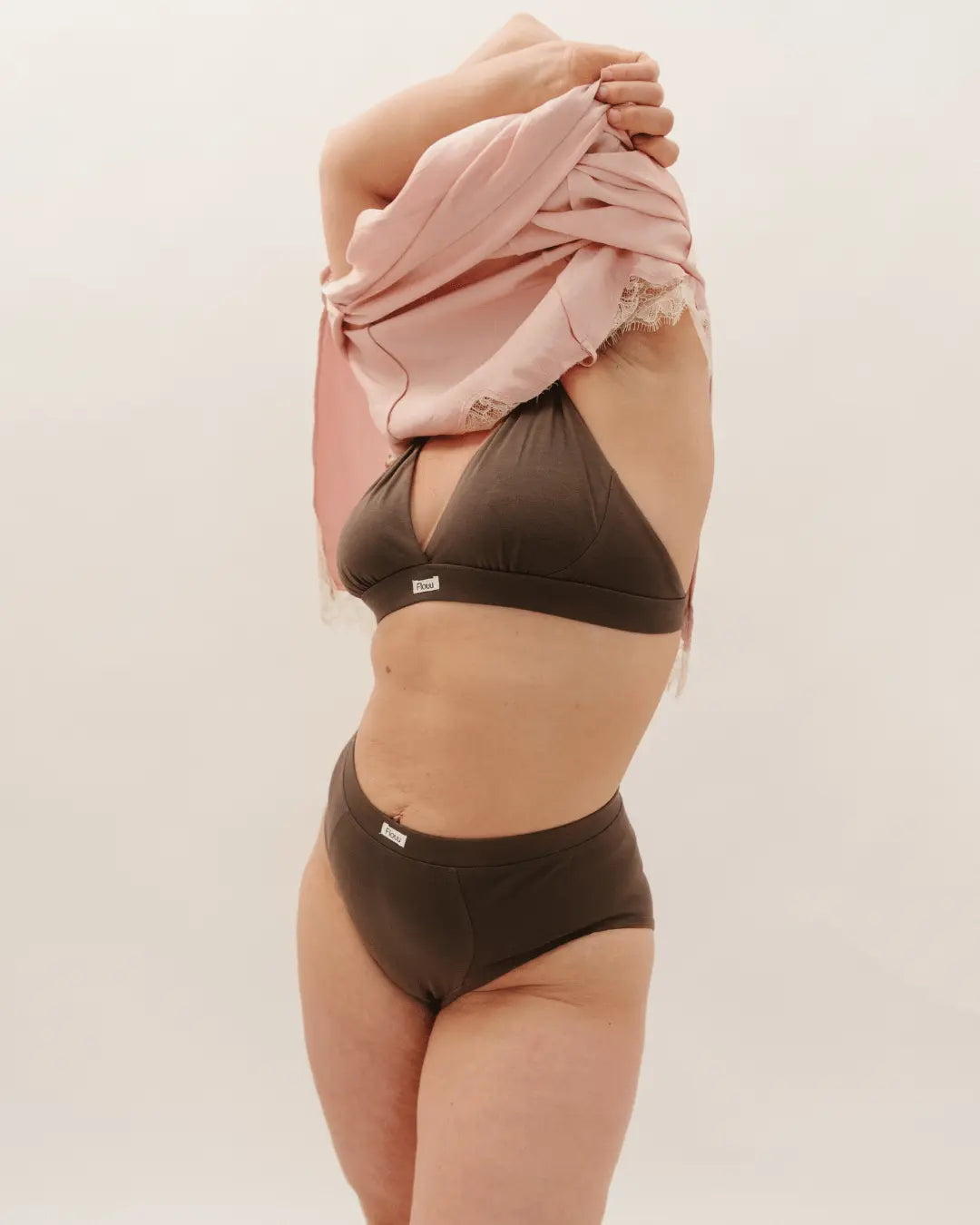
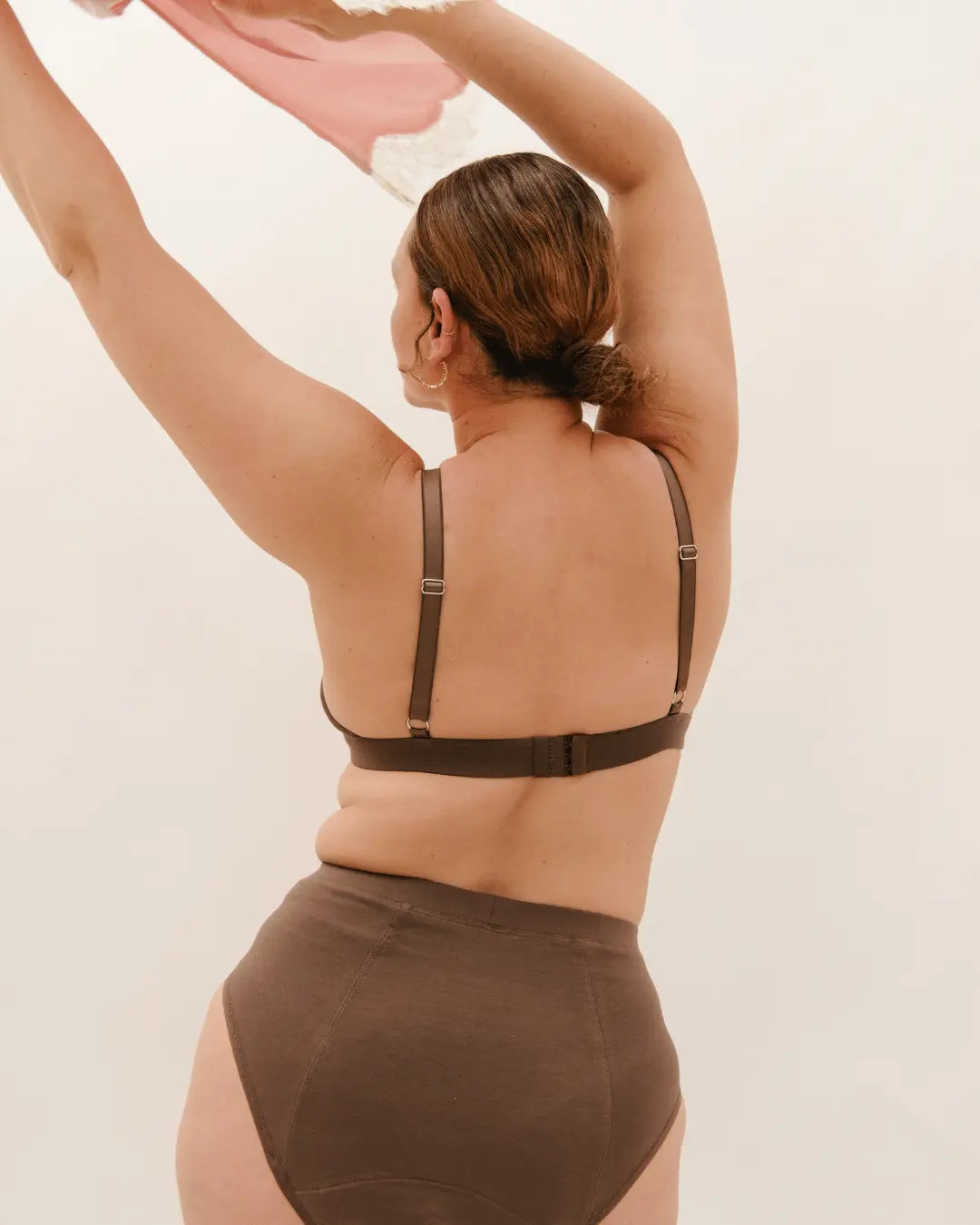
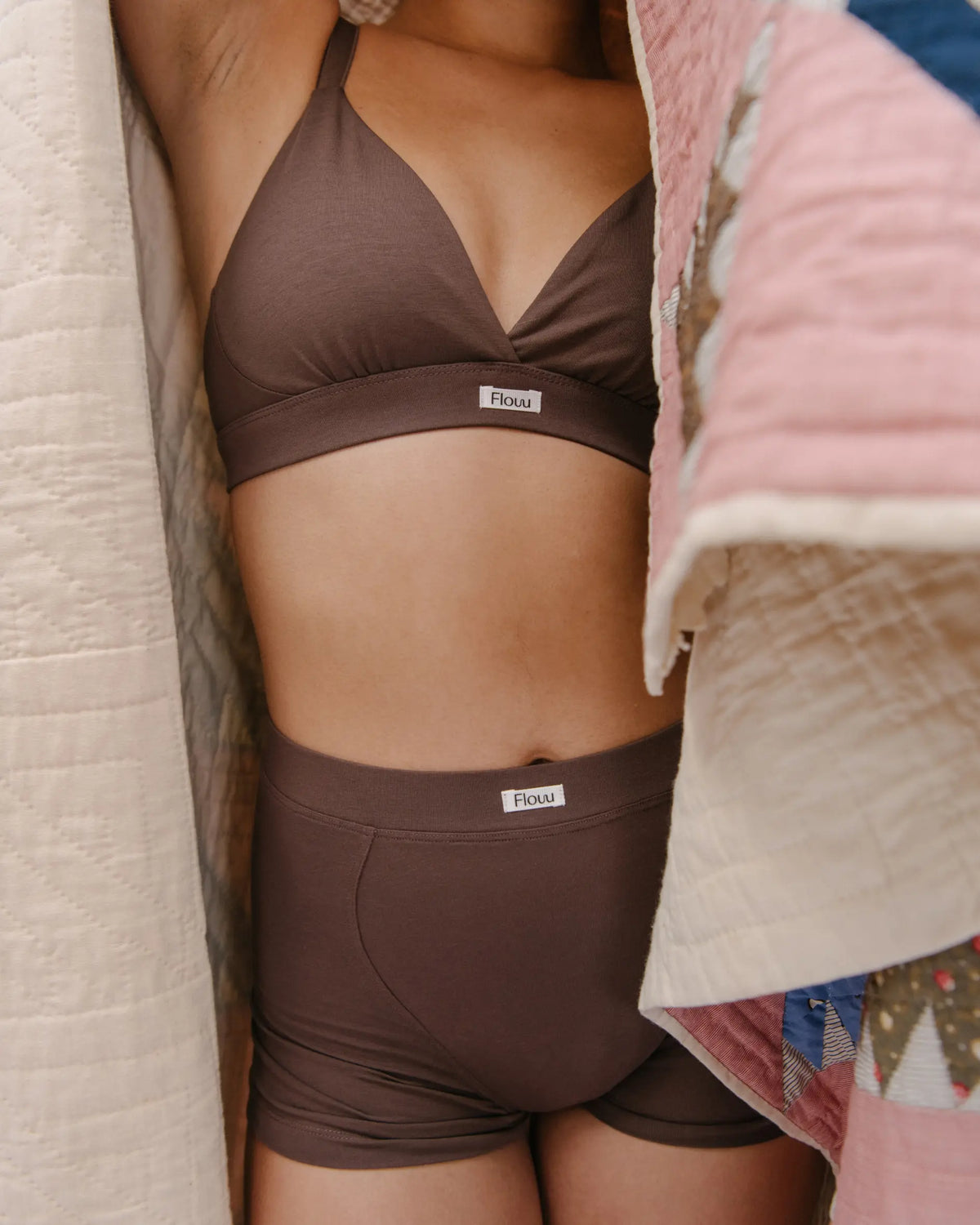
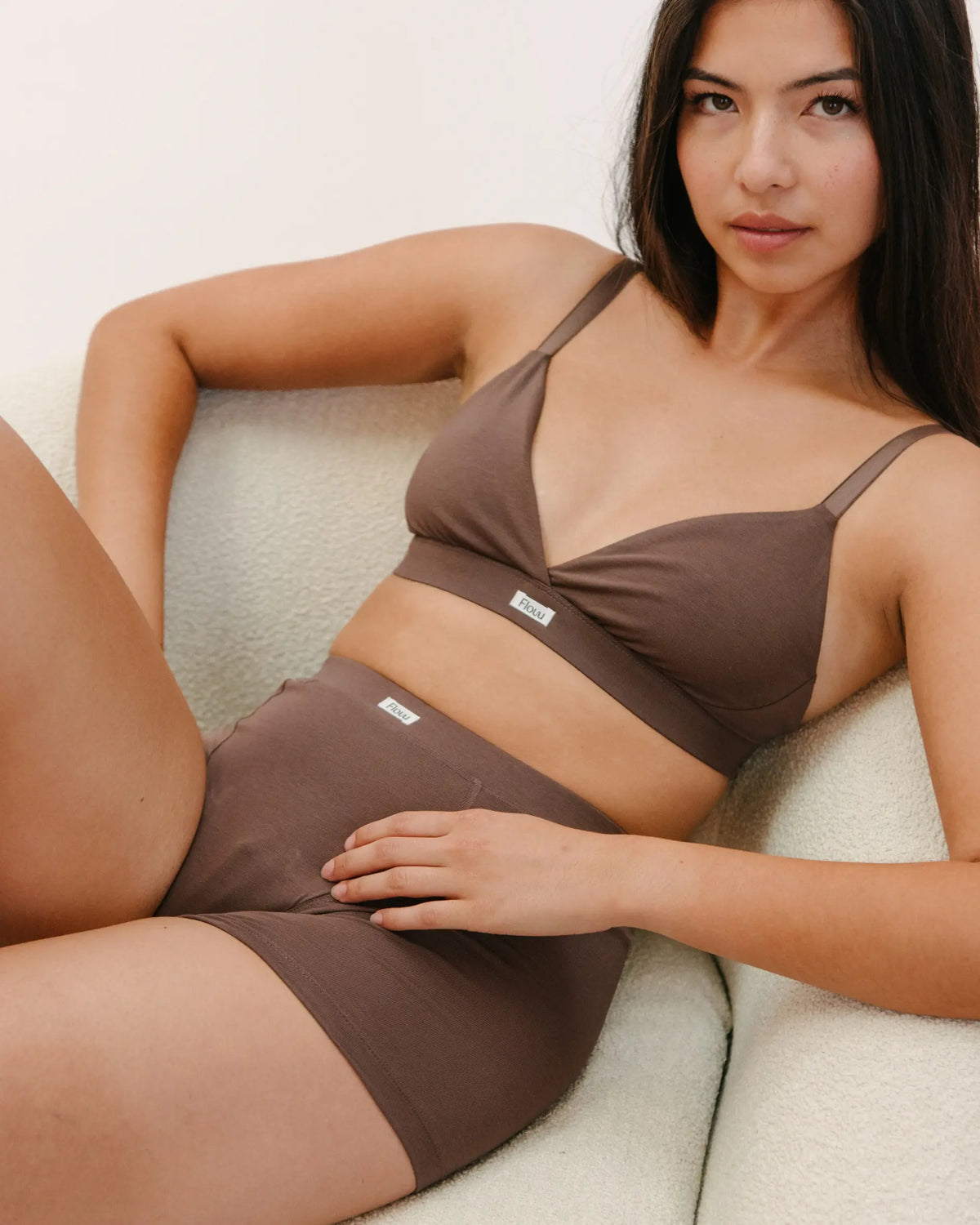
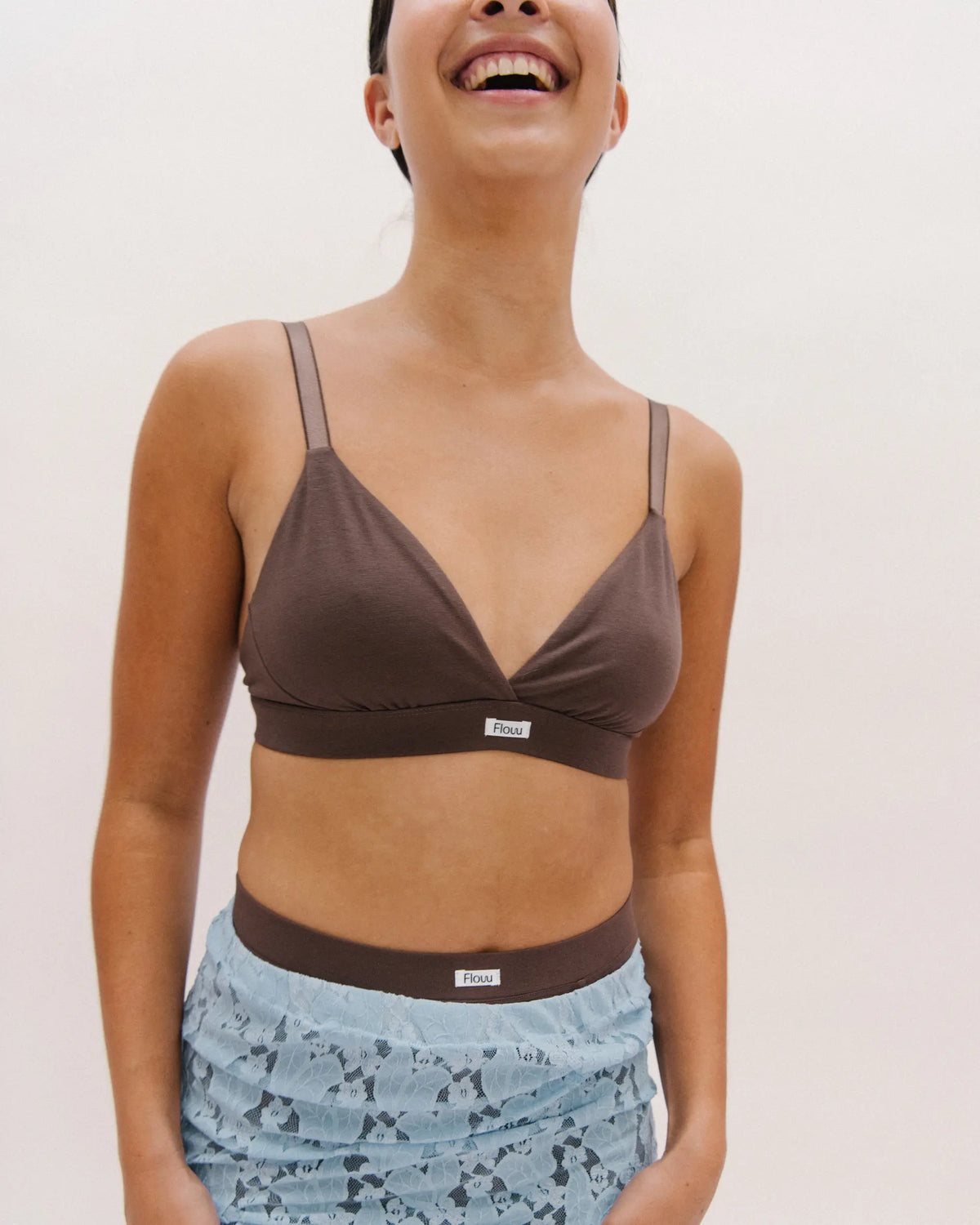
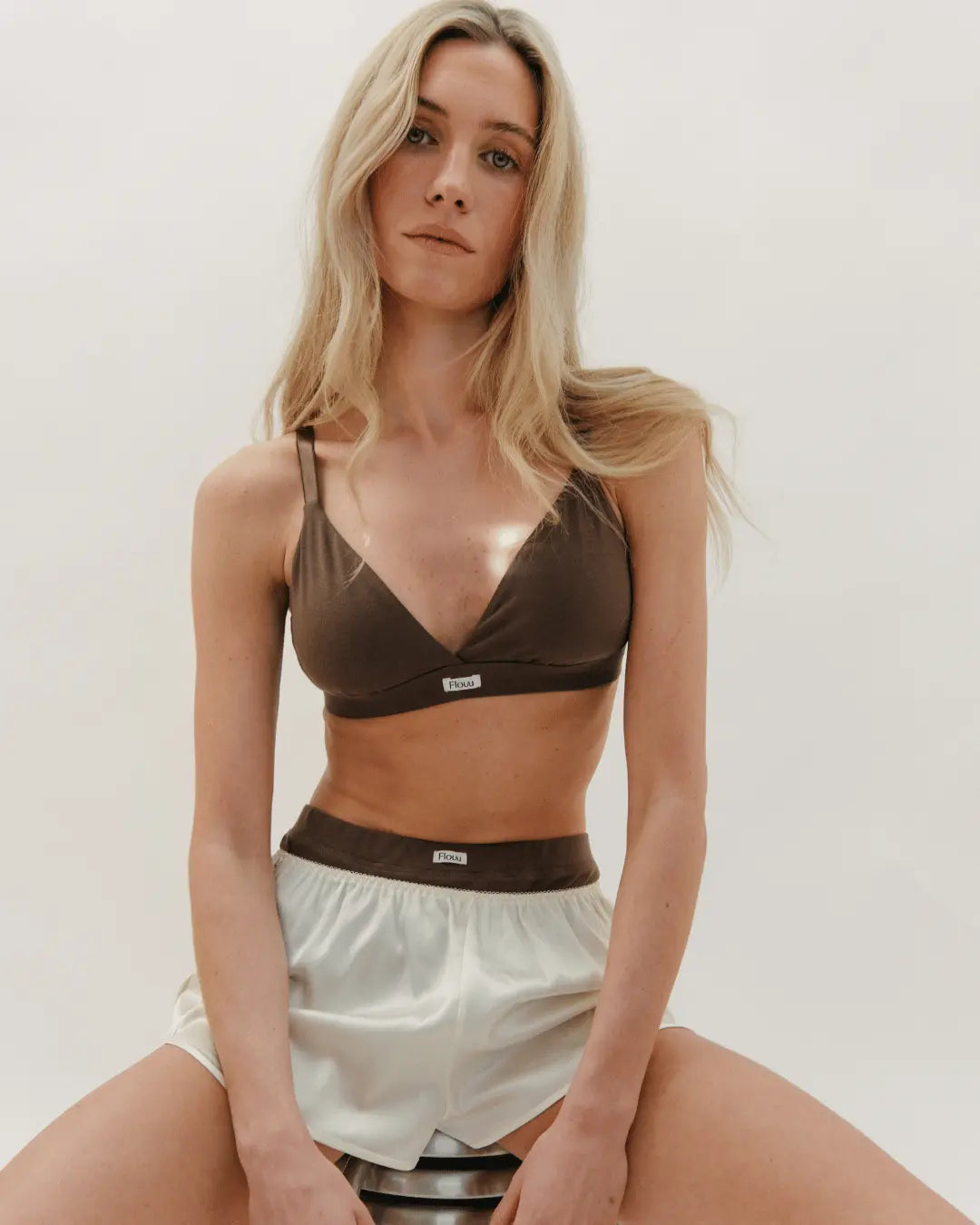
Menstrual panties work differently because they can be used over and over again .
According to calculations from the Danish Consumer Council Think, an average person will spend around:
-
6 pairs of menstrual panties
-
with an average lifespan of 3 years
If each pair weighs about 50 grams , that gives:
6 pairs × 50 g = 300 grams of waste per set
Over 40 years of age, you will typically use around 13 sets .
300 g × 13 = 3,900 grams
This corresponds to approximately:
3.9 kg of waste over a lifetime
👉 Learn how to best care for your menstrual panties during washing here
Comparison: pads vs. menstrual panties
When comparing the amount of waste:
| Product | Waste throughout life |
|---|---|
| Volume | about 91 kg |
| Tampons | about 65 kg |
| Menstrual panties | approx. 3.9 kg |
This means that menstrual panties can reduce menstrual waste by over 90% compared to pads.
👉 Let us guide you to which menstrual panties are best for you
What about menstrual cups?
Menstrual cups are also reusable. Typically:
-
One cup weighs about 30 grams.
-
can last for about 5 years
Over a menstrual cycle, you will therefore use approximately 8 cups .
30 g × 8 = 240 grams of waste
It's even smaller – but cups work differently than menstrual panties, and many people actually use both products in combination .
Sustainable menstruation is not about perfection
The figures clearly show that reusable menstrual products can significantly reduce waste.
But sustainability is not about being perfect.
For some, pads or tampons work best.
For others, menstrual panties or cups make more sense.
The most important thing is perhaps just knowing that small changes in everyday life can make a big difference over time .
When you consider that menstruation can last for around 40 years , it makes sense to look at the products we use over and over again.
Sources:
- The Danish Consumer Council Think – Menstrual panties and the environment
-
Fourcassier et al. (2022): Life Cycle Assessment of menstrual products
-
UN Environment Program (2021): Single-use menstrual products and their alternatives
-
WHO / global menstrual hygiene reports
-
UNEP lifecycle report on menstrual products