

Leitfaden für Sicherheit und Schutz bei Menstruationsprodukten
Hier erfahren Sie alles über die Risiken von Menstruationsprodukten, was Studien und Forschungen zeigen und wie Sie sichere Produkte wie Menstruationsunterwäsche ohne gefährliche Chemikalien auswählen können.

Warum die Sicherheit von Menstruationsprodukten wichtig ist
In den letzten Jahren hat das Interesse an der Sicherheit von Menstruationsprodukten deutlich zugenommen. Viele Menschen suchen nun nach Antworten auf Fragen wie:
- Sind Tampons sicher?
- PFAS in Binden
- Schwermetalle in Tampons
- Sind Menstruationsprodukte sicher?
Das ist kein Zufall.
Menstruationsprodukte werden durchschnittlich etwa eine Woche pro Monat verwendet – oft bis zu 40 Jahre lang. Einige Produkte, wie Tampons und Menstruationstassen, werden auch über viele Stunden im Körper getragen.
Wir müssen es wagen, höhere Anforderungen an Gesetzgeber und Produzenten zu stellen.

Forschungsergebnisse belegen kritische Inhaltsstoffe in Menstruationsprodukten
In den letzten Jahren haben mehrere internationale Studien Fragen zu den Inhaltsstoffen traditioneller Menstruationsprodukte aufgeworfen.
Amerikanische Studien haben Spuren von Schwermetallen in bestimmten Tampons nachgewiesen, und nordische Medien haben unter anderem über Funde von Blei in Produkten auf dem skandinavischen Markt berichtet.
Besonderes Augenmerk lag auch auf der Entdeckung von PFAS (per- und polyfluorierten Alkylsubstanzen) in einigen Menstruationsunterwäsche.
Darüber hinaus haben Experten auf Herausforderungen bei der Verwendung von Bioziden – beispielsweise Nanosilber – in Textilien, einschließlich Menstruationsunterwäsche, hingewiesen.
Der zunehmende Fokus liegt daher nicht darauf, Angst zu schüren, sondern auf Transparenz, Dokumentation und informierten Entscheidungen für uns als Verbraucher.
Quellen: NIEHS, VG.no, UC Berkeley
Welche Schadstoffe können in Menstruationsprodukten enthalten sein?
Biozide und antibakterielle Chemikalien
In Menstruationsunterwäsche werden Biozide wie Nanosilber verwendet, um Gerüche zu reduzieren.
Die dänische Umweltschutzbehörde rät von der Verwendung dieser Produkte in Bereichen in der Nähe von Schleimhäuten ab, da die Chemikalien vom Körper aufgenommen werden und sich dort anreichern können.
Die FDA befürchtet, dass Nanosilber die gesunden Bakterien (Laktobazillen) in der Vagina abtöten kann, die Infektionen bekämpfen. Dadurch kann ein günstiges Umfeld für schädliche Bakterien entstehen, was potenziell zu verschiedenen Infektionen, Erkrankungen des Beckenbereichs und Schwangerschaftskomplikationen führen kann.
Quelle: Kartierung und
Gesundheits- und Umweltbewertung biozider Wirkstoffe in Bekleidung - Die dänische Umweltschutzbehörde
PFAS (Per- und Polyfluoralkylsubstanzen)
PFAS (Per- und Polyfluoralkylsubstanzen) sind eine Gruppe synthetischer Chemikalien, die auch als „Ewigkeitschemikalien“ bezeichnet werden, da sie sich in der Natur sehr langsam abbauen und sich im Körper anreichern können. Sie wurden früher verwendet, um Textilien wasser- und flüssigkeitsabweisende Eigenschaften zu verleihen.
Mehrere Studien haben bestimmte PFAS-Substanzen mit endokrinen Störungen und anderen Gesundheitsrisiken in Verbindung gebracht.
Daher liegt der Fokus zunehmend darauf, PFAS in Produkten zu vermeiden, die in unmittelbarer Nähe des Körpers verwendet werden – einschließlich Menstruationsprodukten.
Quelle: New York Times
Blei und Dioxin
In bestimmten Binden und Tampons enthalten.
Blei kann als Verunreinigung durch Rohstoffe oder Produktion entstehen, während Dioxine historisch mit Baumwollbleichprozessen in Verbindung gebracht wurden.
Selbst in niedrigen Konzentrationen geben diese Substanzen Anlass zur Sorge, da Menstruationsprodukte über viele Jahre regelmäßig verwendet werden – und in einigen Fällen sogar im Körper.
Eine langfristige Exposition gegenüber Blei wird mit Auswirkungen auf das Nervensystem und den Hormonhaushalt in Verbindung gebracht, während Dioxine als potenziell krebserregend eingestuft werden.
Wie wähle ich sichere Menstruationsprodukte aus?
Der zunehmende Fokus auf unerwünschte Chemikalien und Schwermetalle in Menstruationsprodukten erfordert mehr Transparenz, Tests und eine strengere Regulierung der Inhaltsstoffe in Menstruationsprodukten.
Bis dies jedoch durch gesetzliche Bestimmungen eingeführt wird, können Sie Folgendes tun:
〰️ Vermeiden Sie Menstruationsunterwäsche mit Angaben wie „antibakterielle Behandlung“, „Frische-Wirkung“ oder Ähnlichem. Wenn Sie der Geruch Ihrer Menstruationsunterwäsche stört, verwenden Sie ein Spezialwaschmittel wie Bloody Clean, das auch allergiegeprüft istDie
Wenn möglich, kaufen Sie Bio-Binden und -Tampons, da diese in der Studie von VG den geringsten Anteil an Blei und Arsen enthielten.
〰️ Kaufen Sie Menstruationsbinden und -tassen aus medizinischem Silikon von Herstellern in der EU.
〰️ Bitten Sie die Marken, Ihnen die Ergebnisse von Tests ihrer Menstruationsprodukte zukommen zu lassen.
Wir werden getestet unsere saugfähige Unterwäsche unter anderem wegen PFAS bei einem Drittanbieter in Deutschland.
„Sind in Flows Unterwäsche PFAS oder Biozide enthalten?“
Was unternimmt Flow, um die Sicherheit von Menstruationsprodukten zu gewährleisten?

Qualitätsanforderungen an unsere Produkte
Zuallererst: Die Zugabe von chemischen Behandlungen zu Menstruationsunterwäsche ist unnötig.
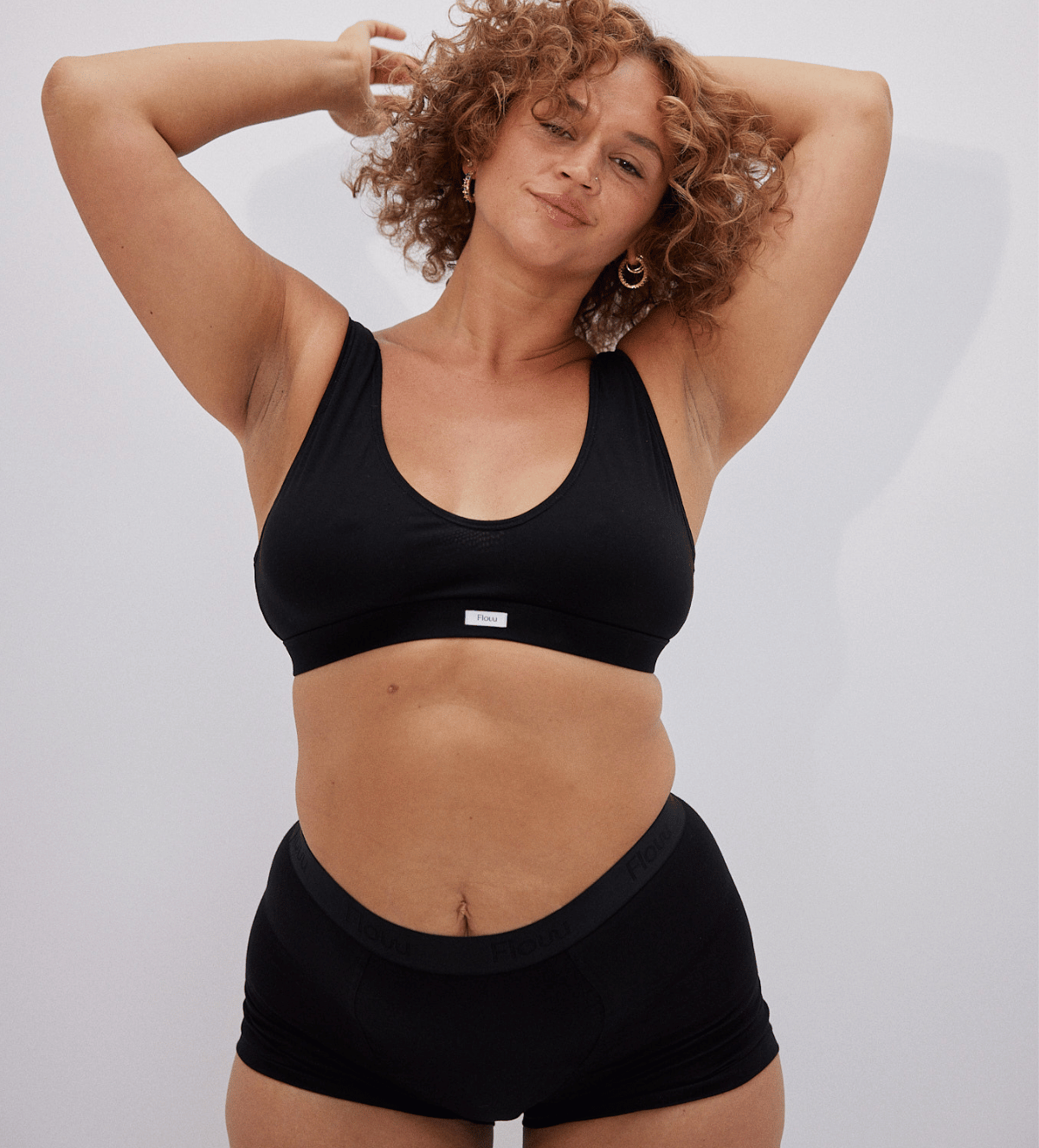
Die Menstruationsunterwäsche von Flow funktioniert dank der speziellen Webart des Stoffes – genau wie Ihre Sportbekleidung. Mit einer guten Waschroutine und beispielsweise einem Waschmittel für Menstruationsunterwäsche wie Bloody Clean, Dann sind Sie auf dem besten Weg.
🩸 Alle von uns verwendeten Stoffe sind Öko-Tex-zertifiziert. Wenn wir Baumwolle verwenden, handelt es sich stets um Bio-Baumwolle.
🩸 Wenn wir Polyester verwenden, handelt es sich um Neuware-Polyester, das längere Fasern hat und daher ein geringeres Risiko des Ablösens und der Bildung von Mikroplastik birgt.
🩸 Wir reduzieren derzeit den Polyesteranteil in unseren Absorptionskissen deutlich. Das können Sie beispielsweise schon an unseren Produkten sehen. Periodenshorts, die sich hervorragend für die Nacht eignen.

Wir testen systematisch
Wir lassen unsere Unterwäsche von einem unabhängigen Labor testen.
Wir haben die Mitteilung spätestens bis 2023 erhalten. "Keine nachweisbaren Werte" von PFAS und andere Biozide. Das heißt, in den Höschen waren keine messbaren Mengen vorhanden.
Die Aussage „PFAS-frei“ kann irreführend sein. Das ist das Beunruhigende an PFAS: Es handelt sich um Substanzen, die überall in unserer Umwelt vorkommen. Selbst wenn wir PFAS-Chemikalien nicht absichtlich in unsere Unterwäsche eingebracht haben, könnten wir mit etwas in Berührung gekommen sein, das PFAS enthält.
Das ist die ehrliche, traurige Wahrheit.
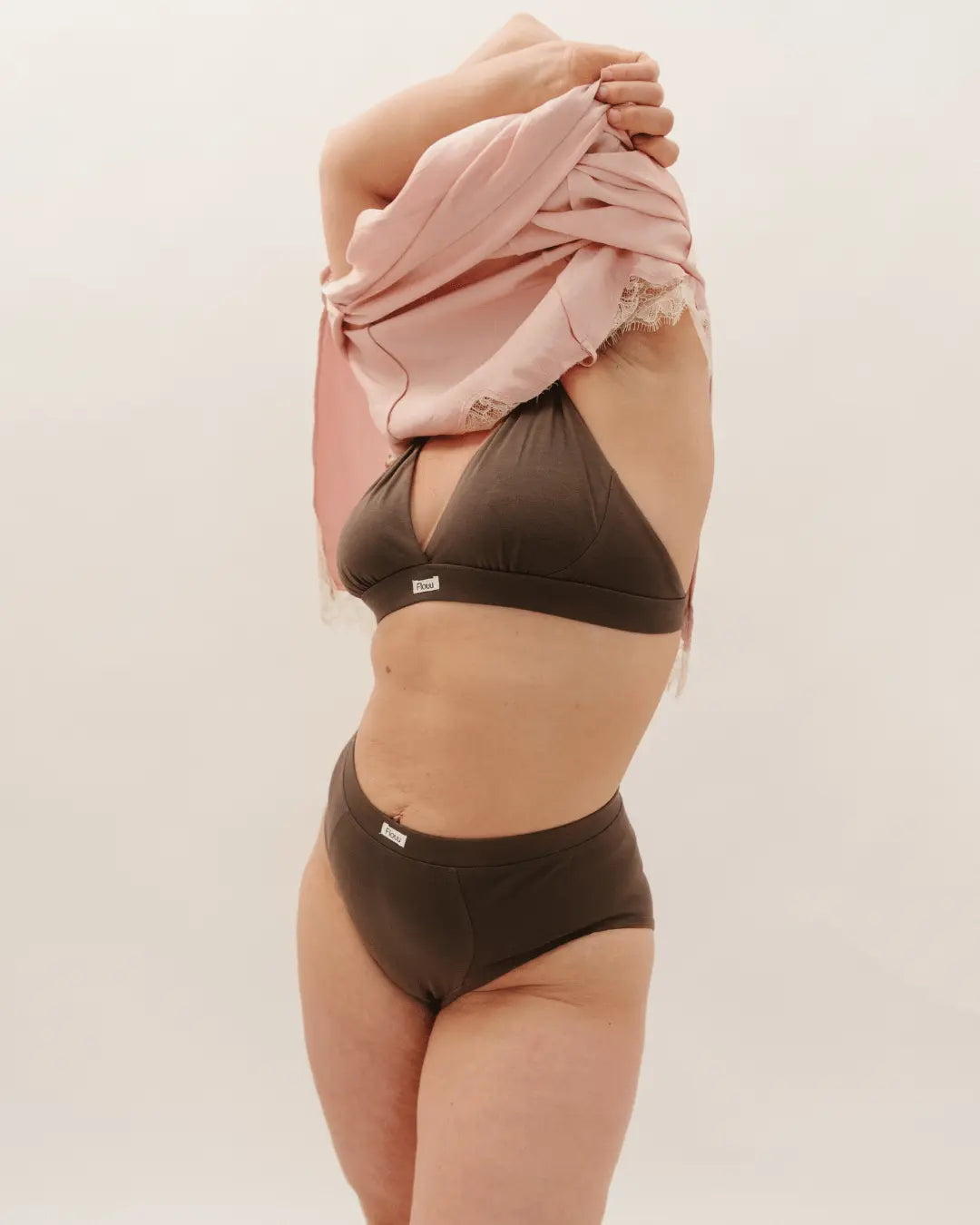
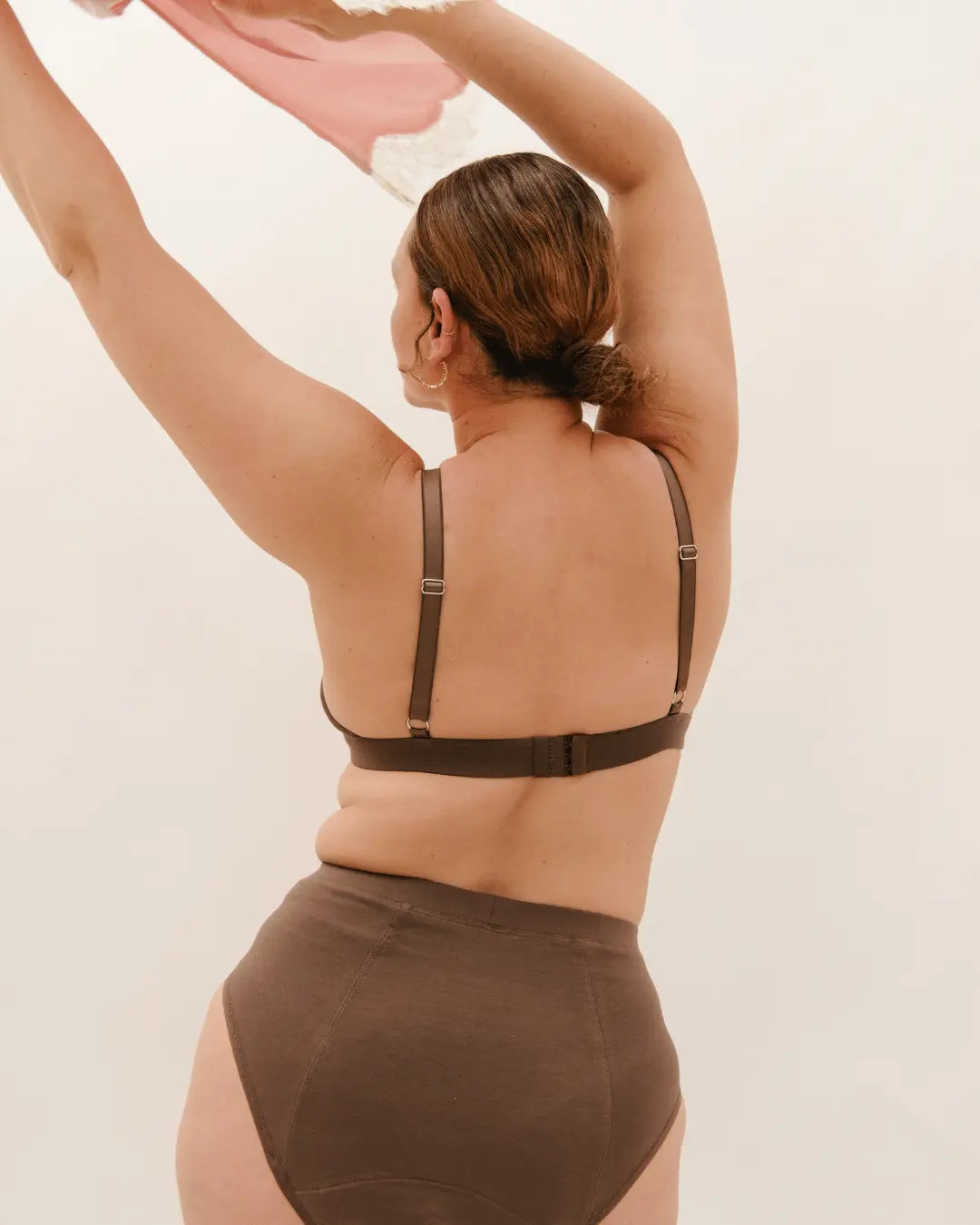
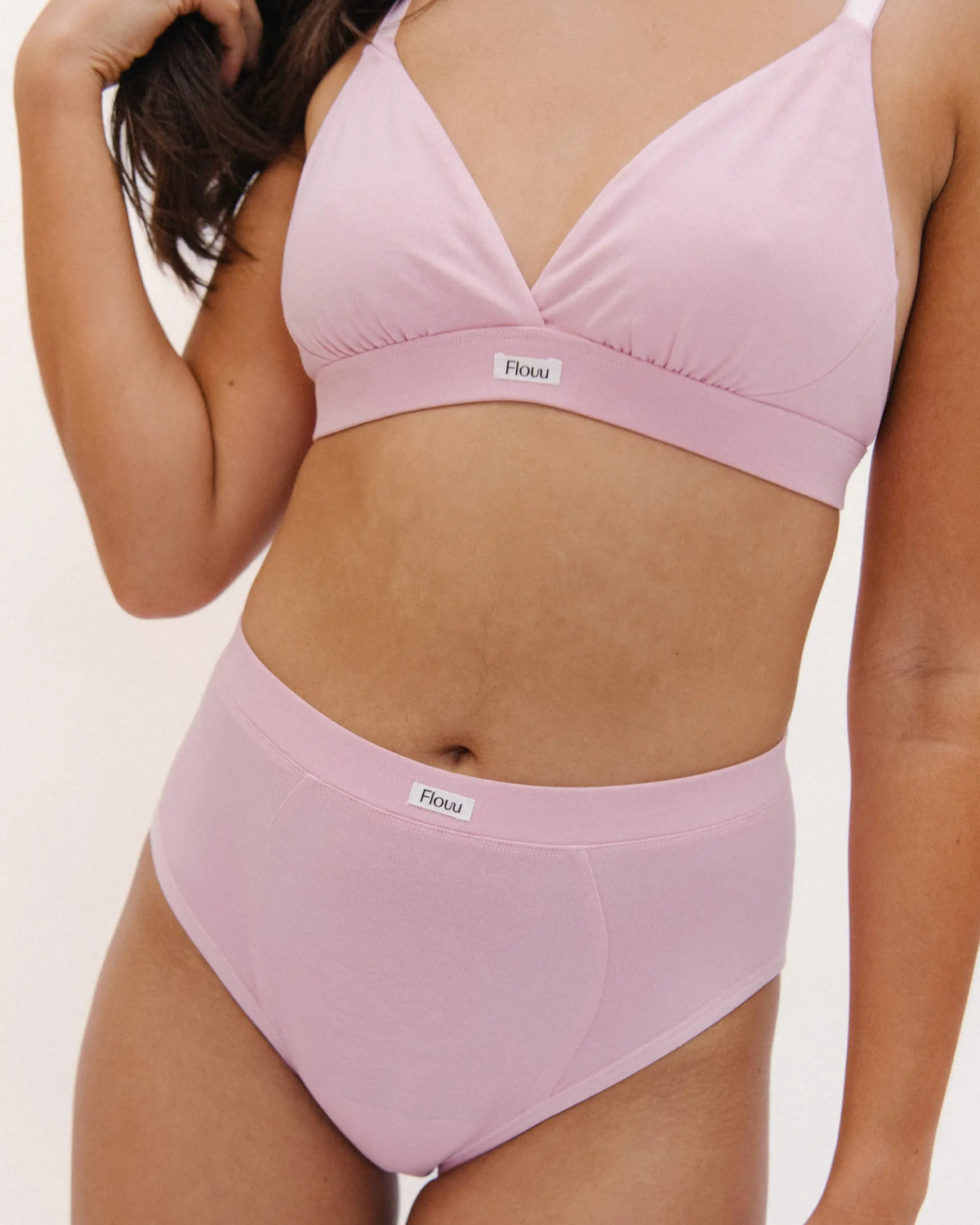
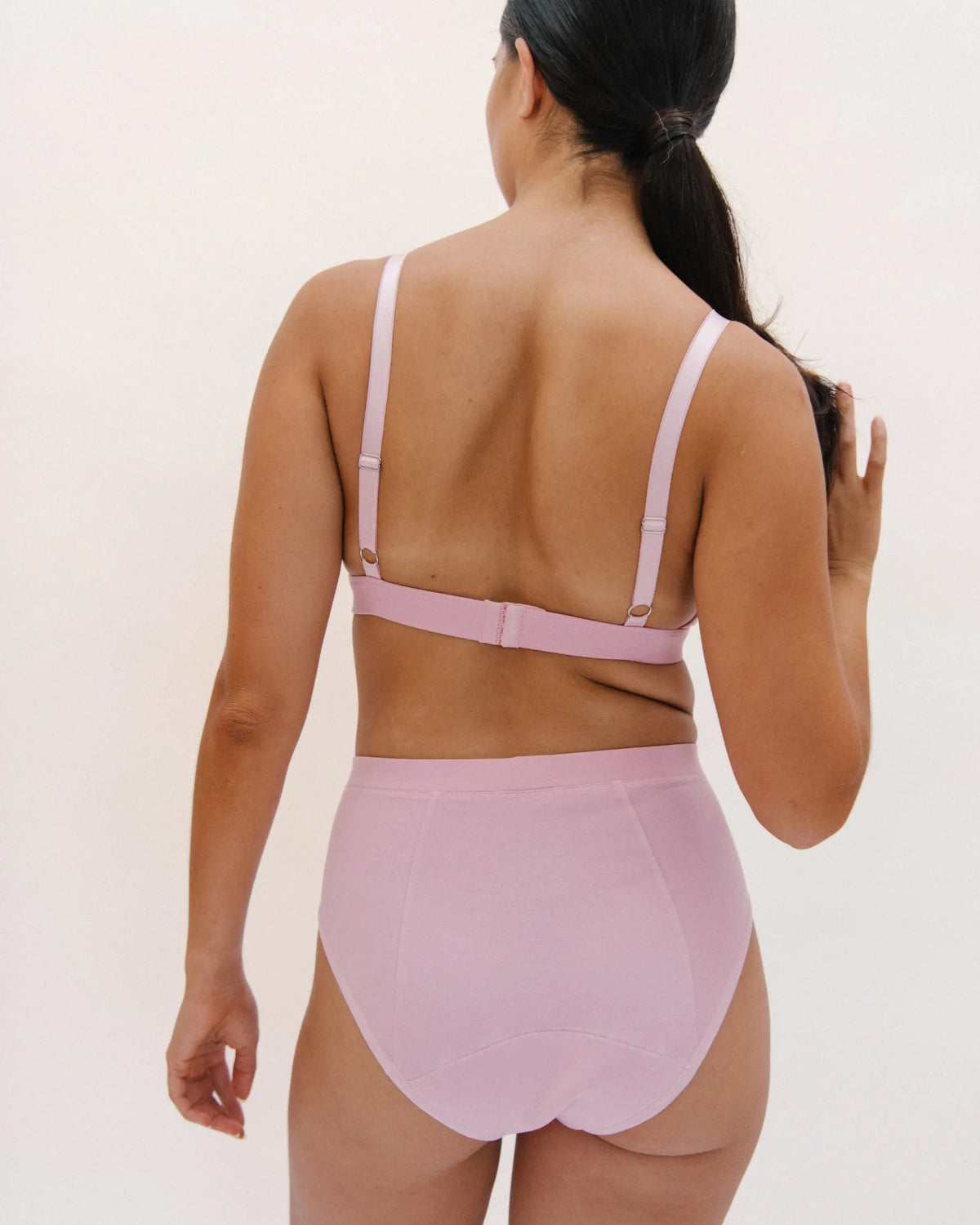
Sicherheit und Qualität, auf die wir stolz sind.
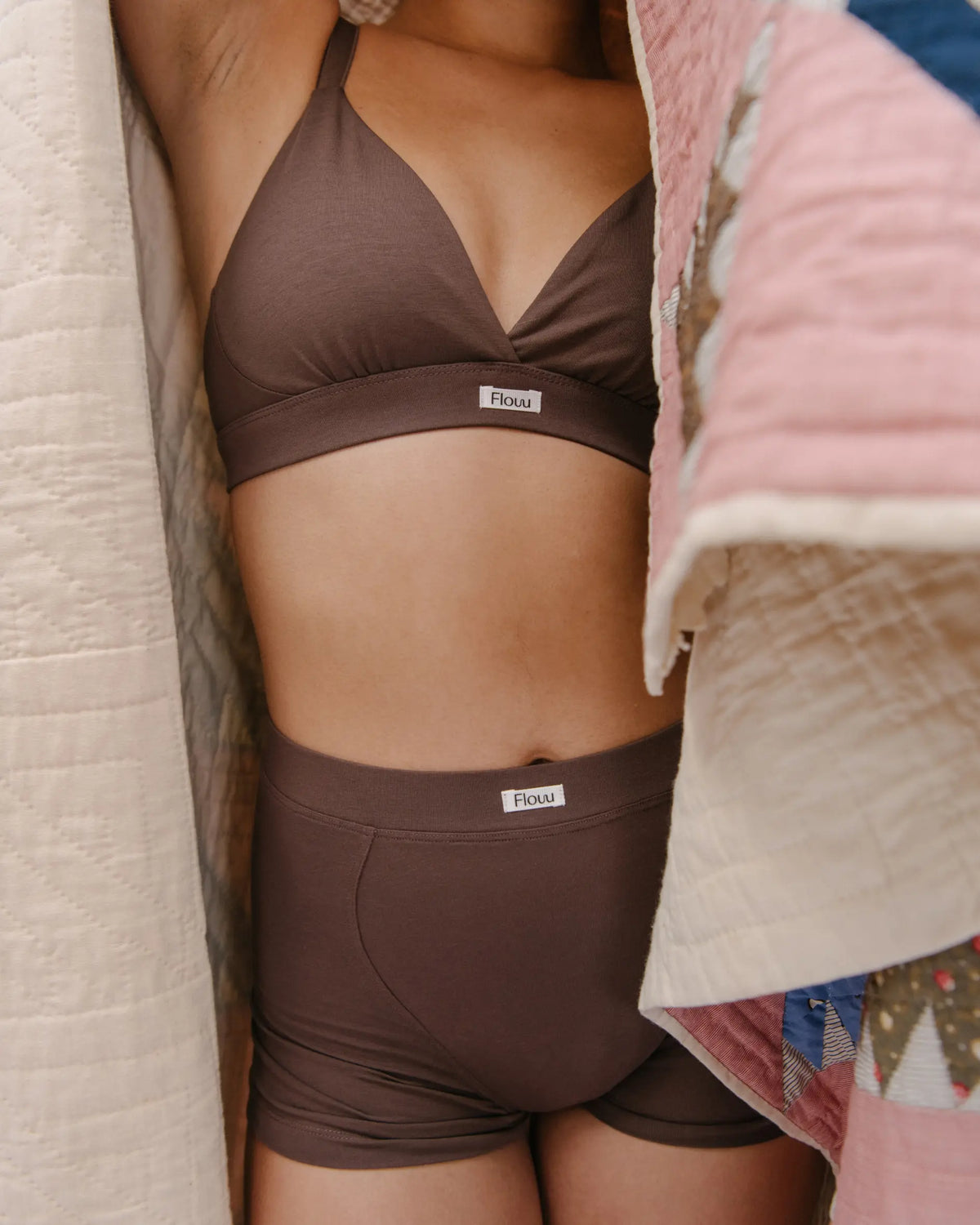
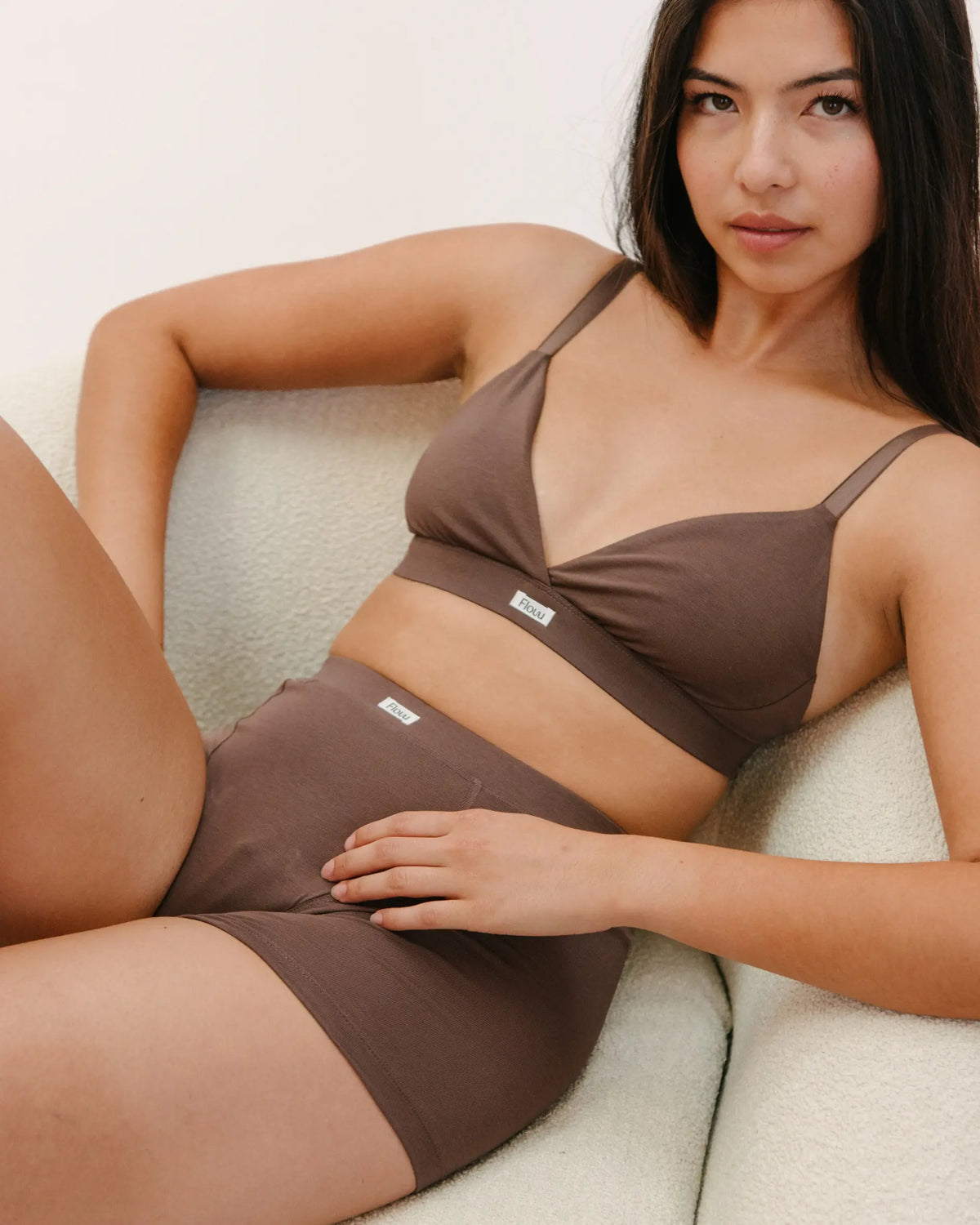
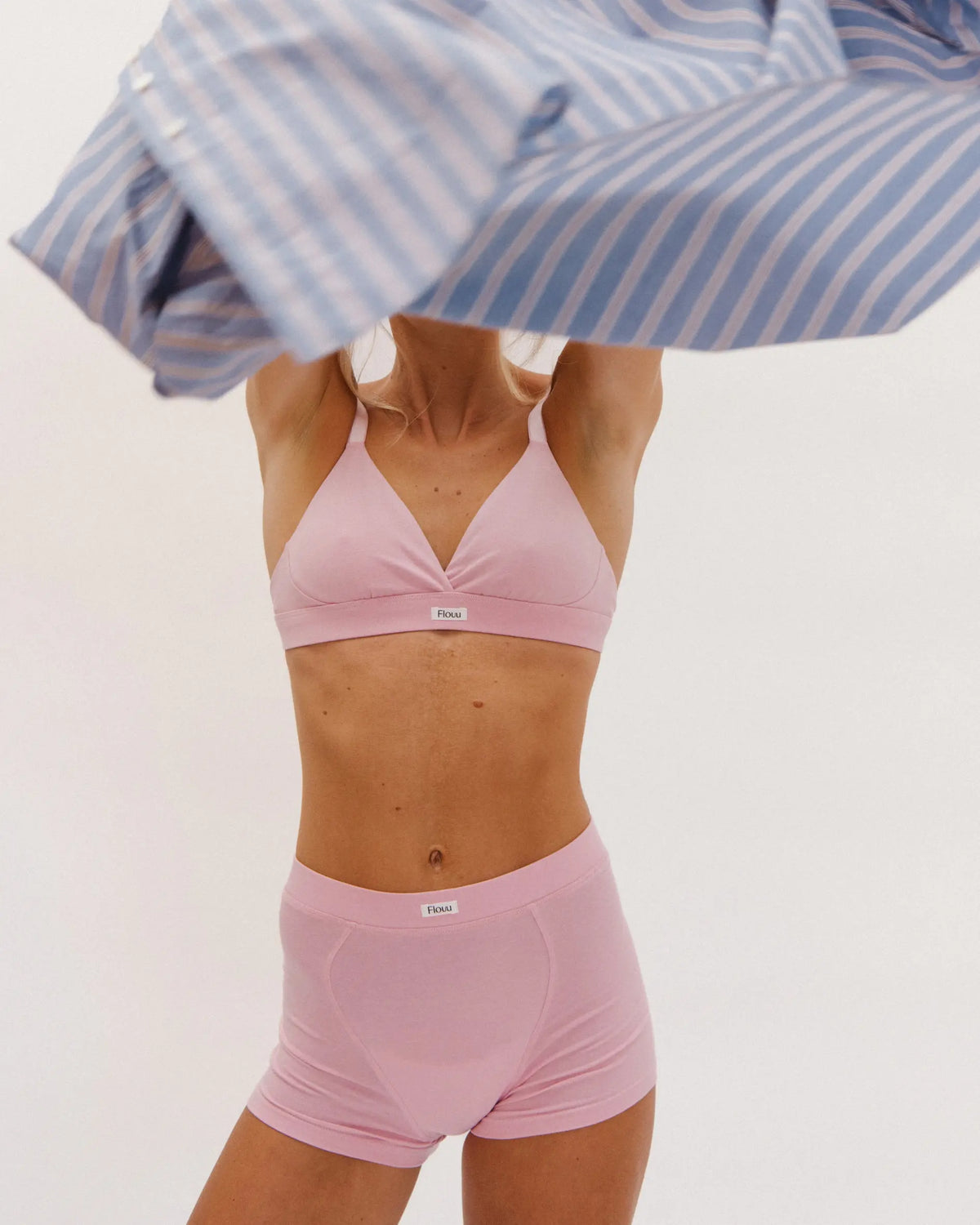
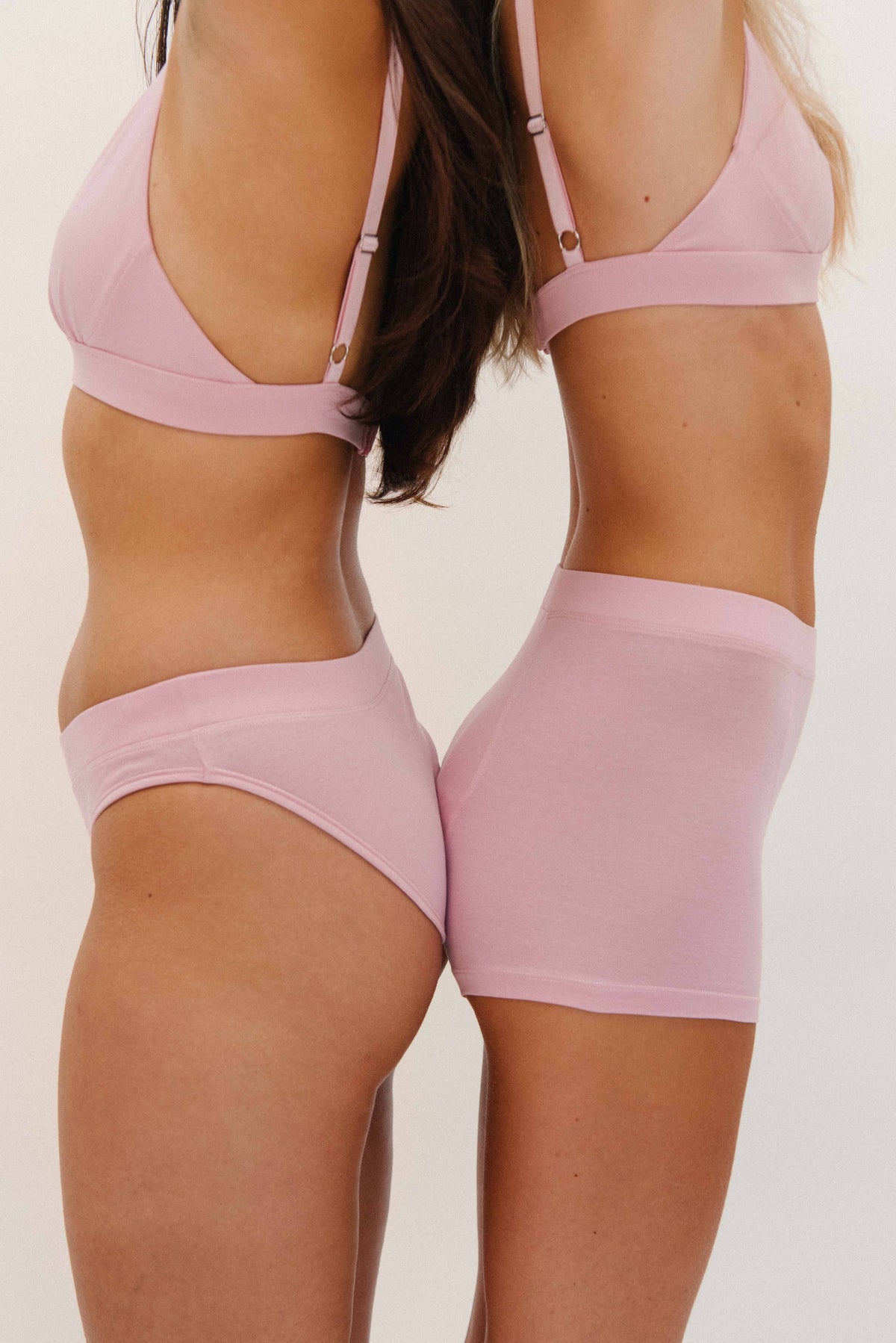
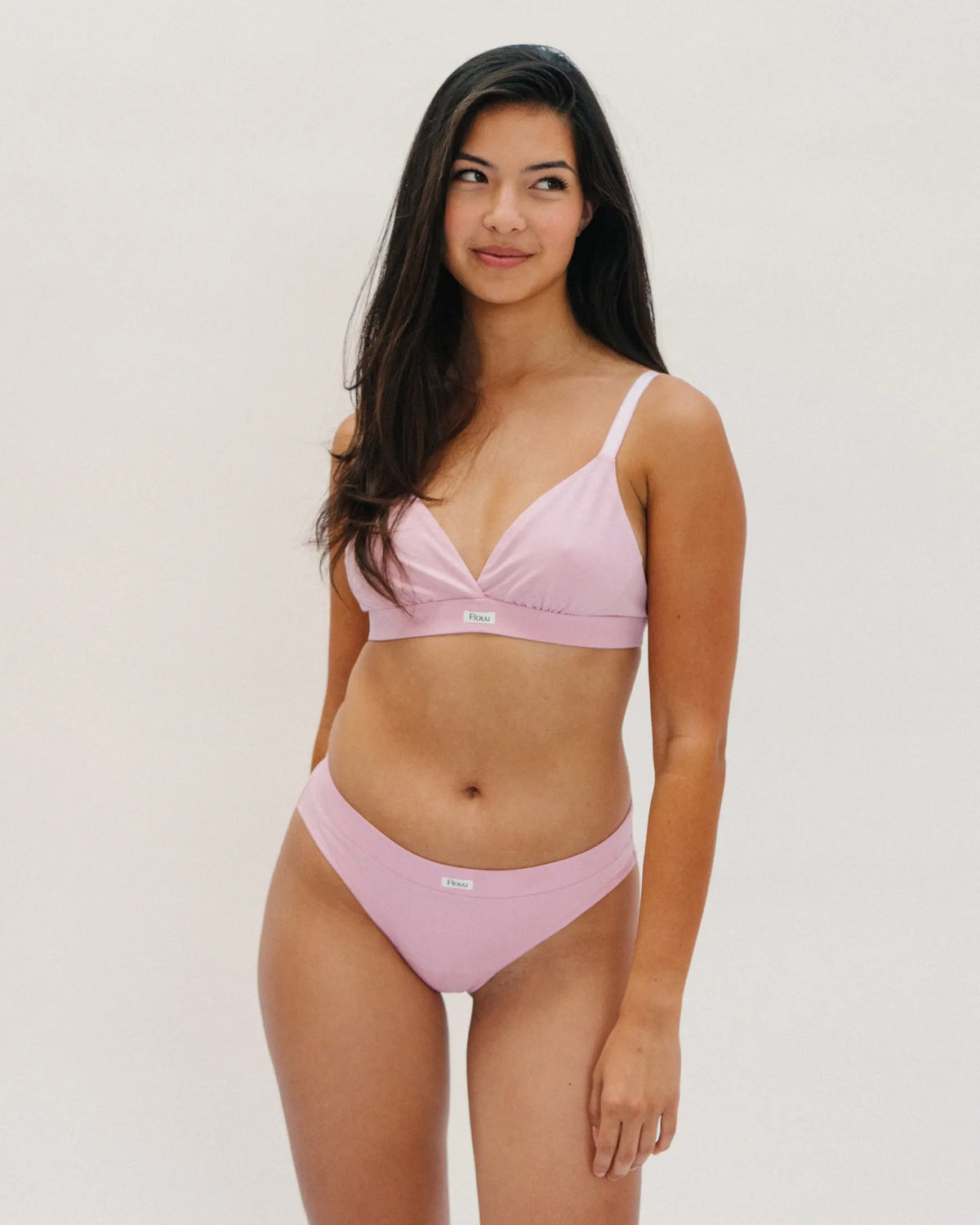
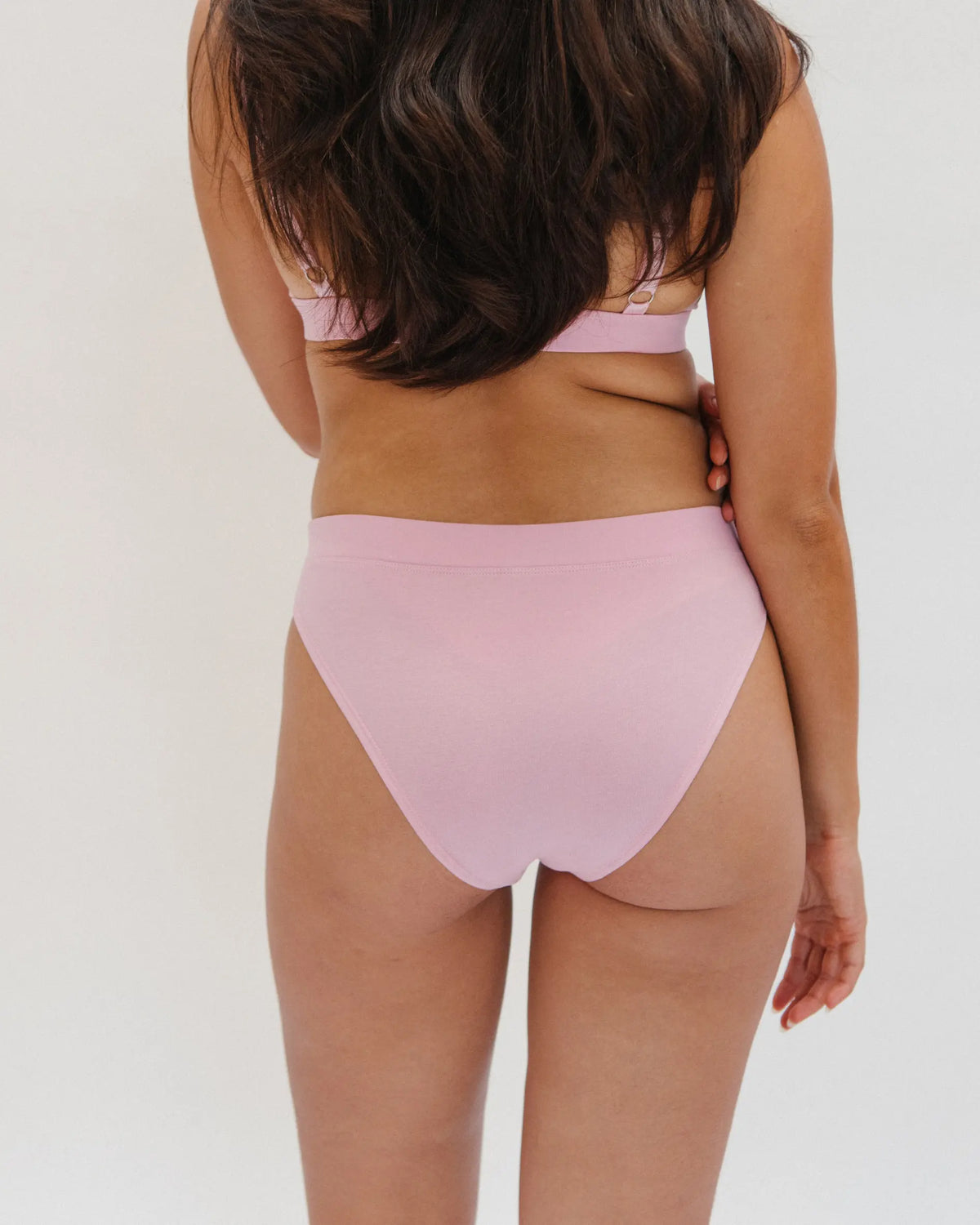
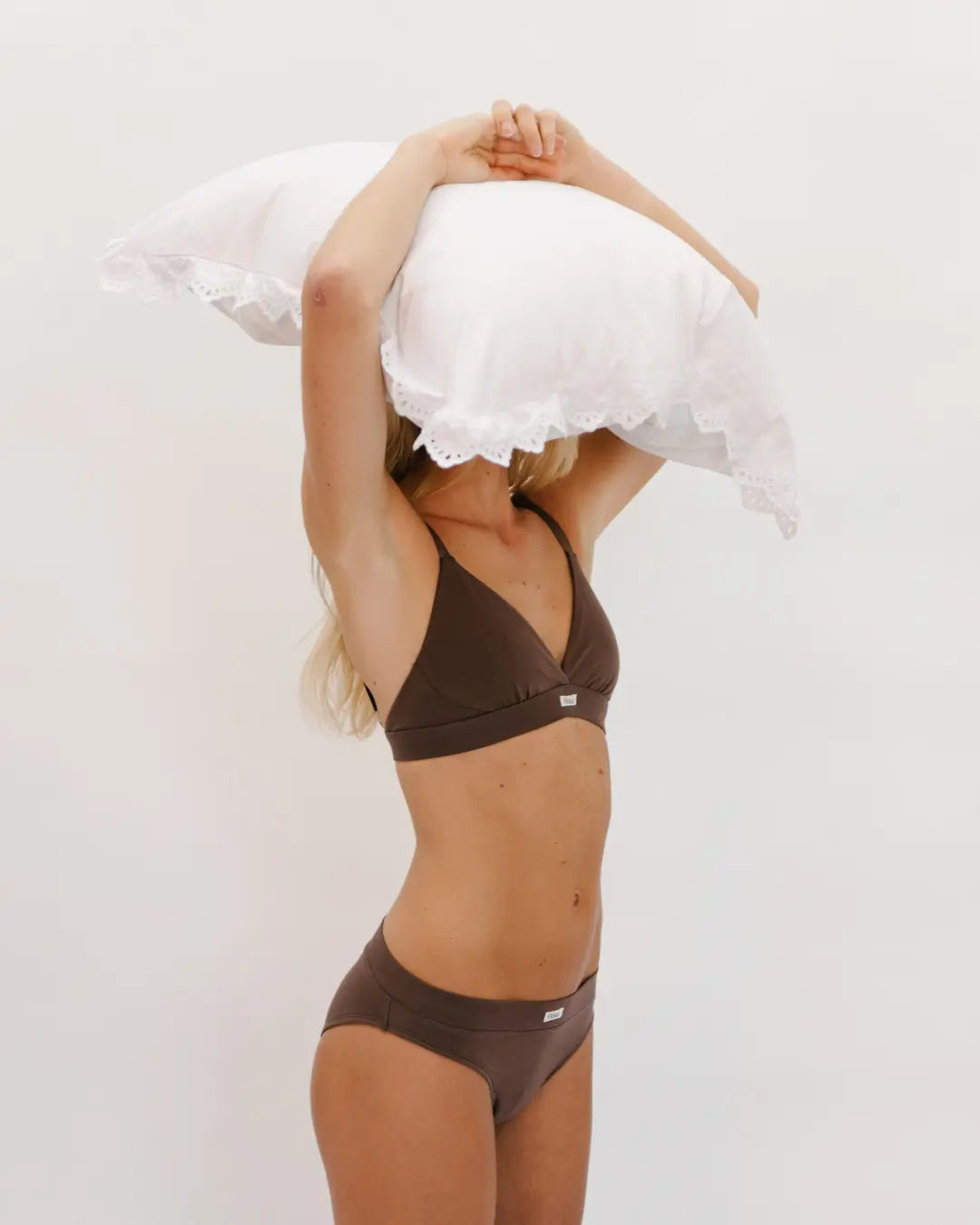
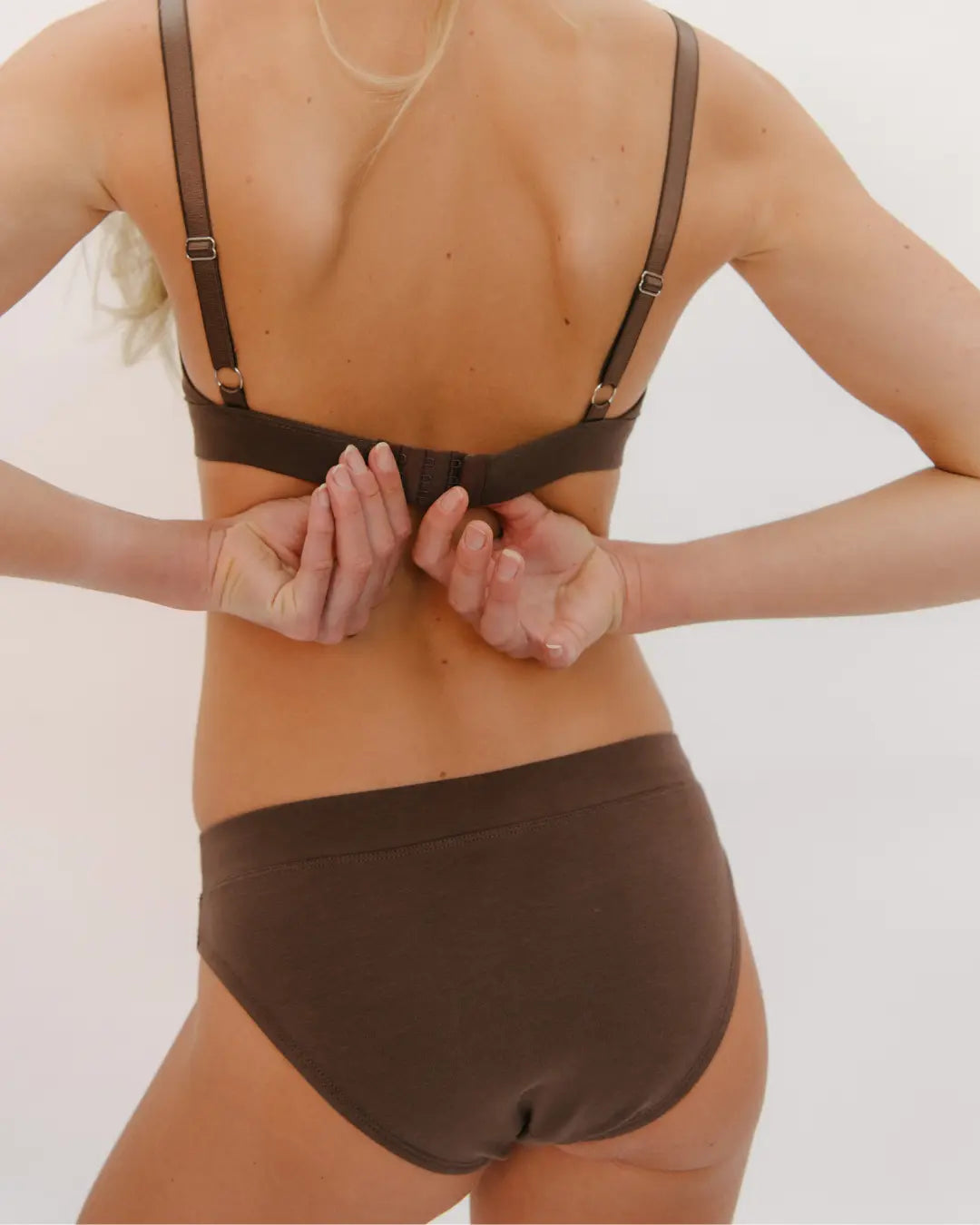
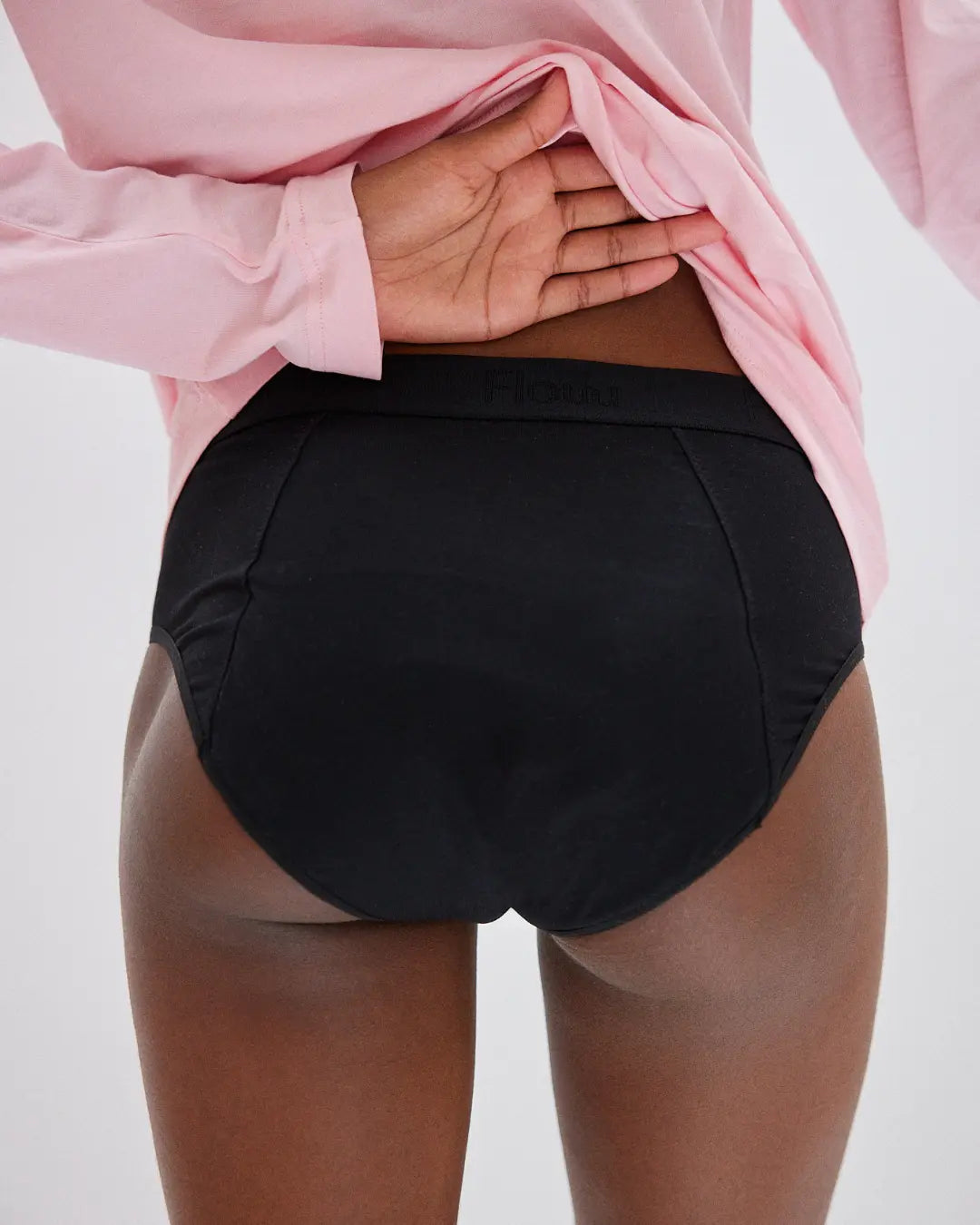
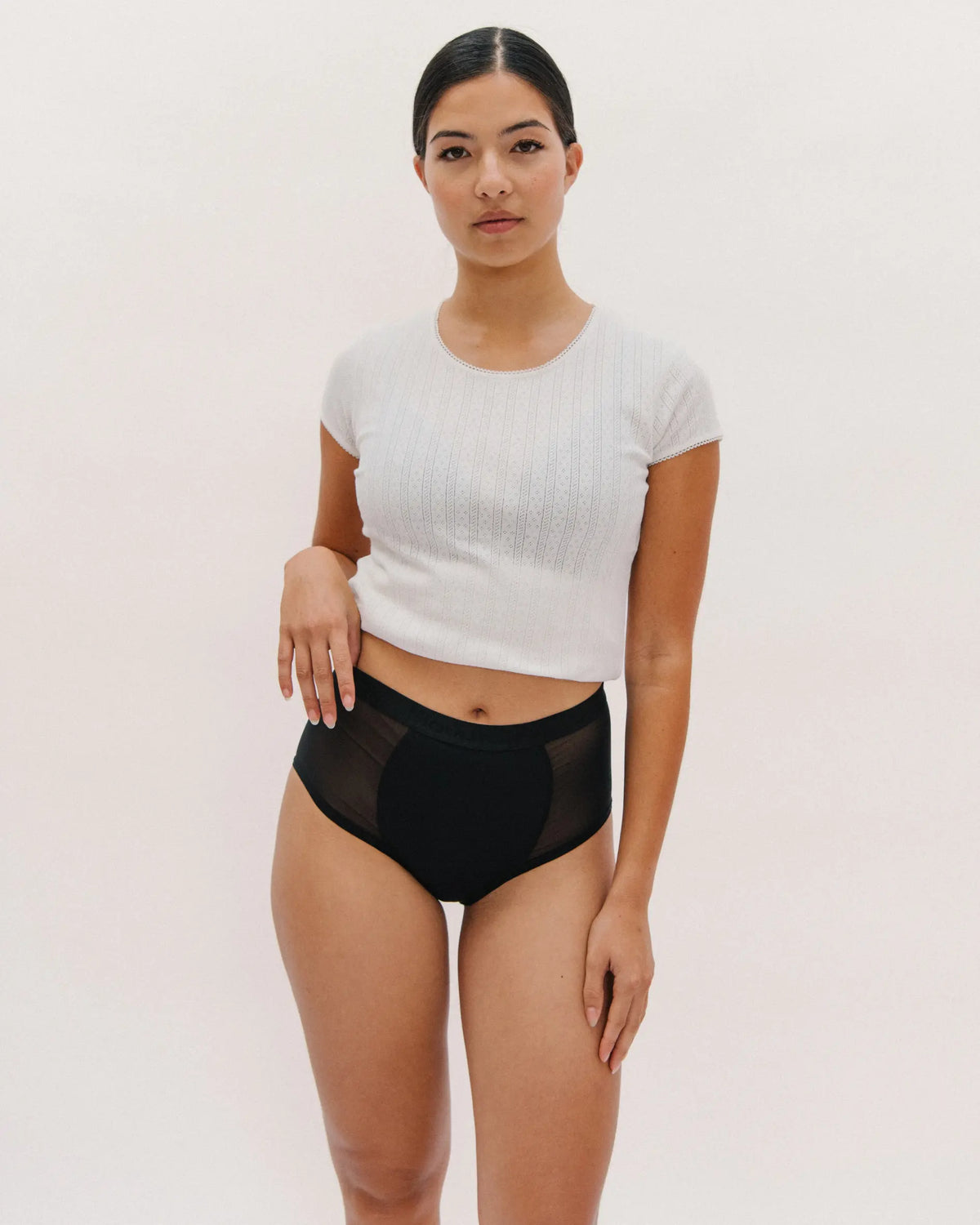
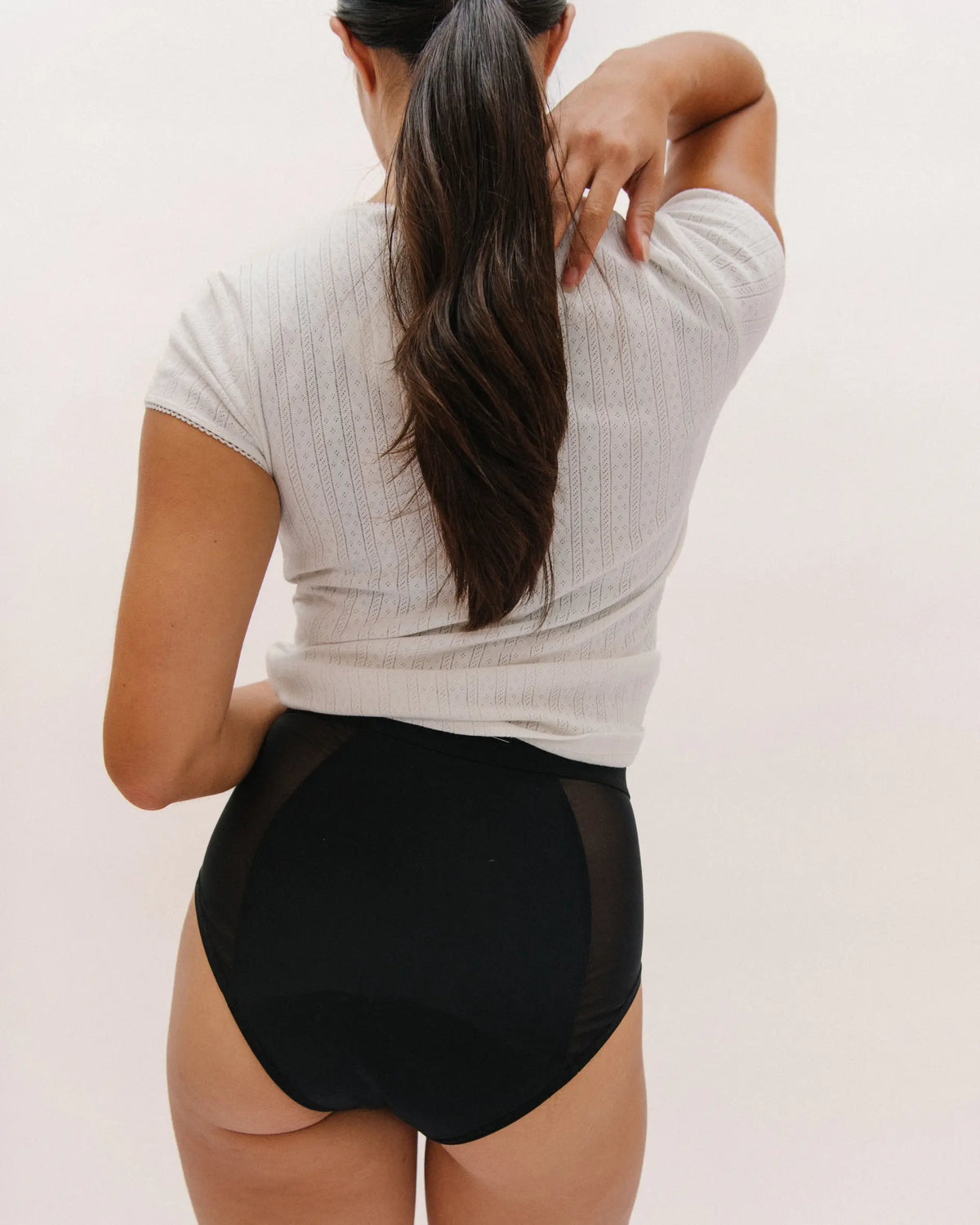
Menstruationsunterwäsche

Häufig gestellte Fragen zur Sicherheit von Menstruationsprodukten
Was sind Menstruationsunterwäsche?
Menstruationsunterwäsche ist wiederverwendbare Unterwäsche mit einer integrierten Saugschicht, die Menstruationsblut auffängt. Sie kann als Alternative oder Ergänzung zu Tampons, Menstruationstassen oder Binden verwendet werden.
Wie funktionieren Menstruationsunterwäsche?
Menstruationsunterwäsche besteht typischerweise aus mehreren Schichten: einer eng anliegenden Schicht, einem saugfähigen Kern und einer Schutzmembran. Die Schichten leiten die Flüssigkeit von der Haut weg und halten sie sicher zurück.
Hier finden Sie unseren vollständigen Ratgeber zu Menstruationsunterwäsche →
Hier finden Sie unseren vollständigen Ratgeber für Menstruationsbademode →
Wie viel können Menstruationsunterwäsche aufnehmen?
Die Saugfähigkeit hängt vom Modell und der Stärke der Blutung ab. Es gibt Slips für leichte, mittlere und starke Blutungen, und einige Modelle eignen sich auch für die Nacht.
Hier finden Sie unsere Auswahl an Menstruationsunterwäsche →
Können Menstruationsunterwäsche auch allein getragen werden?
Ja, bei leichter bis mittlerer Blutung können sie oft allein verwendet werden. Bei starker Menstruation kann die Kombination mit einer Menstruationstasse, einem Menstruationsscheiben-Verschluss oder einem Tampon für zusätzlichen Schutz erforderlich sein.
Kann man mit Menstruationsunterwäsche baden?
Normale Menstruationsunterwäsche ist nicht zum Baden geeignet.
Zum Schwimmen gibt es speziell entwickelte Menstruationsbademode, unsere Auswahl finden Sie hier. →
Wie wasche ich Menstruationsunterwäsche?
Nach Gebrauch mit kaltem Wasser ausspülen und bei niedriger Temperatur ohne Weichspüler waschen. An der Luft trocknen lassen, um Saugfähigkeit und Langlebigkeit zu erhalten.
Hier erfahren Sie mehr über das Waschen Ihrer Menstruationsunterwäsche. →
Sind Menstruationsunterwäsche sicher?
Die meisten Menstruationsbinden gelten als sicher, insbesondere wenn sie frei von PFAS und zugesetzten Bioziden sind. Es ist wichtig, Produkte zu wählen, bei denen Transparenz hinsichtlich der Materialien und der Testverfahren gewährleistet ist.
Wie sieht es mit PFAS in Menstruationsprodukten aus?
PFAS sind eine Gruppe sogenannter „persistenter Chemikalien“, die sich im Körper anreichern können und mit Gesundheitsrisiken in Verbindung gebracht werden. Daher wird zunehmend Wert darauf gelegt, PFAS in Produkten zu vermeiden, die in Körpernähe verwendet werden.
Wie sieht es mit Schwermetallen wie Blei aus?
In einigen Menstruationsprodukten wurden Spuren von Schwermetallen wie Blei gefunden. Die langfristige Belastung gibt Anlass zur Sorge, da die Produkte über viele Jahre regelmäßig verwendet werden.
Wie sieht es mit Bioziden und Nanosilber aus?
Um das Bakterienwachstum zu hemmen, werden einigen Textilien Biozide wie Nanosilber zugesetzt. Ihre Auswirkungen auf das Hautmikrobiom und die Umwelt sind umstritten, weshalb verstärkt nach Alternativen ohne Biozidzusatz gesucht wird.

Wir freuen uns, in Ihrem Posteingang zu landen.
SPAREN SIE 12 % BEI IHRER ERSTEN BESTELLUNG
Wir verfassen Newsletter mit größter Sorgfalt.
Gefüllt mit Fahrradwissen, neugierig machenden Geschichten und kleinen Notizen unseres Gründers.
Außerdem erhalten Sie als Erster Neuigkeiten zu Produkteinführungen, guten Rabatten und bevorstehenden Veranstaltungen.