

Infections and complications after childbirth – what should every woman giving birth know?
After giving birth, the body can go through both completely normal ailments and — less commonly — more serious infections and complications after birth. In this article, you will get an overview of the most common conditions when you are in your postpartum period, what symptoms you should be aware of, and when you should seek medical attention.
When you give birth to a child (or more), it is both a completely unique and special birth - no births are the same, not even your own. And at the same time, there are billions who have done it before us. The most ordinary - and the most unusual at the same time. That is part of what makes it so magical. And just as well, the days after birth can also be quite different - for most of us they typically go by quietly. What we perhaps focus on most of all is cuddling, sniffing, throwing ourselves into breastfeeding, and understanding that we are actually welcome to take them home (and: that we can figure out how to take them from here).
Remember: The vast majority of people have an absolutely peaceful postpartum period, where what may be the most troublesome is breastfeeding.
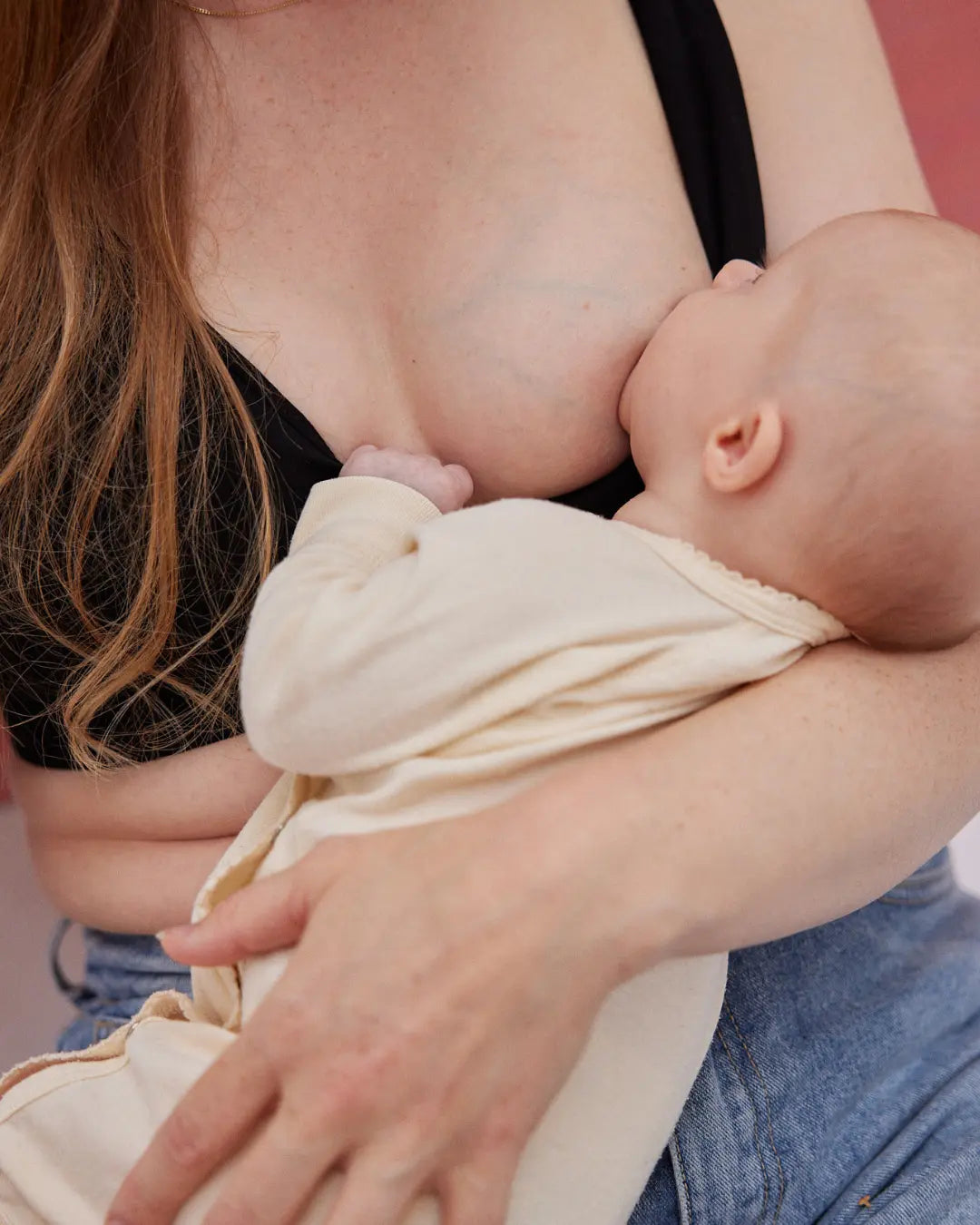
👉 Try our absorbent nursing bra, Postpartum Nursing Bra and avoid nursing pads
Written by journalist Simone Mervig.
The content of this article has been verified by Pernille Jensen, nurse and breastfeeding counselor behind Mamaflow.

What causes complications after childbirth?
During and immediately after childbirth, the mother's abdomen and uterus are particularly vulnerable. There are many open surfaces, small tears, and intense activity in tissues and blood vessels that can allow bacteria and inflammation to enter. According to Merck, some of the factors that increase the risk of postpartum complications include:
-
Long-term water loss (which provides longer exposure)
-
Long or complicated birth
-
Many internal examinations during childbirth
-
Caesarean section
-
Residual tissue in the uterus (this may be called placental fragments)
-
Excessive bleeding during or after childbirth
-
Colonization with bacteria in the genitals (lower intestinal/vaginal flora).
But it's also true that we get the birth we get - there's really very little we (women, ahem) have control over. If you experience the above during your birth, the obstetricians and midwives will already be aware of you, and they know the risks.
Common complications after childbirth
Let's first outline the most common complications that can occur after childbirth - many women in labor experience complications to varying degrees after childbirth. Here is a selection of the most common:
- Postpartum bleeding to a greater or lesser extent. You will also experience postpartum bleeding after giving birth by cesarean section, as the blood comes from the wound where the placenta was attached to the uterus.
- Perineal tears - these are divided into grades from 1 to 4, and the serious ones that require surgery are fortunately rare.
- Problems with urination/constipation - most of us who have tried giving birth will remember having to do number 2 after giving birth. Especially with mild constipation, which is quite common. Fortunately, there is advice for that: Eat/drink prunes, have a few magnesias available over the counter from the pharmacy and talk to your midwife before you go, get up and move around and get your stomach moving.
- Challenges in getting breastfeeding started. Maybe have a breastfeeding coach you feel comfortable with coded into your phone for when you get home from the hospital. Often small adjustments can make a huge difference.
- Postpartum reactions. It's more common than you think. Having a baby is a massive change, so it's natural for your body and mind to react. Don't be afraid to let those closest to you know how you're feeling and definitely talk to your health visitor about it when they visit.
Your body has been through a lot - complications after giving birth are common. Some of them you may have prepared for ( perhaps you bought a postpartum bundle to make the days after giving birth smoother ), and others come like a bolt from the blue. For example, postpartum infections - inflammation after giving birth.
What are postpartum infections?
One of the complications after childbirth can be infections, some are quickly over - others are more serious. Infections can occur in different ways, but when the body has been "open" to that extent, and various tools may be used along the way, the risk of infection increases. The typical infections or inflammation during and after childbirth can be, for example:
-
Inflammation of the uterus (they may call it endometritis) or inflammation of the lining of the uterus
It is one of the most common infections in the postpartum period.
Typical symptoms: Fever, pain, foul-smelling discharge, tenderness in the uterus. -
Wound infection (from e.g. caesarean section, ruptures, episiotomy - cut in the perineum)
It is quite common for wounds to become infected. They occur locally from lacerations, episiotomy wounds and caesarean section wounds, which can become infected.
Typical symptoms: Redness, heat, pain, pus, opening of the wound. -
Urinary tract infection or kidney infection
If you had a catheter inserted during childbirth or had prolonged pressure on the bladder, inflammation may occur.
Typical symptoms: Pain, burning sensation when urinating, fever, back pain.
-
Breast inflammation (they may call it mastitis)
Inflammation of breast tissue – typically during breastfeeding.
Typical symptoms: Redness, pain, warmth and fever in the affected breast.
If it develops into an abscess, a cavity with pus may form.
And in very rare cases, they may suspect what are called abscesses (collected areas of pus typically infected with staphylococci), sepsis or pelvic vein infection). Mastitis is quite common but oh, so painful. So is cystitis. But a maternity ward has seen it all and knows how to handle it and help you get well again.
Signs and symptoms of infection you should know
Honestly. When everything works and feels different, it can be hard to distinguish “normal” pain and discharge from something serious – but here are some general symptoms that may require your doctor’s attention:
-
Fever
Defined as a temperature above 38°C and may be a sign of infection. The fever may be accompanied by chills. -
Lower abdominal pain that is other than tenderness.
Your uterus is a huge muscle that has just "run a marathon" during childbirth, pushing one or more babies out through the vagina. Soreness is quite common. But you should pay attention to actual abdominal pain, especially if it increases. -
Foul-smelling vaginal discharge
We have written about vaginal odor after childbirth before - your vagina may smell slightly sweet due to the blood, but a decidedly bad odor should be investigated.
In the very first 12 hours after birth, a single temperature spike that is outside the normal range may be common. However, if the fever does not continue and is accompanied by any of the above symptoms, a trip to the doctor may be warranted.
What happens to a woman in labor after the birth is over?
In Denmark, it is also the case that you are typically discharged and discharged from the maternity ward 24-72 hours after birth and in some cases even earlier if the birth has otherwise been uncomplicated. After that, you will be under the care of your own doctor. However, you will be visited quite quickly by a health visitor if you agree to this. It is better to bring up your symptoms once too much than too little.
Yes, a body can be sore after giving birth, you can feel completely shattered - hoarse voice, sore tailbone, tired muscles - just slightly ✨shattered✨ in places you didn't even know existed. But increasing pain? Preferably not. So when should you see your doctor after giving birth?
What should I say when I call the hospital after giving birth?
For the first 2-3 days after giving birth, you still belong in the delivery room. When you call them with concerns about your health, they will first ask you (in addition to your CPR number - make sure that a potential partner knows this) about your symptoms: When did you give birth? What is your temperature?
When you notice symptoms in the days after giving birth, write them down. Be explicit: “I have XX fever on X day + foul-smelling discharge after giving birth” - this can make it easier for doctors, midwives or nurses to assess. And remember: You should not ignore persistent pain, fever or outright discomfort. Better to call once too many than too few.
Is postpartum hemorrhage dangerous?
Two to three days after your birth, you typically need to see your doctor. Your postpartum bleeding will often still be ongoing at this point. You may be surprised by the amount, because you have most likely experienced nine wonderful months without bleeding from a period. But now the blood is back to a certain extent. Because bleeding after birth (called lochia) is completely normal in the weeks after. It is not a period ( you can read about when your period comes after birth here ), but rather bleeding from a wound that is healing where the placenta has been stuck in the uterus.
But what separates normal postpartum floaters from a more dangerous scenario?
-
Typically, your lochia - your postpartum bleeding - will progress from red -> brown/pink -> yellowish/lighter discharge over 4–6 weeks. By your 8-week medical check-up in Denmark, your bleeding will most often have stopped.
-
The float itself should not have a strong, unpleasant odor. It may smell iron-like and may not be particularly pleasant. However, if the odor is strong, such as "rotten" or fishy, it may be a sign of infection.
-
Typically, the bleeding will gradually decrease over the weeks. However, if the bleeding increases significantly, or you have to change pads several times an hour, this may be a sign that there is still residue in the uterus – and a possible risk of infection. Typically, you will need the classic "postpartum diapers" for the first few days, and then slowly switch to heavy pads or menstrual panties for heavy bleeding after a week or so.
-
Sudden worsening pain and foul-smelling discharge may also indicate the development of an abscess or untreated inflammation around the uterus or in the pelvic region.
Few of us will be able to diagnose ourselves at home, and we shouldn't try to. But you will typically have no doubt about whether you should call the doctor. Childbirth is extremely stressful for the body, and complications can arise in the aftermath, but fortunately we are skilled at treating them. You shouldn't feel particularly bad after giving birth.
Can I prevent infections after birth?
Some types of infection can be prevented, for example, through good hygiene around the abdomen , your caesarean section and any ruptures - read more about how to care for your body after birth . Here are a few good ways to provide gentle care:
- A douche bottle instead of toilet paper can be nice. Especially if you have cracks or tears around your vulva, water instead of toilet paper can feel nice.
- Change pads and menstrual panties frequently - this reduces the risk of infection in any wounds and tears.
- Consider your body as if you had undergone, for example, an operation in the hospital. It needs care. It is not just a birth - "many have done it before me". Yes, they have - but a birth is always a risk, and just 100 years ago with the life at stake for the woman giving birth.
We should not make it smaller than it actually is. And the fact that we have generally cut back on postpartum care and stays from the public sector is not an expression that giving birth is not a huge job, but more an expression of savings, AND that we have of course become skilled at both screening during pregnancy for various risks and at treating when complications arise during and at birth.
What treatment is given for infection after birth?
Typically, treatment in a hospital setting will be antibiotic therapy if an infection is suspected. And in some cases, surgical removal of remnants in the uterus or drainage of abscesses - these collections of matter that can occur - may be necessary.
Final thoughts from here: Listen to your body
You've spent nine months honing your intuition and practicing listening to your body. Is baby moving? Should I slow down the pace? Should I take a long day?
That intuition will develop over the next many years of your motherhood - the feeling that everything is as it should be with your child.
But it starts with you. After giving birth, your body goes through huge changes – not all pain and discharge are signs of illness. But if something feels wrong (and you now know some of the symptoms: fever, odor, pain), then you need to react.
Your reaction can make a difference in healing and prevent small problems from growing bigger. And hey: Baby is guaranteed to get so much care from you. But you also deserve attention, care, and support during this period — especially when it comes to taking care of the body that has taken such good care of the little one.
We wish you the best healing in your postpartum period.
FAQ about postpartum complications
What are the most common infections after childbirth?
The most common postpartum infections include inflammation of the uterus (endometritis), wound infections after c-section or cesarean section, urinary tract infections, and breast inflammation (mastitis).
What are symptoms of postpartum infection?
Symptoms may include fever (≥ 38 °C), abdominal pain, foul-smelling discharge, and increased redness or swelling at wound sites.
When should I contact a doctor after giving birth?
Seek medical attention if you have persistent fever, severe pain, foul-smelling discharge, rapidly increasing bleeding, or symptoms that do not improve over time.

Sources: Sundhed.dk, Mayo Clinic