
Cycle calculator: When does my next one start? period
When does your next periodstart? Try Flow's cycle calculator and get an estimate based on your latest period and your cycle length.
Calculation of due dates is not a new concept, as you have of course always had a concept of how long a pregnancy lasts. However, it is significantly easier to calculate your due date and follow your pregnancy week by week today than when your mother was pregnant with you.
There is nothing to say if you are slightly confused and think "what week of pregnancy am I in and when am I due?", when you first stand with a positive pregnancy test in your hand. Calculate your due date here and get an answer as to when the little new one can be expected to make his entrance.
Cyklusberegner:
Hvornår starter min næste menstruation?
Er du nysgerrig på, hvornår din næste menstruation begynder? Så prøv vores cyklusberegner.
Indtast dato for din første blødningsdag under din sidste menstruation samt din forventede cykluslængde.
Beregneren giver et estimat ud fra dine oplysninger. Din cyklus kan variere fra måned til måned, og datoen er mere usikker ved uregelmæssige cyklusser. Beregneren kan ikke bruges som prævention.
Yay, du er et cyklisk væsen, der mærker og er
Din næste menstruation forventes at starte den
Den beregnede dato er allerede passeret. Beregneren viser kun datoen ud fra den seneste menstruation, du har indtastet. Beregn igen med en nyere startdato, hvis du har haft menstruation siden.
Datoen er et estimat. Din cyklus kan variere fra måned til måned.
Subheading
How do I calculate my next period
The calculator adds your expected cycle length to the first day of your last period.
An example: If your period starts on March 1, and your cycle typically lasts 28 days, your next period is expected to start on March 29.
The calculation is based on the information you enter. It does not measure your hormones and cannot record whether you ovulate earlier or later than usual.
How do I find my cycle length?
Your menstrual cycle is counted from the first day of bleeding to the day before the next period. The day your next period starts is day 1 of a new cycle.
You can find your usual cycle length like this:
- Note the first day of bleeding in your period.
- Note the first day of bleeding the next time you get period.
- Count the days between the two start dates.
Feel free to repeat over several months so that you get an overview of your pattern. If your most recent cycles were, for example, 27, 29 and 28 days, you can use 28 days as a starting point in the calculator.
Cycle length is therefore not the number of days you bleed. It also includes all the days between your periods.
Read more about menstrual cycle and cycle length.
How accurate is a cycle calculator?
The more regular your cycle, the more useful the calculated date will typically be. But even a regular period can come earlier or later than expected.
Among other things, stress, illness, major weight changes and intense exercise can affect your cycle. Hormonal birth control can also change your bleeding pattern.
So use the date as a guide. The calculator cannot be used as birth control or to determine when you ovulate.
What if my period is irregular?
If your cycle length varies a lot, it will be harder to predict next period from previous dates. An average can hide big differences between your shortest and longest cycles.
You can still record your bleeding and symptoms to get to know your pattern better. If your period continues to be irregular or changes significantly, you should talk to your doctor.
Also read about possible reasons why your period is late.
Ready for your period – even when the date moves
You don't need to know the exact start date to be prepared. period underwear can be used even before the bleeding starts, and can be practical on those days when you think: Is it today?

Want to read more articles?
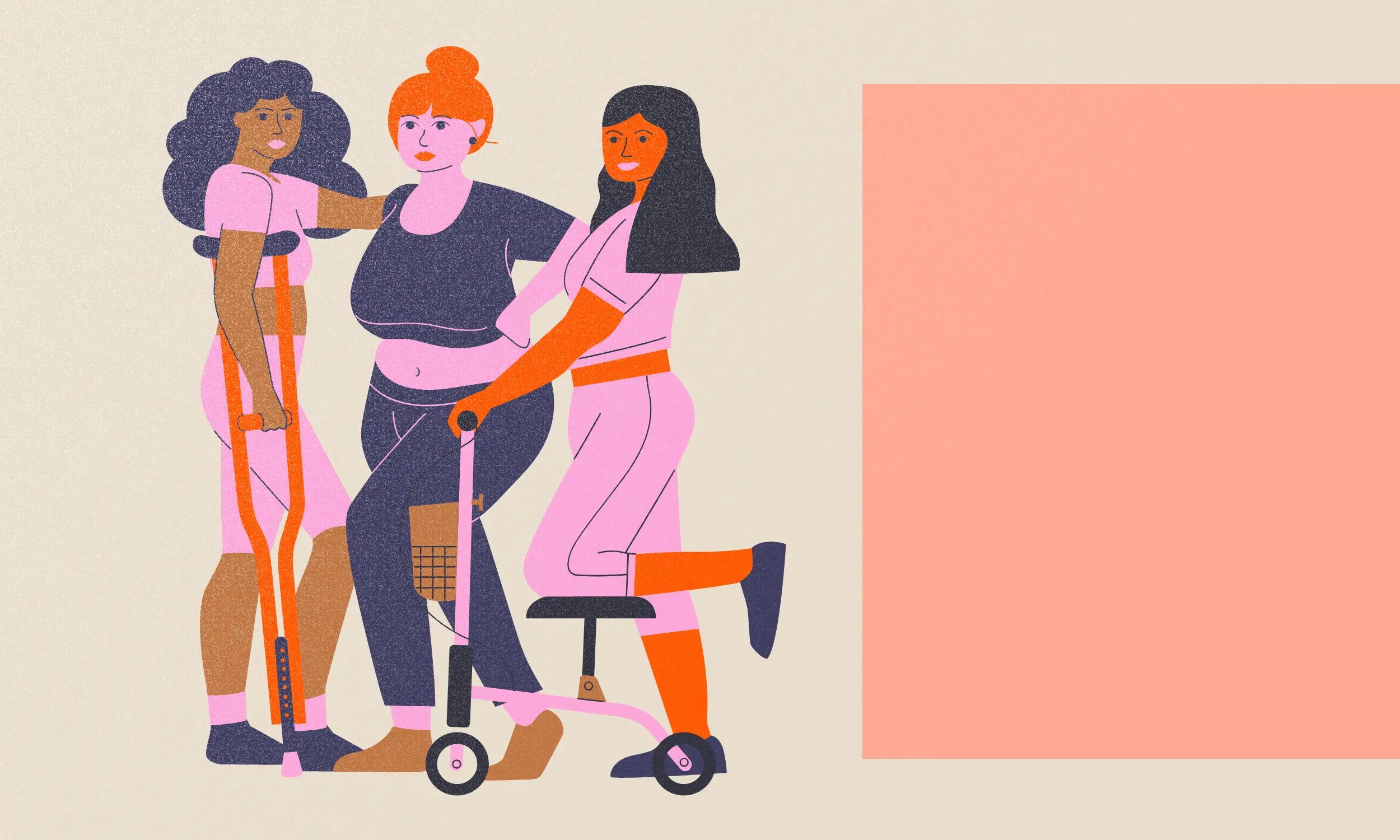
8 women who have changed research in women's health
Women's health has long been under-prioritized in research. Meet 8 pioneers who, despite resistance, have changed our knowledge of fertility, menstruation, and the female body.

The Health Gap: Why do we still know less about women's health?
For decades, medicine was tested on men. The result is called “the health gap” – a systematic gap in our knowledge of women’s health. Here’s the history, the consequences, and why it still affects...

What is sexy lingerie? Women, confidence and comfort over lace
What is sexy lingerie really like? We explore how comfort, confidence and security often mean more than lace – in women's own words.
Column: About desire and masturbation – told by a millennial girl
Read this honest, body-positive column about the path back to pleasure – from shame to self-acceptance.

We love landing in your inbox.
SAVE 12% ON YOUR FIRST ORDER
We write newsletters with the greatest care.
Filled with cycle knowledge, stories that make you curious, and little notes from our founder.
You will also be the first to receive news about launches, good discounts and upcoming events.