
Periods at work: How to create an inclusive culture
Hands up if you've experienced one or more of the following scenarios:
- Have you hidden pads or tampons in your sleeve to avoid outing yourself as having your period at work?
- Have you battled through menstrual pain to perform your job during your period?
- Or perhaps you've been in the middle of a PowerPoint presentation at a big meeting, feeling that you were about to bleed through?
We've got a full house here! If you can relate to even one of these situations, you are far from alone.
In most workplaces, menstruation is unfortunately still an overlooked aspect of working life. And that, even though a large portion of your colleagues have a menstrual cycle that affects them, for better or worse.
Menstruators juggling meetings, deadlines, KPIs, and demands can often feel like they are alone with their challenges. That's why we at Flow believe it's important to focus on how to create a more inclusive and supportive environment for all employees – whether they have a uterus or not.
The article was written by Emma Libner, updated by Cathrine Widunok Wichmand in 2026

Menstruation in the workplace – the invisible condition
In 2020, Djøf called menstruation the last taboo. That hits the nail on the head. In most workplaces, menstruation is still an overlooked – and often invisible – condition. This is paradoxical. Because a large proportion of your colleagues have a menstrual cycle that affects:
- energy
- concentration
- mood
- pain
Nevertheless, it is often expected that we work as if our bodies are the same every day. For many, this means:
🩸 Pushing oneself
🩸 Hiding one's needs
🩸 Dealing with it alone
And that is precisely what we need to change.
But menstruation is not just about the specific bleeding for 6-7 days. It's about a cycle that affects both the mind and body, including areas important for one's workplace:
- focus
- energy
- pace
Ignoring it is not effective.
Working with it is.
Menstruation and working life: Why it's important to talk about
When we talk about well-being, performance, and sustainable working lives, it doesn't make sense to ignore half of the population's biology.
Menstruation is not a "private problem."
It's a part of life, both private and public, that we all live – we menstruate 25% of the time for approximately 40 years. Even when we go to work.
At Flow, we believe that an inclusive work environment also includes menstruation. But how do you best achieve that?
When we feel safe, we will both deliver better results, and we create greater attachment and trust between the workplace and the employee.
Menstrual policy in the workplace – an important step towards inclusion
Menstruation is political. Several companies and countries have also started to take menstruation seriously.
Countries like Japan, Indonesia, Spain, and South Korea have introduced so-called "menstrual leave" – a type of leave or care days where employees can take time off during menstruation without using sick days.
The purpose is simple:
- To acknowledge pain and discomfort
- To create space for rest and recovery
- To remove stigma
Because let's be honest:
It doesn't make sense to "use" sick days for something that is a natural part of the body. It also has another very significant point: The number of sick days is a factor you are measured on in a workplace. So, if you have to take 1-2 sick days every month due to severe pain, for example, it can affect your employment, opportunities for advancement, and ultimately cost you your job.
Therefore, it is important to be able to distinguish between days off due to menstruation and days off due to illness.
At Flow: We see a more human approach to work
Even though we are a small company, we have, from the start, prioritized that our employees have the option to take a monthly care day in connection with their cycle.
Because: You cannot talk about well-being without also talking about the body. No questions are asked, and it also creates an open and trusting conversation in the office when you know you don't have to explain or feel guilty.
We believe that it doesn't make sense to talk about employee well-being without also including the conversation about menstruation at work. We can also conclude that it's not an option that is grossly abused or even used every month. But the option is there. Exactly as it should be.
How to create a menstruation-friendly workplace
As mentioned earlier, management can consider implementing policies that recognize and support employees during their menstruation.
An official and clear menstruation and menopause policy sends a clear signal: Your body is not a problem – it is a part of reality. For such a policy to have the desired effect, however, the workplace as a whole should ensure that all employees, regardless of their experience with menstruation, are educated and informed about menstruation, researchers point out.
But for it to work, it requires:
- information
- dialogue
- shared understanding
Otherwise, the opposite risks happening in the workplace: silence and taboo.
By creating a work environment that recognizes and supports menstruators throughout their cycle, we can create a more fair and inclusive workplace - or indeed, the world - for everyone. So let's break the taboo together and make menstruation at work something we talk about and actively manage in a positive and respectful way.
It's time to let periods and achievements go hand in hand in the workplace!
What should be included in a menstrual policy at a workplace?
Making the workplace more inclusive does not necessarily require major systemic changes.
Often, it starts with culture. With someone leading the way. Here are concrete measures that make a difference:
1. Open communication
No one should feel they have to hide their menstruation. When we dare to say out loud:
- “I'm in pain today”
- “My energy is low”
- "I need few distractions today, as my focus is challenged"
...we create space for each other. It is always voluntary to share – but never necessary to hide.
2. Flexibility in work
Flexible working hours and location are an advantage for everyone – but can be crucial for menstruators.
Employees should have the opportunity to adjust their workday by:
- working from home as needed
- flexible meeting times
- breaks during the day
- adjusting work tasks during periods of discomfort
It should not require a detailed explanation – “I need flexibility today” is enough. Especially during periods of:
- pain
- fatigue
- difficulty concentrating
3. Menstruation-friendly facilities
The physical environment matters more than you think. An inclusive workplace should have:
- access to menstrual products – without having to ask for them
- bins in toilets – so used products can be disposed of safely
- if possible, also a sink inside the toilets – so one can empty and rinse their cup in peace
- opportunity for breaks and rest – preferably in soft furniture
- opportunity for temperature regulation (relevant for hot flashes during menopause)
Small things – big difference.
4. Care days - not sick days
Employees should have the option of:
- up to X number of care days annually (or 1 day per month)
- using these without registering them as sick days
The purpose of this is to:
- prevent sick leave
- create security
- acknowledge the body's needs
5. Management's responsibility
As a manager, you also have a responsibility to:
- create a safe environment for dialogue
- respect individual needs
- avoid stigmatization or discrimination
- ensure flexibility in practice
A menstrual policy should never become something employees feel they are "burdening" the organization by using.
6. Information and knowledge
It should not be the individual employee's responsibility to educate the rest of the organization. If you truly want an inclusive work environment, then as a company you should offer:
- knowledge about menstruation and menopause
- e.g., workshops or internal presentations
- access to resources (articles, guides, experts)
The purpose is to create understanding – also among employees without personal experience with menstruation or menopause.
Security in everyday life – also at work
For many, a large part of the stress is not just about pain – but about the worry:
"Can others see it?"
"Am I bleeding through?"
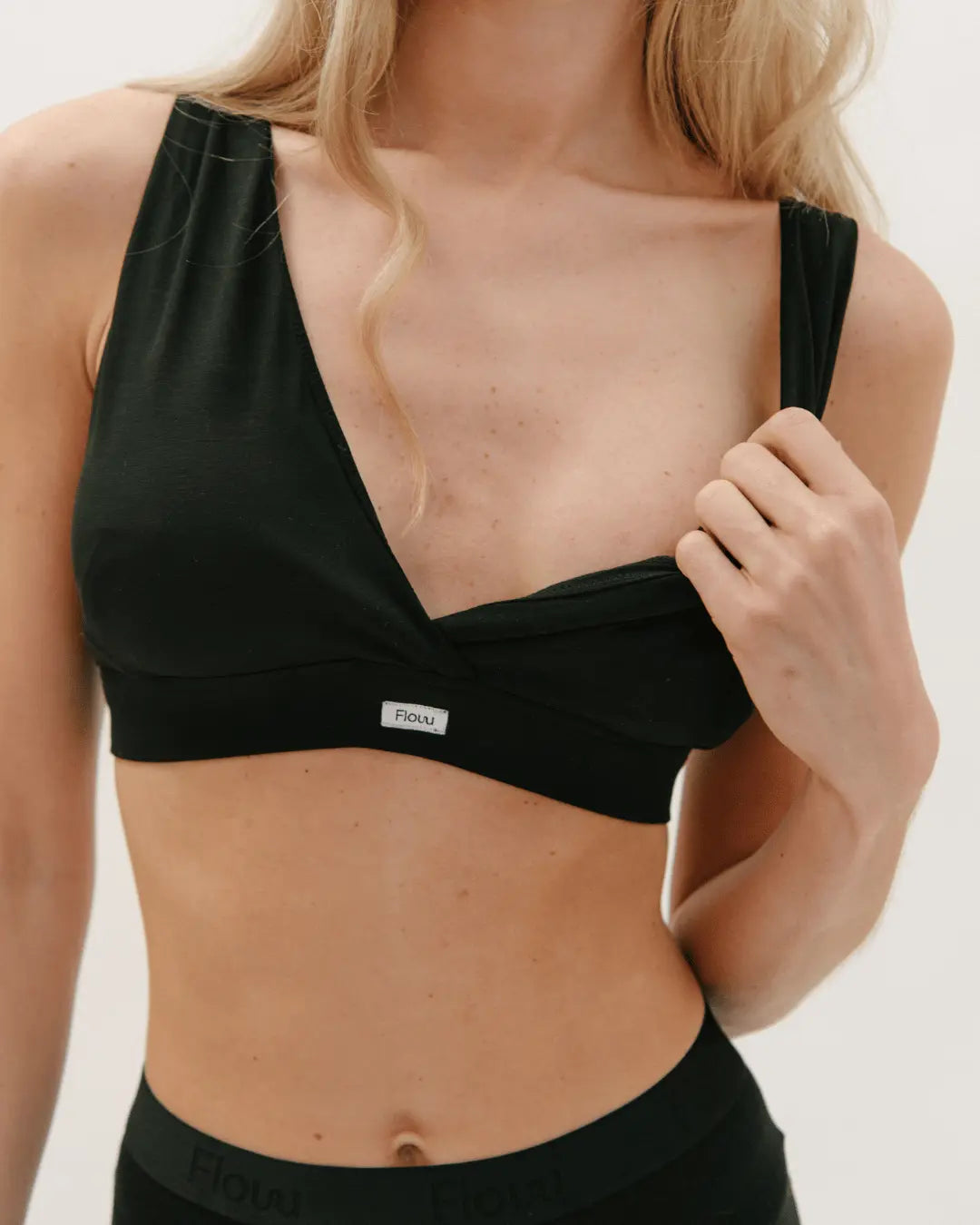
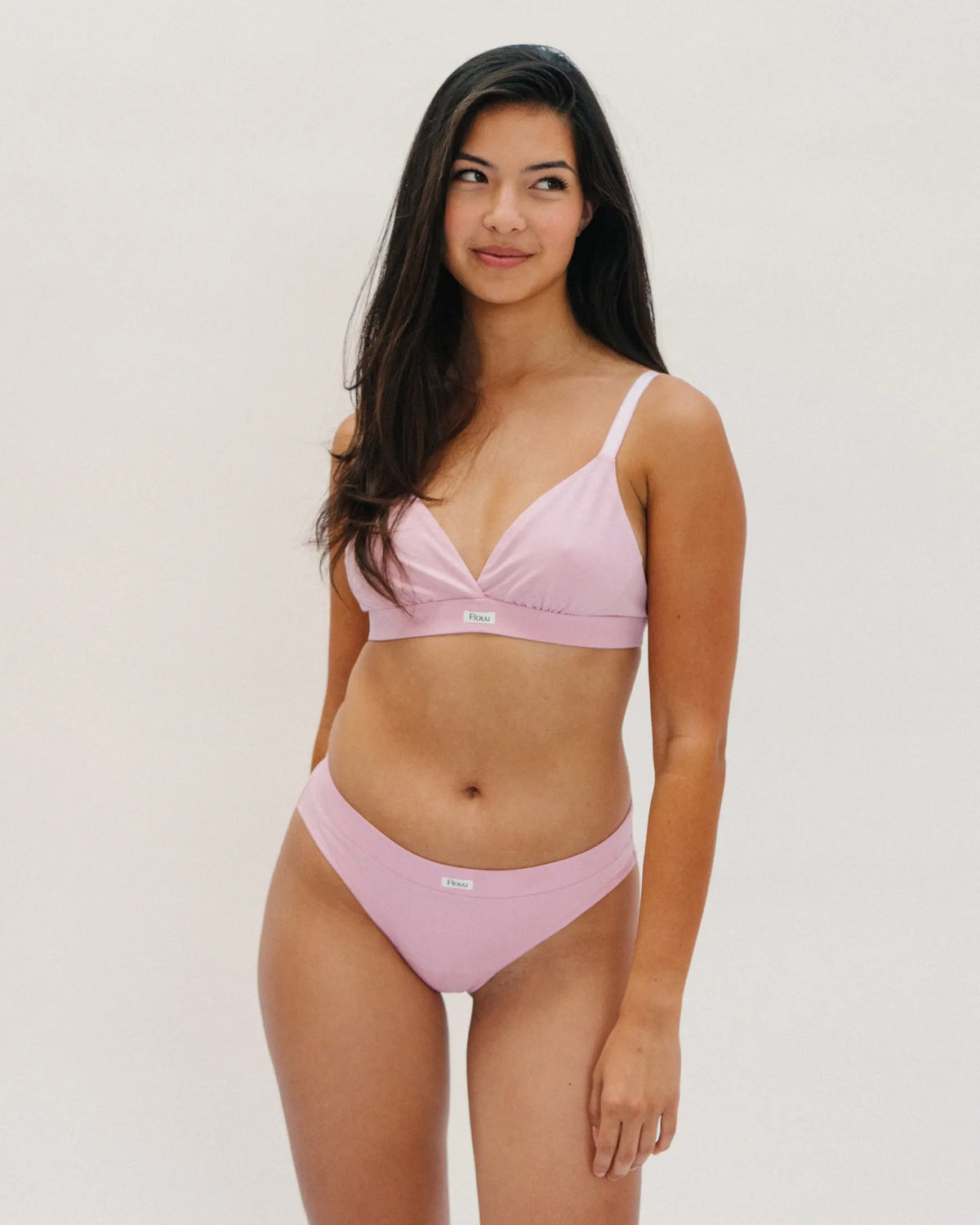
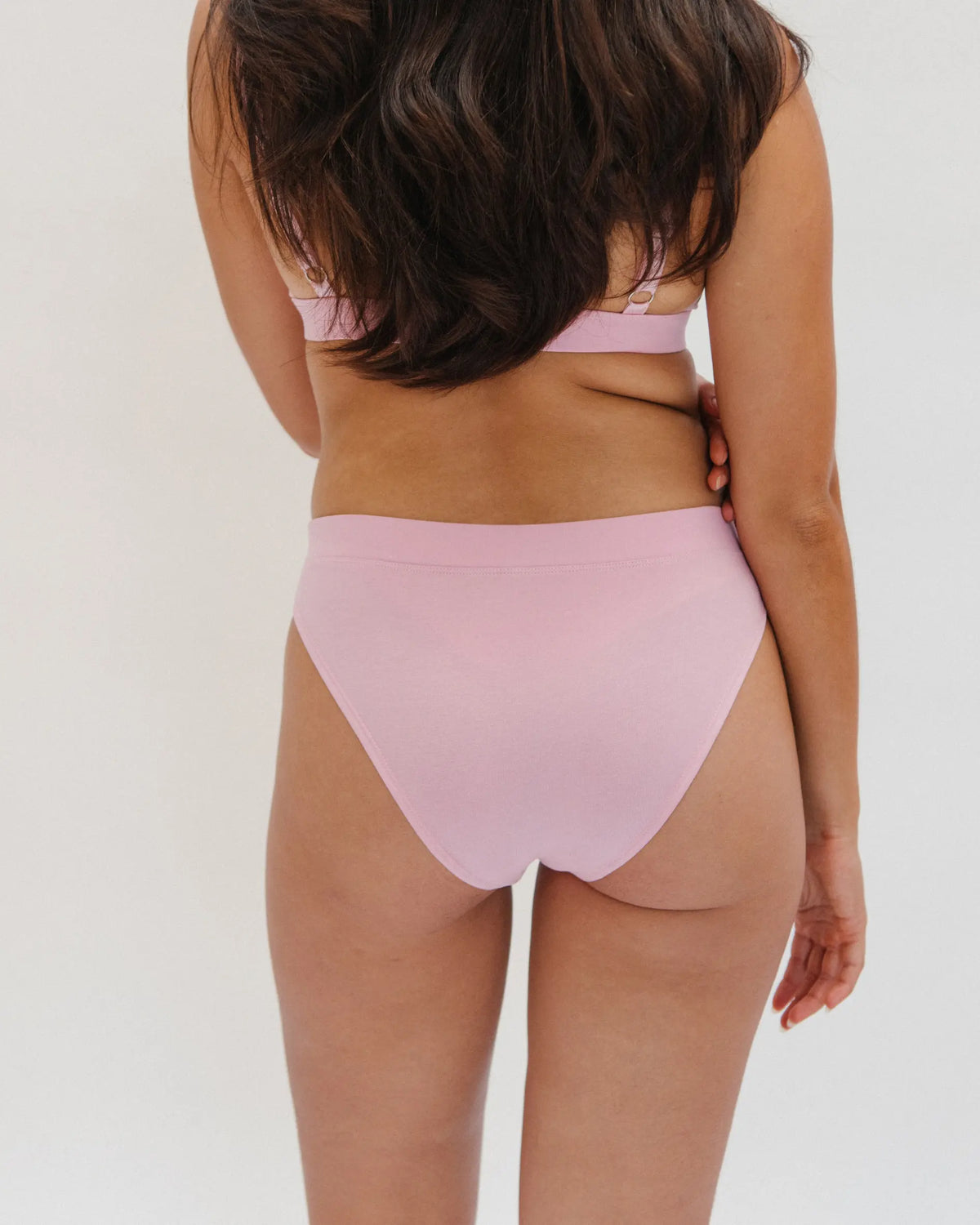
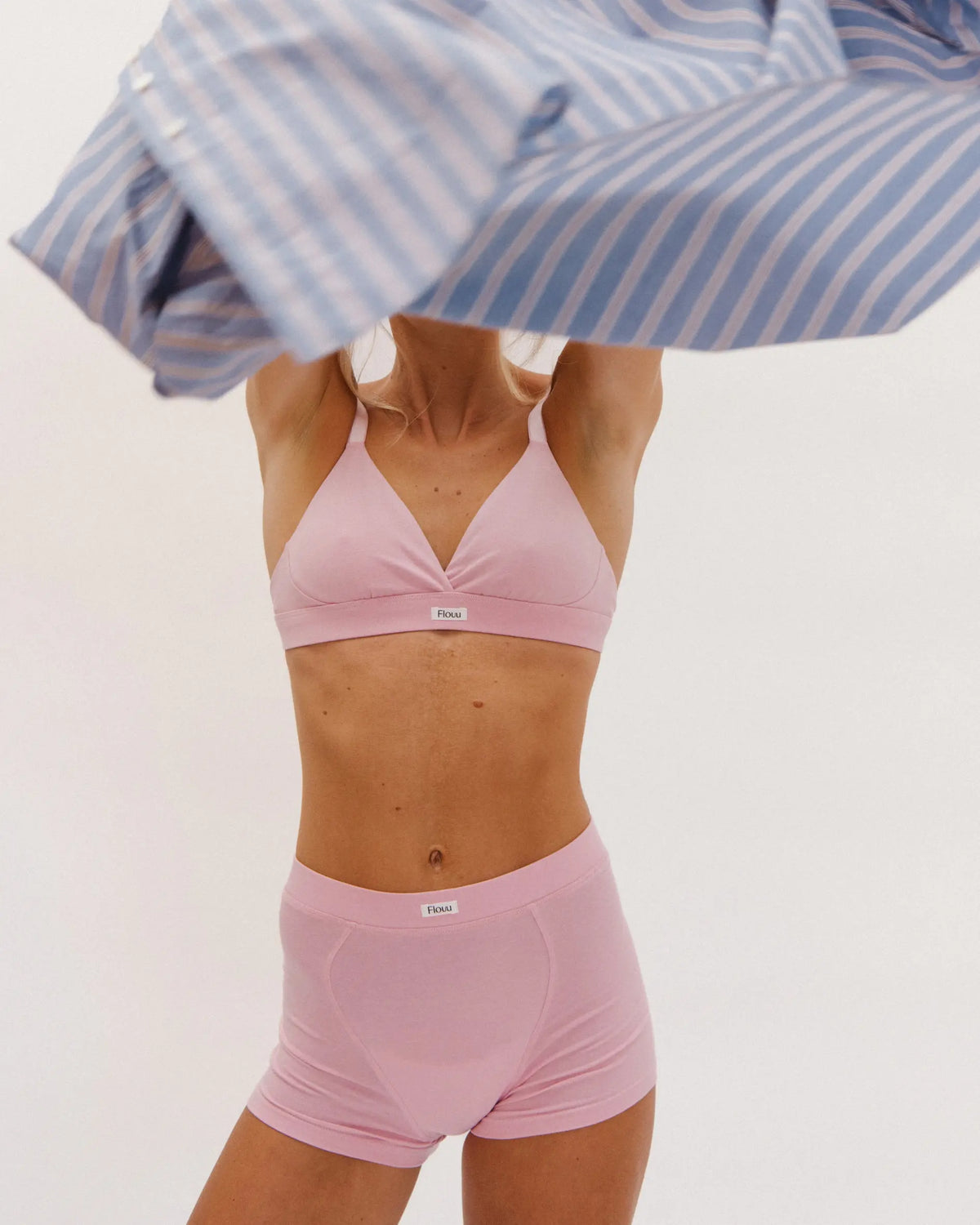
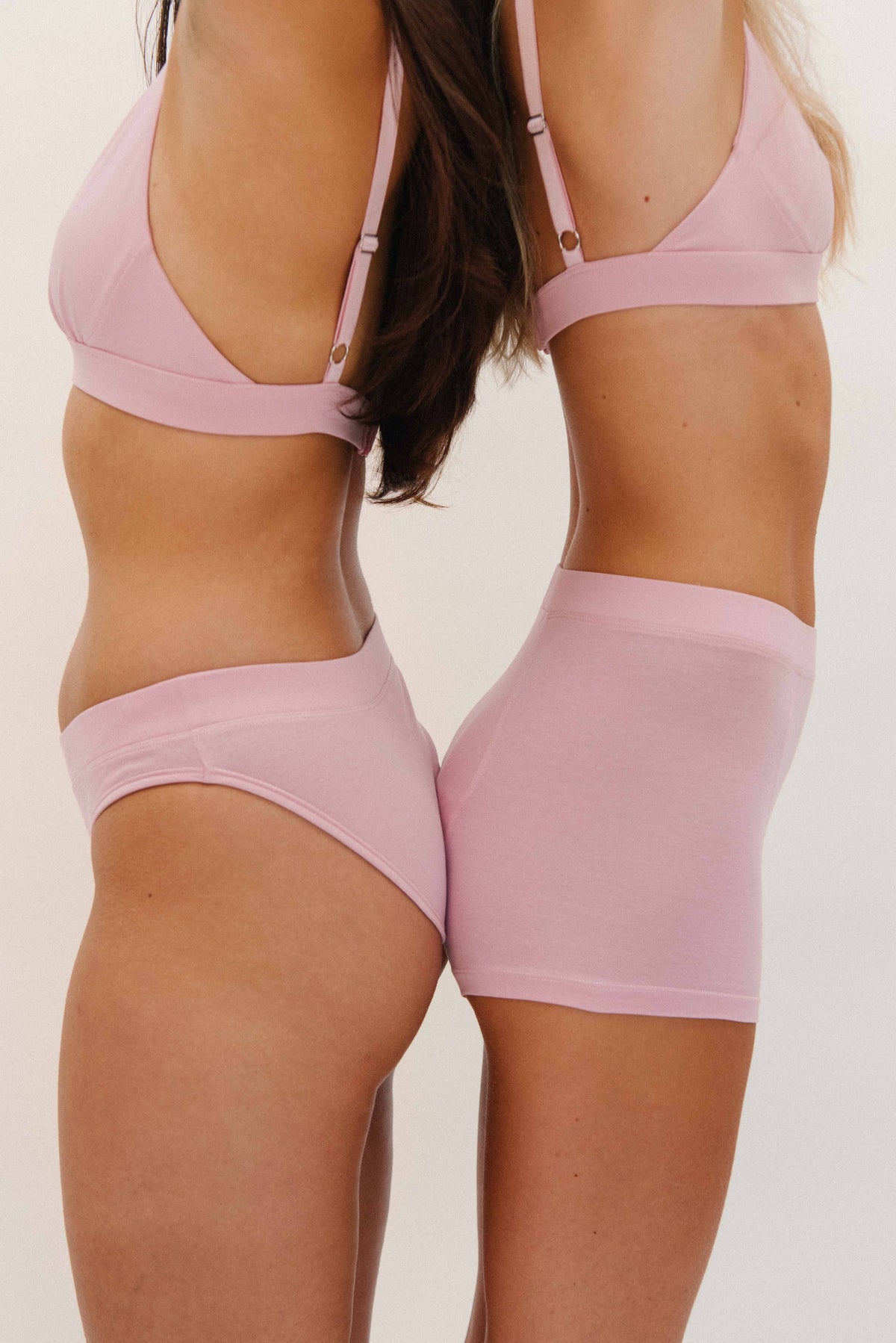
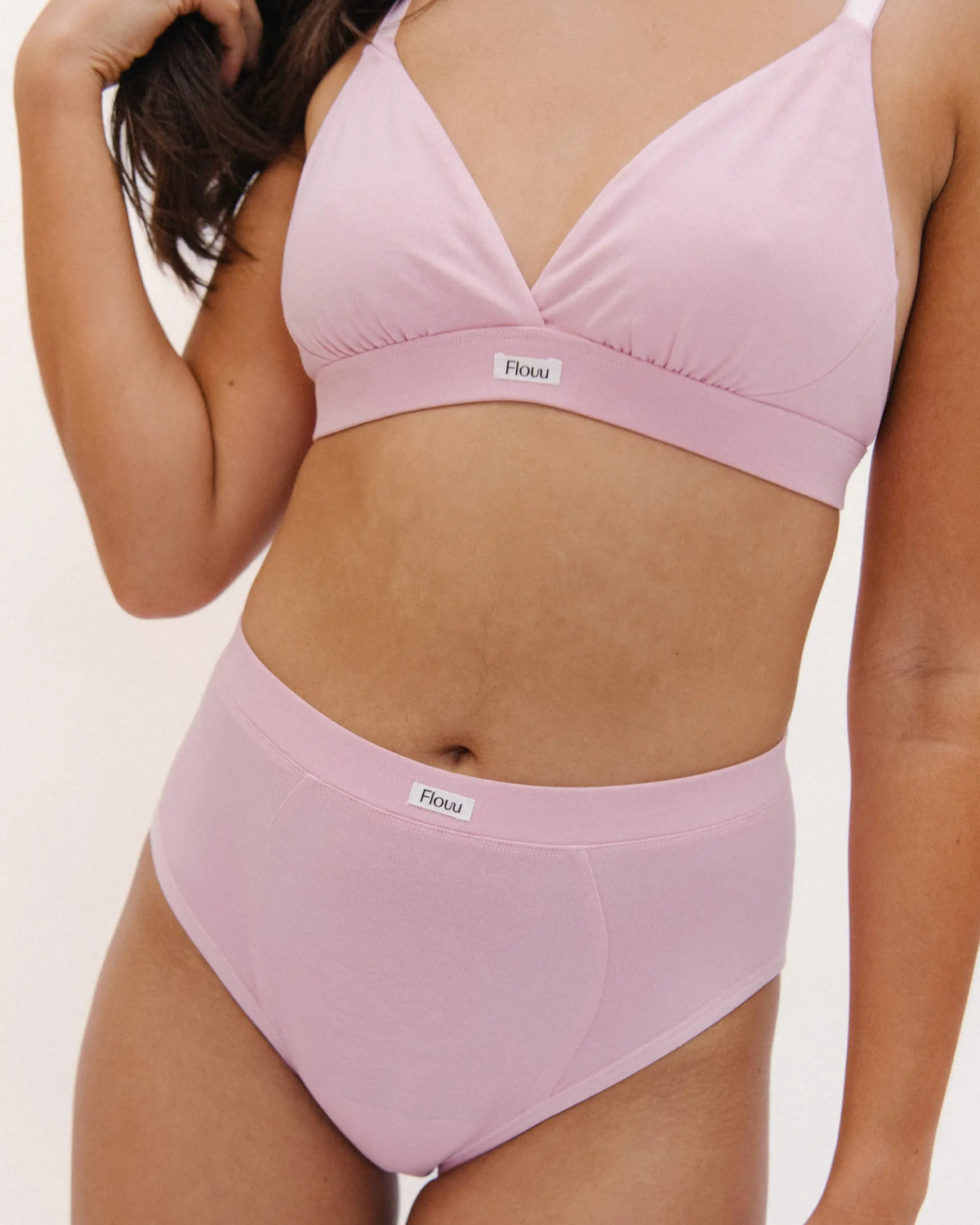
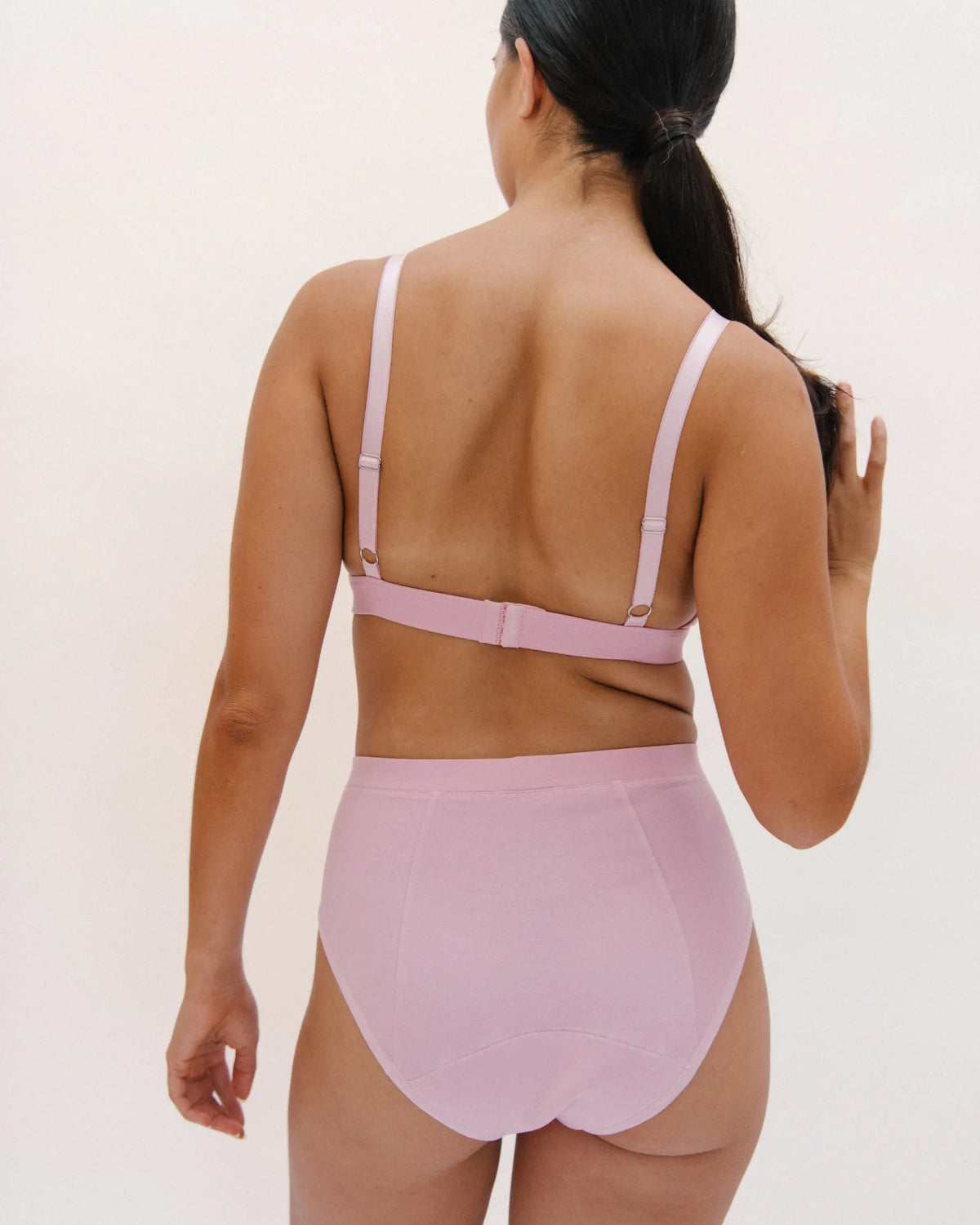
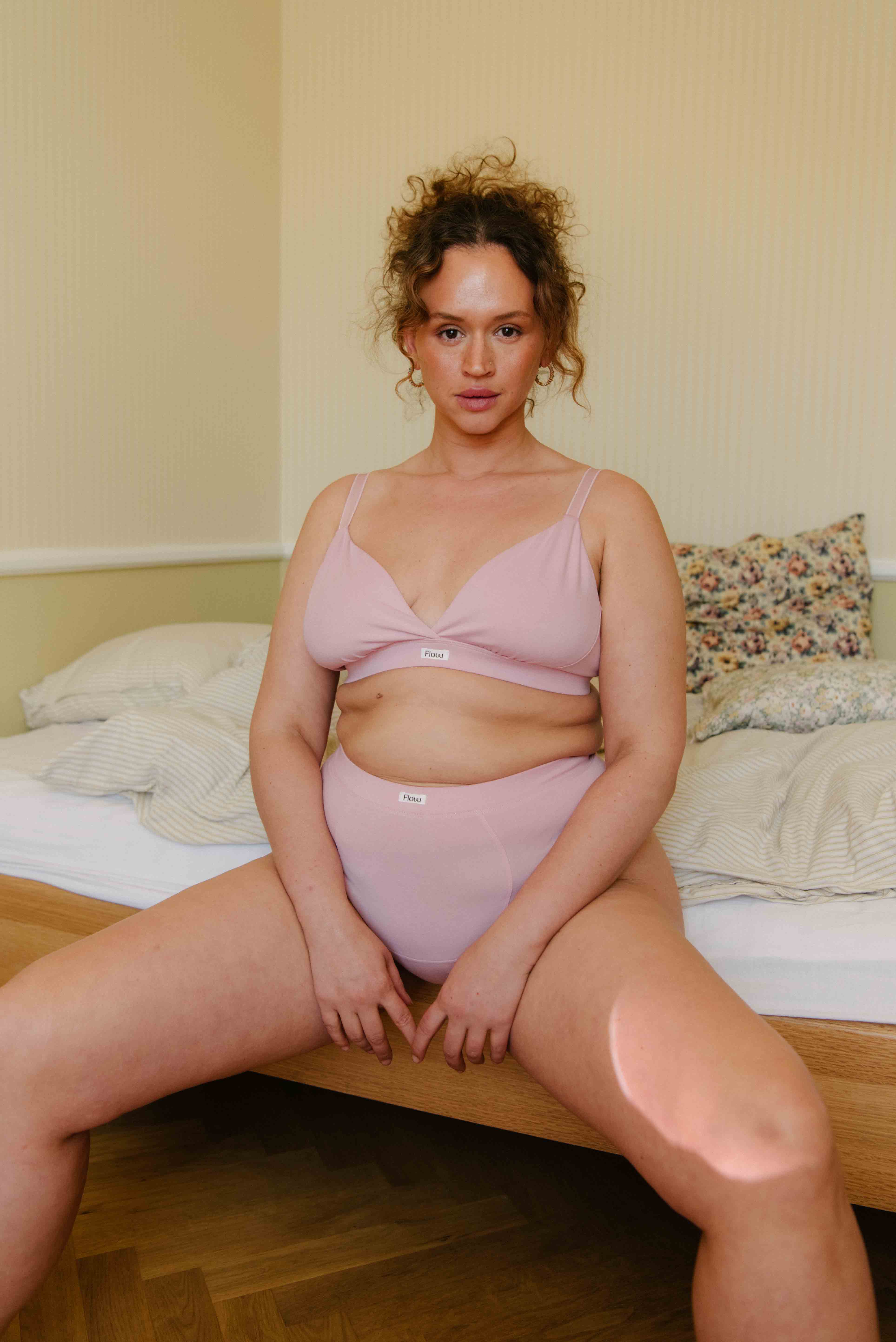
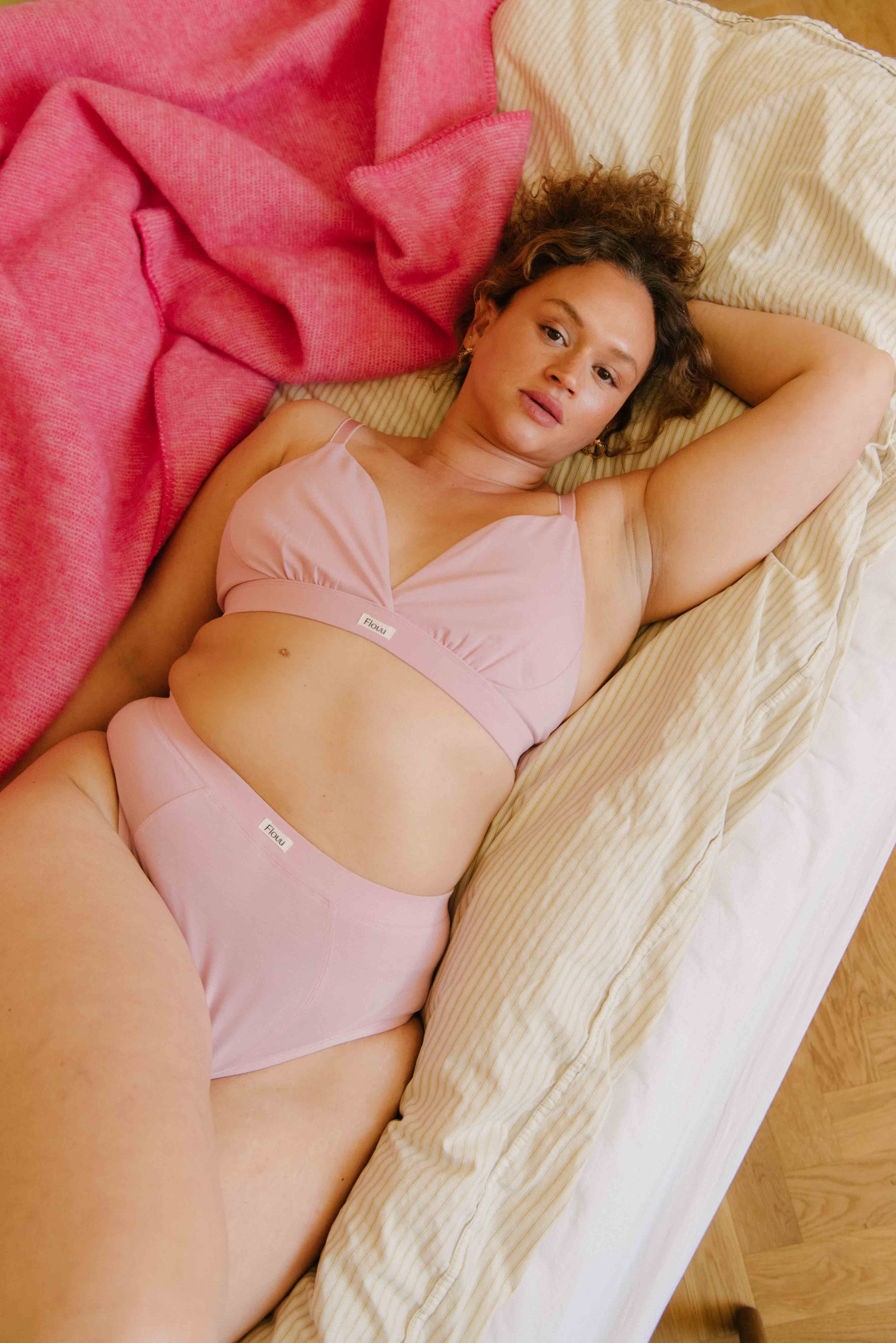
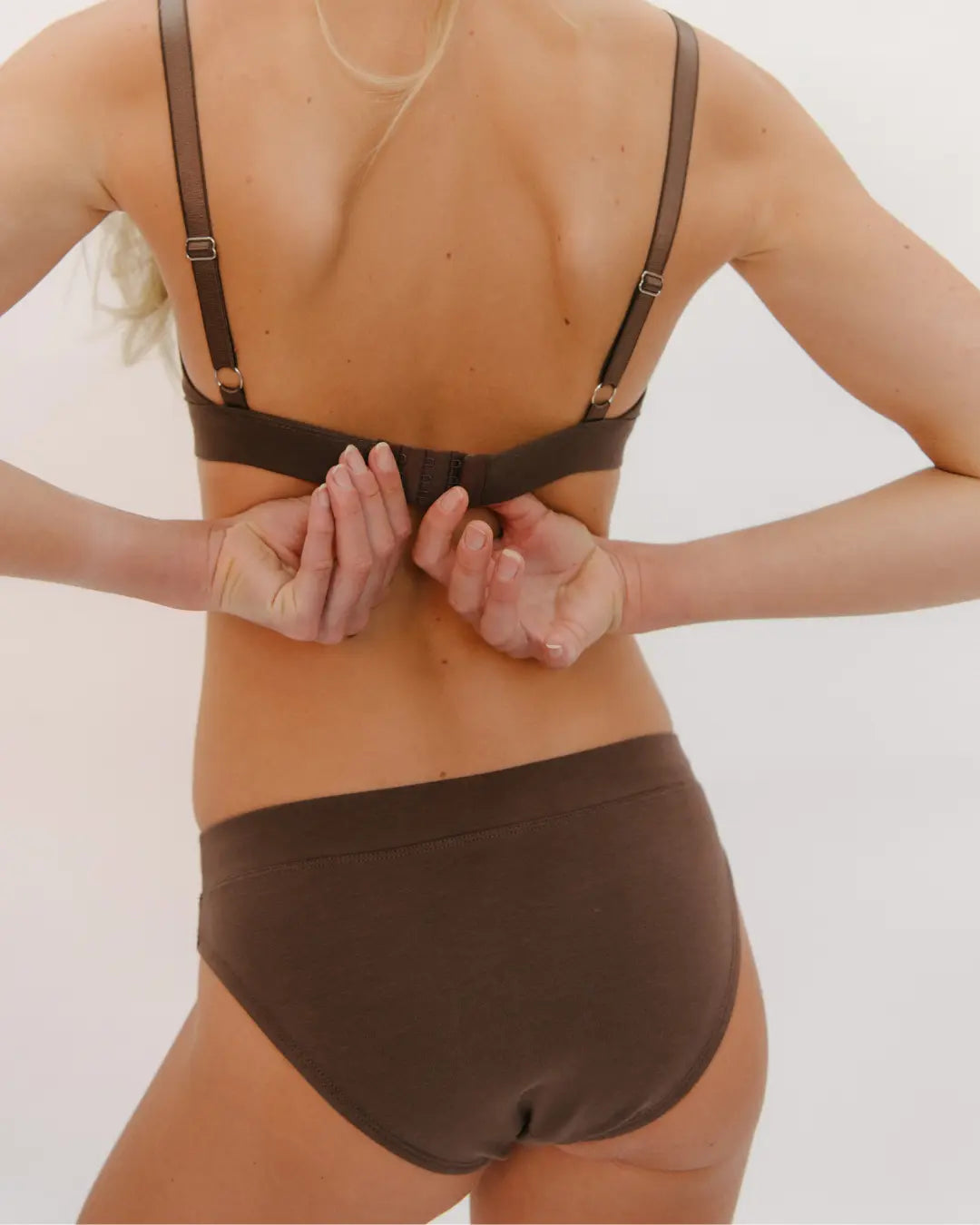
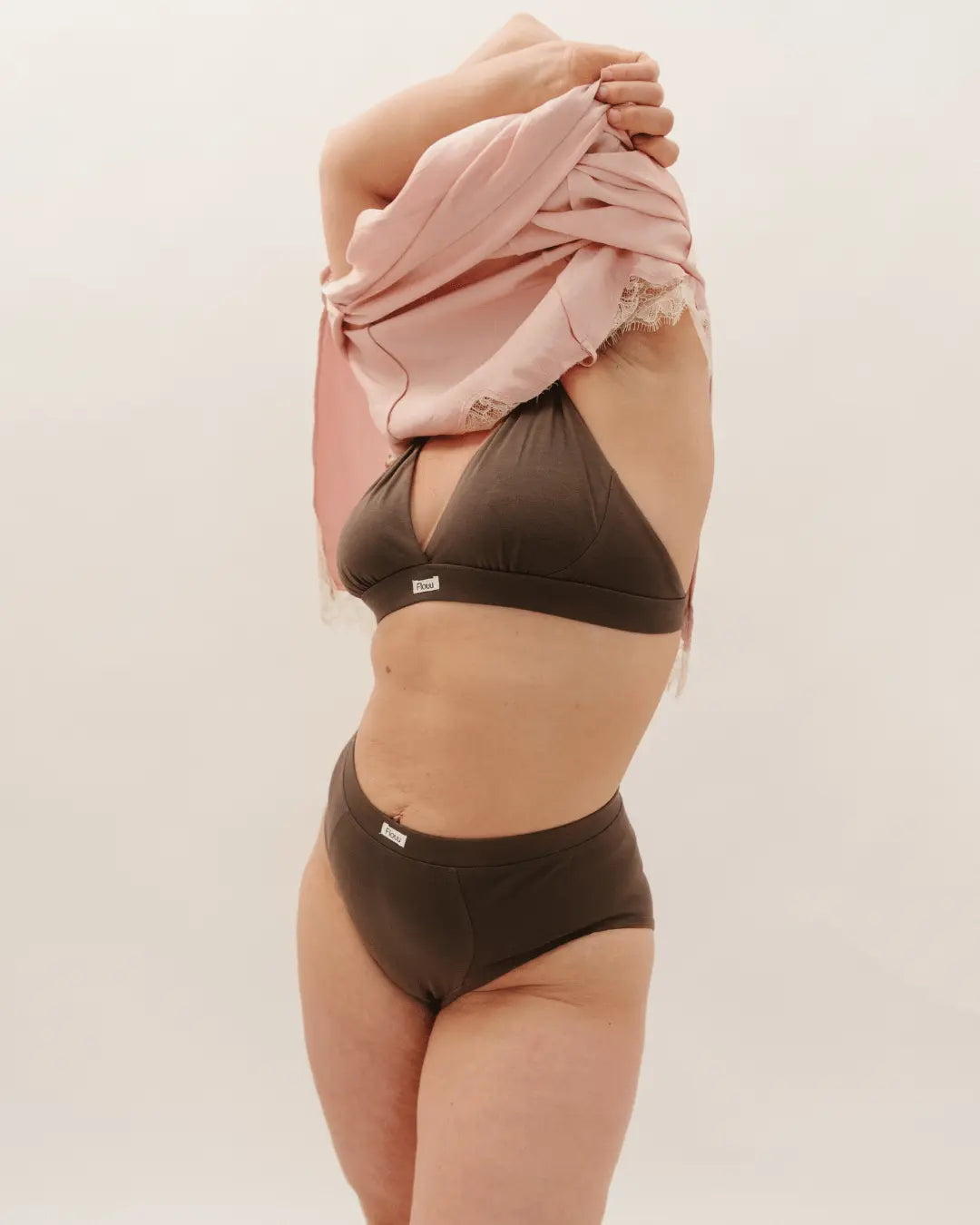
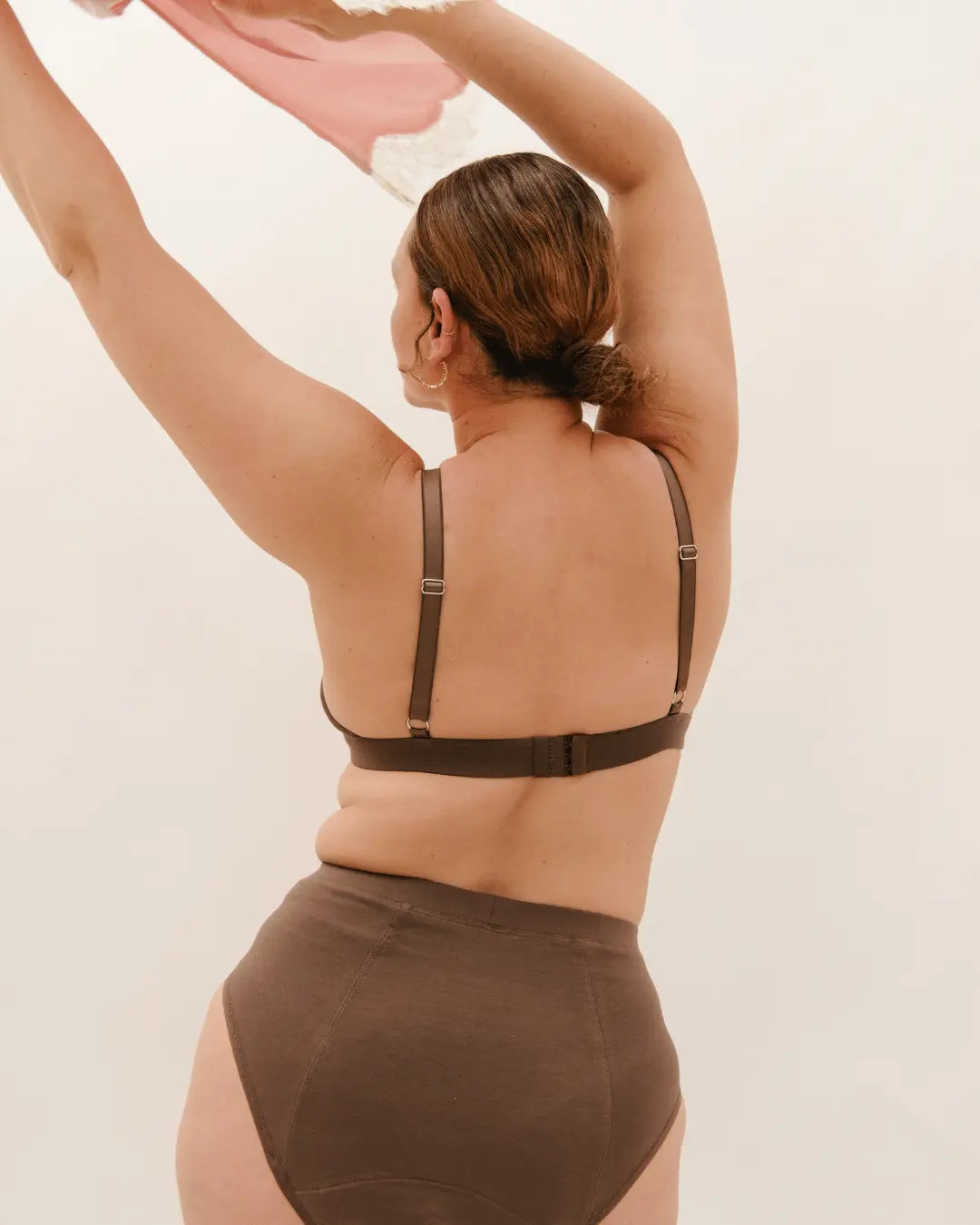
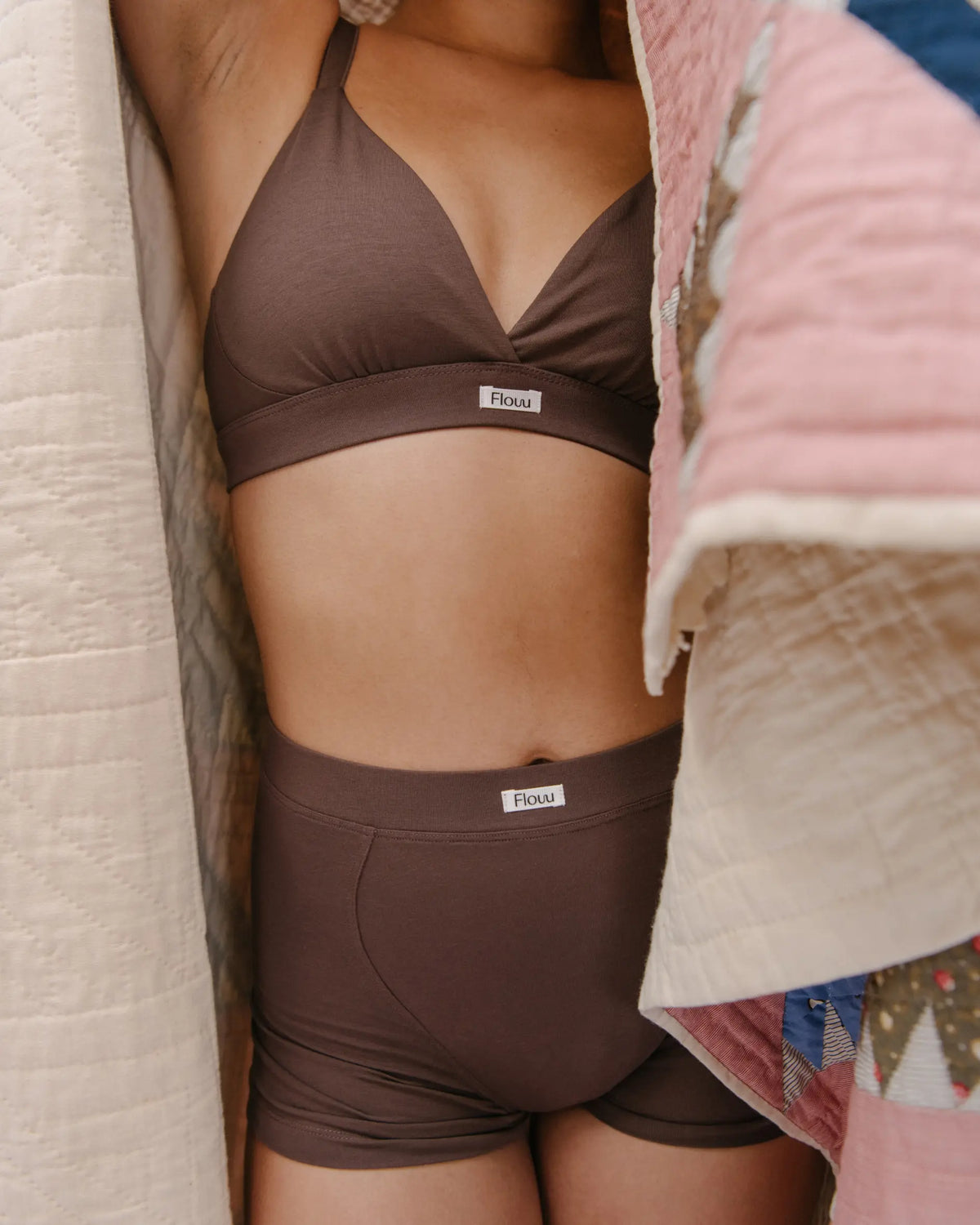
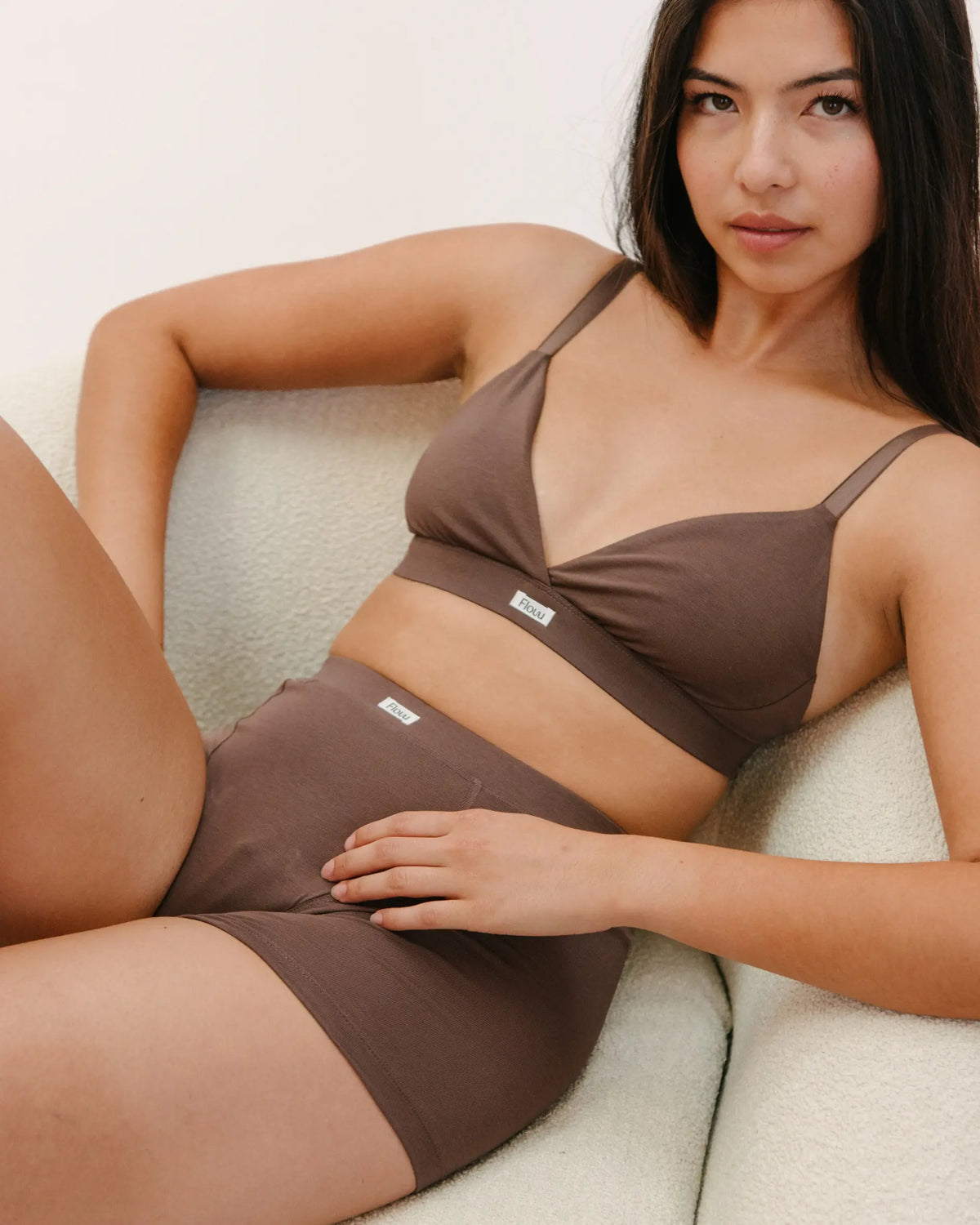
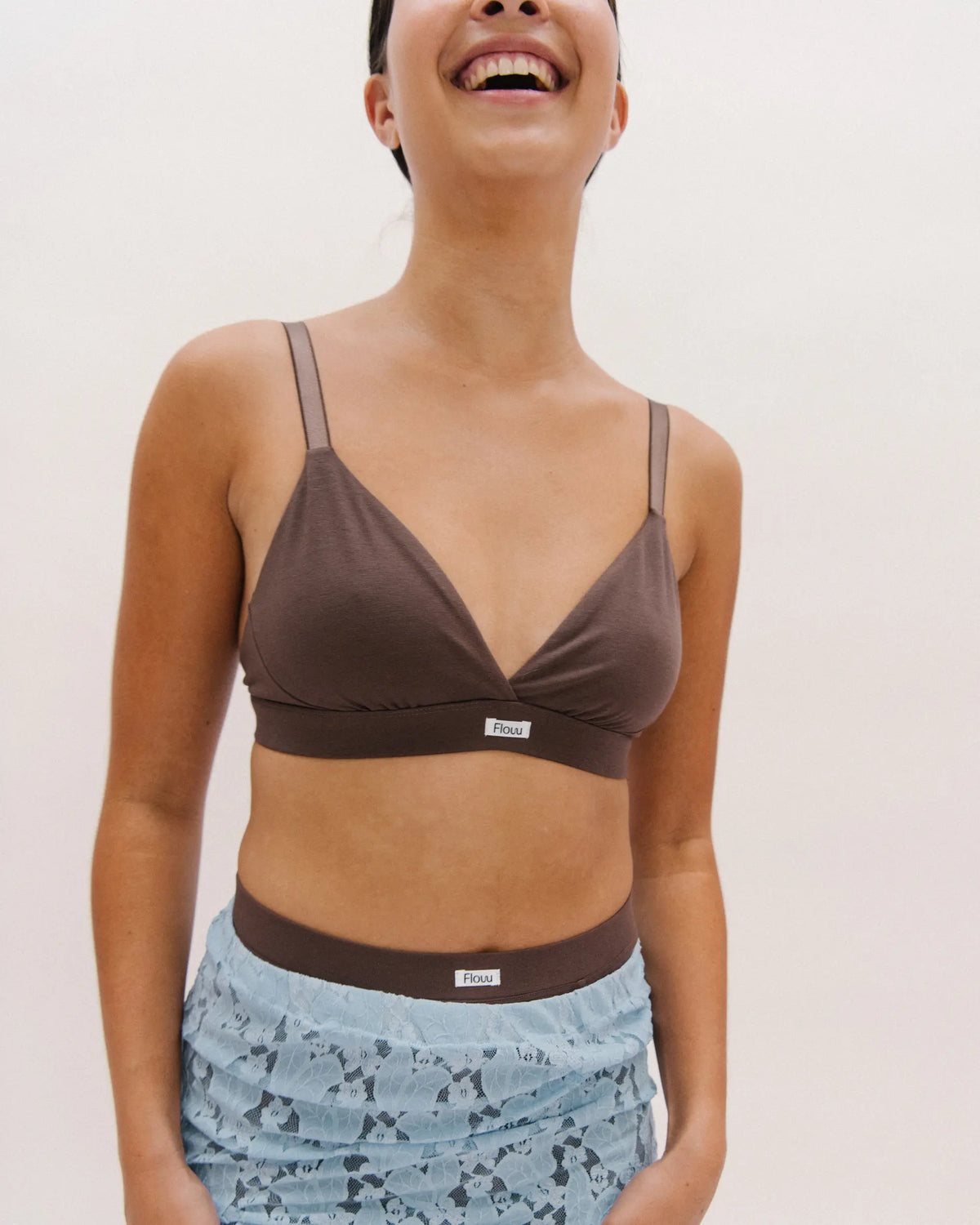
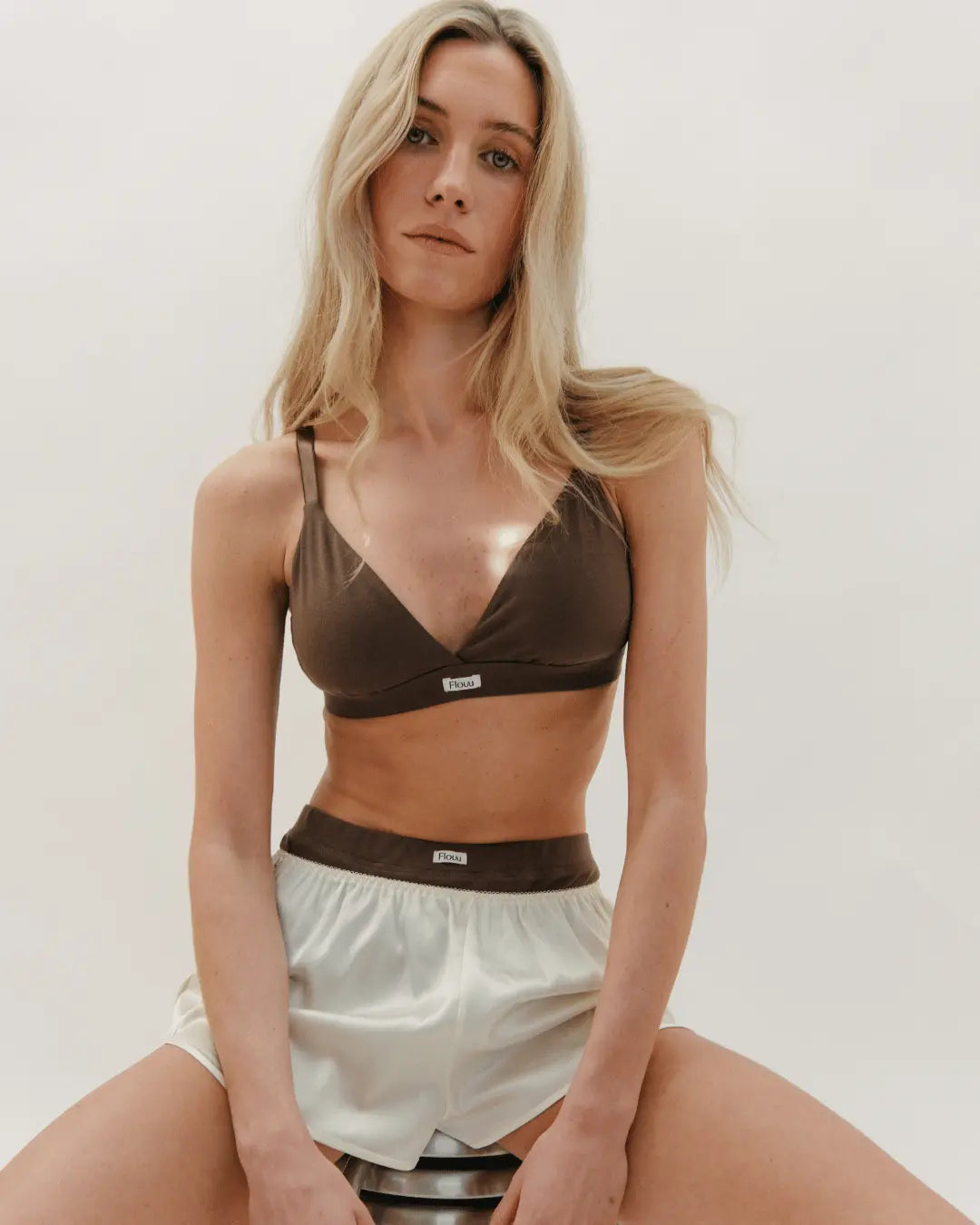
Here, the right products can make a real difference. The small kit that can be freely available in the toilet can include intimate wipes, pads, tampons, period underwear, or other options. Period underwear is for many a solution that:
- provides peace throughout the workday
- requires fewer changes
- feels like regular underwear
👉 See our selection of period underwear from Flow here.
To leaders and HR: It's your responsibility
If you are responsible for employees, menstruation is not an individual problem – it is part of the work environment.
Small changes can make a big difference:
- offer flexibility
- provide products in the toilet
- create a culture where the body is allowed to matter
It's not about special treatment – but about better performance, well-being, and retention. If we want to create modern, inclusive workplaces, it requires us to dare to have the conversations.
Even the somewhat bodily ones. And here, women are typically significantly more affected throughout life, all the way from menarche (first menstruation), to pregnancies, to postpartum, to perimenopause, and finally to menopause. Major hormonal changes along the way significantly affect the body.
But when you create space to talk about it, then:
- you increase well-being
- strengthen performance
- create better work environments
This leads to happy employees and a work culture you just have to be a part of.
Do you want to do something about it in your workplace?
At Flow, we work with companies that want to create more inclusive and modern work environments.
We help with, among other things:
- menstrual products for the workplace
- advice on policies
- presentations and workshops
Contact us here to learn more.
Briefly, to conclude:
Menstruation and career go hand in hand – whether we talk about it or not. So we might as well do it consciously and out loud:
- Menstruation affects the workday
- Openness creates better well-being
- Small changes can make a big difference
And perhaps most importantly: You don't just have to fit into the work – the work must also be able to accommodate you. All of you.

Sources:
The Palgrave Handbook of Critical Menstruation Studies - Rachel B. Levitt and Jessica L. Barnack-Tavlaris, 2020 (source)
The last taboo - Djøf (Source)