Can you take a winter bath during menstruation? Guide to cold plunge and your cycle
Winter swimming is everywhere right now - and has actually been for a few seasons.
It has become meme material on social media, a regular feature on the TV news and – according to both Tinder and Bumble – something more and more people are mentioning as an ideal first date.
According to DR, the number of members in Danish winter swimming clubs has increased from around 27,000 to almost 88,000 in just ten years.
For some it's a hobby. For others a lifestyle.
A quick dip in ice-cold water, perhaps followed by a trip to the sauna, and then out again with red cheeks and a feeling of well-being in your body.
👉 Read: Sauna and menstruation - research, benefits and good tips.
But if you're menstruating, you may have asked yourself a completely different question:
Is it really okay to take a winter bath when you're bleeding?
The short answer is yes. You can winter swim during your period.
But there are a few things worth knowing first – both about the body, the cold, and how women actually react to cold plunge.
written by journalism student Sarah Majgaard, edited by Cathrine Widunok Wichmand

The research into the effect of winter bathing
Winter bathing or cold exposure is a wonderful hobby for some, but it is also used for:
-
To support metabolism, mitochondrial function, mood and the neuroendocrine system.
-
To reduce inflammation, soreness and muscle damage after training or competition.
Susanna Søberg, a former nurse and PhD in metabolism, worked for several years on treating lifestyle diseases that patients are at increased risk for when they have inflammation in the body.
In her research, she found that winter bathing (short intervals of 2–5 minutes in water at 14–15°C) has a health-promoting effect. When the body is exposed to cold, the so-called brown fat is activated, which produces heat and increases energy consumption.
If the winter bathing is repeated several times, the efficiency of the brown fat will increase, the metabolism will be made more efficient, and it will reduce or eliminate inflammation.
👉 Read: 9 myths and facts about bathing and menstruation.
Søberg's research shows that winter swimming can help prevent a wide range of lifestyle diseases and mental disorders because it reduces inflammation in the body.
But there are several studies that show the potential of winter swimming. Winter swimming can:
-
Strengthen the immune system
Several studies believe that the body secretes more white blood cells during winter swimming, which activates the immune system. A study from Radboud University has shown up to 40% fewer sick days among people who regularly end their bath with cold water. -
Lower blood pressure
Studies have documented lower blood pressure in some winter bathers during the winter season. This may be due to the contraction of blood vessels, which can be compared to exercise. This is also why menstrual flow decreases slightly when you hit the water. However, it is recommended to avoid if you already have high blood pressure, as it can worsen it. -
Improve mental health
Several studies, like Søberg's study, have documented a positive effect on severely depressed people who go winter swimming. This may be due, among other things, to the body secreting more happiness hormones, such as dopamine and endorphins, during the cold shock.
👉 Read more about PMS
👉 Read more about PMDD -
Prevent lifestyle diseases
Søberg's study is not the only one to document the preventive effect of regular winter swimming on lifestyle diseases such as type 2 diabetes, cardiovascular disease and obesity.
British researchers describe in a study from 2024 that winter bathing has positive effects on women suffering from symptoms during menopause, also called perimenopause. The results showed, among other things, that winter bathing for women in perimenopause could mean:
-
Improving mood
-
Reduction of anxiety and restlessness
-
Reduction of physical symptoms such as hot flashes and pain in muscles and joints
-
Better sleep
The participants in the study also believed that winter swimming contributed to feelings of calm and better mood, a sense of community and togetherness, and overall better health.
👉 Would you also like to sleep better? Here are 7 tips for better sleep.
Menstruation and winter bathing
Let's get to it - how does winter bathing affect menstruation? British studies indicate that regular winter bathing can:
-
Reduce the amount of bleeding itself
-
Relieve pain
-
Reduce inflammation in the body
It suggests that women who regularly winter bathe experience greatly reduced symptoms during their periods. Over 1,100 women reported reduced anxiety (46.7%), fewer mood swings (37.7%), and less irritability (37.6%), as well as less physical pain.
Study participants often used winter bathing to manage their symptoms during menstruation and to enhance their overall well-being.
Another side effect of winter bathing during menstruation is that the amount of bleeding itself is temporarily reduced, as the blood vessels briefly contract in response to the cold, but this does not stop the bleeding.
However, in 2025, American exercise physiologist, nutritionist, and author Stacy Sims went out of her way to nuance the recommendations specifically for women. She says that men and women react significantly differently to cold, in terms of the autonomic nervous system and body temperature regulation.
Women's metabolism and core temperature are affected by estrogen and progesterone, which fluctuate naturally throughout the menstrual cycle.
She points to research that shows that in women, blood vessels constrict to a greater extent, thereby reducing blood flow to the skin, and that women's core temperature drops more significantly in cold water. Especially in the luteal phase, when progesterone levels are high. This means in all its simplicity: Women are more sensitive to cold stress.
When women are exposed to freezing temperatures, the neuroendocrine system responds with a sharp increase in, among other things, the stress hormone cortisol, and over time it can disrupt the menstrual cycle, suppress thyroid function (which affects metabolism, among other things), and impair the body's recovery.
The exact opposite of what you would otherwise expect.
How is winter swimming best for women?
If you are sitting here confused, we understand. Is it good for the body or not good for the body? So the key to achieving all the benefits of winter swimming is the right dosage. Stacy Sims suggests a separate recommendation for women, “we are not little men”. Her recommendation for women is:
To achieve overall health and metabolic benefits:
-
Water temperature: 14-15 degrees
-
Duration: Short dips of 2-5 minutes
-
Frequency: 3-4 times a week.
-
Time: Preferably in the morning or after sauna, avoid directly after strength training.
As recovery after competitions or hard strength training:
-
Water temperature: 10-12 degrees
-
Duration: Up to 10 minutes
-
Time: Within two hours after intense exercise
-
Frequency: Not daily.
For pain relief during ovulation or endometriosis:
-
Local cold exposure, e.g. cold compress or partial exposure in cold water, e.g. the part of the body that hurts
-
Duration: Short and targeted
Temperature and duration in the water are two important components in Sim's recommendation, but also in Søeberg's research. It's worth keeping in mind before you take the plunge.
👉 What is endometriosis and how does it affect the body? Read the article here.
Which menstrual product is best for winter bathing?
The next step is of course the practical part - what is the best way to bathe when you are on your period? You need a menstrual product.
Menstrual swimwear
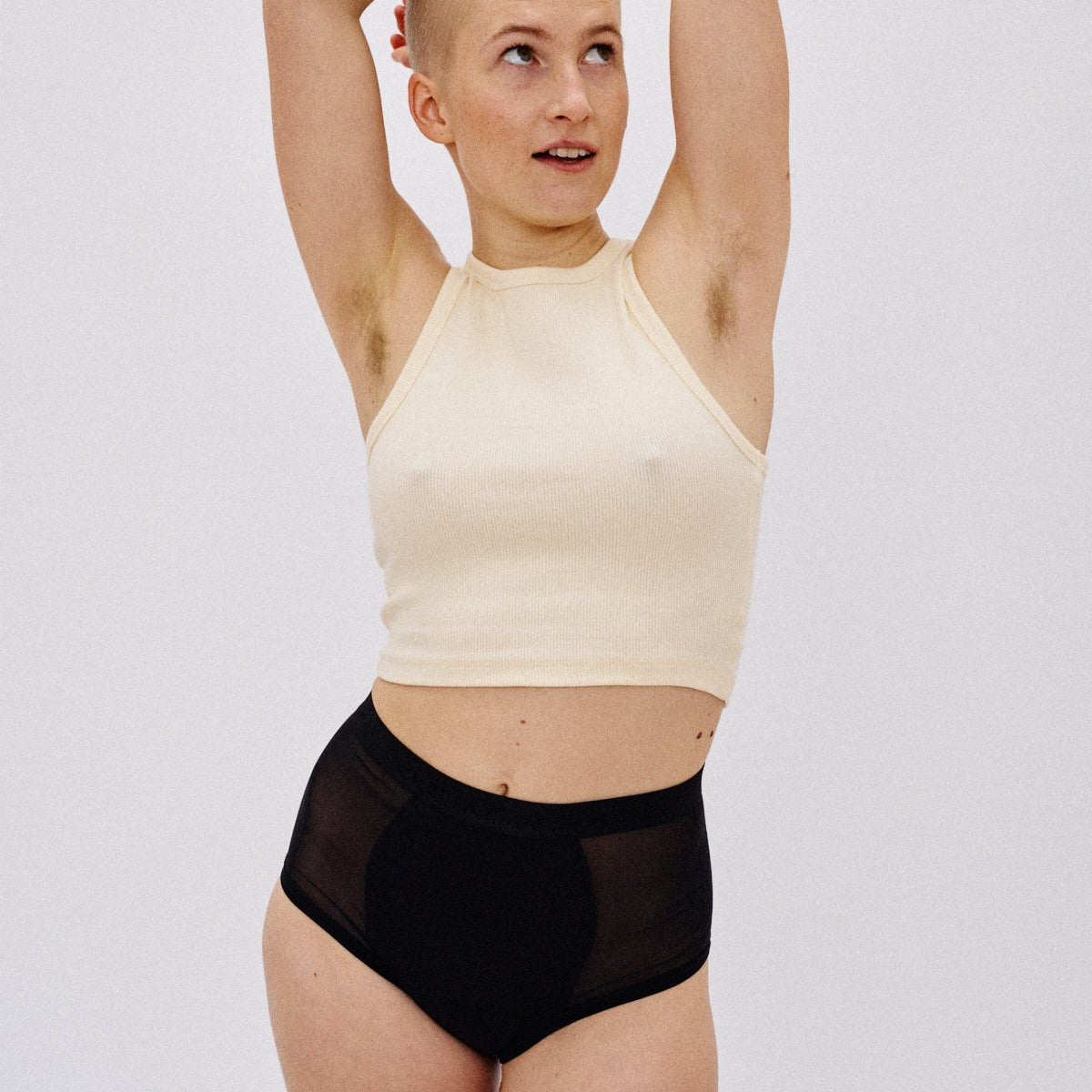
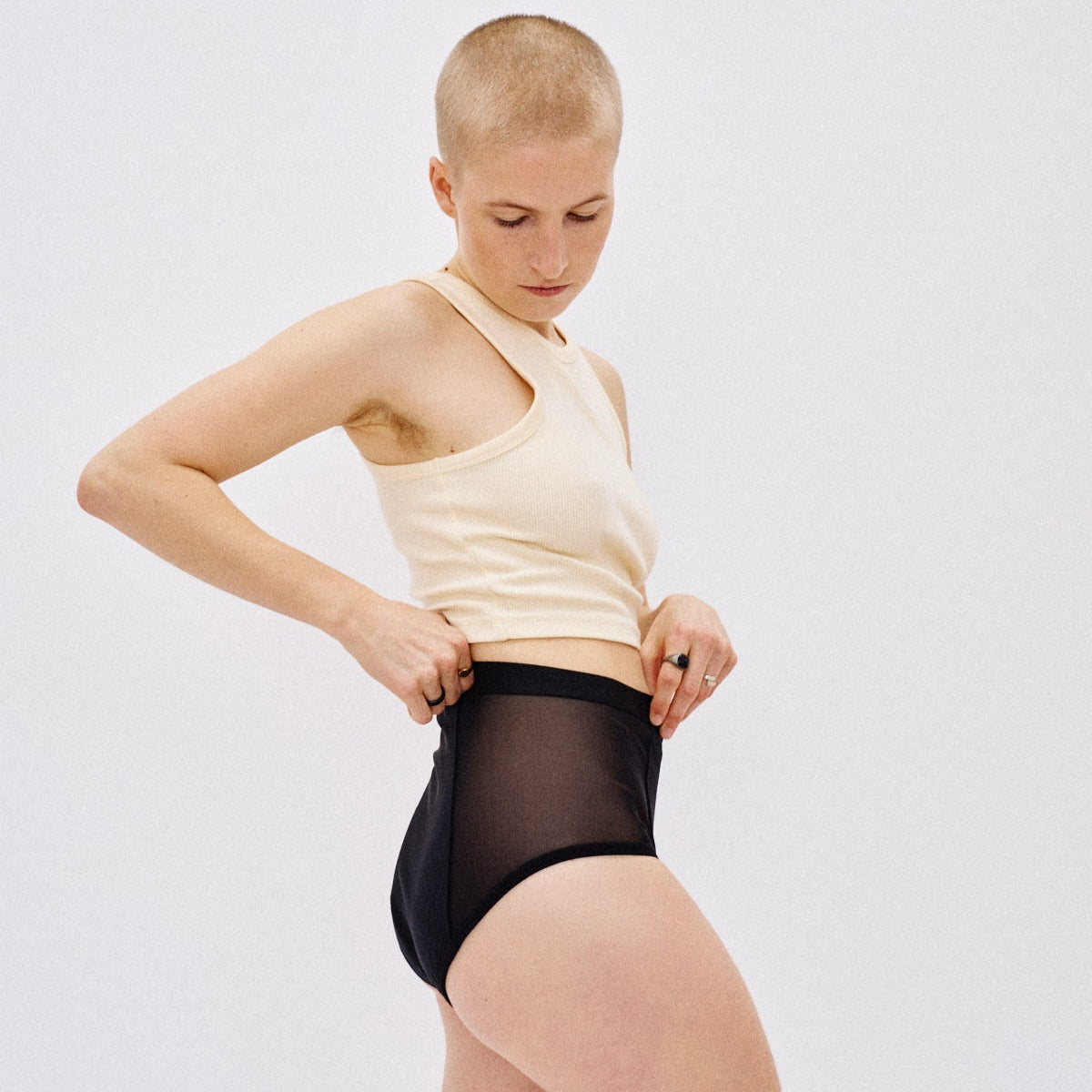
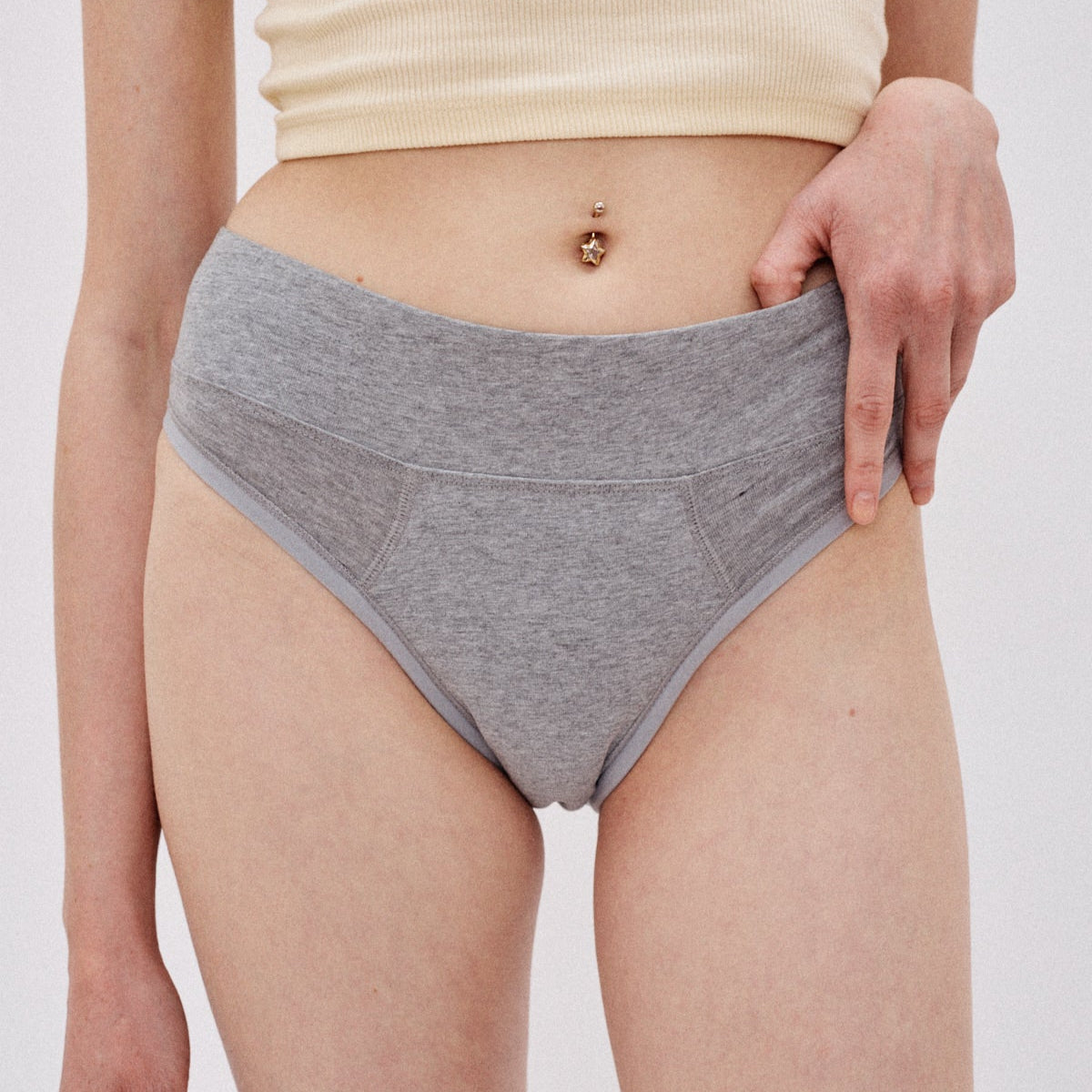
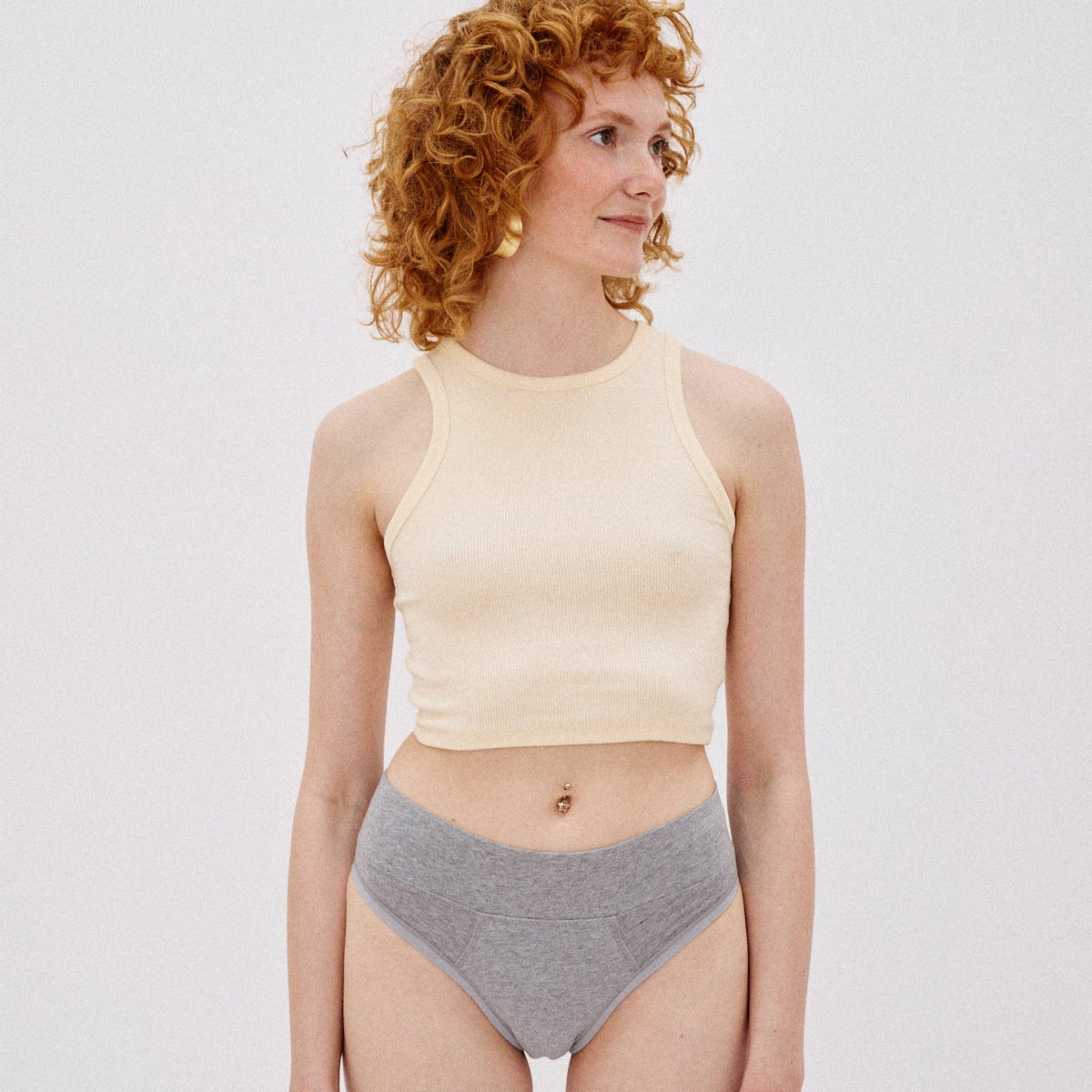
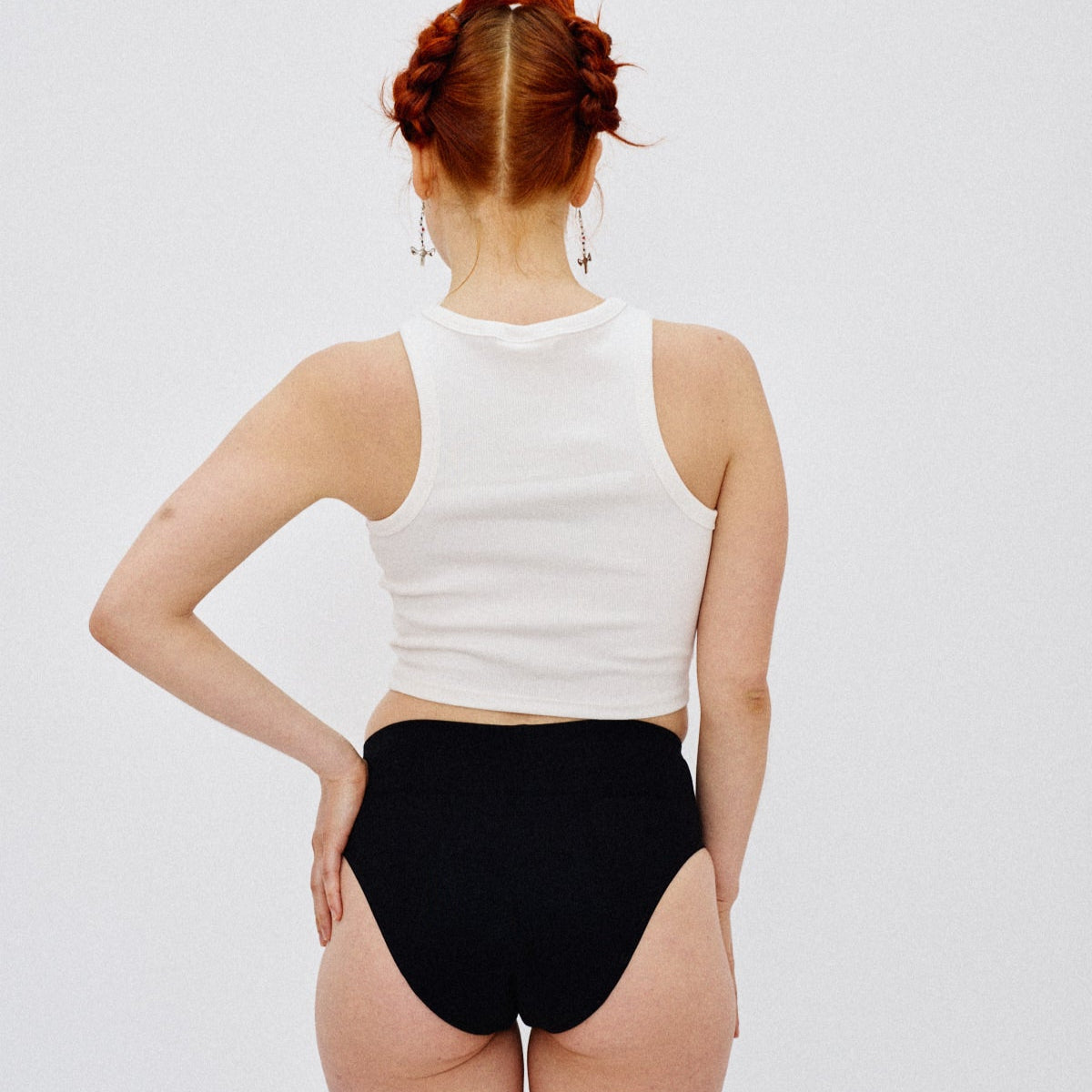
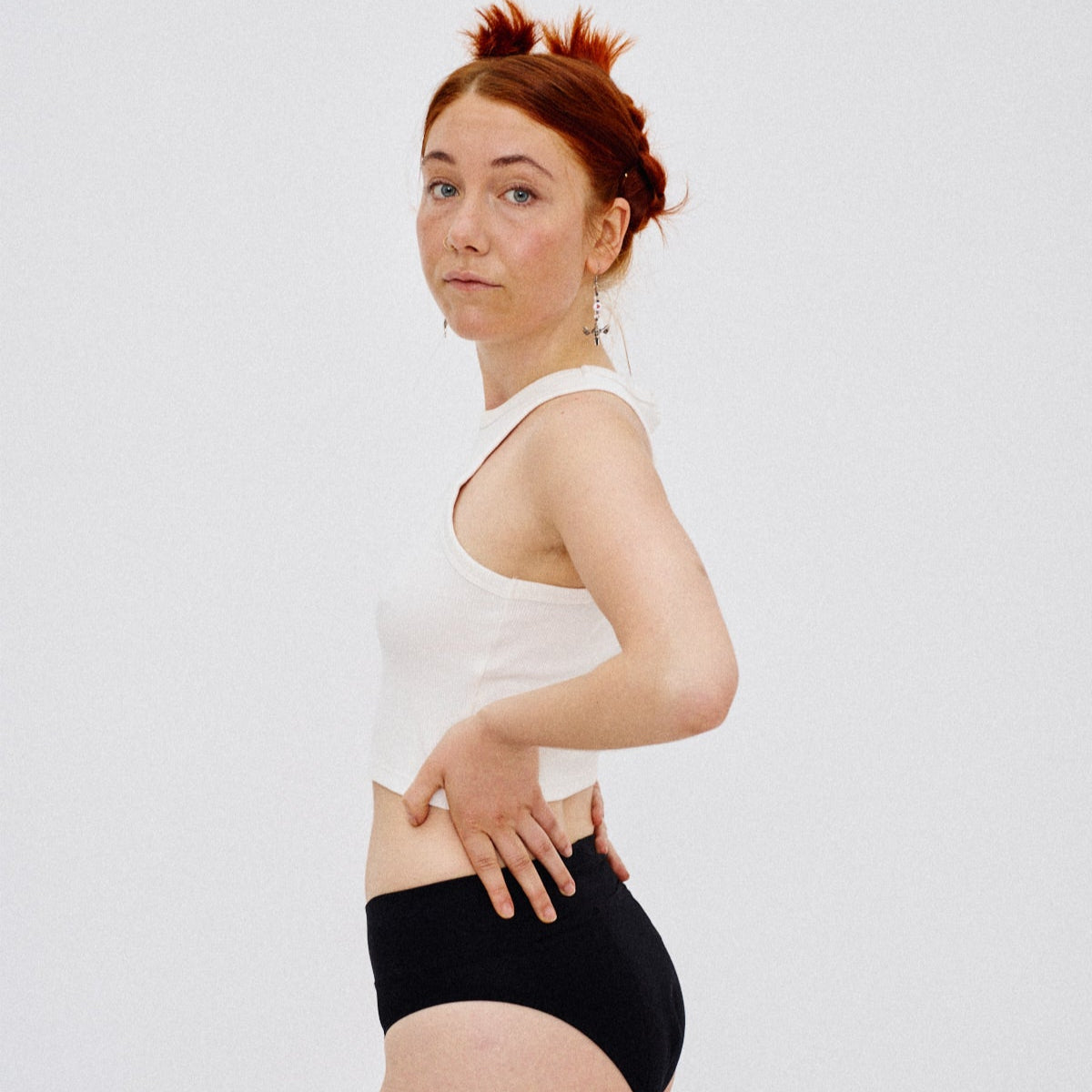
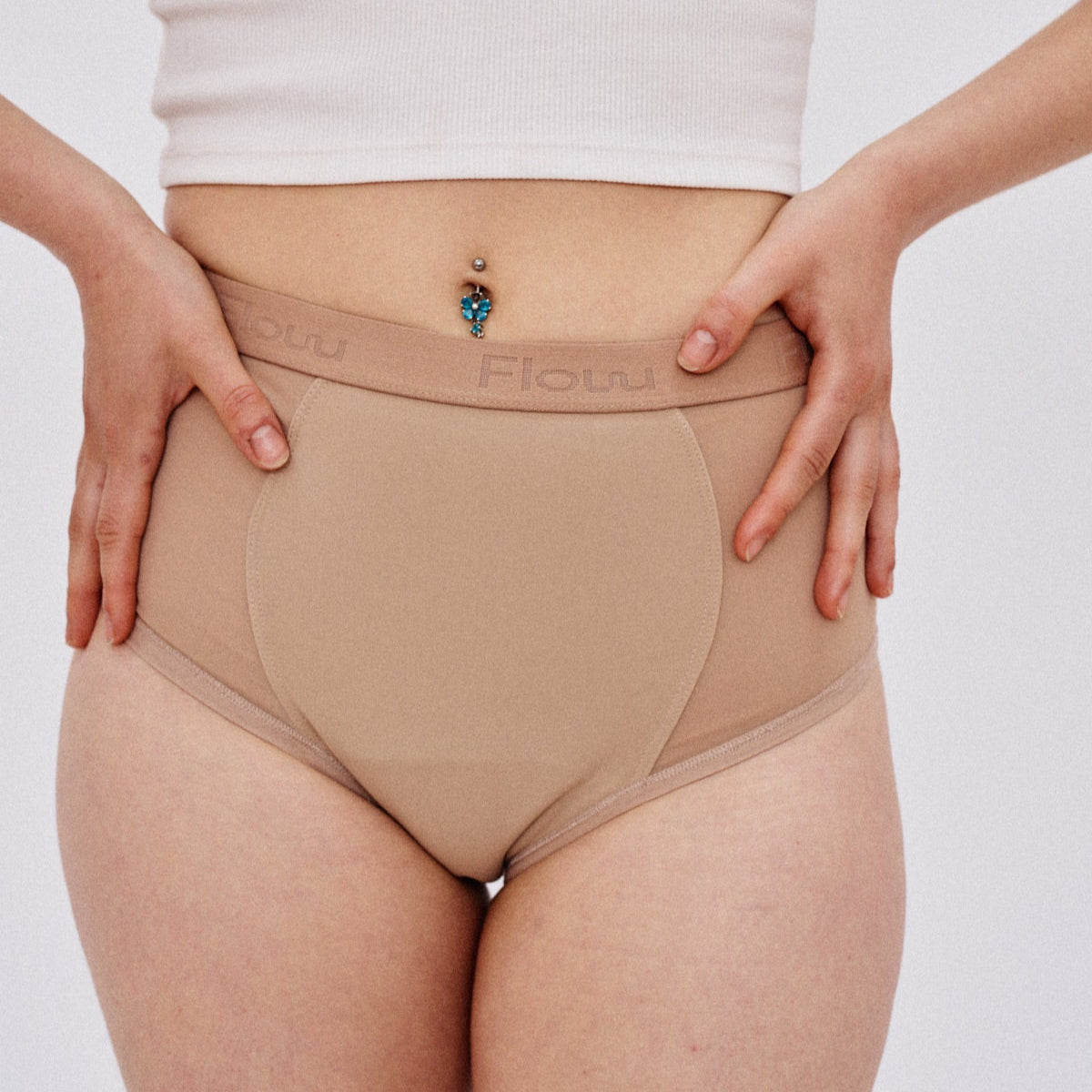
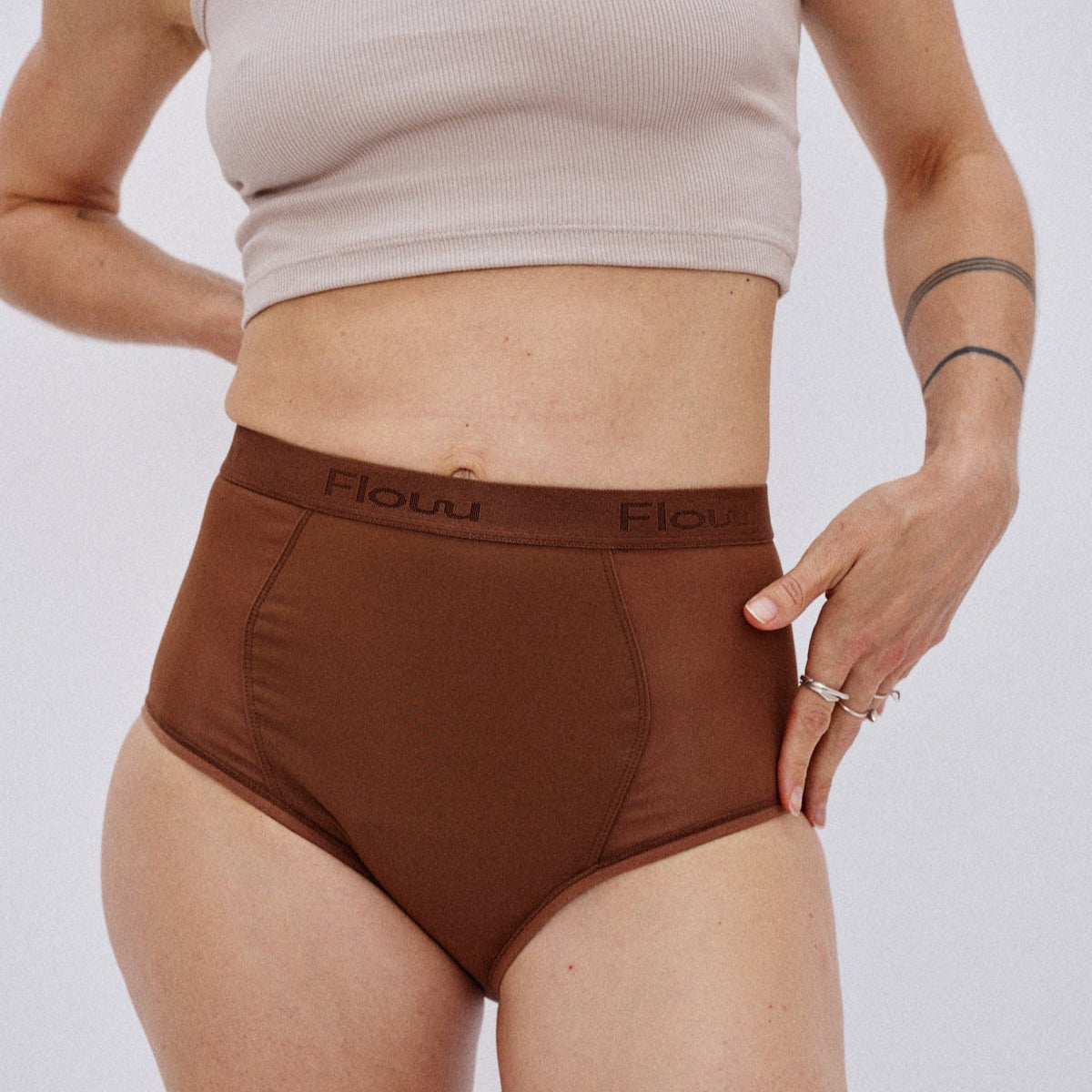
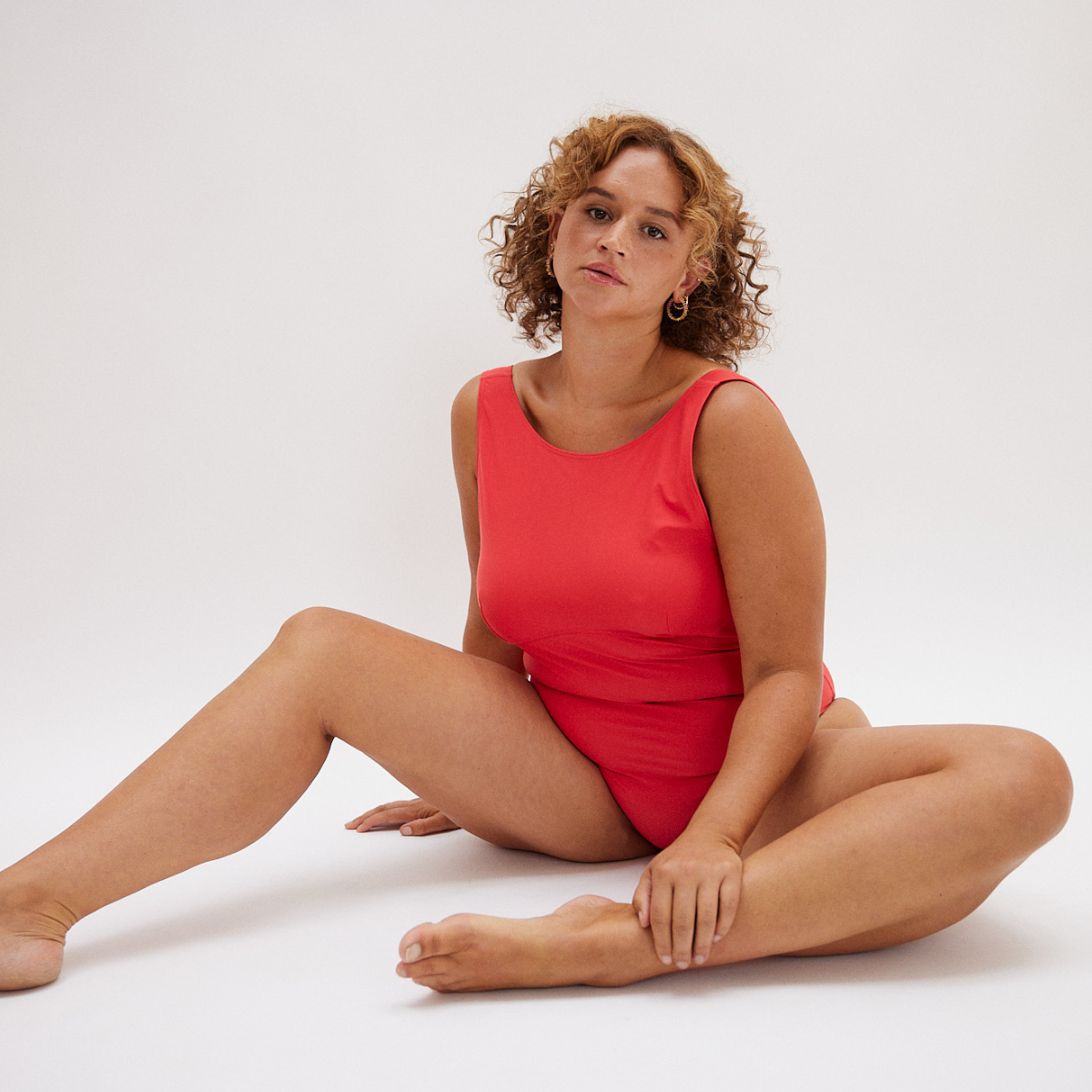
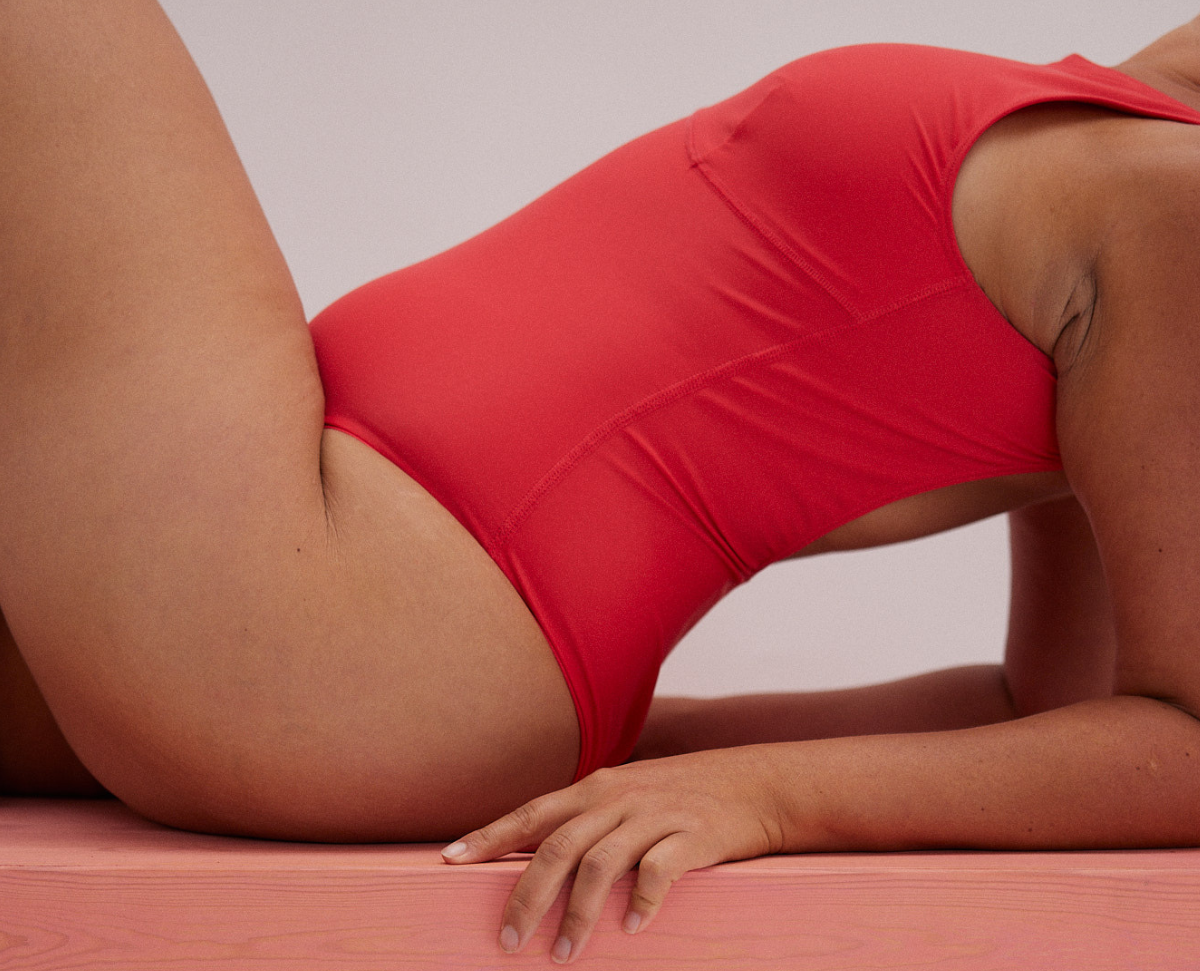
Menstrual swimwear is an obvious choice. It is swimwear that is designed specifically for your period. It looks like regular swimwear but with innovative absorption at the bottom of the swimwear, just like you know from menstrual panties.
It is an ideal solution for those who do not want to use tampons. If you bleed heavily, we recommend combining your menstrual swimwear with a menstrual pad or cup for extra protection.
👉 See our selection of menstrual swimwear for children and adults.
Tampon
Tampons are also a classic choice for bathing during menstruation. However, you should be aware that the tampon can absorb the water you bathe in, and that water can contain bacteria that you don't want in your vagina. It is therefore a good idea to change to a new tampon as soon as you get out of the water to reduce the risk of infection.
Menstrual cup
The menstrual cup is also a great choice for winter bathing. Unlike tampons, it does not absorb water, but those menstruating with an IUD should be careful with the cup, as it creates a vacuum and can move around the IUD when you remove it.
Menstrual pad
One of the newer products on the market is the menstrual disc, which is similar to a menstrual cup. However, it is flatter and does not create a vacuum, but instead rests in the vaginal fornix (the area just below the cervix) and is held in place behind the pubic bone. It also works well for winter swimming, possibly in combination with menstrual swimwear.
Can everyone swim in the winter?
Basically, everyone can go swimming in the winter, yes. But you should talk to your doctor first if you have:
-
High blood pressure and heart problems
-
Heavy menstruation ( menorrhagia )
-
Menstrual migraines (since the cold causes blood vessels to constrict, it can increase symptoms)
-
Am pregnant
Winter swimming is also a social activity that can provide a sense of community and well-being, which in itself can be nice to feel when you are menstruating and your energy and mood are low.
Every body is different, and what your body can tolerate varies from person to person. It's definitely a point to make room for your cyclical body, which is not the same as, say, a man's.
Last practical tips for winter swimming:
-
Listen to your body – Start slowly and increase the time when you feel ready. During menstruation, shorter dips may be more appropriate - around 1-3 minutes.
-
Plan for well-being – Winter swimming should improve physical symptoms and well-being, not over-stress the body.
-
Be aware of health conditions – If you have PCOS or endometriosis, cold can affect symptoms.
-
Do it safely – Go with someone you feel comfortable with so you can look out for each other in the cold water.
-
Prepare to warm up – Have a soft towel and hot tea ready so your body can quickly warm up after the bath. Or consider a trip to the sauna .
Final good advice from here: Never swim alone in the winter. Pay close attention and get out of the water if you feel dizzy, feel unwell or are in pain.
Never winter swim if you are under the influence of alcohol.
And have a wonderful trip in the water <3
FAQ: Winter swimming + menstruation
Can I winter swim during menstruation?
Yes, you can. Winter bathing can temporarily reduce menstrual flow, relieve pain, and reduce inflammation.
Does cold water stop menstruation?
No. The bleeding will not stop, but the cold will cause the blood vessels to constrict, which can temporarily reduce flow.
Which product is best for winter bathing?
Menstrual swimwear , tampons, menstrual cups or menstrual pads may be recommended. Tampons should be changed immediately after bathing to avoid infection.
Should you use a tampon when swimming in the winter?
You can use a tampon, but as mentioned, there are also other good alternatives to the tampon: menstrual cup, menstrual pad or menstrual swimwear. However, tampons should be changed immediately after bathing.
Can you swim in the winter without menstrual products?
You can, menstruation is not disgusting, and it is up to you and your comfort whether you want to use a menstrual product. If you use menstrual swimwear , it looks like regular swimwear and others cannot tell the difference.
Can winter bathing relieve menstrual pain?
Cold can dampen pain receptors and inflammation, which for some can reduce cramps and discomfort.
Can winter bathing affect bleeding?
The flow may temporarily decrease because the blood vessels constrict, but menstruation does not stop.
Is winter swimming safe during menstruation?
Yes, for most people. However, people with high blood pressure, menstrual migraines, or heavy periods should be cautious. Talk to your doctor if you are unsure.
What benefits can winter bathing provide during menstruation?
It can strengthen the immune system, reduce inflammation, improve mood and sleep, and provide a sense of togetherness and well-being throughout the cycle.
Sources:
"Cold-water swimming eases menopause and menstrual symptoms, study finds" - The Guardian ( Source )
"Winter bath and get healthier" - Danish Nursing Council ( source )
"That's why winter swimming is a gift to your body" - iform.dk (Source)
"How do women feel cold water swimming affects their menstrual and perimenopausal symptoms?" - Megan Pound and others ( source ) + ( source )
“Winter swimming breaks record - clubs have long waiting lists” - DR, 2026
"Cold Plunging for Women: Why Colder Isn't Always Better" - Stacy Sims ( source )