Guide to safety and security in menstrual products
Here you can learn everything about the risks of menstrual products, what studies and research show, and how to choose safe products like menstrual panties without dangerous chemicals.

Why menstrual product safety is important
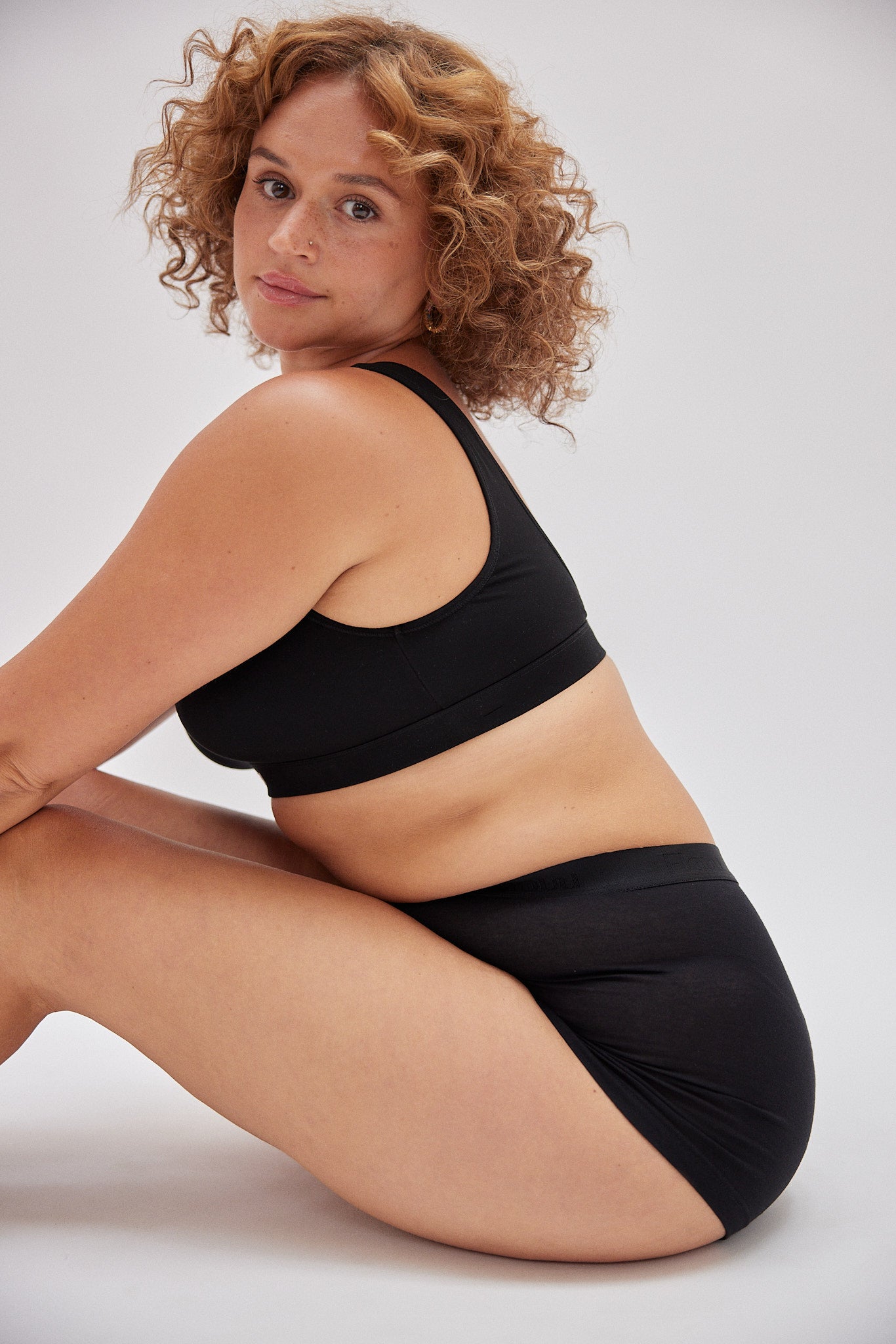
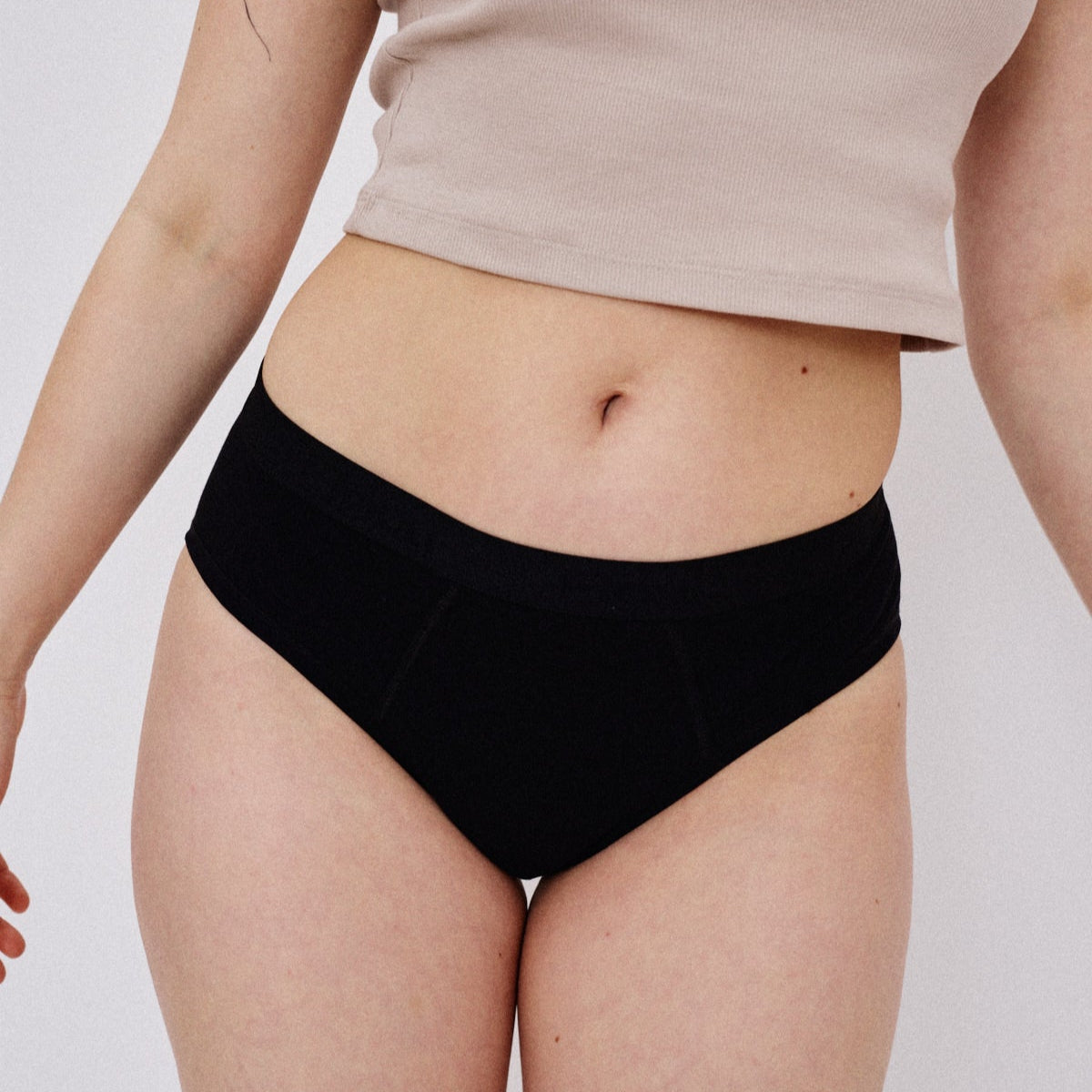
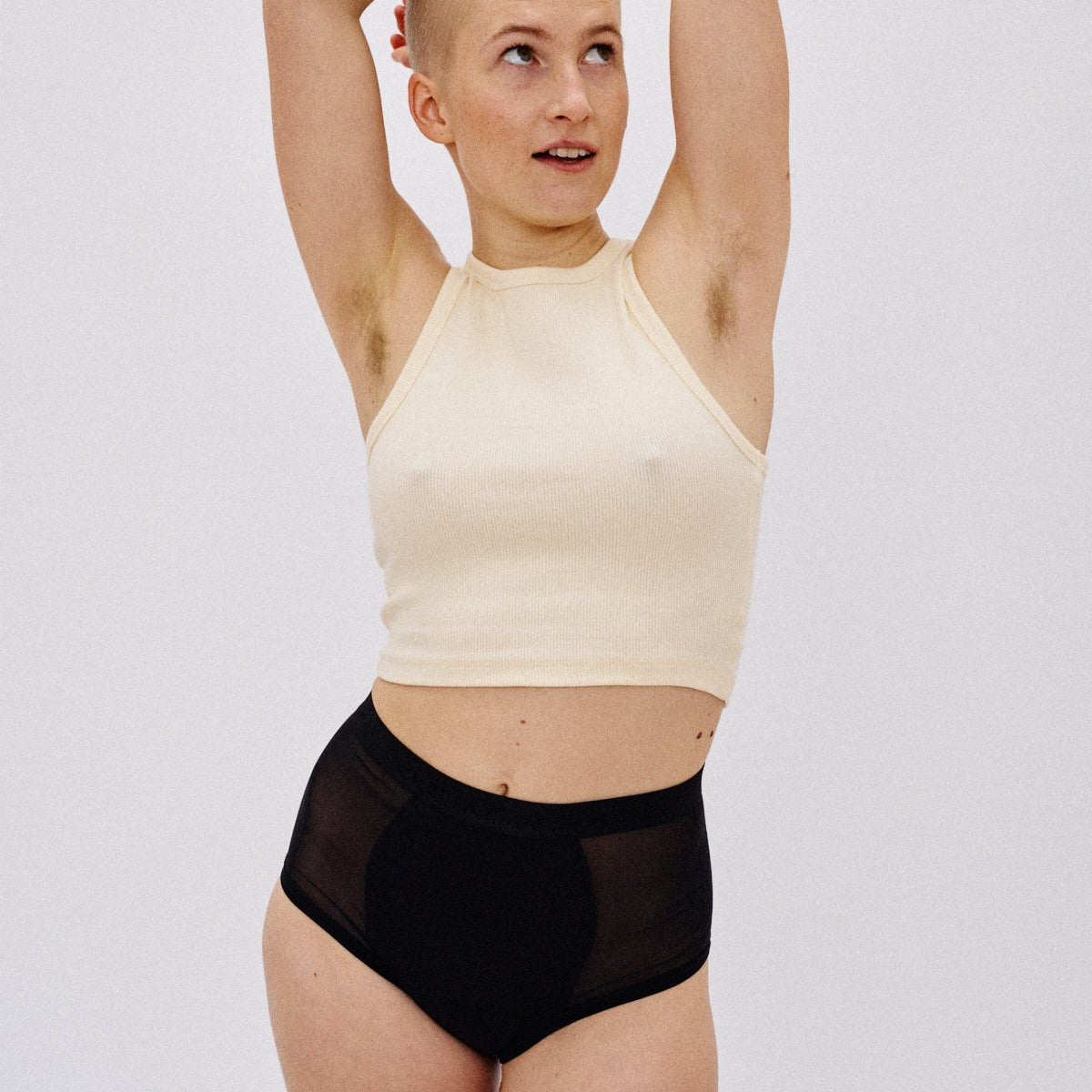
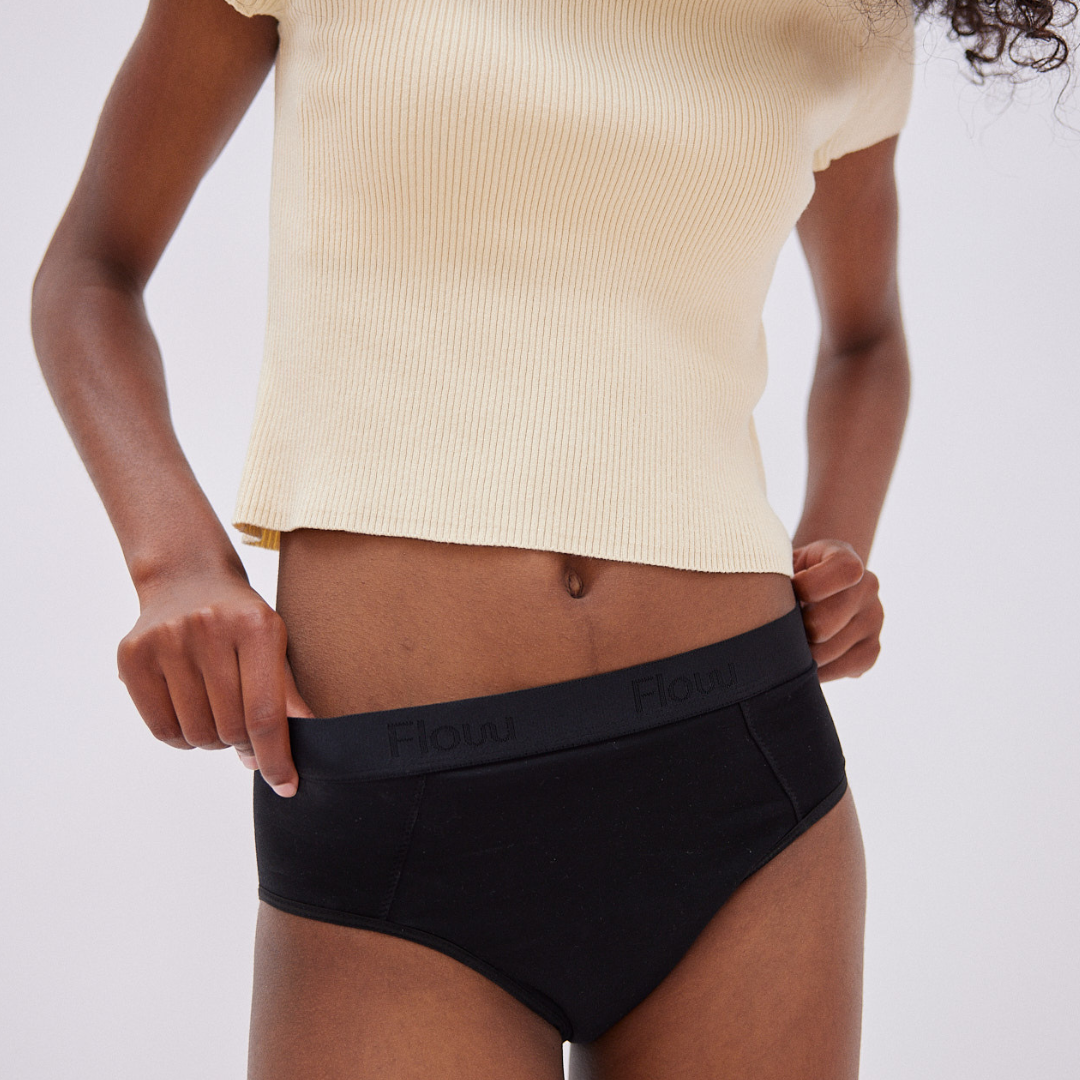
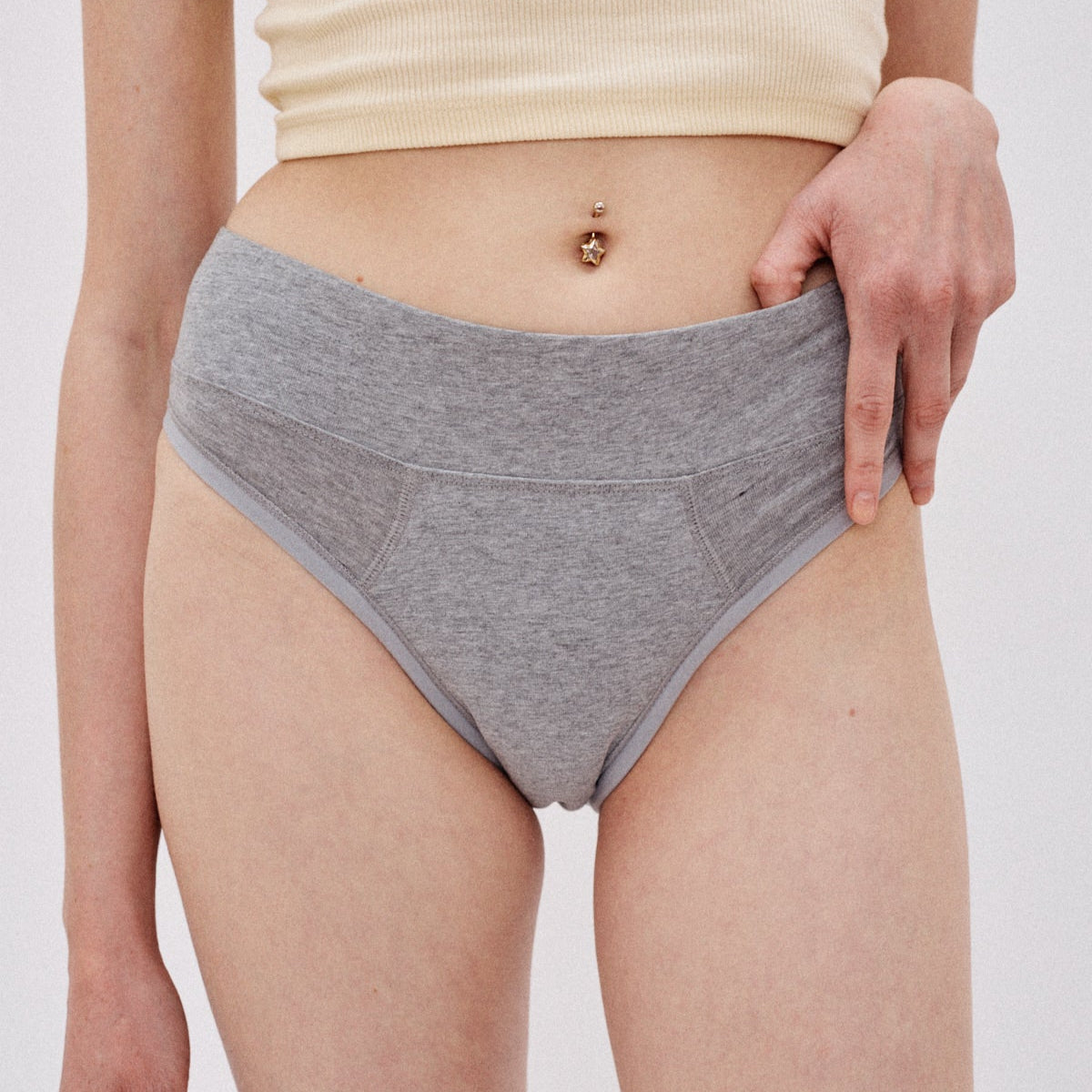
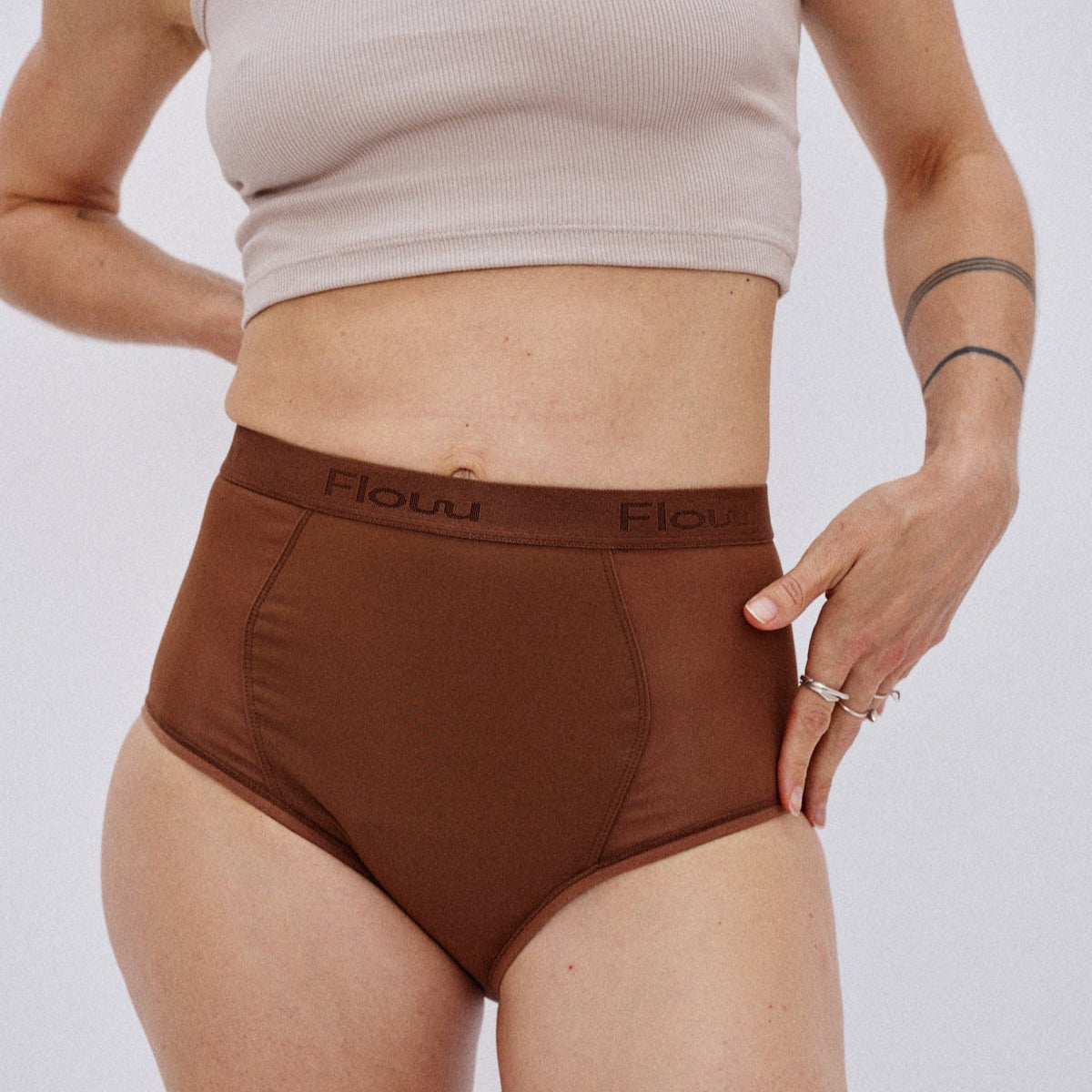
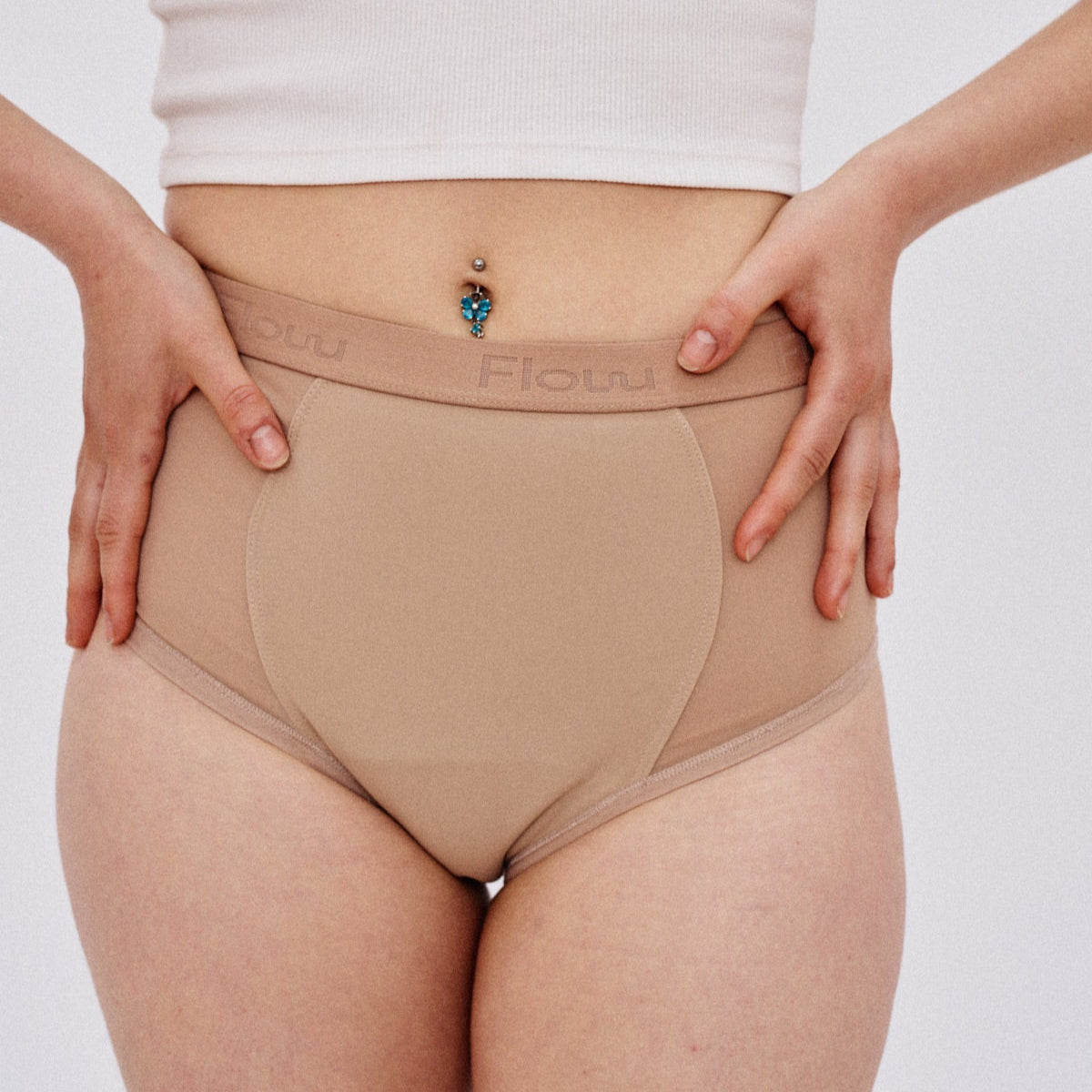
Flow's menstrual panties are made with an innovative built-in pad, consisting of 3 technical layers.
But technology cannot stand alone - we would not compromise on comfort.
That is why we have tested and developed continuously, in order to offer you the ultimate protection, without having to compromise on aesthetics or comfort.

Research finds critical content in menstrual products
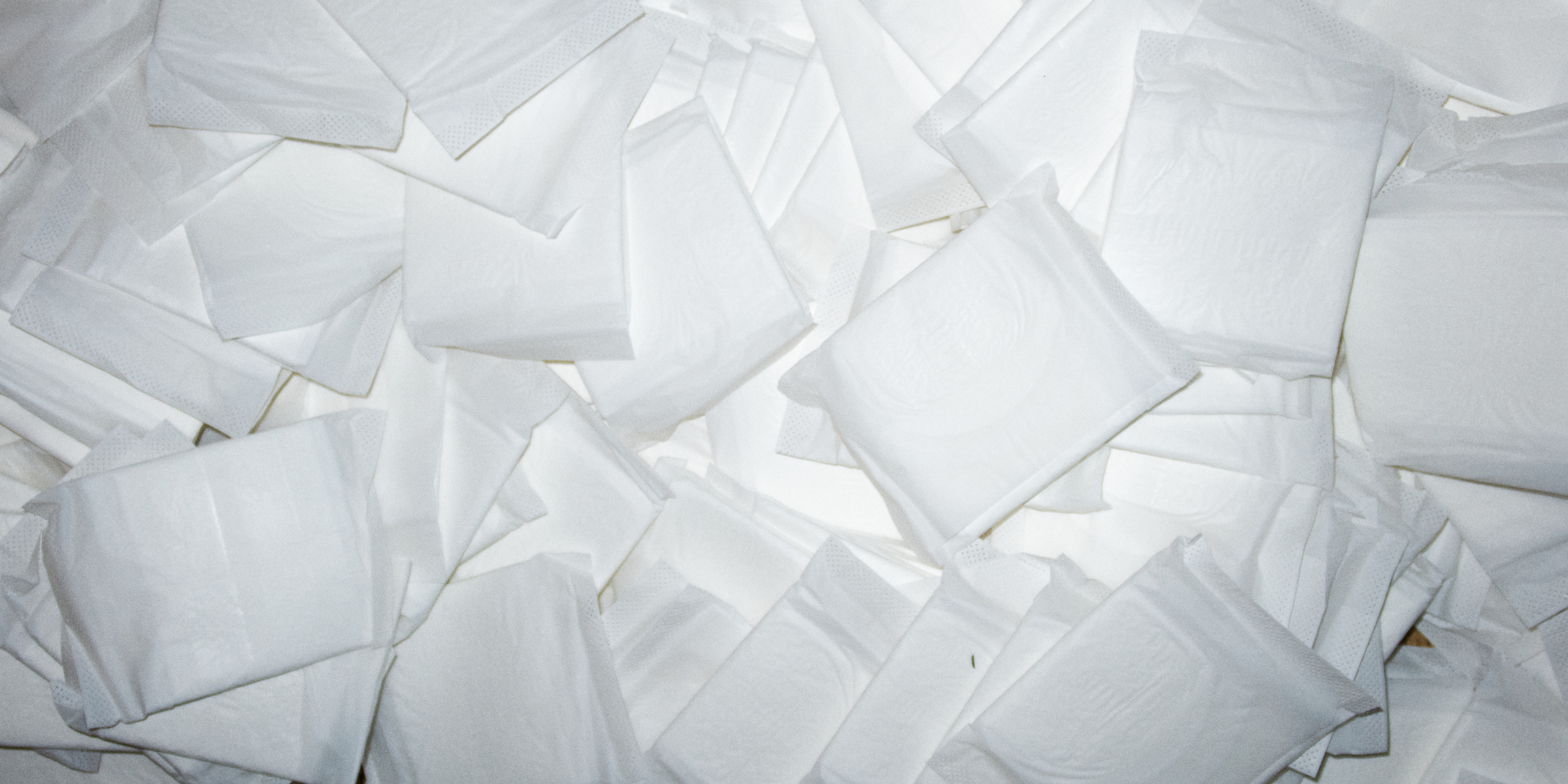
Several international studies have raised questions about ingredients in traditional menstrual products in recent years.
American studies have detected traces of heavy metals in certain tampons, and Nordic media have reported findings of lead, among other things, in products on the Scandinavian market.
There has also been focus on the discovery of PFAS (per- and polyfluoroalkyl substances) in some menstrual panties.
In addition, experts have pointed to challenges with the use of biocides – for example, nanosilver – in textiles, including menstrual panties.
The increasing focus is therefore not about creating fear – but about transparency, documentation and informed choices for us as consumers.
Sources: NIEHS , VG.no , UC Berkeley
What harmful substances can be found in menstrual products?
Biocides & antibacterial chemicals
Biocides such as nanosilver are used in menstrual panties to reduce any odors.
The Danish Environmental Protection Agency does not recommend that these be used in areas near mucous membranes, where the chemicals can be absorbed and accumulate in the body.
The FDA believes that nanosilver can help kill the healthy bacteria in the vagina (lactobacillus) that help fight infections. This can promote a viable environment for harmful bacteria, potentially leading to a variety of infections, pelvic diseases, and pregnancy complications.
Source: Mapping and
health and environmental assessment of biocidal active substances in clothing - Danish Environmental Protection Agency
PFAS (per- and polyfluoroalkyl substances)
PFAS (per- and polyfluoroalkyl substances) are a group of synthetic chemicals, also called “forever chemicals” because they break down very slowly in nature and can accumulate in the body. They have previously been used to give textiles a water and liquid-repellent effect.
Several studies have linked certain PFAS substances to endocrine disruption and other health risks.
Therefore, there is increasing focus on avoiding PFAS in products that are used close to the body – including menstrual products.
Source: NY Times
Lead and dioxin
Found in certain pads and tampons.
Lead can occur as contamination from raw materials or production, while dioxins have historically been associated with cotton bleaching processes.
Even in low concentrations, these substances are of concern because menstrual products are used regularly over many years – and in some cases inside the body.
Long-term exposure to lead is associated with effects on the nervous system and hormonal balance, while dioxins are classified as potentially carcinogenic.
How do I choose safe menstrual products?
The increasing focus on unwanted chemicals and heavy metals in menstrual products calls for greater transparency, testing and stricter regulation of ingredients in menstrual products.
But until this is introduced via legal requirements, you can do the following:
〰️ Avoid menstrual panties that mention "antibacterial" treatment, "stay fresh" treatment or similar. If you are bothered by odor in your menstrual panties, use a special detergent like Bloody Clean, which is also Allergy Certified .
〰️ If possible, buy organic pads and tampons, which in VG's study contained the least lead and arsenic.
〰️ Buy menstrual pads and cups made of medical silicone from manufacturers in the EU.
〰️ Ask brands to send results from testing their menstrual products.
We have our absorbent underwear tested for, among other things, PFAS by a third party in Germany.
"Do your panties contain PFAS or biocides?"
We take responsibility
There is an increasing focus on persistent chemicals and other harmful substances in our clothing. Fortunately!
Read below for more information about harmful chemicals and why we don't use them.

What is the problem with silver?
Silver is used as an antimicrobial agent and is used in some menstrual panties to reduce odors.
However, scientists have increasingly warned about the potential health effects of using silver for this purpose.
The FDA has confirmed that nanosilver can help kill the healthy bacteria in the vagina (lactobacillus) that help fight infections. This can lead to a better environment for the harmful bacteria, which can potentially lead to a number of infections, abdominal diseases and pregnancy complications.

We test systematically
Your menstrual panties from Flow work due to fabric weavings, not because of any chemicals.
All the fabrics we use are Oeko-Tex certified.
We don't use nano-silver or PFAS in our panties either. We systematically test all our panties for PFAS through a third party in Germany every other year.
In our latest test in 2023, we received the annotation 'No detectable levels' of PFAS and other biocides. This means there were no measurable amounts in the panties.
However, to claim 'Free of PFAS' is misleading. The unsettling aspect of PFAS is that these substances are everywhere in our environment. So, even though we haven't intentionally introduced PFAS chemicals into our panties, they may have come into contact with something that has PFAS on it."
Safety and quality we are proud of
Menstrual panties








FAQ about menstrual product safety
What are menstrual panties?
Menstrual panties are reusable panties with a built-in absorbent layer that collects menstrual blood. They can be used as an alternative or supplement to tampons, cups or pads.
How do menstrual panties work?
Menstrual panties typically consist of several layers: a layer that fits snugly against the body, an absorbent core, and a protective membrane. The layers wick fluid away from the skin and keep it contained.
Read our full guide to menstrual panties here →
Read our full guide to menstrual swimwear here →
How much can menstrual panties absorb?
Absorbency depends on the model and flow type. There are panties for light, moderate and heavy bleeding, and some models are suitable for nighttime use.
Find our selection of menstrual panties right here →
Can menstrual panties be used alone?
Yes, for light to moderate bleeding they can often be used alone. For heavy periods you may need to combine with a cup, disc or tampon for extra security.
Can you bathe with menstrual panties?
Regular menstrual panties are not designed for bathing.
For swimming, there are specially developed menstrual swimwear, see our selection here →
How do I wash menstrual panties?
Rinse in cold water after use and wash at low temperature without fabric softener. Air dry to maintain absorbency and longevity.
Read more about washing your menstrual panties here →
Are menstrual panties safe?
Most menstrual pads are considered safe, especially if they are free of PFAS and added biocides. It is important to choose products with transparency about materials and testing.
What about PFAS in menstrual products?
PFAS are a group of so-called "perpetual chemicals" that can accumulate in the body and have been linked to health risks. Therefore, there is increasing focus on avoiding PFAS in products used close to the body.
What about heavy metals like lead?
Traces of heavy metals such as lead have been found in some menstrual products. Long-term exposure is a concern because the products are used regularly over many years.
What about biocides and nanosilver?
Biocides such as nanosilver are added to some textiles to inhibit bacterial growth. There is debate about their impact on the skin microbiome and the environment, which has increased focus on alternatives without added biocides.