First period after giving birth – why is it different?
After giving birth, the body goes through major hormonal changes. Estrogen and progesterone drop, prolactin increases with breastfeeding, and the uterus needs to contract again. This can affect the timing, amount, and pain of the first period after giving birth.
And we've heard it from several people in the office: The first period after giving birth feels... a bit like a stranger. One got hers barely three months postpartum (what?!), another waited over a year. Some experienced a heavy flow from hell, while others barely noticed it was back.
As the body slowly recovers postpartum, many people find that their period doesn't feel quite the same as before. Maybe you bleed more, less - or just differently. The body has undergone a monumental change. The hormonal balance, the uterus and the entire cycle must find its new rhythm.
In this article, we'll dig into menstruation after giving birth - when it returns, how it can change, and why it may never be quite the same.
👉 Read our article about postpartum bleeding – postpartum hemorrhage – and how it differs from the first period after giving birth

Written by journalist Simone Mervig.
The content of this article has been verified by Pernille Jessen, nurse and breastfeeding counselor behind Mamaflow
Why does my period change after giving birth?
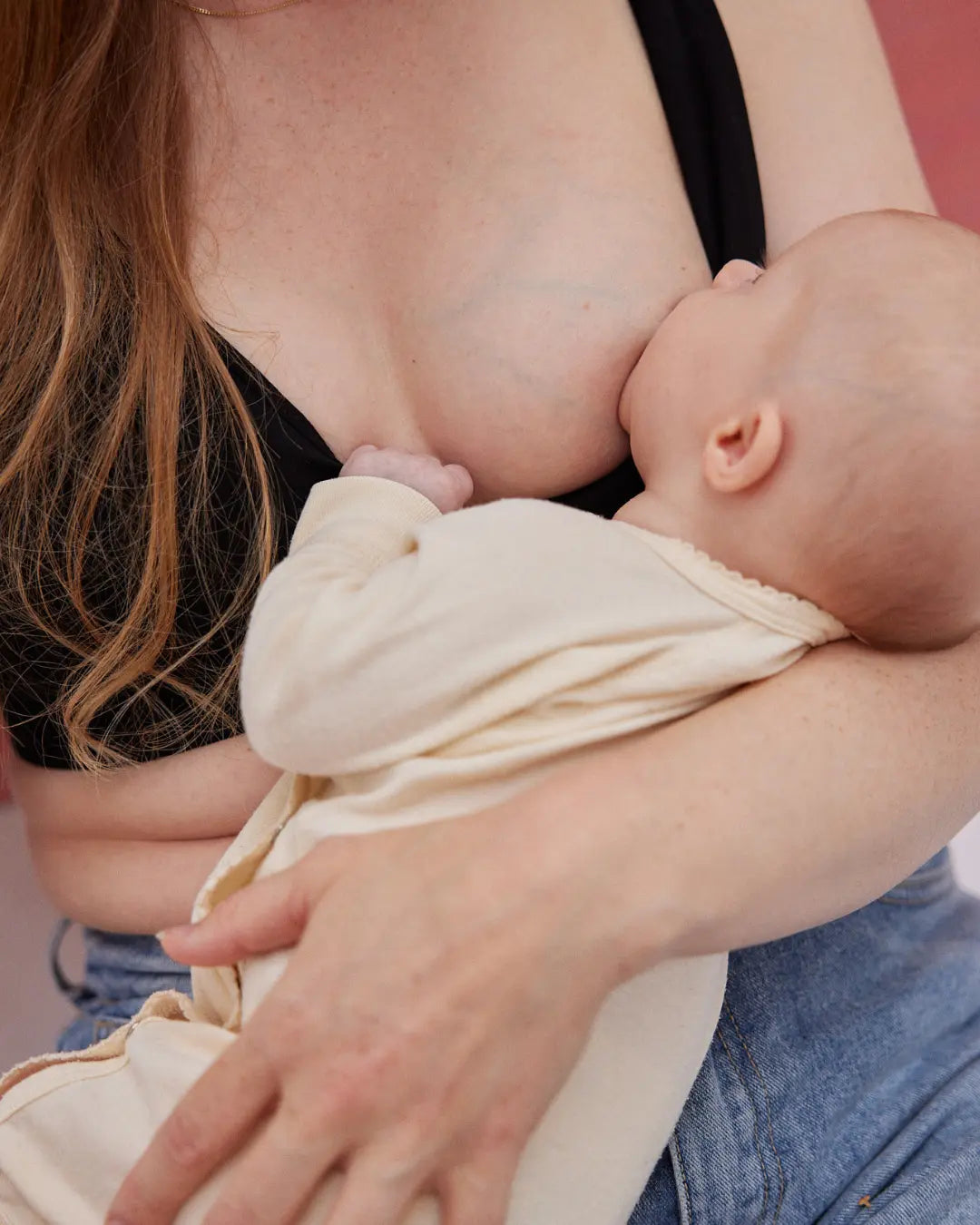
After you give birth, your body goes through a huge hormonal “reboot.” Estrogen and progesterone drop drastically, your uterus contracts, and if you’re breastfeeding, your body produces large amounts of prolactin, the hormone that keeps milk production going. Prolactin inhibits ovulation, which means your period may be put on hold for a little while longer.
At the same time, the uterus - which has grown to about 20 times its normal weight during pregnancy - is now working to contract again (it's a work in progress). This affects how the lining builds up and is shed when you get your period.
Hormonal fluctuations and physical changes in the uterus mean that your cycle can change permanently. For some, it feels like a small adjustment. For others, it feels like a whole new pattern.
When will my period return after giving birth?
We wish we could give you a concrete answer (we could have used that ourselves). An old rule of thumb is that your period typically returns sooner if you don't breastfeed. However, if you breastfeed fully, your period may not come for many months - even up to a year or longer.
Breastfeeding can therefore play a major role. The high amount of prolactin, which keeps milk production going, suppresses ovulation - and thus also menstruation.
But (plot twist) that doesn't mean you can't get pregnant. You can ovulate before your first period.
So the old myth that you can't get pregnant while breastfeeding? It's not true.
How might my period change postpartum?
Whether you're one of those who's been (im)patiently waiting for your period, or whether it's taken you to bed (literally), the first bleeding after giving birth can feel different than before.
Here are some of the most common changes women experience after giving birth and why they happen:
Heavier bleeding: For some, the first period after giving birth may be a little heavier or longer than before pregnancy. The uterus may still be slightly larger than before pregnancy, so there may be more lining to shed. At the same time, the changed levels of estrogen and progesterone can affect how the lining builds up and how intense it all feels (thanks, hormones).
Irregular cycle: The hormones - estrogen, progesterone and LH (luteinizing hormone) - need time to find a stable pattern again. Especially if you are breastfeeding. Until they stabilize, you may find that your periods go longer between periods or that they appear completely unannounced.
Lighter flow: Some people experience a less intense flow after giving birth. This may be because the uterine muscles can now contract more effectively, which helps the blood to flow out more quickly. In addition, estrogen levels may be lower for a period, which can make the uterine lining thinner, and there is simply less to shed and bleed out.
More painful periods: For some, periods can feel more painful after giving birth. If there is scar tissue from ruptures or a cesarean section, or if the pelvic floor is still tight, contractions during menstruation can feel stronger and therefore more painful.
In short: Your body is finding its new rhythm. It is not “back” – it is just moving on.
Is heavy menstruation after childbirth normal?
It is quite normal for your menstrual flow to change after giving birth. On the one hand, your uterus may still be larger - the after-partum contractions that start shortly after giving birth will start to contract the uterus again, and after 6-8 weeks it will be significantly smaller and not as easily felt on the abdomen. But it will never be as small as before giving birth again.
Next, the mucous membrane may be thicker, and this means heavier menstruation, which is a rejection of the mucous membrane.
Finally, your hormones will also fluctuate more in the first few days after giving birth - and the closer you are to 40-45 years old when you give birth, the closer you are to perimenopause, which also affects your bleeding.
When will my cycle calm down?
For most people, the cycle gradually begins to stabilize during the first year after giving birth. But honestly, there's no one-size-fits-all answer to exactly when balance is fully restored. Our bodies are unique, and hormones regulate at their own pace - influenced by everything from breastfeeding and sleep to stress and diet.
If you experience very heavy bleeding, periods lasting more than 10 days, or no bleeding for several months after you stop breastfeeding, it's a good idea to check in with your doctor. Not because there's necessarily anything wrong, but because you deserve to understand what your body is trying to tell you.
When the body makes its own version 2.0
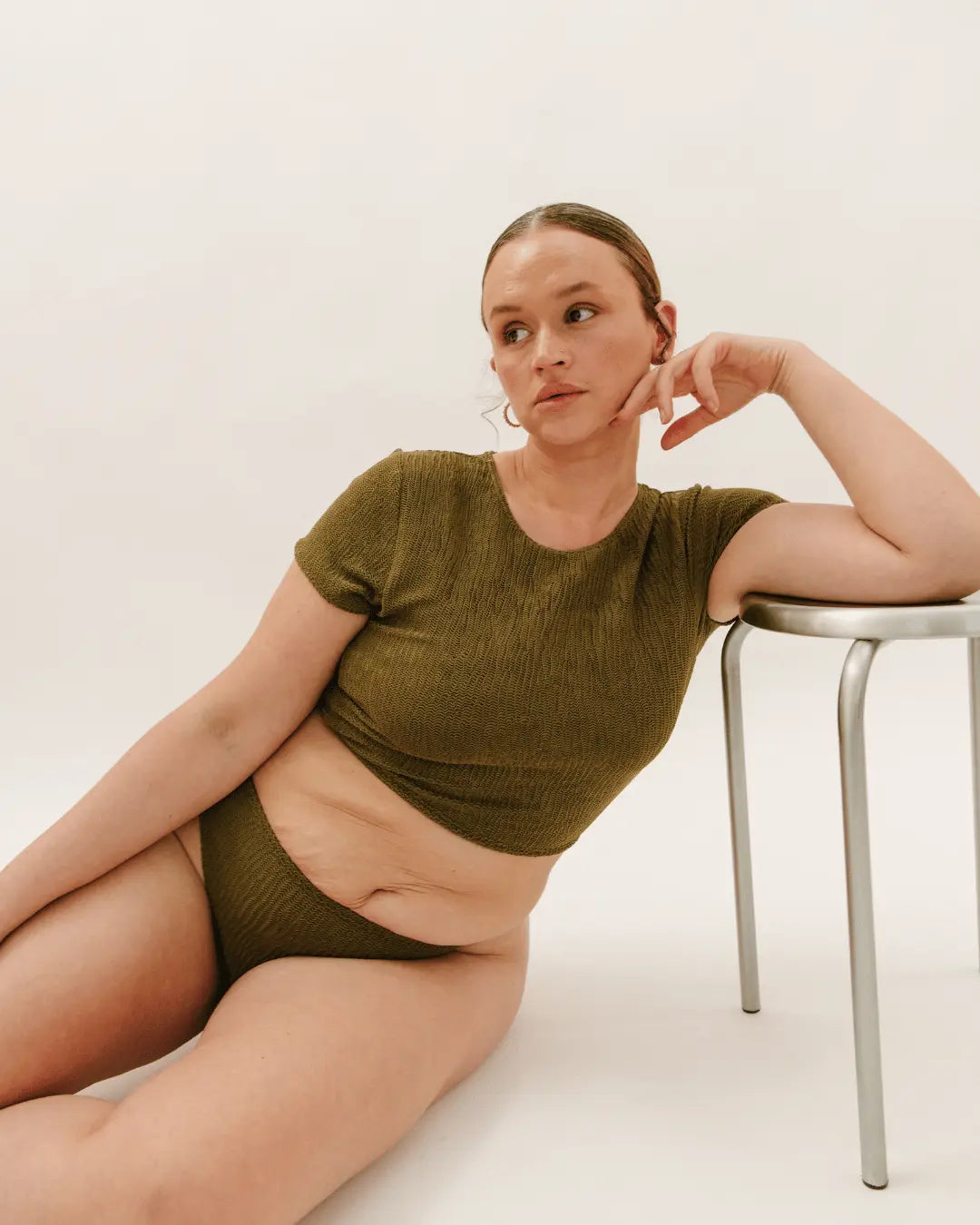
There is no one “right” period after giving birth. For some, the body quickly returns to old rhythms, for others it feels new and unpredictable. The body rediscovers itself in its own way - and it deserves both patience and respect for the work it does.
If you've had multiple children, you may also find that each pregnancy has left its own little mark on your cycle. You're not back to what you were - you've evolved.
So the next time you look at your calendar (or at your panties) and think: “That looks a little different than before,” remind yourself that it’s just your body that has updated to version 2.0.

References: Sundhed.dk , NHS - Your body after the birth & Do your periods change after pregnancy?, Babyinstituttet, MedicalNewsToday - First period after having a baby - what to expect