How do you use your discharge to guide you?
Most of us may not think much about vaginal discharge , other than it can be a little annoying when we notice a spot in our panties. But in fact, your vaginal discharge is a little daily status letter from your body. When you learn to read it, you gain access to a lot of knowledge about your cycle, your health, and your body in general.
Discharge vs. cervical mucus
Let's get one thing straight. There's a difference between discharge and cervical mucus. Discharge is a general term for everything that comes out of the vagina - blood, cell debris, arousal fluid, and the secretions that keep the environment healthy and bacteria at bay. Cervical mucus, on the other hand, is produced in the cervix itself and changes throughout your cycle. This is what we're particularly interested in when we talk about cycle signs and fertility.

Your cycle in discharge
When you start paying attention to your discharge, you'll quickly notice that it doesn't look the same all the time. In fact, it pretty clearly follows your cycle:
-
Right after menstruation (early phase): The discharge is often scanty or completely dry. It may also be slightly dark with traces of menstruation.
-
Follicular phase (up to ovulation): The discharge becomes more visible. It can be creamy, milky, slightly grainy or rubbery and is typically white or yellowish in color. The amount usually increases towards ovulation.
-
Ovulation (the fertile window): The discharge is partially or completely transparent, and it is elastic and can be stretched between the fingers. Many describe it as resembling raw egg white. It is the body's way of helping sperm find their way to the egg.
-
Luteal phase (after ovulation): The discharge decreases again and may feel dry. It often becomes white or yellowish again, and towards the time of menstruation it may also become slightly pink or brownish.
If you take birth control pills, these patterns can often become less obvious because the hormones in the contraceptive control your body's own signals.
Discharge throughout life
Your vaginal discharge changes not only with your cycle, but throughout your life. During puberty, it really becomes a part of everyday life. During pregnancy, the lining of the vagina receives more blood and becomes more active, which results in more discharge. And after menopause, many people may experience dryness or a reduced amount of discharge because the body's estrogen production decreases.
When should you react?
Normal vaginal discharge is mucous, milky white or clear, and when it comes into contact with oxygen, it can turn slightly yellowish. It does not smell unpleasant and is usually not itchy. If your discharge changes significantly and, for example, becomes foul-smelling, itchy, stinging, changes to an unusual color or suddenly comes in much larger quantities, then this may be a signal that you should talk to your doctor. This may be a sign of infection, fungus or other things that require treatment.
Daily care for a healthy environment
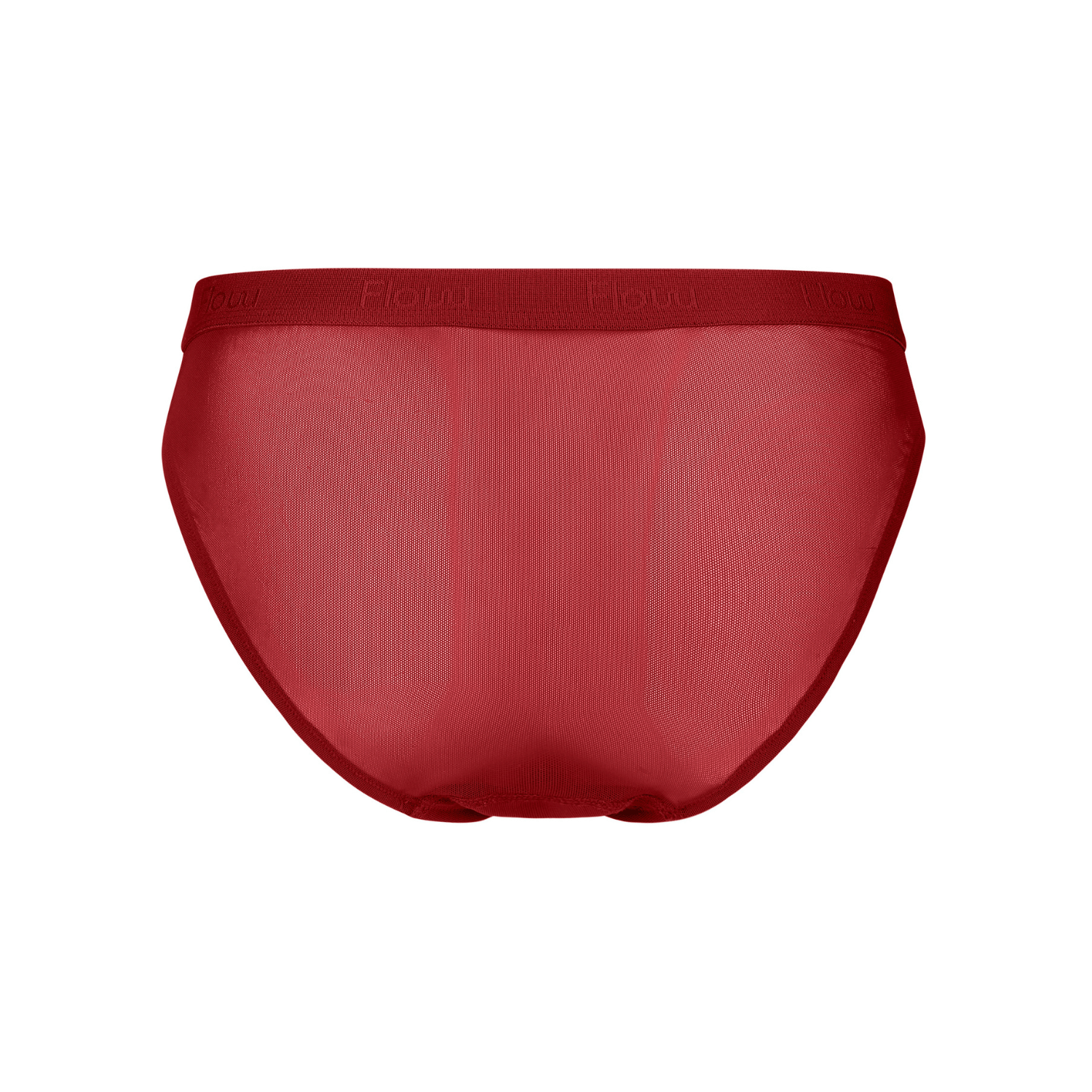
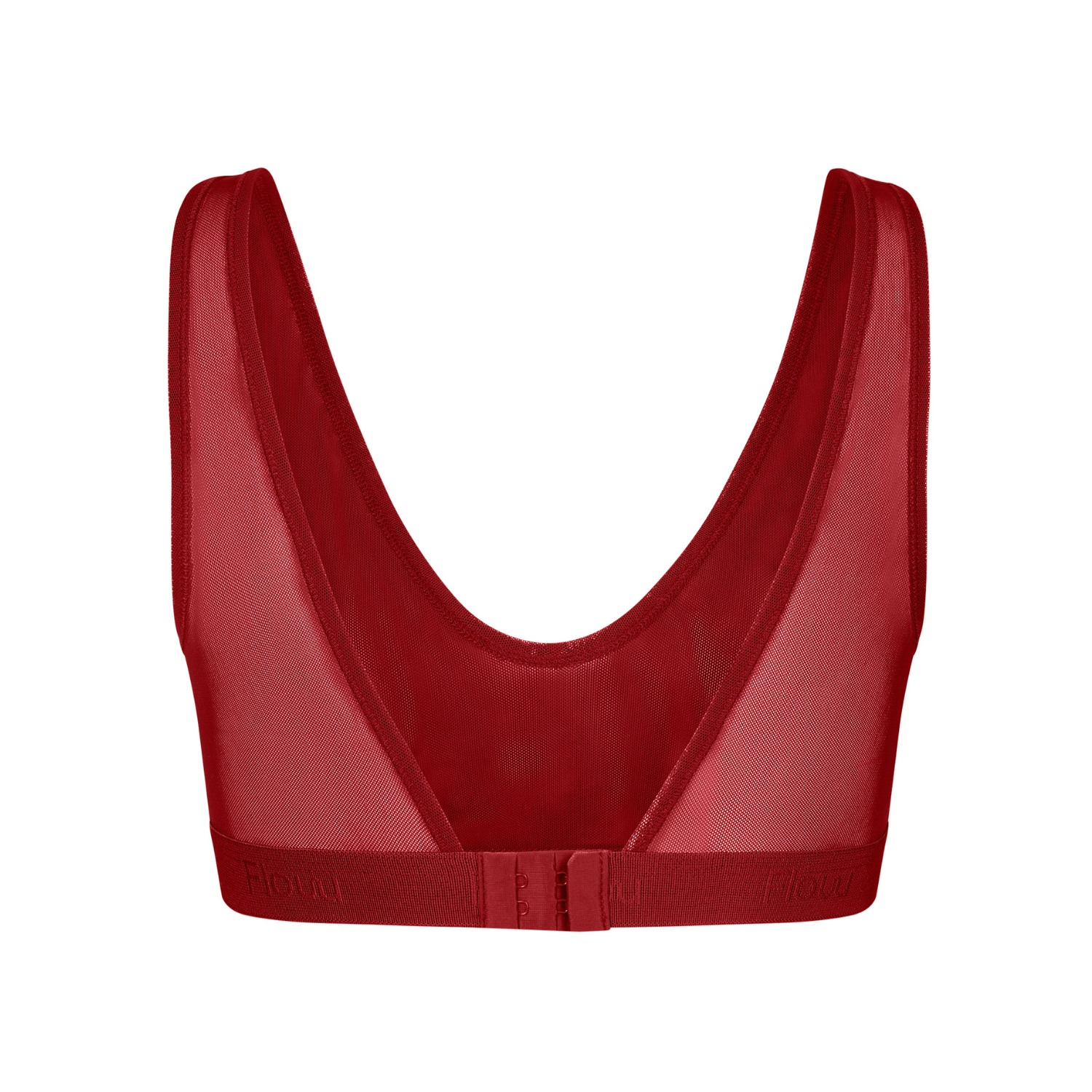
Your vagina actually takes best care of itself if you let it do its job in peace. Avoid excessive washing, perfumed soaps or daily use of disposable hygiene products such as panty liners, which can irritate the mucous membranes. Allow air, use breathable materials and choose underwear that gives your body space to be in balance. Here our Everyday Flow Thong can be a good choice. It is made of soft, breathable materials and designed to follow your body - even on days when your discharge is heavier than usual.
Your superpower
Learning to read your discharge is a bit like learning a new language. The more you practice, the better you'll understand the little patterns and signals that were previously invisible. It's like having a built-in guide to your cycle - always at your fingertips.
We hope this post has helped you learn more about yourself and your body. If you want to delve even deeper into the amazing female body, you can check out our Journal, where we write posts that delve into topics related to menstruation.
We are glad you are here <3
written by Simone Mervig